
Analysis
Reintegration of Nigeria’s Railway System into the National Transport Plan

BY EGUONO ODJEGBA
Nigeria’s transport system has long been dominated by road haulage, a reality shaped by vested interests, policy inertia, and decades of neglect of the railway. Yet, the economic, environmental, and social imperatives for rail reintegration are overwhelming. Railways offer a cost-effective, energy-efficient, and environmentally sustainable mode of moving both cargo and passengers across long distances. Reintegration into the national transport plan is not just desirable, it is essential, and there is no better time than now to begin the process.
Strategic Pathways to Reintegration
Policy Realignment: The Federal Government must elevate rail transport as a strategic priority within the National Transport Master Plan. This requires harmonizing rail development with road, air, and maritime transport policies to create a multimodal system.
Infrastructure Expansion:
It is in this respect that the policy direction of the Managing Director of the Nigerian Railway Corporation (NRC), Dr. Kayode Opeifa’s roadmap to expand Nigeria’s rail network from 4,000 km to 10,000 km in five years becomes very germane and salutary. A five year policy plan to increase coverage from 4,000 km to 10,000 km may sound very ambitious but necessary. Linking industrial hubs, ports, and agricultural belts to rail corridors will reduce road congestion and logistics costs.
Energy Transition: The adoption of LNG-powered trains aligns with Nigeria’s gas expansion agenda and offers a pathway to cleaner, cheaper operations. This innovation can make rail competitive against road haulage in terms of cost and reliability.
Sector Participation: Government budgets alone cannot sustain rail expansion. Concessioning, public-private partnerships, and sovereign guarantees must be leveraged to attract investors, logistics firms, and rolling stock providers.
Community Ownership & Security: It is common knowledge that vandalism of rail tracks and other vital components remains a major threat. Embedding community ownership of rail assets, alongside improved security architecture, will reduce sabotage and foster local buy-in.
Digital Integration: Introducing digital ticketing, cargo tracking, and predictive maintenance systems will also modernize operations and improve efficiency.
Ultimately, the national impact which will lead to a fully reintegrated railway system consist of cut in logistics costs for industries and agriculture, reduced road accidents and infrastructure wear, enhanced regional integration and mobility.
While these will contribute significantly to GDP growth and energy security, rail must be repositioned not as a competitor to road transport but as the backbone of a multimodal system that drives Nigeria’s economic transformation.








Teamwork, Discipline, Central to Our Enforcement Mandate —Jonah Charges Customs Marine Operatives

How the UAE-Nigeria Partnership Can Transform Our Ports

Cross River, FTZ Customs Gets New Impulse

CGC Adeniyi Signs Anti-Corruption Documents, Activates ICRAM Steering Committee

Nigeria Customs Marks Breast Cancer Awareness Month in Abuja

NIMASA To Host Webinars on Automation of Nigerian Ship Registry

NPA Moves To Cut Export Bottlenecks, Targets Forex Inflows

NPA Congratulates ANLCA on 72nd Anniversary, Reaffirms Support for Port Modernisation

Afeni Lands at FOU Zone ‘A’ in Acting Controller Capacity

NPA Mulls Specialised Fishing Port to Deepen Nigeria’s Blue Economy

Industry Stakeholders Applaud ANLCA at 72nd Anniversary Celebration

Port Regulation Critical To Fisheries, Blue Economy – NPERA DG, Akutah
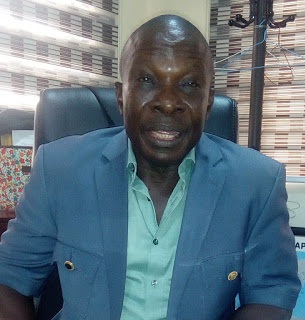
ANLCA Board is intact, cannot be wished away by anybody’-Elochukwu

B-R-E-A-K-I-N-G: Effedua, Rector MAN Oron, Resigns

EFCC’s Probe: Okowa Plots Sheriff’s Removal Despite London Accord
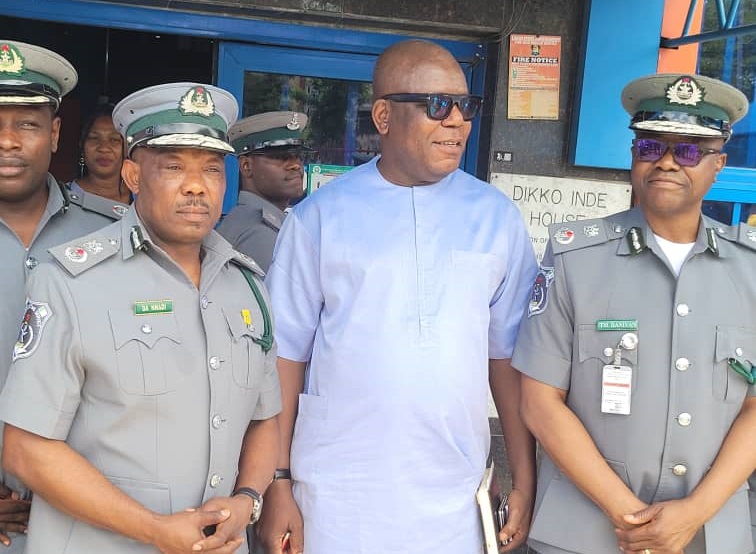
Customs Trains ANLCA Members, Others on B’Odogwu Portal

NPA’s Alleged Executive Management Fight: The Half Truth & Truth
ANLCA Board Election: Know Your Candidates
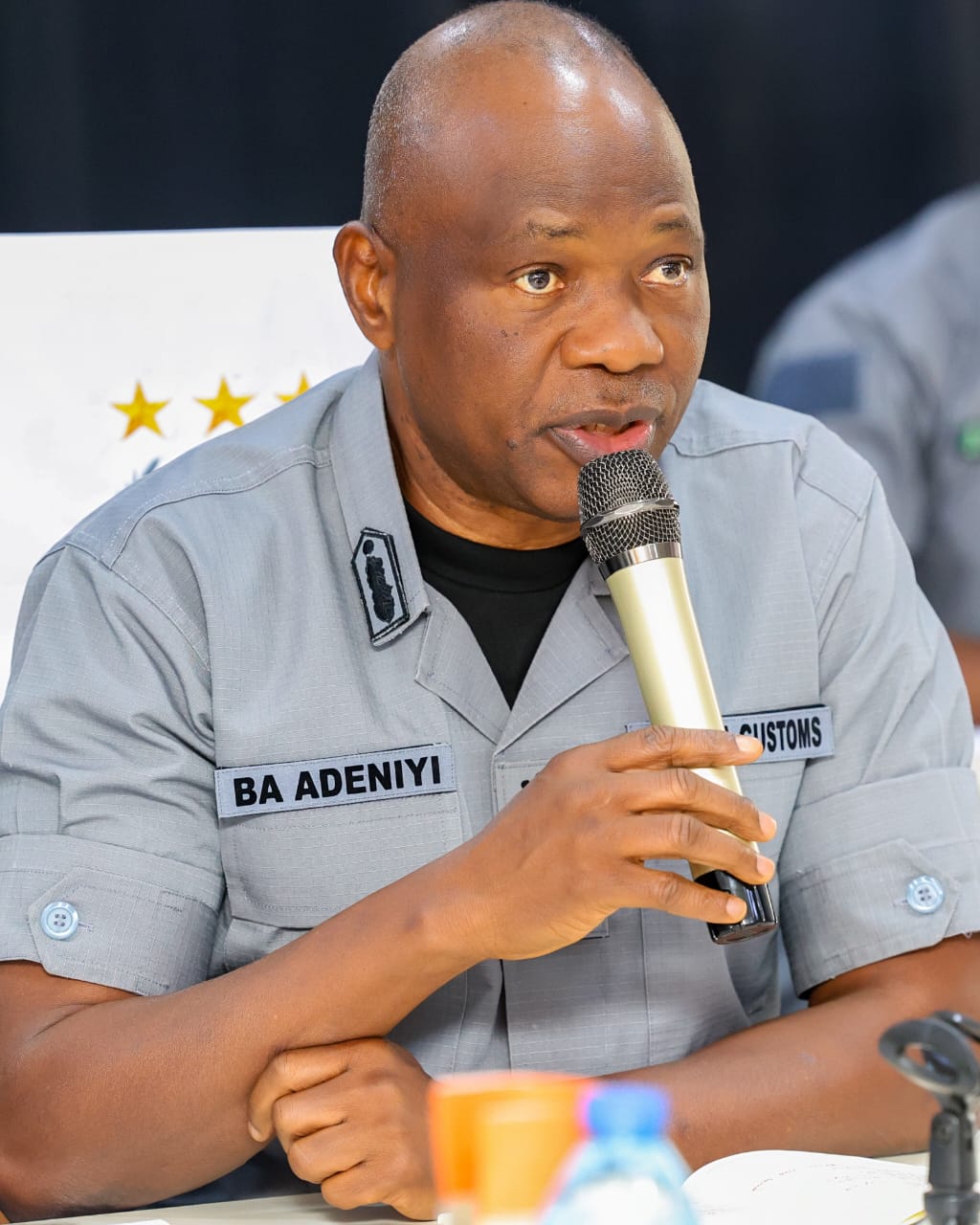
‘Why We Launched B-Odogwu Pilot Scheme With Webb Fontaine Still Running’ – Adeniyi

Onyemekara Promoted GM, Appointed NPA’s New Spokesperson

Nigeria Customs: Trust, Competence And The Oramalugo Factor

‘Rush To Break News Can Lead To Brush With Cybercrime’- Police

Kebbi Is Hub of Hard Drugs Smuggling In Northern Region’ – Oramalugo

Apapa Customs Collects ₦161b On B’Odogwu Platform In 3 Weeks