Connect with us
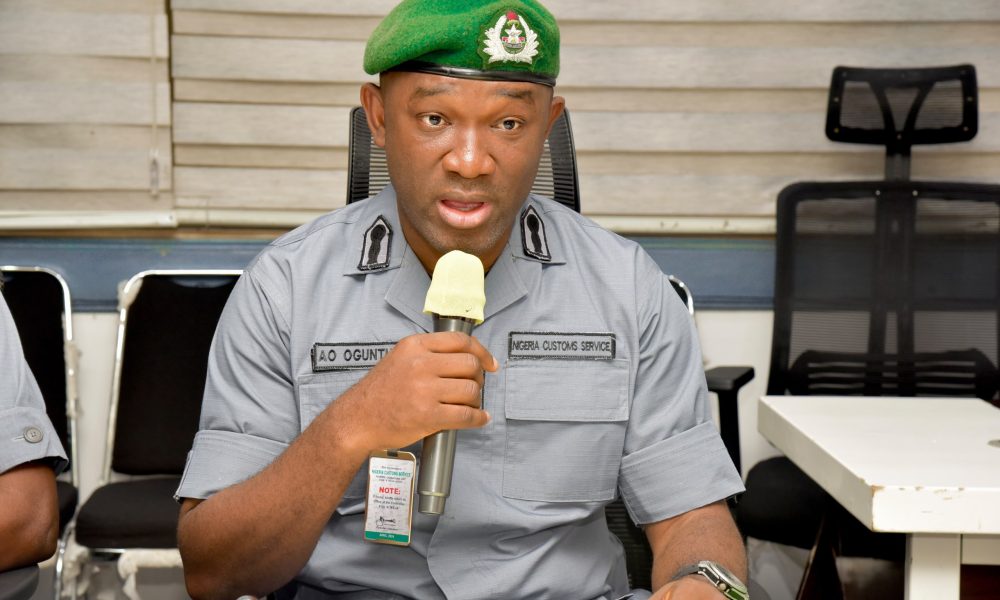

BY FUNMI ALUKO The Nigeria Customs Service (NCS), Federal Operations Unit (FOU) Zone ‘A’, has handed over seized pharmaceutical products and illicit drugs with a total...

…Continued from Wednesday, October 12, 2026 A final catch in the policy reset task is to build the Nigerian maritime conglomerate. Perhaps our biggest strategic failure...
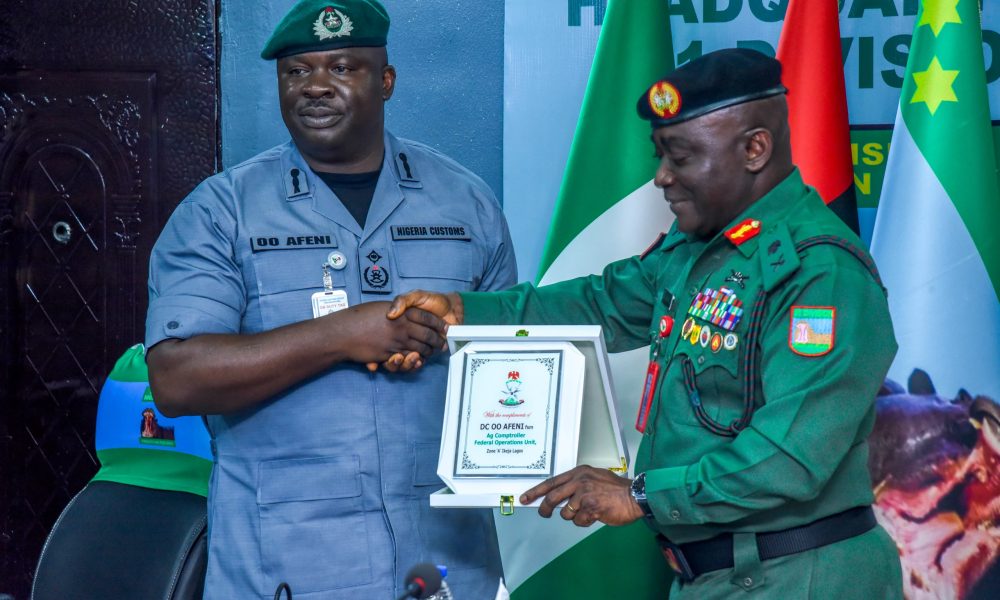
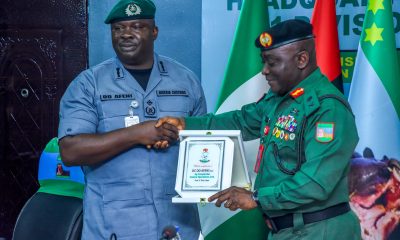

…As Afeni Seeks Intelligence Sharing, Joint Operations To Curb Smuggling, Trans-Border Crimes BY FUNMI ALUKO The Acting Comptroller of the Nigeria Customs Service (NCS), Federal...


Continues from yesterday… The recent concerns in Nigeria’s port economy over allegations of massive foreign takeover in the midst of an apparent regulatory law, all...
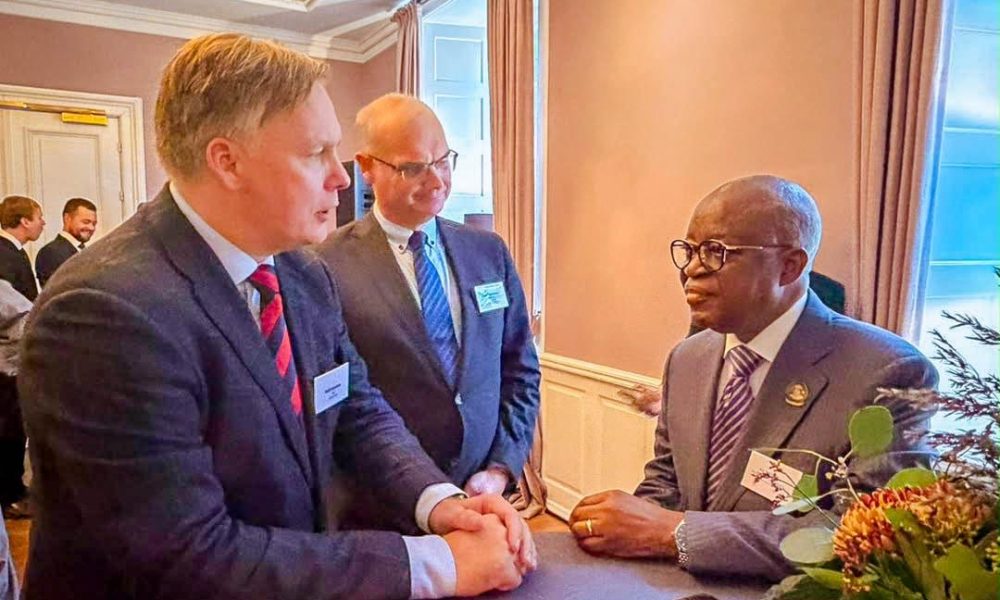

SILHOUTTE Recent concerns in Nigeria’s port economy over allegations of massive foreign takeover in the midst of an apparent regulatory lax, all resulting from a somewhat...
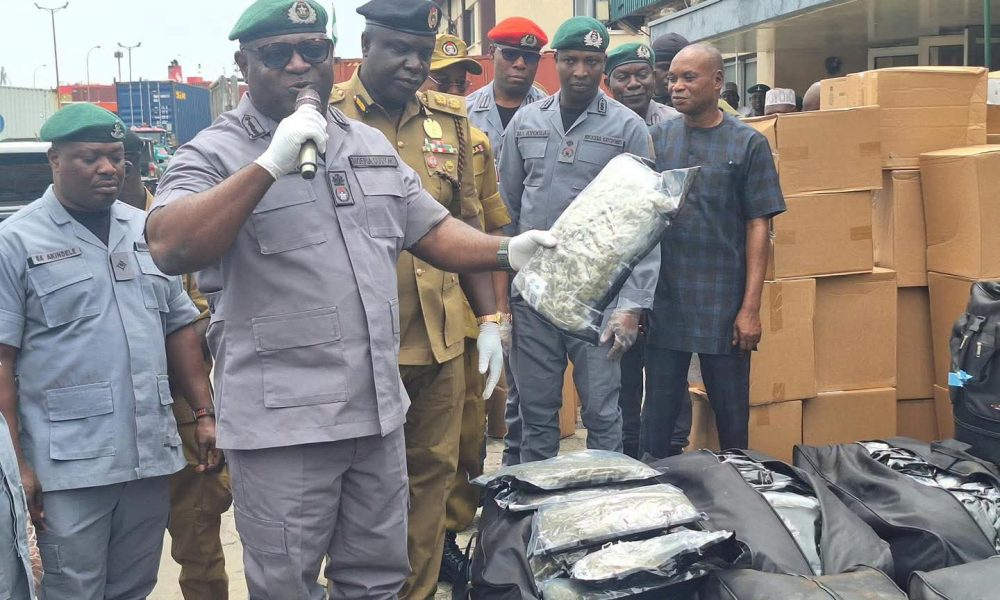
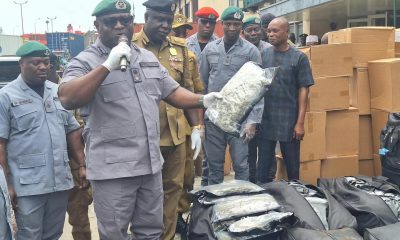

BY EGUONO ODJEGBA Beneath the steady hum of cranes and the endless shuffle of containers at the Lagos’s Tin Can Island Port, a sophisticated game of...
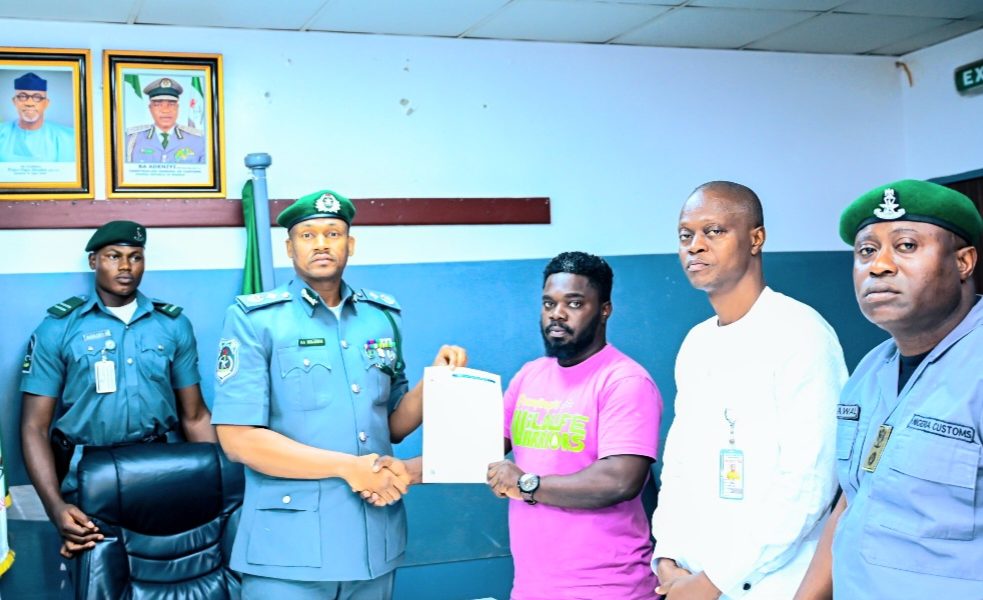

…Intercepts Live Pangolins in Early Operational Breakthrough FUNMI ALUKO Barely days after assuming leadership of the Ogun I Area Command of the Nigeria Customs Service (NCS),...