Analysis
Concerns About NRC and Opeifa’s Promise of a New Direction

BY EGUONO ODJEGBA
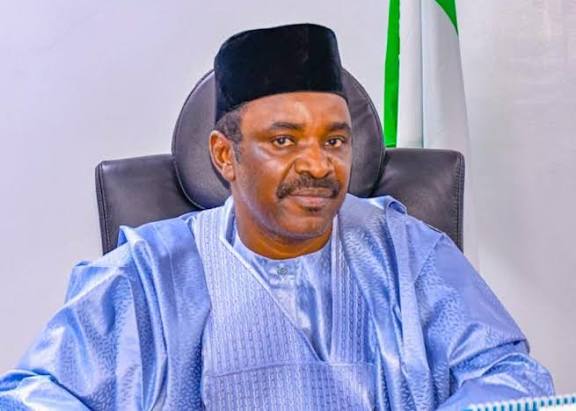
Said Alkali, Transportation Minister
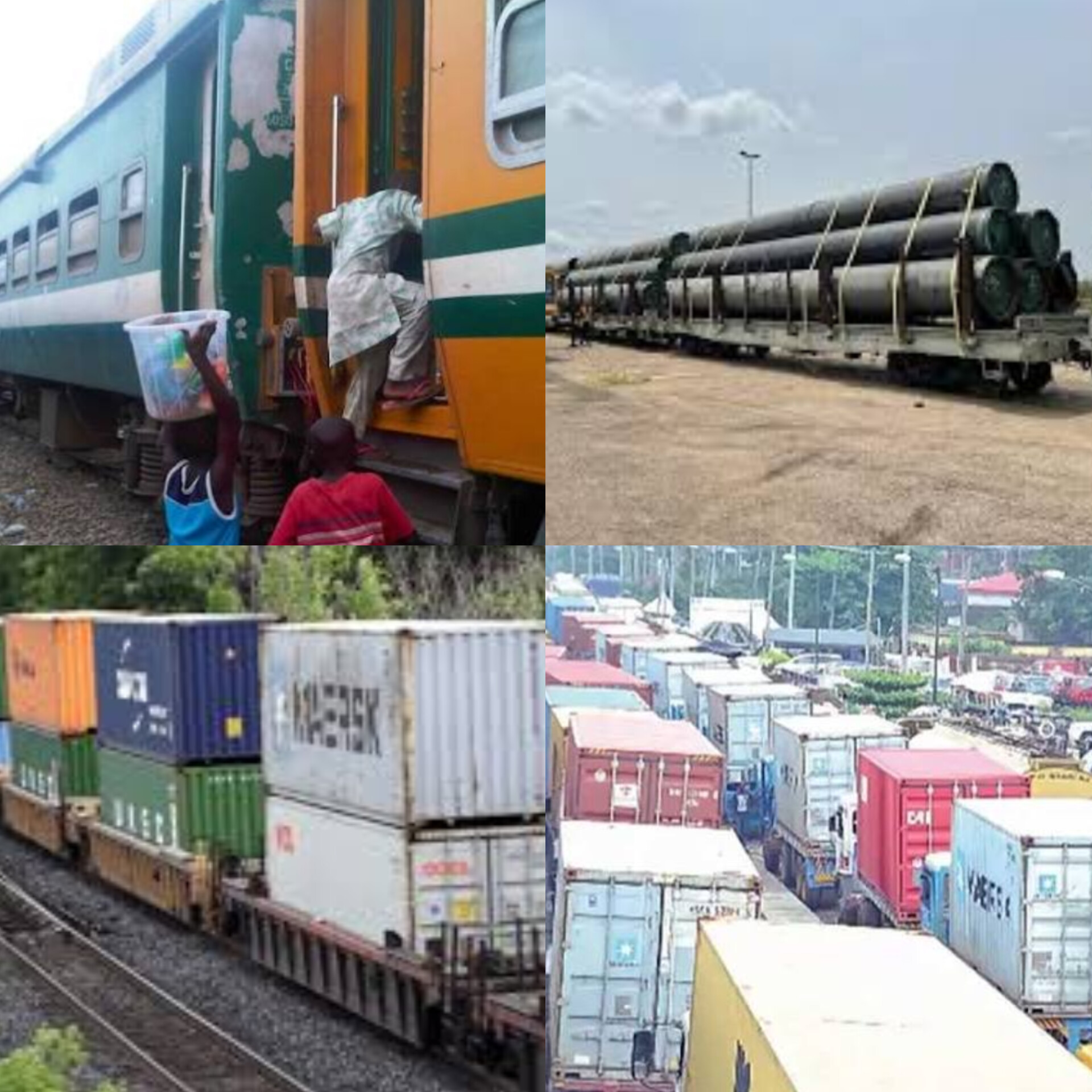
Dr. Kayode Opeifa’s tenure as Managing Director of the Nigerian Railway Corporation (NRC) has been marked by bold pronouncements and ambitious targets. His recent emphasis on LNG-powered trains, expansion to 10,000 km of tracks, and private sector participation reflects a forward-looking vision. More so, his claim that the NRC is among the top 10 contributors to Nigeria’s GDP in 2025 underscores the sector’s latent potential.
The NRC boss while addressing the press last week said the corporation came tops among revenue generating Federal MDAs that is contributing to the growth of the nation’s GDP.
This is even as he listed vandalism, washouts and poor funding as the biggest challenge of the corporation in 2025, insisting that though the Federal Government has been very magnanimous in giving the NRC more than it generates, yet, more funding, he said is needed to enable the corporation operate optimally.
Only a focused leadership and one that does not shy away from the actual dynamics that underpins its core enterprise and is willing to integrate all available spheres of support is able to go far in turning things around for the better. Perhaps, a quick tour of the NRC leadership’s insight will provide informed understanding of his dream for the current fiscal year, and beyond.
Strengths of Opeifa’s Position
Innovation: The LNG initiative demonstrates a willingness to embrace cleaner energy and align with national gas policies.
Expansionist Vision: The roadmap to 20,000 km of tracks in 20 years signals long-term planning rarely seen in Nigeria’s transport sector.
Private Sector Engagement: Opening tracks to logistics companies and offering sovereign guarantees is a pragmatic step toward sustainable financing.
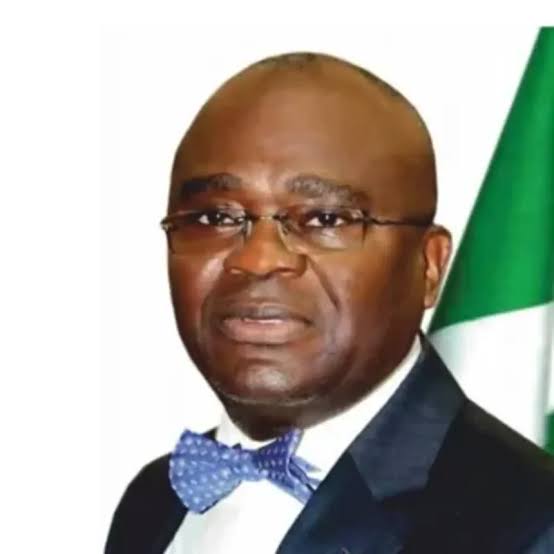
NRC Boss, Opeifa
Confidence Building: By declaring the railway “out of the ICU,” Opeifa has revived investor confidence and repositioned the NRC as a viable economic player.
Critical Gaps and Concerns
Over-ambition vs. Execution: While the targets are laudable, Nigeria’s history of failed rail projects raises questions about feasibility. Let us be clear, without strong institutional capacity, these plans risk becoming aspirational rhetoric.
Funding Realities: Opeifa acknowledges poor funding but underplays the systemic inefficiency and corruption that have historically undermined rail investments. More money without reform may not yield results.
Operational Efficiency: Despite claims of progress, passenger services remain irregular, cargo haulage is minimal compared to trucking, and vandalism continues to cripple routes like Warri–Itakpe; which only recently got reconnected.
Official Dexterity: Before Opeifa’s arrival, the management of NRC often lacked the administrative dexterity to push reforms beyond pilot phases. Opeifa’s LNG demonstration, while promising, remains at concept stage rather than full deployment; and it is sincerely hoped that the Opeifa would break the jinx.
Community Engagement: While his call for community ownership is valid, one cannot but feel a sense of vagueness because without concrete frameworks for local participation, vandalism would likely persist.
Policy Inertia and Unreliable History of Leadership Acquiescence
For decades, Nigeria’s railway system has been treated as an afterthought, effectively sidelined by vested interests that entrenched road haulage as the dominant mode of transport. The result has been a costly dependence on trucks, crumbling highways, and a logistics nightmare that continues to choke industries and commuters alike. Yet, the case for rail reintegration into the national transport plan has never been stronger.
Regime after regime glosses over this apparent policy misdirection and concentrate energy on sub elements tangential to the criticality of a functional railway that should serve as the backbone to Nigeria’s transport sector. Unless this convenient glossing over to please certain entrenched interests, this glaring paranoid to challenge the status quo and the intentional energy concentrated in suboptimal concerns which has become like a political undertaking is confronted and defeated; every other half clever measure will remain nothing but half measures. It is also very worrisome that for so long, the Federal Ministry of Transportation appears to have been asleep; while the nation’s rail system struggles to maintain a semblance of presence.
Opeifa’s Position
While Opeifa’s position reflects optimism, innovation, and a desire to break from the past, nonetheless, the gap between vision and execution judging by the NRC management history remains wide. His leadership will ultimately be judged not by ambitious roadmaps or pilot projects but by tangible improvements in efficiency, affordability, and reliability of rail services.
For Nigeria’s railway to truly “fly,” dexterity in policy execution, transparency in funding, and consistency in service delivery that promotes its leading role must accompany the rhetoric.







NIMASA Unveils National Innovation Hackathon, Open Young Innovators Por

Ogun 1 Customs Intercepts N417m Range Rover

Operator Raises Alarm Over Foreign Control, Cartelisation of Maritime Supply Chain

Tin-Can Customs Generates ₦137.298bn in August

DG NIMASA, Mobereola Reasserts Cabotage Implementation Key To Maritime Development

Tribute to a Colossus: The Eternal Legacy of Alhaji Bamanga Tukur (1935–2026)

Stakeholders To Re-Examine Blue Economy Imperatives

ANLCA@72: From Founders’ Dream to Indispensable Pillar of Nigeria’s Port Economy

ANLCA’s 72nd Anniversary: NECOM Reels Out Programme, Says Peace Worth Celebrating

US Coast Guard, Nigeria and the Politics of a Maritime Victory

Wasiu, Seme ANLCA Chairman Calls for Review of Vehicle Restriction

Seme-Krake: Nigeria, Benin Launch Joint Assessment to Revive One-Stop Border Post
ANLCA Board is intact, cannot be wished away by anybody’-Elochukwu

B-R-E-A-K-I-N-G: Effedua, Rector MAN Oron, Resigns

EFCC’s Probe: Okowa Plots Sheriff’s Removal Despite London Accord
Customs Trains ANLCA Members, Others on B’Odogwu Portal

NPA’s Alleged Executive Management Fight: The Half Truth & Truth
ANLCA Board Election: Know Your Candidates
‘Why We Launched B-Odogwu Pilot Scheme With Webb Fontaine Still Running’ – Adeniyi

Onyemekara Promoted GM, Appointed NPA’s New Spokesperson

Nigeria Customs: Trust, Competence And The Oramalugo Factor

‘Rush To Break News Can Lead To Brush With Cybercrime’- Police

Kebbi Is Hub of Hard Drugs Smuggling In Northern Region’ – Oramalugo

‘Our Trade Security Is More Protected Under B’Odogwu’ – Daniyan