Customs Report
Nigeria, Niger Customs To Unlock Transit Bottlenecks, Strengthen Border Security

BY FUNMI ALUKO
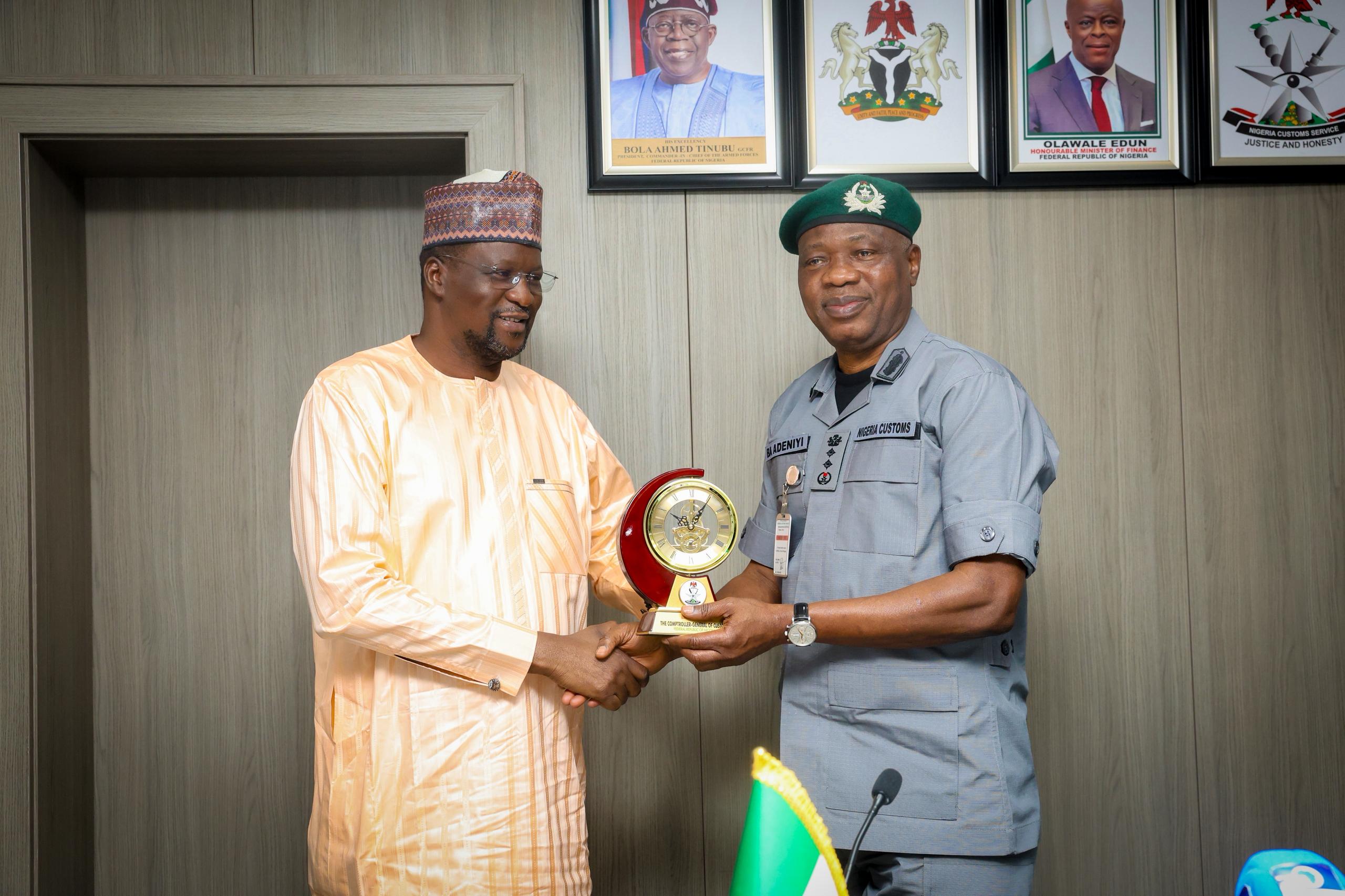
The Comptroller General of Customs (CGC), Adewale Adeniyi, has disclosed that President Bola Tinubu, Commander-in-Chief of the Armed Forces, has approved the provision of safe corridors and safe passage to ease the movement of loaded trucks awaiting clearance to the Republic of Niger, as part of efforts to unlock transit bottlenecks and strengthen cross-border trade.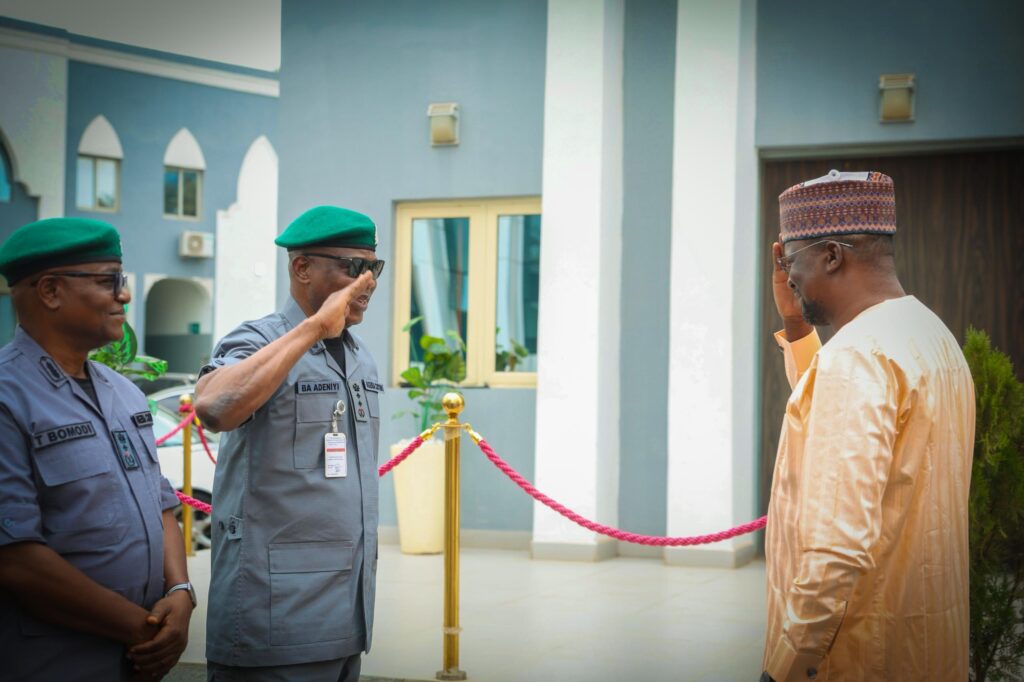
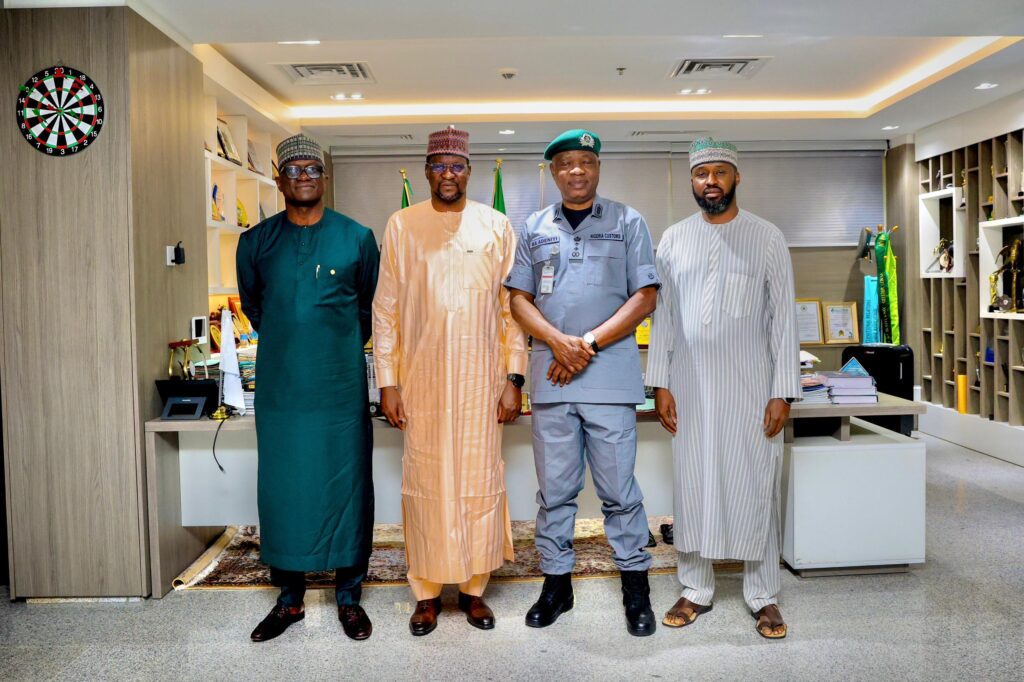
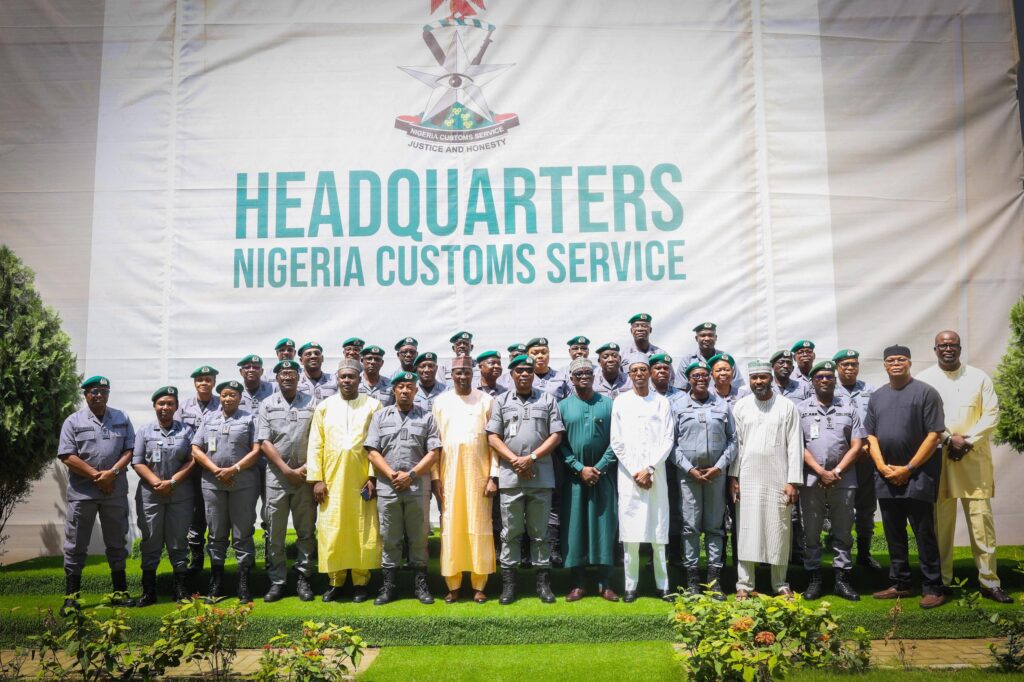
According to a statement by the Customs Spokesman, Deputy Comptroller Abdullahi Maiwada, CGC Adeniyi made this known on Friday, 6 February 2026, during a high-level bilateral meeting between the Nigeria Customs Service (NCS) and the Niger Republic Customs Administration, led by its Director-General, Muhammadu Yaqouba, at the Customs House, Maitama, Abuja.
He explained that the initiative aims to facilitate the movement of transit cargo, particularly goods from Apapa ports and Nigerian airports, destined for neighbouring countries, while ensuring that national security and economic interests are not compromised.
Adeniyi assured that such cargoes would continue to be processed and moved within 48 hours, adding that strict measures have been put in place to prevent diversion of transit goods, with stiff sanctions awaiting economic operators who violate transit regulations.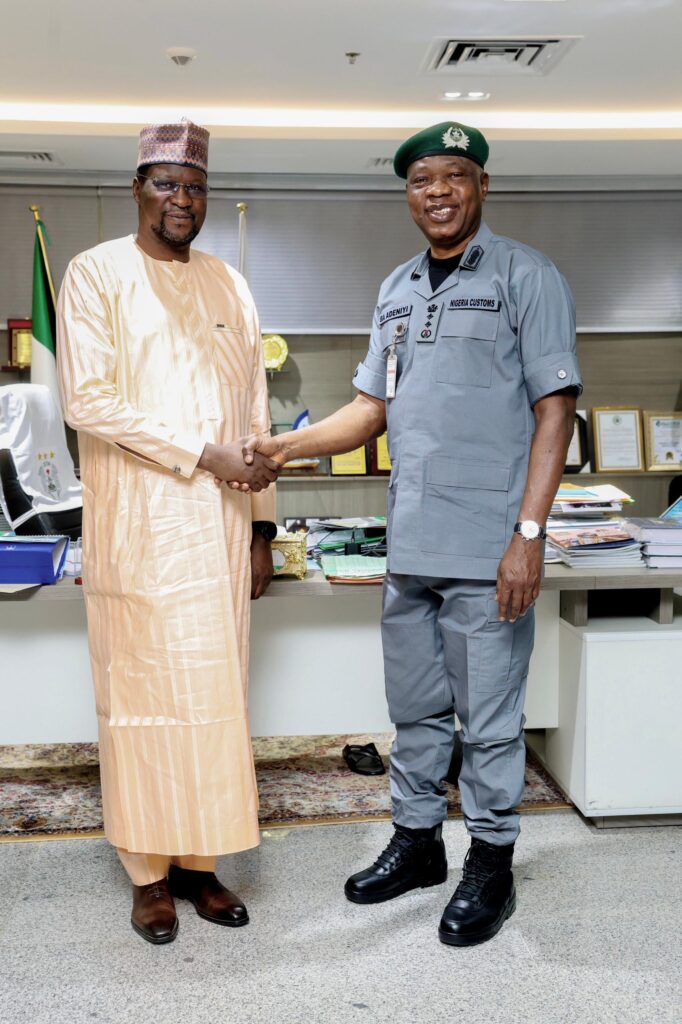
According to him, non-compliance by a few operators creates non-tariff barriers and undermines trust, stressing that the Service is determined to streamline documentation and remove avoidable bottlenecks along major corridors such as Illela–Sokoto–Kamba–Niger Republic, as well as routes linking Apapa ports and airports to neighbouring countries.
CGC Adeniyi congratulated the Director-General of Niger Republic Customs on his appointment, noting that both administrations share a long history of professional collaboration through World Customs Organisation (WCO) platforms and bilateral engagements.
“Cooperation between the two Customs services is shaped not only by shared borders but also by international obligations, particularly Nigeria’s responsibilities under Articles 124 to 132 of the United Nations Convention on the Law of the Sea, which guarantee landlocked countries access to the sea,” he said.
He acknowledged the operational challenges faced by landlocked nations, explaining that dependence on neighbouring ports and infrastructure often increases transaction costs and affects competitiveness.
“The Nigeria Customs Service has, over the years, remained committed to facilitating trade for our landlocked neighbours, including the Republic of Niger. This commitment will be sustained irrespective of political differences, because trade, security and regional stability are interconnected,” he added.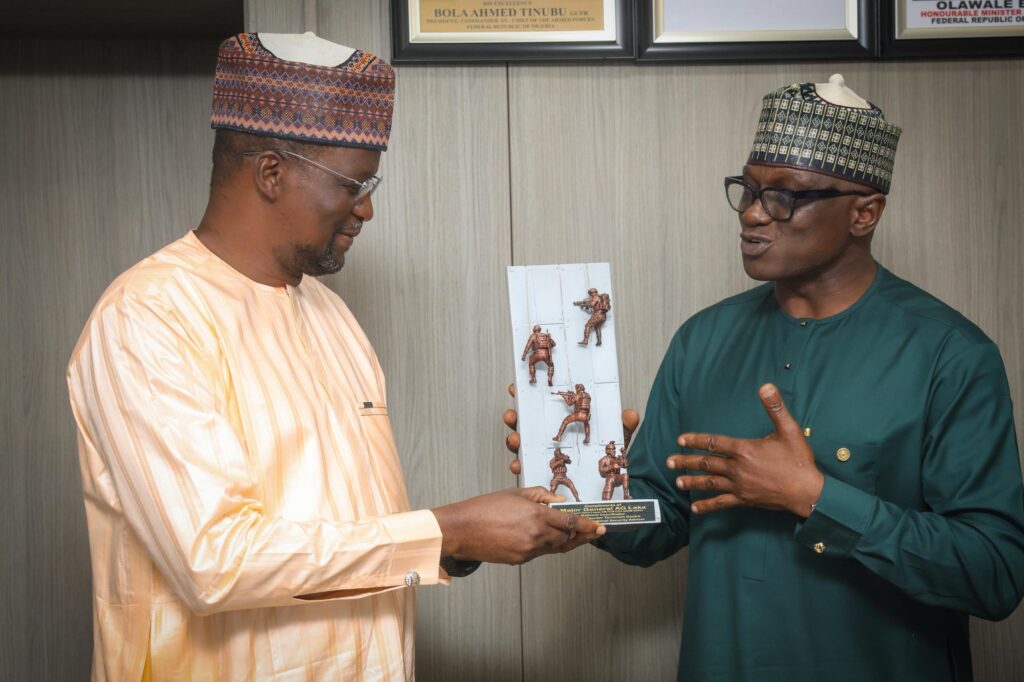
He described the engagement as the beginning of a renewed phase of cooperation, stressing that sustained follow-up actions would help redefine operational modalities, reduce costs, increase trade volumes and make the corridor more attractive to transport operators.
Earlier, the Director General of the Niger Republic Customs Administration, Muhammadu Yaqouba, described the visit as a working engagement between two professional Customs administrations bound by shared responsibilities.
He thanked the Nigeria Customs Service for the warm reception accorded to him and his delegation, noting that it reflected the longstanding fraternity between both countries and their Customs institutions.
According to him, the visit was necessitated by two significant challenges: the prolonged blockage of trucks transiting from the Republic of Benin to the Niger Republic and prevailing security concerns across the region.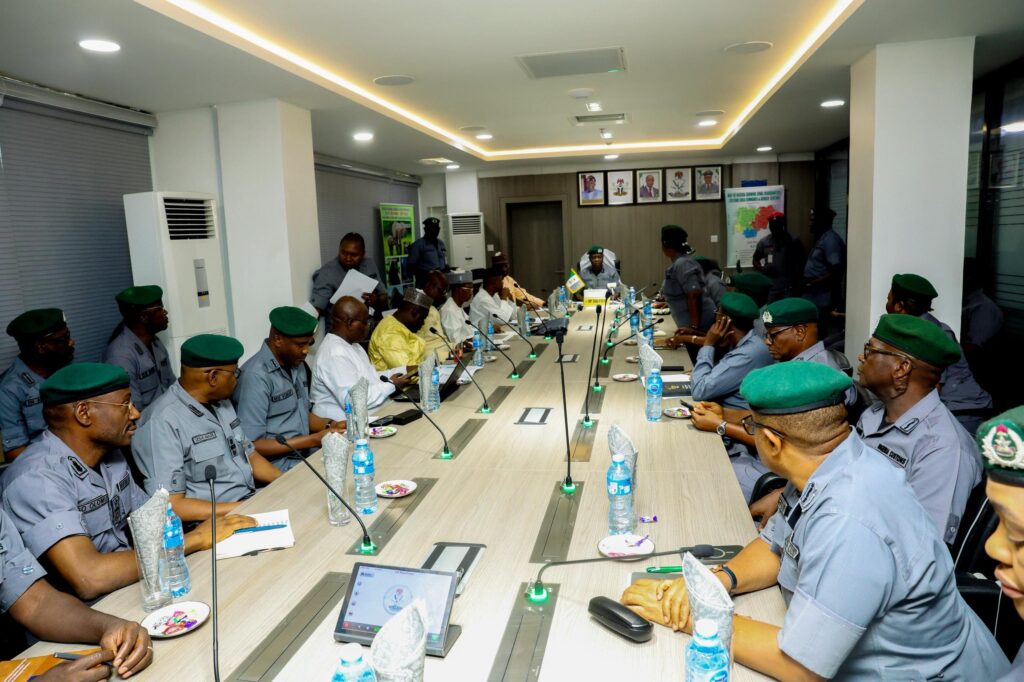
“We face common security challenges, particularly terrorism and banditry, and engagements like this provide an opportunity to find lasting solutions through cooperation and coordination,” DG Yaqouba said.
He disclosed that the Niger Republic has intensified efforts since 2024 to tackle terrorism, including the launch of Operation Saran Kasa, a coordinated initiative involving all national security agencies, which has recorded notable success.
As part of the operation, he said scanners have been deployed to inspect all goods entering the Niger Republic, stressing that Customs administrations play a critical role in combating terrorism, arms trafficking, and cross-border criminality.
Also speaking, the National Coordinator of the National Counter-Terrorism Centre, Office of the National Security Adviser (ONSA), Major-General Garba Laka, congratulated DG Yaqouba on his appointment and extended condolences to the Government and people of Niger over the recent terrorist attack near Niamey Airport.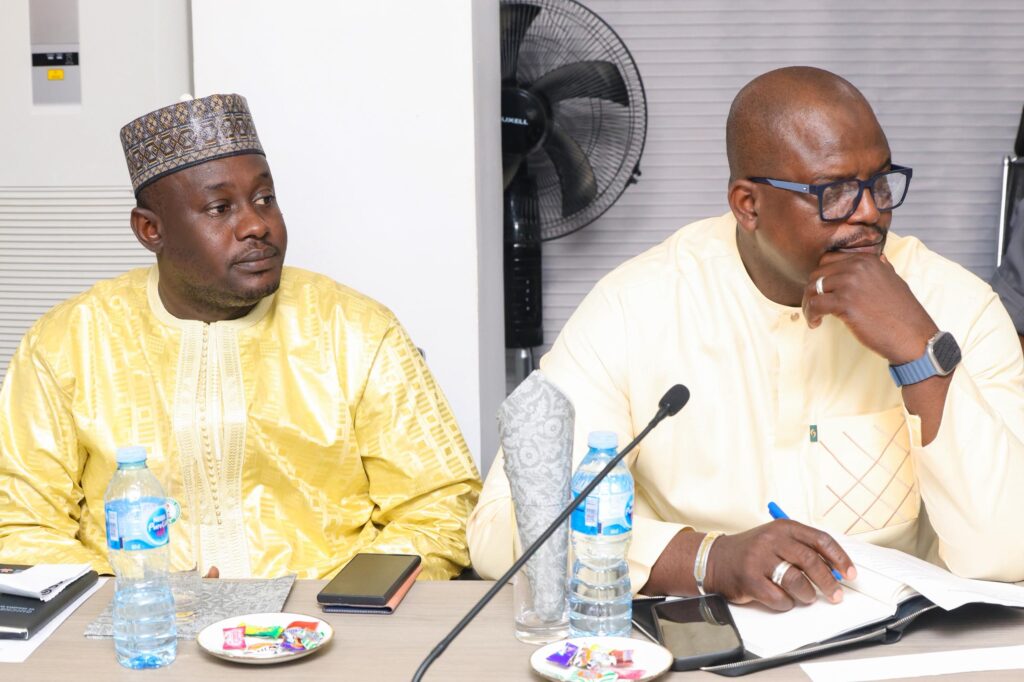
He described the incident as painful, sympathised with the families of the fallen soldiers, and reaffirmed the shared resolve of Nigeria and Niger to prevent a recurrence.
Major-General Laka stressed that Nigeria and Niger share more than borders, describing the two countries as one people with deep historical, cultural and familial ties, particularly in border communities.
“Insecurity in any part of the Sahel affects all of us. Arms trafficking, drug smuggling and the concealment of ammunition in cargo vehicles remain major threats that require coordinated and sustained action,” he said.
He disclosed that the Government of Nigeria places high priority on Niger-related matters, including trade, energy supply and security, noting that requests from Niger, especially on petroleum products and gas, receive prompt attention at the highest level.
The Major-General advocated the revival of bilateral security frameworks, such as cross-border right-of-pursuit arrangements, and called for joint Nigeria–Niger operations and sustained inter-agency collaboration, while expressing confidence that the meeting’s outcomes would translate into concrete actions.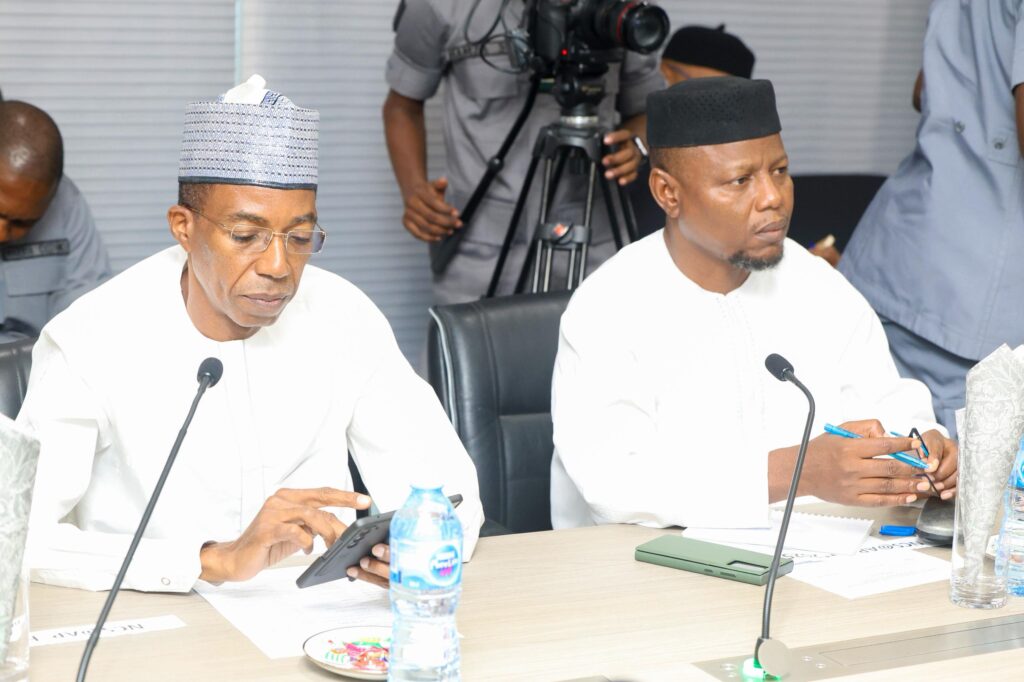





Oyetola Unveils NPERA, Corporate Logo Amid Quiet Enthusiasm

Nigeria, Benin Urged to Deploy Culture and Traditional Diplomacy to Defuse Border Tensions

Nigeria’s Ports: How Foreign Capital Took the Dinner, While Indigenous Businesses Got the Crumbs (3)

FOU Zone A, Police, Army, DSS, Others Strengthen Security Alliance Ahead of Elections

Nigeria’s Ports: How Foreign Capital Took the Dinner, While Indigenous Businesses Got the Crumbs (2)

Former Senatorial Candidate, Hajia Nike AbdulRahman Dumps NDC, Defects to APC

Nigeria’s Ports: How Foreign Capital Took the Dinner, While Indigenous Businesses Got the Crumbs

How Anani’s Tin Can Command Intercepted a ₦3.6 Billion Illicit Drug Shipment

Ibrahim, Ogun 1 Customs New Sheriff Unveils Strength Beneath His Quiet Mien

Logistics Synergy: NPA Advances Integration of ICDs Under New Reform Agenda

Teamwork, Discipline, Central to Our Enforcement Mandate —Jonah Charges Customs Marine Operatives

How the UAE-Nigeria Partnership Can Transform Our Ports
ANLCA Board is intact, cannot be wished away by anybody’-Elochukwu

B-R-E-A-K-I-N-G: Effedua, Rector MAN Oron, Resigns

EFCC’s Probe: Okowa Plots Sheriff’s Removal Despite London Accord
Customs Trains ANLCA Members, Others on B’Odogwu Portal

NPA’s Alleged Executive Management Fight: The Half Truth & Truth
ANLCA Board Election: Know Your Candidates
‘Why We Launched B-Odogwu Pilot Scheme With Webb Fontaine Still Running’ – Adeniyi

Onyemekara Promoted GM, Appointed NPA’s New Spokesperson

Nigeria Customs: Trust, Competence And The Oramalugo Factor

‘Rush To Break News Can Lead To Brush With Cybercrime’- Police

Kebbi Is Hub of Hard Drugs Smuggling In Northern Region’ – Oramalugo

Onyeka Makes History As Tin-Can Customs Hit ₦16.4bn A Day