Customs Report
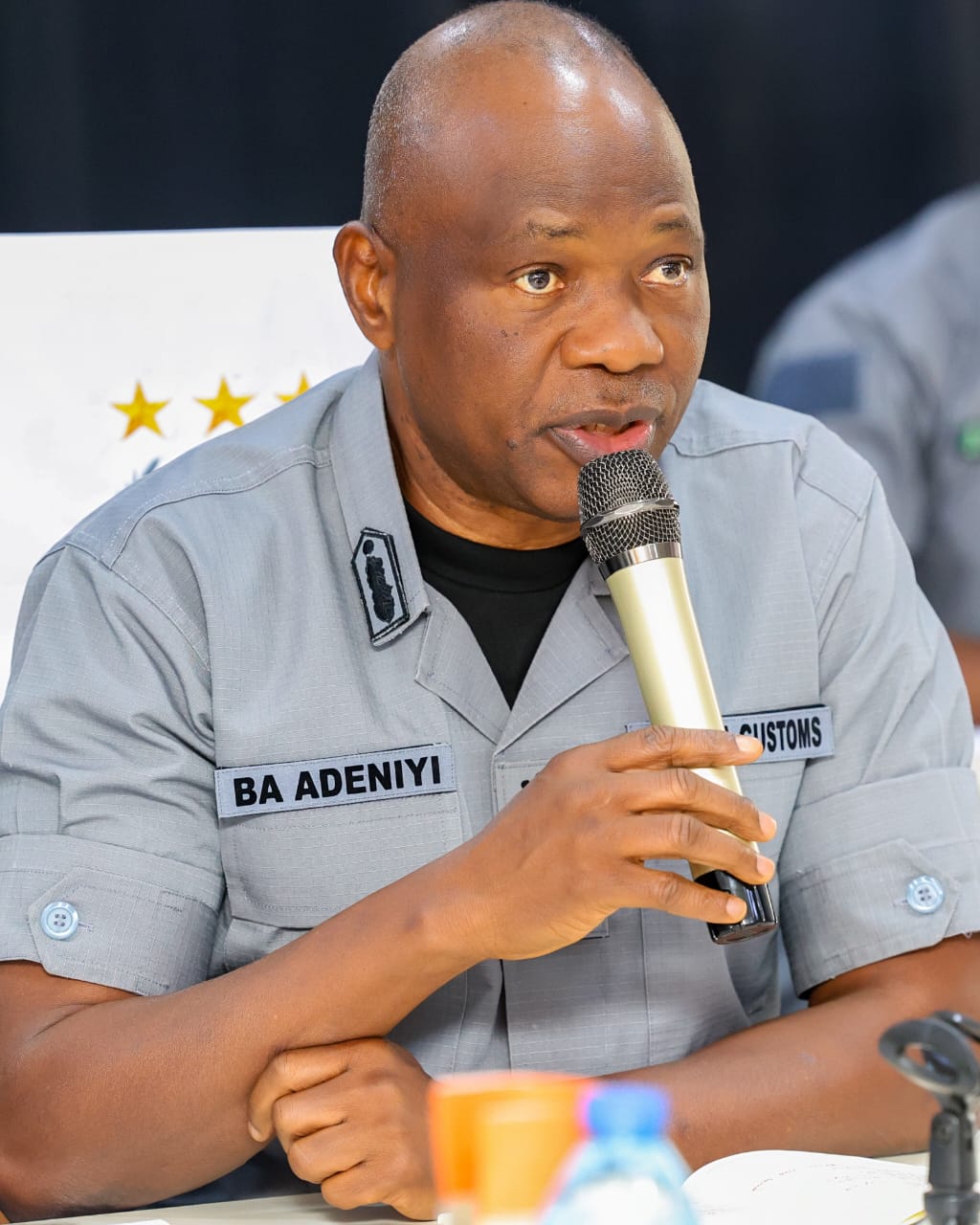
Adeniyi Calls for Stronger Global Collaboration in Border Security

…As Nigeria Customs, TMP Team Showcase Innovation at WCO Conference
BY FUNMI ALUKO
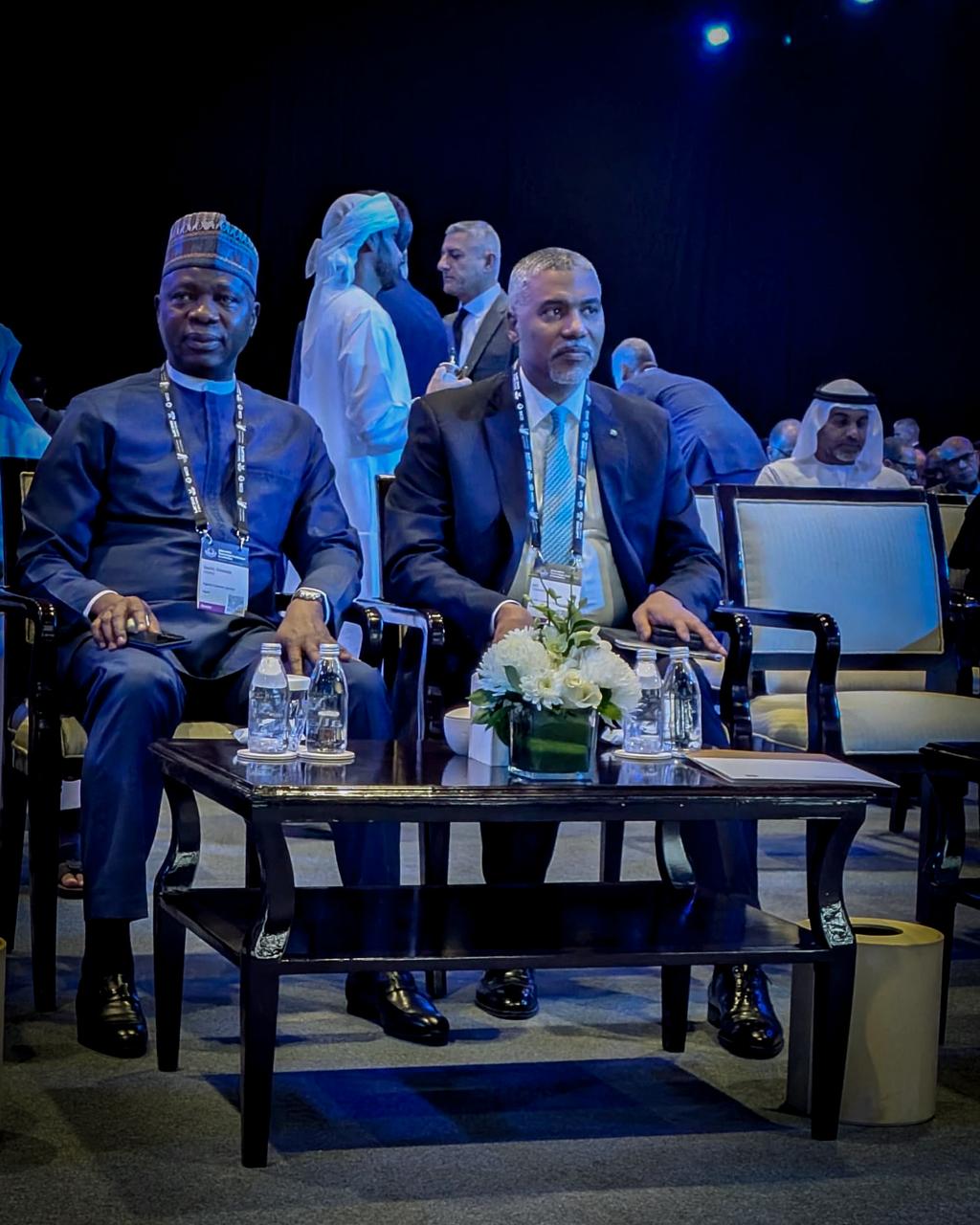
Comptroller General of Customs (CCG), Adewale Adeniyi, has underscored the importance of structured international collaboration in tackling emerging cross-border challenges, as the 2026 (WCO) Technology Conference and Exhibition opened in Abu Dhabi, United Arab Emirates.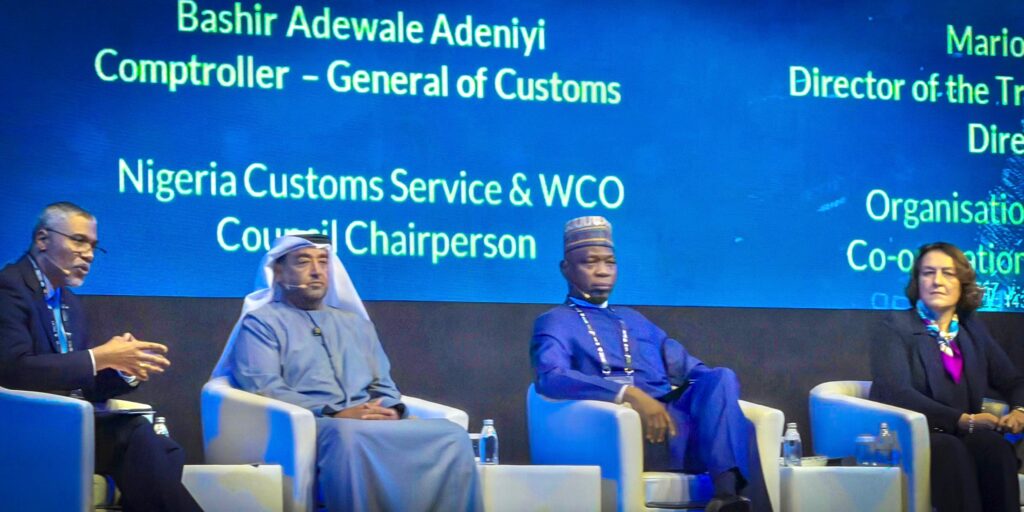
Speaking during a high-level panel session, Adeniyi who also chairs the WCO Council, stressed that Customs administrations must deepen cooperation with global institutions to effectively combat criminal networks, protect intellectual property, and manage evolving trade risks.
“Our experience has shown that robust engagement with international organisations such as INTERPOL, World Intellectual Property Organisation (WIPO) and the Universal Postal Union creates opportunities for deeper cooperation, especially in tracking criminal networks, protecting intellectual property and managing emerging trade risks,” Adeniyi said.
According to a release by the Customs National Public Relations Officer, Deputy Comptroller Abdullahiu Maiwada, the NCS boss highlighted cargo diversion along transit corridors as a pressing global issue, noting that enhanced data exchange and stronger governance frameworks are critical to ensuring goods reach their intended destinations.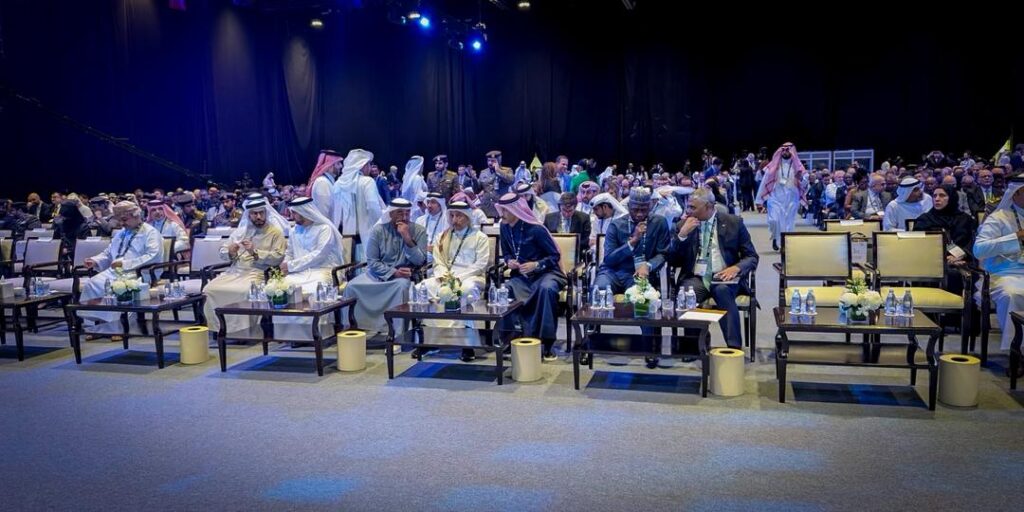
“Diversion of goods in transit is not a challenge unique to Nigeria; it is a global issue that requires coordinated Customs-to-Customs cooperation,” he added.
Adeniyi also commended innovative solutions showcased at the conference, citing a digital humanitarian corridor developed by the UAE as a practical tool to improve the movement of relief consignments. He emphasised that organisational agility in Customs goes beyond deploying systems, requiring the ability to absorb change, respond to risks, and adapt operational approaches.
The CGC further stressed that sustainable modernisation must be anchored on human capital renewal, as Customs administrations worldwide face generational transitions. “Building the skills and capacity of the next generation of officers is critical to maximising the benefits of technology and sustaining long-term institutional effectiveness,” he noted.
Nigeria’s delegation, led by the Nigeria Customs Service (NCS) and the Trade Modernisation Project (TMP) team, actively engaged in multiple sessions. TMP General Manager Ahmed Ogunsola joined a panel on cloud computing and data analytics, while software development lead, Nabil Mustapha, delivered a tech talk on secure architectures, seamless user experience, and beneficial outcomes in national trade systems.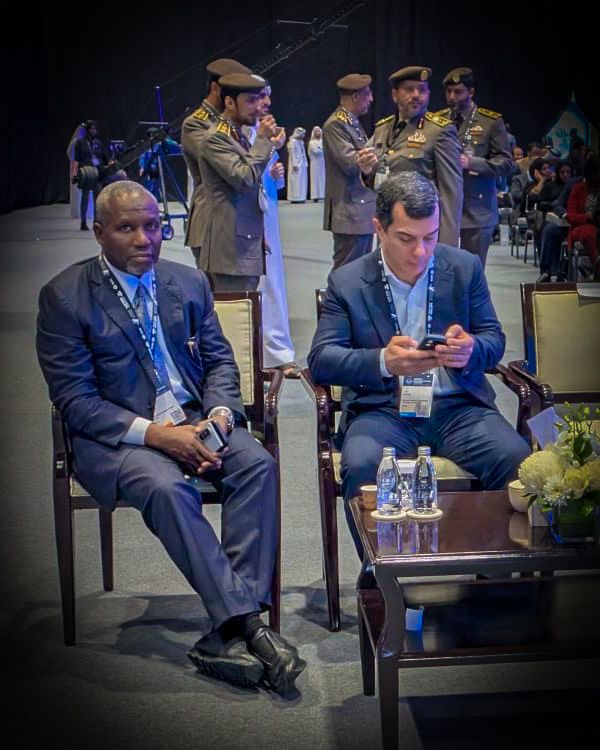
At the exhibition, TMP showcased indigenous innovations, including the B’odogwu application, designed to integrate stakeholders across the trade ecosystem and ease Customs operations. The team also participated in the conference’s Hackathon, collaborating with global experts to co-create solutions for emerging border challenges—demonstrating Nigeria’s growing role as a contributor to global Customs technology.
The three-day conference, themed “Customs Agility in a Complex World: Securing and Facilitating Trade through Innovation,” features panel discussions, case studies, and live demonstrations on risk management, cybersecurity, e-commerce, cloud computing, and sustainable Customs operations.
By reaffirming its commitment to technology-driven border management and international cooperation, the Nigeria Customs Service positions itself as a key player in shaping the future of global trade facilitation.







SEREC Congratulates Prince Olayiwola Shittu on UN-POLAC Appointment

The $1.1 Billion Anchor: Why We Cannot Abandon Our Gateway Ports – The CVFF and the New Shipping Line (Part 2)

NASS Rules ‘Tantita Providing Critical National Assignment’

ANLCA vs Nigeria Police Force: MMAC Secretariat Crisis Deepens

Nigeria’s $748m UK Port Infrastructure Loan: Many Questions Begging for Answer

President Tinubu’s Borrowing Binge Amid Rising Revenues and Elite Excesses
Prince Olayiwola Shittu: A Glimpse Into His ‘International Peace Advocate’ Appointment

NRS, Customs, PEBEC Visit NSW Office Apapa

Customs Boss Adeniyi Announces Relocation of FOU Zone ‘A’ Office

The $1.1 Billion Anchor: Why We Cannot Abandon Our Gateway Ports –

Again, FG Assures On Disbursement of CVFF

President Tinubu Commissions Iperu ₦73b Ultra-modern Customs FOU Zone ‘A’ Office
ANLCA Board is intact, cannot be wished away by anybody’-Elochukwu

B-R-E-A-K-I-N-G: Effedua, Rector MAN Oron, Resigns

EFCC’s Probe: Okowa Plots Sheriff’s Removal Despite London Accord
Customs Trains ANLCA Members, Others on B’Odogwu Portal

NPA’s Alleged Executive Management Fight: The Half Truth & Truth
ANLCA Board Election: Know Your Candidates
‘Why We Launched B-Odogwu Pilot Scheme With Webb Fontaine Still Running’ – Adeniyi

Nigeria Customs: Trust, Competence And The Oramalugo Factor

Onyemekara Promoted GM, Appointed NPA’s New Spokesperson

‘Rush To Break News Can Lead To Brush With Cybercrime’- Police

Kebbi Is Hub of Hard Drugs Smuggling In Northern Region’ – Oramalugo

Maritime Industry At 64: Oyetola Versus Oyetola