Analysis
Special Report: The Long Journey to Securing Nigerian Ports’ Repairs Loan (2)

BY EGUONO ODJEGBA
On Tuesday, we started the series how Nigeria secured a UK backed loan to repair its ports after four years of stalled negotiations. As everyone is probably already aware by now, the deal provides much needed financing but exposes the country’s continued reliance on external creditors for critical infrastructure.
Expectedly, while government officials, their cronies and foot soldiers have been singing and jubilating, saying that the deal directly confronts the revival of the port economy. Nonetheless, industry observers note that Nigeria had other, more beneficial options. One of such options is Public Private Partnerships (PPP) that could have brought in global port operators under concession agreements, spreading risk and improving efficiency. Another is infrastructure bonds targeted at pension funds and diaspora investors that could have mobilized domestic capital. Still, the Sovereign Wealth Fund could have been used to channel oil revenues into port rehabilitation without adding debt.
Those whose business it is to know say regional financing was also possible, such as the African Development Bank which offers concessional loans for trade infrastructure. ECOWAS could have shared costs, since Nigerian ports serve as gateways for West Africa. It is instructive to note that South–South partners such as China, India, and Brazil often provide flexible repayment terms and technology transfer.
The steel component of the UK deal has drawn sharp criticism. Nigeria will import £70 million worth of British steel. Analysts argue the project could have been tied to reviving Ajaokuta Steel. That would have created thousands of jobs, stimulated mining and fabrication industries, and reduced foreign exchange outflows. A coordinated industrial policy could have ensured that port rehabilitation became a catalyst for domestic industry rather than a channel for foreign suppliers.
Whether we are willing to admit it or not, the UK structured the loan to protect its industries and jobs. Apparently, Nigeria failed to insist on local content. A requirement that 30 percent of steel be sourced domestically could have refurbished ports and revived Ajaokuta simultaneously, creating a multiplier effect across the economy.
The lessons are clear. Loans should be tied to industrial revival, not just infrastructure delivery. Transparency on interest rates and repayment terms is essential to build public trust. Ports are regional assets and financing should reflect shared benefits. Major projects must stimulate domestic industries.
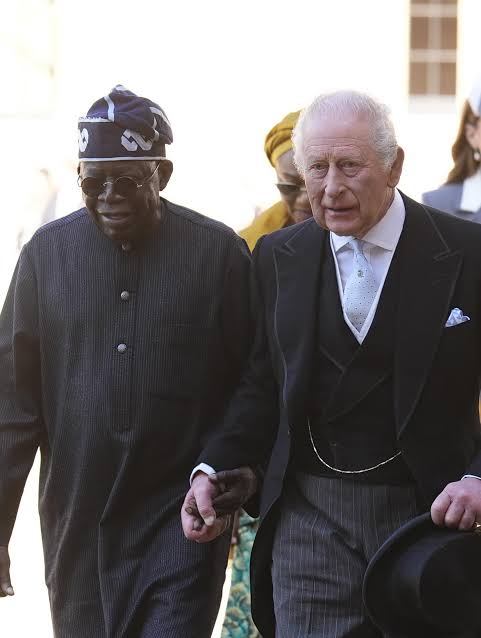
Unarguably, while President Tinubu’s deal broke the deadlock, it nonetheless reinforced dependency. Economist and experts know that without strategic financing, regional cooperation, and industrial linkages, Nigeria risks turning loans into liabilities instead of engines of growth.


Simplified Trade Regime: Nigeria Customs Engages AfCFTA Secretariat

The ‘License to Lie: How Nigeria’s New Electoral Act Shields the Forger

CGC Adeniyi Leads Historic WCO Enforcement Dialogue

Special Report: The Long Journey to Securing Nigerian Ports’ Repairs Loan (2)
The Long Road to Nigeria’s £746m Ports Loan (1)

Alhaji Ahmad Wanka Steals The Show At The Bauchi Sallah Celebration

PORT MODERNIZATION: Repairing The Leaking Bucket of Nigeria’s Trade

Sanwo-Olu, Ministers, Key Stakeholders Set for GTP Multimodal Roundtable

Freight Forwarders Fault NSC Over Shipping Charges Hike, Issue Ultimatum

ANLCA Board Felicitates Oduntan As He Marks 60

Prince Oduntan Bask Industry Euphoria At 60th Birthday Celebration

Alma Mater Honours DG NIMASA, Mobereola
ANLCA Board is intact, cannot be wished away by anybody’-Elochukwu

B-R-E-A-K-I-N-G: Effedua, Rector MAN Oron, Resigns

EFCC’s Probe: Okowa Plots Sheriff’s Removal Despite London Accord
Customs Trains ANLCA Members, Others on B’Odogwu Portal

NPA’s Alleged Executive Management Fight: The Half Truth & Truth
ANLCA Board Election: Know Your Candidates
‘Why We Launched B-Odogwu Pilot Scheme With Webb Fontaine Still Running’ – Adeniyi

Onyemekara Promoted GM, Appointed NPA’s New Spokesperson

Nigeria Customs: Trust, Competence And The Oramalugo Factor

‘Rush To Break News Can Lead To Brush With Cybercrime’- Police

Kebbi Is Hub of Hard Drugs Smuggling In Northern Region’ – Oramalugo

Maritime Industry At 64: Oyetola Versus Oyetola