Business Focus
The Long Road to Nigeria’s £746m Ports Loan (1)

BY EGUONO ODJEGBA
Nigeria’s seaports, the lifelines of its trade economy, have been left to decay for decades. Rehabilitation efforts stalled under the weight of opaque financing, political interference, and the misuse of international loans, through what is known in local parlance as the “Nigerian Factor.”
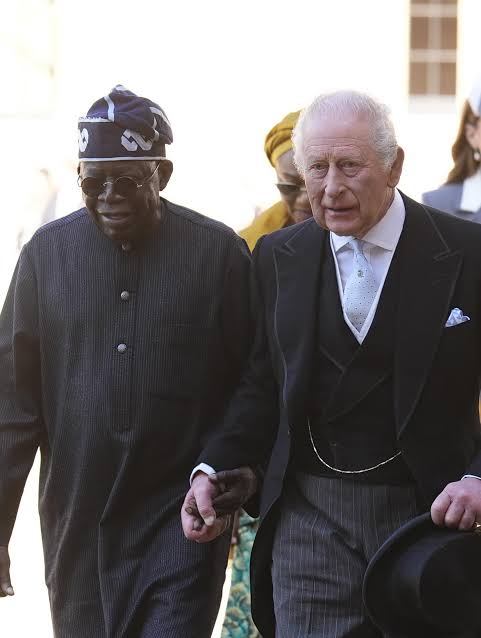
That long impasse broke recently when President Bola Ahmed Tinubu’s state visit to the United Kingdom secured a £746 million loan to overhaul Apapa and Tin Can Island ports in Lagos. Touted as the first such visit by a West African leader in nearly forty years, many observers say that the engagement was more than diplomatic, and bears more heavily on politics and economics. Irrespective, the development has generated quite some fuse, ebbing in discordant tunes.
The Deal
The loan, reportedly guaranteed by UK Export Finance (UKEF), comes with strings attached. At least 20 percent of contracts must go to UK firms. That translates into £236 million in supplier contracts for British companies, including £70 million earmarked for British Steel: unarguably, the largest UKEF-backed export in its history. For Nigeria, the promise is refurbished ports. For Britain, the guarantee is jobs, industrial stability, and export revenue.
Critique
Analysts see two realities. Structurally, the loan is a classic case of tied aid: Nigeria borrows, but much of the money cycles back into the lender’s economy. The interest rate remains undisclosed, raising questions about repayment sustainability. Symbolically, Britain celebrated the deal as a win for its industries, while Nigeria’s leaders offered little clarity on how the loan would stimulate local employment or revive dormant assets like Ajaokuta Steel. The optics loudly demonstrated in a lavish receptions at Windsor Castle and cultural showcases, masked the absence of a Nigerian-centered narrative. At home, citizens still grapple with rising fuel costs, unreliable electricity, and weak consumer protection.
The Balance
There are positives. Ports are critical infrastructure, and their rehabilitation could ease congestion, reduce trade costs, and improve Nigeria’s competitiveness. Securing financing after years of deadlock is progress. Yet concerns remain: the loan’s conditions tilt heavily toward UK industries, limiting Nigeria’s multiplier effect. The lack of transparency on repayment terms risks future debt distress. And without a broader industrial policy to link port rehabilitation to domestic job creation, Nigeria misses an opportunity to leverage its own steel industry.
History
There is no doubt that the planned port rehabilitation has suffered not just mere operational setbacks but inclusive of official and administrative dilemmas; often times quite unwarranted and driven by narrow and even scandalous considerations; amounting to not just a national embarrassment but bearing on in unspeakable proportion. This history as part of the process must be told. Not to shame the individuals involved because the majority of those involved in the planning and implementation, whether as politicians, political office holders or appointees have a long time already, proven immune to shame. But we owe it to posterity to identify these individuals and the ignoble roles they played in holding back the nation’s ports development for so long a time.
The Verdict
Tinubu’s UK visit underscores both achievement and asymmetry. Nigeria broke a four-year stalemate to secure financing, but Britain walked away with industrial revival while Nigeria walked away with debt and refurbished ports. Unless Nigeria builds a transparent, locally anchored financing framework, the “Nigerian Factor” will continue to turn opportunities into liabilities




The Long Road to Nigeria’s £746m Ports Loan (1)

Alhaji Ahmad Wanka Steals The Show At The Bauchi Sallah Celebration

PORT MODERNIZATION: Repairing The Leaking Bucket of Nigeria’s Trade

Sanwo-Olu, Ministers, Key Stakeholders Set for GTP Multimodal Roundtable

Freight Forwarders Fault NSC Over Shipping Charges Hike, Issue Ultimatum

ANLCA Board Felicitates Oduntan As He Marks 60

Prince Oduntan Bask Industry Euphoria At 60th Birthday Celebration

Alma Mater Honours DG NIMASA, Mobereola

Turning Borders into Gateways: Controller Afeni’s Testimonial

A Closer Peep At The UK, Nigeria Ports Financing Deal

Nigeria Customs, HMRC Partner To Advance Trade Facilitation, Digital Border Management

Tariff Dispute Grounds Shipping Services in Lagos
ANLCA Board is intact, cannot be wished away by anybody’-Elochukwu

B-R-E-A-K-I-N-G: Effedua, Rector MAN Oron, Resigns

EFCC’s Probe: Okowa Plots Sheriff’s Removal Despite London Accord
Customs Trains ANLCA Members, Others on B’Odogwu Portal

NPA’s Alleged Executive Management Fight: The Half Truth & Truth
ANLCA Board Election: Know Your Candidates
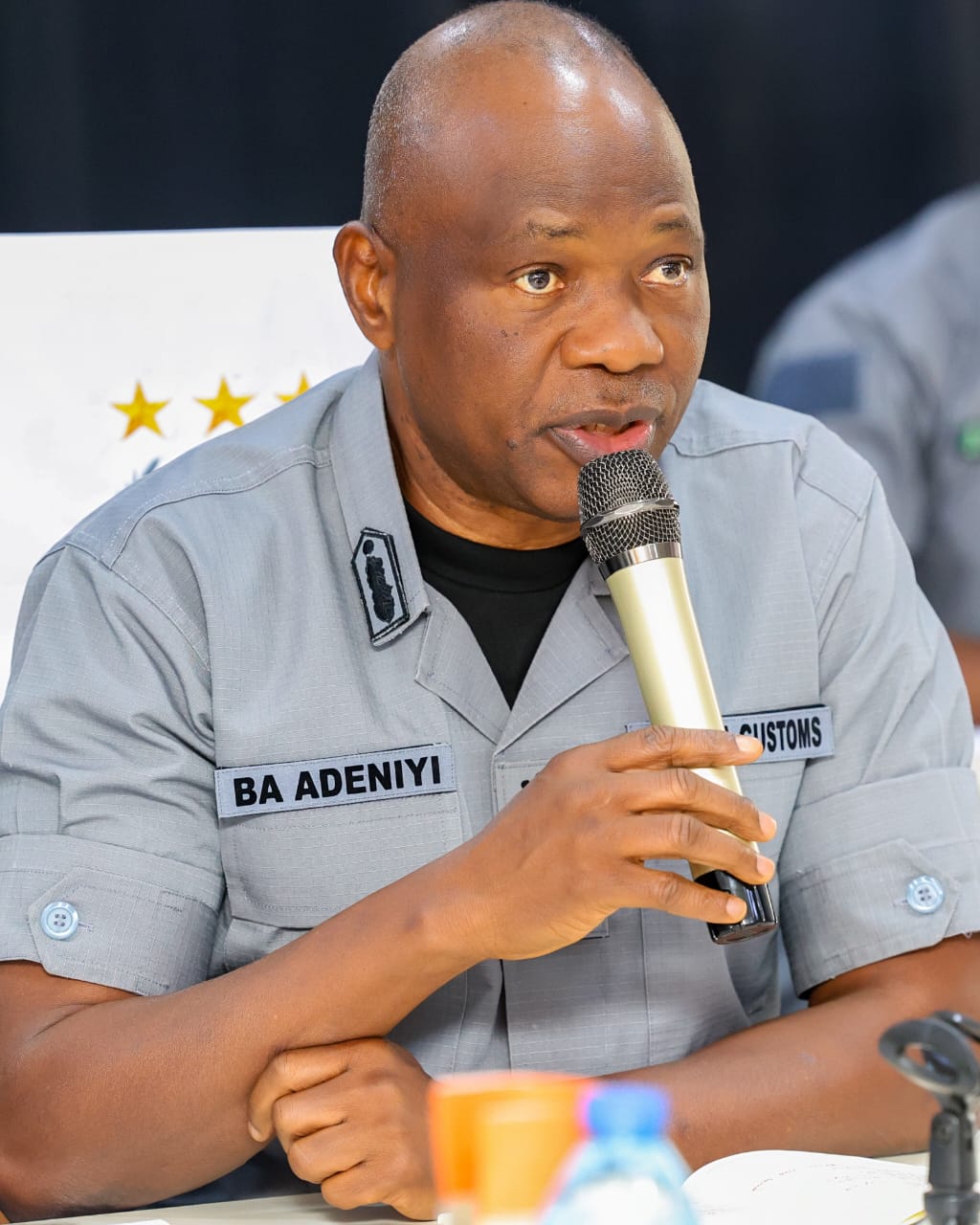
‘Why We Launched B-Odogwu Pilot Scheme With Webb Fontaine Still Running’ – Adeniyi

Onyemekara Promoted GM, Appointed NPA’s New Spokesperson

Nigeria Customs: Trust, Competence And The Oramalugo Factor

‘Rush To Break News Can Lead To Brush With Cybercrime’- Police

Kebbi Is Hub of Hard Drugs Smuggling In Northern Region’ – Oramalugo

Maritime Industry At 64: Oyetola Versus Oyetola