
Business Maritime
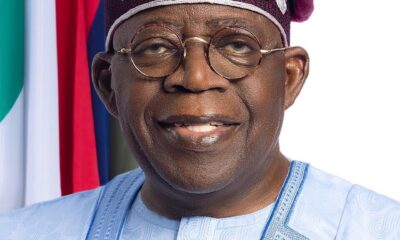
President Tinubu’s Borrowing Binge Amid Rising Revenues and Elite Excesses

BY EGUONO ODJEGBA
The Nigerian government has once again turned to debt as its lifeline, raising eyebrows and deepening public unease over the country’s fiscal trajectory. In a move that underscores the administration’s reliance on borrowing, President Bola Ahmed Tinubu recently secured parliamentary approval to raise the 2026 borrowing plan to a staggering ₦29.2 trillion, an increase of ₦11.31 trillion from earlier projections.
This adjustment, embedded in the newly approved 2026 Appropriation Bill, pushes Nigeria’s fiscal deficit to ₦31.46 trillion, despite projected revenues of ₦36.87 trillion. To say that the paradox is glaring is to put it mildly. While government officials boast of surpluses in revenue generation, expenditure has ballooned to ₦68.32 trillion, leaving borrowing as the default option to bridge the widening gap.
President Bola Ahmed Tinubu justified the expanded borrowing on the back of a $10 per barrel increase in the oil benchmark, expected to generate an additional ₦2.592 trillion. Lawmakers, dominated by the ruling APC, cheered the move, pointing to robust earning instruments – from oil to telecommunications as guarantees of Nigeria’s ability to service and repay its debts.
Those whose business it is to know warn that hinging fiscal stability on volatile oil prices and tariff-driven telecom revenues is a dangerous gamble. Debt servicing alone is projected at ₦15.81 trillion in 2026, nearly half of projected revenues.
The National Assembly’s approval of an additional ₦6.163 trillion in external borrowing, alongside ₦2.05 trillion in project-tied loans and ₦189.16 billion from asset sales, which to all intent and purposes smacks of legislative complacency. This legislative unrestrained romance and parliamentary “rubber stamp” disposition that enables the executive’s borrowing spree continues unhindered, and without rigorous scrutiny of long-term implications remains a major act of disservice to nation building.
What is more, while Nigeria is reduced to a borrower’s status, political appointees flaunt wealth with reckless abandon. Ministers and senior officials indulge in foreign medical tourism, sponsorship of wards in expensive overseas schools, and parade ostentatious lifestyles back home. This is even as official movements are marked by unspeakable wastage, with convoys stretching into unbelievable fleets; needlessly burning fuel plus additional fleet running costs.
Some appointees, like the Power Minister and the FCT Minister, openly boast of their financial wherewithal to live as they please: an arrogance that mocks the sacrifices of ordinary Nigerians. Unarguably, this immoral display of wealth underscores the disconnect between the ruling elite and the realities of a nation drowning in debt.
But let us hurry past and leave the domestic official wastage matter for another day. Nigeria’s debt servicing bill for 2026 alone stands at ₦15.81 trillion. With domestic obligations projected at ₦10.16 trillion and foreign debt service at ₦5.36 trillion, the country risks falling into a debt trap where borrowing is used not for development but to pay off existing obligations.
Capital expenditure is pegged at ₦32.29 trillion, but recurrent non-debt expenditure remains high at ₦15.43 trillion, suggesting that borrowed funds will continue to finance consumption rather than transformative investments.
For many Nigerians, this government’s borrowing, like the one before it reflects a deeper crisis of fiscal credibility. The administration insists debt levels remain “manageable,” but with Nigeria already ranked among Africa’s most indebted nations, skepticism abounds. Fortunately or unfortunately, we have never been short of discerning and critical minds, who have also warned that the country risks mortgaging its future, with successive generations saddled by obligations incurred today.
Tinubu’s borrowing spree may buy short-term relief, but it risks long-term instability. The government’s reliance on debt, despite rising revenues, signals a troubling fiscal philosophy: spend now, borrow later, and hope that oil prices remain favorable.
Meanwhile, the elite’s arrogant display of wealth, funded by public resources, has continued to deepen public resentment. For a nation grappling with poverty, unemployment, and infrastructure deficits, the question is not whether Nigeria can borrow more. It is whether Nigeria can survive the consequences of borrowing under leaders who live as though the nation’s coffers are theirs alone.








Teamwork, Discipline, Central to Our Enforcement Mandate —Jonah Charges Customs Marine Operatives

How the UAE-Nigeria Partnership Can Transform Our Ports

Cross River, FTZ Customs Gets New Impulse

CGC Adeniyi Signs Anti-Corruption Documents, Activates ICRAM Steering Committee

Nigeria Customs Marks Breast Cancer Awareness Month in Abuja

NIMASA To Host Webinars on Automation of Nigerian Ship Registry

NPA Moves To Cut Export Bottlenecks, Targets Forex Inflows

NPA Congratulates ANLCA on 72nd Anniversary, Reaffirms Support for Port Modernisation

Afeni Lands at FOU Zone ‘A’ in Acting Controller Capacity

NPA Mulls Specialised Fishing Port to Deepen Nigeria’s Blue Economy

Industry Stakeholders Applaud ANLCA at 72nd Anniversary Celebration

Port Regulation Critical To Fisheries, Blue Economy – NPERA DG, Akutah
ANLCA Board is intact, cannot be wished away by anybody’-Elochukwu

B-R-E-A-K-I-N-G: Effedua, Rector MAN Oron, Resigns

EFCC’s Probe: Okowa Plots Sheriff’s Removal Despite London Accord
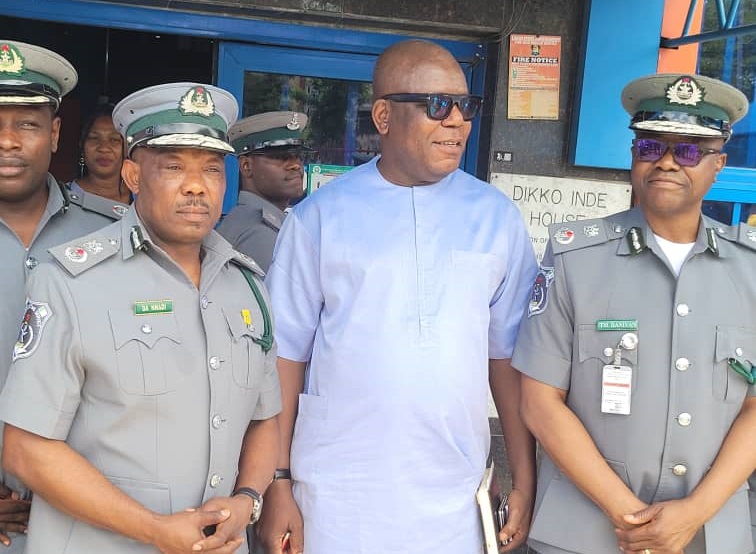
Customs Trains ANLCA Members, Others on B’Odogwu Portal

NPA’s Alleged Executive Management Fight: The Half Truth & Truth
ANLCA Board Election: Know Your Candidates
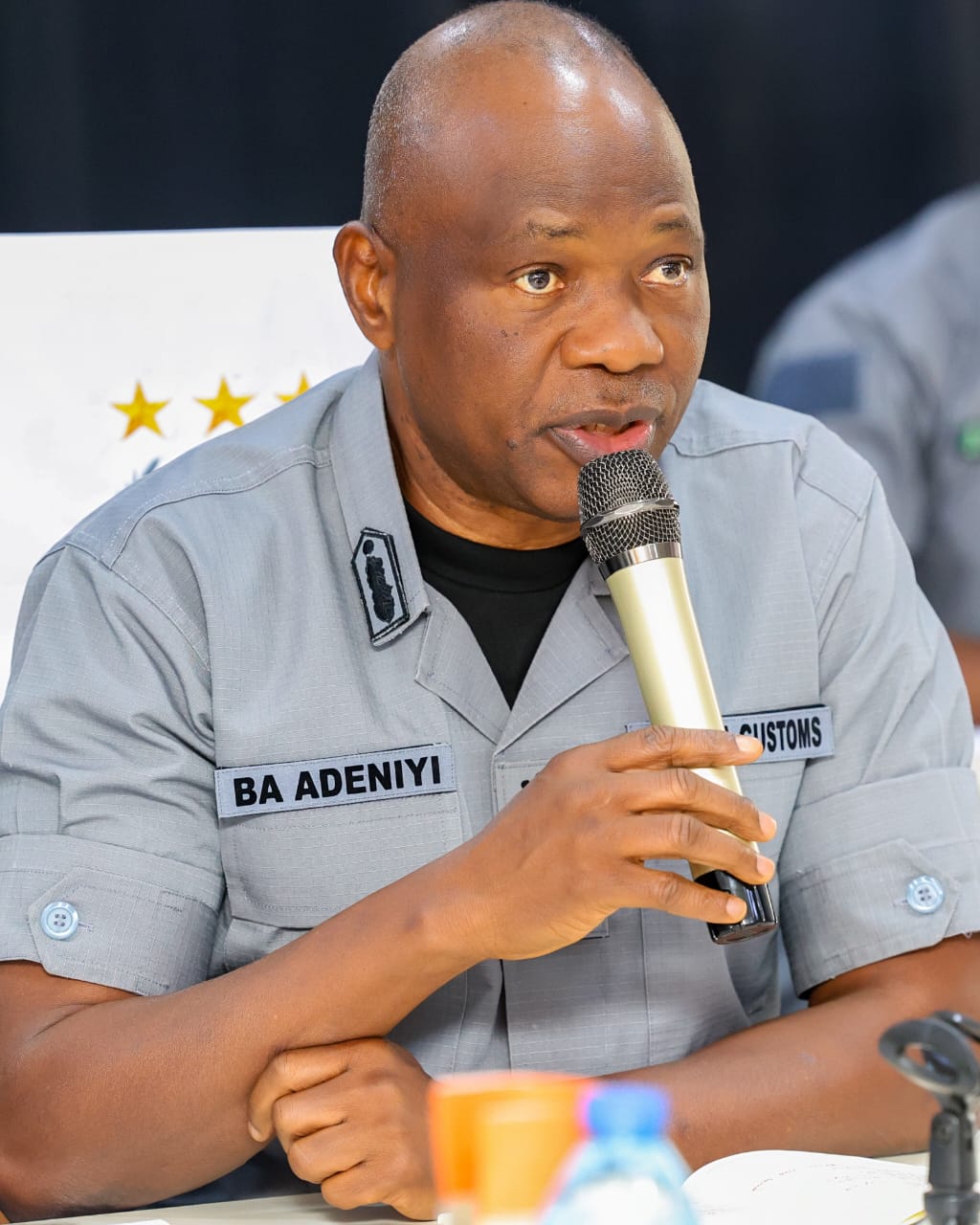
‘Why We Launched B-Odogwu Pilot Scheme With Webb Fontaine Still Running’ – Adeniyi

Onyemekara Promoted GM, Appointed NPA’s New Spokesperson

Nigeria Customs: Trust, Competence And The Oramalugo Factor

‘Rush To Break News Can Lead To Brush With Cybercrime’- Police

Kebbi Is Hub of Hard Drugs Smuggling In Northern Region’ – Oramalugo

Apapa Customs Collects ₦161b On B’Odogwu Platform In 3 Weeks