Analysis
Hormuz on Hold: How Insurers, Not Iran, Froze the World’s Cargo Artery

BY EGUONO ODJEGBA
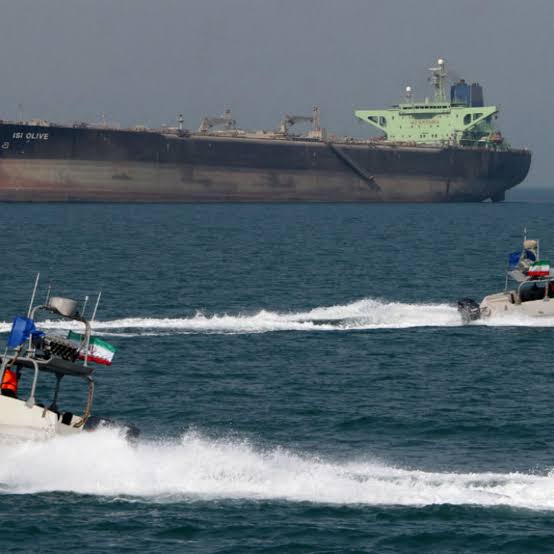
The Strait of Hormuz, the narrow waterway through which a fifth of the world’s oil flows, has once again become the epicenter of global anxiety, following the current standoff between Iran, US-Israel and the Asian geopolitical radius. But unlike past crises where Iranian gunboats or missile threats physically blocked passage, today’s paralysis is financial. Cargo traffic has stalled because the insurance market has pulled the plug.
The Freeze That Stopped the Flow
In late February, global carriers including Maersk, MSC, Hapag Lloyd, and CMA CGM abruptly suspended transits through Hormuz. The trigger was not a direct Iranian order but a sudden freeze in war risk insurance coverage. Without these policies, ships cannot legally or financially sail through waters deemed high risk. Hundreds of vessels are now stranded or rerouted, Gulf ports have shuttered, and freight surcharges are mounting.
Analysts describe the mechanism as brutally simple: Iran created the danger, insurers withdrew coverage, and shipping companies complied. “The Strait isn’t closed by Tehran, it’s closed by Lloyd’s,” one maritime risk consultant quipped.
China’s Pressure, Iran’s Silence
Reports suggest Beijing has pressed Tehran to restrain aggression, mindful of its own dependence on Gulf energy flows. Yet diplomatic pressure has not translated into restored traffic. Iran’s leadership remains defiant, while insurers act on risk perception, not political promises. For now, China’s role is secondary.
How Traffic Could Resume
The fastest lever lies not in Tehran but in London, New York, and Zurich, where insurers decide whether to reissue war risk policies. Historical precedent shows that traffic can resume quickly once risk is credibly reduced:
*Insurance reinstatement: In 2019, premiums spiked after tanker attacks but normalized within days once U.S. and UK patrols were visible.
Naval escorts: During the 1987–88 “Tanker War,” U.S. reflagging operations restored Hormuz traffic in under two weeks.
*Iranian de-escalation: Ceasefires have taken longer to convince insurers, two to six weeks in past crises.
*Diplomatic settlements: The 2015 nuclear deal normalized shipping only after months of negotiation.
Timeline Ranges
Days to 2 weeks: Naval escorts plus insurer reinstatement.
2–6 weeks: Iranian restraint alone.
Months: Diplomatic settlement or rerouting via the Red Sea.
Emergency rerouting through Bab el-Mandeb offers partial relief, but full Gulf flows cannot bypass Hormuz indefinitely.
The World Waits on Insurers
For now, the world’s most vital shipping artery, remains frozen, not by mines or missiles, but by actuarial tables. Gulf ports are silent, tankers idle, and insurers hold the key. Whether traffic resumes in days or drags into months depends less on Iran’s rhetoric than on the insurance market’s green light.
In the words of one shipping executive: “Hormuz isn’t blocked by war, it’s blocked by paperwork. And until, the paperwork changes, the oil stays put.”
How It Works
Coverage Trigger: When a vessel enters a designated “war zone” (defined by the Joint War Committee in London), insurers require additional premiums.
Premiums: These are calculated as a percentage of the ship’s insured value and can spike overnight if conflict escalates. For example, premiums in Hormuz have jumped from fractions of a percent to several percent of hull value during crises.
Duration: War risk cover is often short term, sometimes valid only for a single voyage or even a few days because risk levels change rapidly.
Claims: If a vessel is damaged, detained, or destroyed due to war related events, the insurer compensates the shipowner or cargo interests.
Exclusions: Nuclear war, deliberate exposure to risk, or illegal activities are typically excluded.
Who Decides
Insurers & Brokers: Lloyd’s of London and other global underwriters set the terms.
Joint War Committee (JWC): A London based body of insurers that designates “Listed Areas” where war risk premiums apply. Hormuz, Bab el-Mandeb, and parts of the Red Sea are frequently on the list.
Governments: In extreme cases, governments step in with state backed insurance pools (e.g., the U.S. during the 1980s “Tanker War”) to keep traffic flowing.
Why It Matters
War risk insurance is the financial switch that determines whether ships sail or stay docked. Even if ports are open and navies patrol, traffic cannot resume until insurers reissue coverage. That’s why the current Hormuz freeze is less about Iranian orders and more about actuarial tables in London and Zurich.

The Long Road to Nigeria’s £746m Ports Loan (1)

Alhaji Ahmad Wanka Steals The Show At The Bauchi Sallah Celebration

PORT MODERNIZATION: Repairing The Leaking Bucket of Nigeria’s Trade

Sanwo-Olu, Ministers, Key Stakeholders Set for GTP Multimodal Roundtable

Freight Forwarders Fault NSC Over Shipping Charges Hike, Issue Ultimatum

ANLCA Board Felicitates Oduntan As He Marks 60

Prince Oduntan Bask Industry Euphoria At 60th Birthday Celebration

Alma Mater Honours DG NIMASA, Mobereola

Turning Borders into Gateways: Controller Afeni’s Testimonial

A Closer Peep At The UK, Nigeria Ports Financing Deal

Nigeria Customs, HMRC Partner To Advance Trade Facilitation, Digital Border Management

Tariff Dispute Grounds Shipping Services in Lagos

ANLCA Board is intact, cannot be wished away by anybody’-Elochukwu

B-R-E-A-K-I-N-G: Effedua, Rector MAN Oron, Resigns

EFCC’s Probe: Okowa Plots Sheriff’s Removal Despite London Accord

Customs Trains ANLCA Members, Others on B’Odogwu Portal

NPA’s Alleged Executive Management Fight: The Half Truth & Truth
ANLCA Board Election: Know Your Candidates
‘Why We Launched B-Odogwu Pilot Scheme With Webb Fontaine Still Running’ – Adeniyi

Onyemekara Promoted GM, Appointed NPA’s New Spokesperson

Nigeria Customs: Trust, Competence And The Oramalugo Factor

‘Rush To Break News Can Lead To Brush With Cybercrime’- Police

Kebbi Is Hub of Hard Drugs Smuggling In Northern Region’ – Oramalugo

Maritime Industry At 64: Oyetola Versus Oyetola