Analysis
Nigeria Shipping Industry Braces for Global War Fallout

BY EGUONO ODJEGBA
Nigeria’s shipping operations are coming under pressure as the war involving the United States, Israel, and Iran begins to reshape global trade flows. Several shipping companies have already announced a slowdown in cargo traffic, citing rising risks and costs.
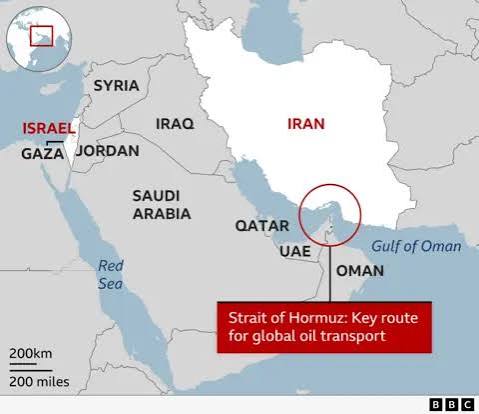
The conflict has disrupted energy and shipping routes, particularly around the Strait of Hormuz, a vital passage for crude oil. Nigeria, though far from the war zone, is heavily import-dependent and vulnerable to the ripple effects. Ware and industry experts say the Strait of Hormuz, a critical chokepoint through which 20% of global crude oil passes daily, is at the center of risk.
Freight costs are expected to rise as vessels face higher fuel prices and war-risk insurance premiums. Shipping delays are likely as companies reroute vessels away from conflict areas. These disruptions will feed into Nigeria’s economy through inflation, with food and manufactured goods becoming more expensive.
The naira may weaken further as importers demand more dollars, even though Nigeria could earn more from higher crude oil prices. Analysts warn that the gains from oil exports may not be enough to offset the rising import bill.
Industry experts say the immediate impact will be inflationary spikes, shipping delays, and volatile exchange rates. In the medium term, Nigeria and other West African economies may face prolonged supply chain challenges if the war drags on. Past conflicts in the Middle East have often lasted months or years, especially when major powers are involved.
Higher oil revenues could provide some relief for Nigeria, but the broader economy will feel the squeeze. Import costs will rise, exchange rates will remain unstable, and households will face higher prices. Regional economies such as Ghana, Côte d’Ivoire, and Senegal are expected to experience similar pressures.
The outlook suggests Nigeria must prepare for higher costs, inflationary shocks, and possible shortages. Policymakers may need to push for local production, stabilize the naira, and strengthen regional trade cooperation to cushion the impact.
For now, the war has added new uncertainty to Nigeria’s already fragile shipping and trade environment, with the industry bracing for both immediate shocks and long-term structural changes.

Nigeria Customs Foils Major Drug Trafficking Attempt in Edo State

Port Efficiency: NCS, PEBEC Launch Strategic Reform Initiatives

Barge Operators Push for Fairer Regulations in Nigeria’s Port Logistics

SEREC Congratulates Prince Olayiwola Shittu on UN-POLAC Appointment

The $1.1 Billion Anchor: Why We Cannot Abandon Our Gateway Ports – The CVFF and the New Shipping Line (Part 2)

NASS Rules ‘Tantita Providing Critical National Assignment’

ANLCA vs Nigeria Police Force: MMAC Secretariat Crisis Deepens

Nigeria’s $748m UK Port Infrastructure Loan: Many Questions Begging for Answer

President Tinubu’s Borrowing Binge Amid Rising Revenues and Elite Excesses
Prince Olayiwola Shittu: A Glimpse Into His ‘International Peace Advocate’ Appointment

NRS, Customs, PEBEC Visit NSW Office Apapa

Customs Boss Adeniyi Announces Relocation of FOU Zone ‘A’ Office

ANLCA Board is intact, cannot be wished away by anybody’-Elochukwu

B-R-E-A-K-I-N-G: Effedua, Rector MAN Oron, Resigns

EFCC’s Probe: Okowa Plots Sheriff’s Removal Despite London Accord
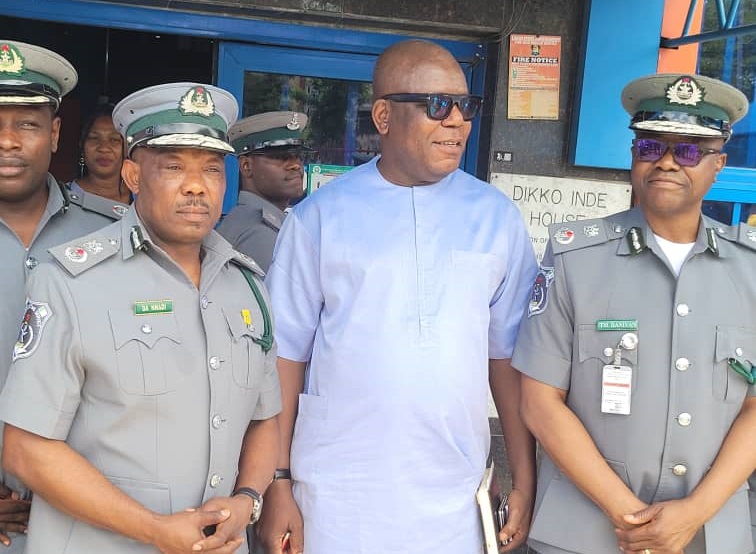
Customs Trains ANLCA Members, Others on B’Odogwu Portal

NPA’s Alleged Executive Management Fight: The Half Truth & Truth
ANLCA Board Election: Know Your Candidates
‘Why We Launched B-Odogwu Pilot Scheme With Webb Fontaine Still Running’ – Adeniyi

Nigeria Customs: Trust, Competence And The Oramalugo Factor

Onyemekara Promoted GM, Appointed NPA’s New Spokesperson

‘Rush To Break News Can Lead To Brush With Cybercrime’- Police

Kebbi Is Hub of Hard Drugs Smuggling In Northern Region’ – Oramalugo

Maritime Industry At 64: Oyetola Versus Oyetola