Maritime
‘Nigeria’s Maritime Sector at a Crossroads’ – Stakeholders


BY GBOGBOWA GBOWA
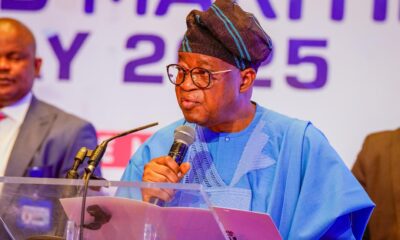
At the TransQuest 20 Years of Media Excellence Seminar/Awards held at the Lagos Airport Hotel Ikeja, industry leaders painted a stark picture of Nigeria’s maritime sector, warning that without urgent reforms, the country risks losing its competitive edge to regional rivals like Ghana.
The stakeholders who raised a number of key concerns urged the federal government and its relevant MDAs not to ignore the signals since they could trigger unimaginable dislocation to the port and maritime economy.
Unregulated Ports: Nigeria’s ports lack a strong regulatory framework, resulting in inefficiency, unfair pricing, and weak competitiveness. The stakeholders argue that unregulated ports also invariably pave the way for high port charges. According to the port players, being among the highest, globally, they further noted that these charges discourage trade and increase the cost of doing business.
Cabotage Act Failure and Fragmented Oversight: Intended to empower indigenous shipowners, stakeholders note that the Act has fallen short, leaving local operators sidelined; together with fragmented oversight. On oversight, they observed that regulatory agencies such as the Nigerian Ports Authority (NPA), Nigerian Maritime Administration and Safety Agency (NIMASA), National Inland Waterways Authority (NIWA), and the Nigerian Shippers’ Council (NSC) operate in silos, creating duplication and inefficiency.
Declining cargo throughput: The port users who also identified outdated port structures and shallow river ports posit that the developments have reduced Nigeria’s attractiveness for global shipping lines.
The industry players proposed the following:
-Regulatory overhaul with a strong independent authority.
-Reduction of port charges to restore competitiveness.
-Review of concession models to attract investment and ensure accountability.
-Development of a transshipment hub capable of handling deep-sea vessels.
-Fleet expansion under NIMASA to strengthen indigenous shipping capacity.
They posit that if implemented, these reforms could reposition Nigeria as a regional maritime powerhouse, unlocking billions in trade, logistics, and employment opportunities.
A communiqué drawn from the workshop also underscored that the time for action is now, warning that neighbouring countries are not sleeping but constantly modernizing their port systems.







Sanwo-Olu, Ministers, Key Stakeholders Set for GTP Multimodal Roundtable

Freight Forwarders Fault NSC Over Shipping Charges Hike, Issue Ultimatum

ANLCA Board Felicitates Oduntan As He Marks 60

Prince Oduntan Bask Industry Euphoria At 60th Birthday Celebration

Alma Mater Honours DG NIMASA, Mobereola

Turning Borders into Gateways: Controller Afeni’s Testimonial

A Closer Peep At The UK, Nigeria Ports Financing Deal

Nigeria Customs, HMRC Partner To Advance Trade Facilitation, Digital Border Management

Tariff Dispute Grounds Shipping Services in Lagos

Kaila Takes Charge at Seme Customs
Apapa Berthing Space Crisis: Barge Operators Seeks Oyetola’s Urgent Intervention

When the Sun Set at Seme: Adenuga’s Emotional Exit

ANLCA Board is intact, cannot be wished away by anybody’-Elochukwu

B-R-E-A-K-I-N-G: Effedua, Rector MAN Oron, Resigns

EFCC’s Probe: Okowa Plots Sheriff’s Removal Despite London Accord
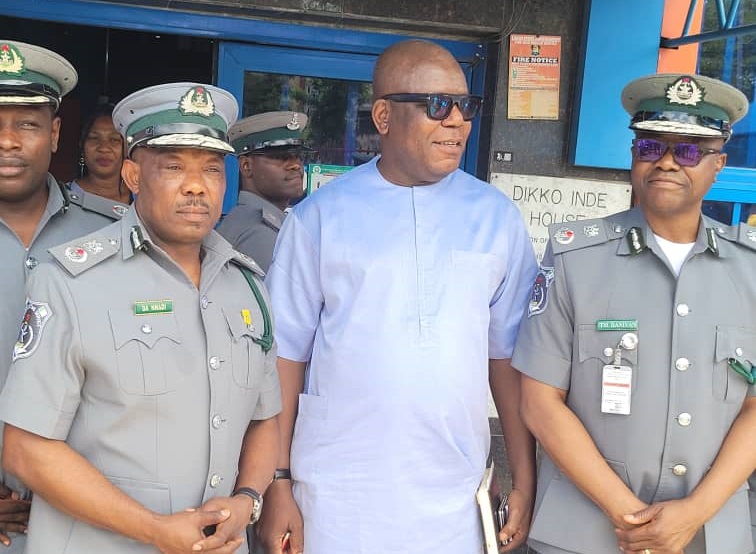
Customs Trains ANLCA Members, Others on B’Odogwu Portal

NPA’s Alleged Executive Management Fight: The Half Truth & Truth
ANLCA Board Election: Know Your Candidates
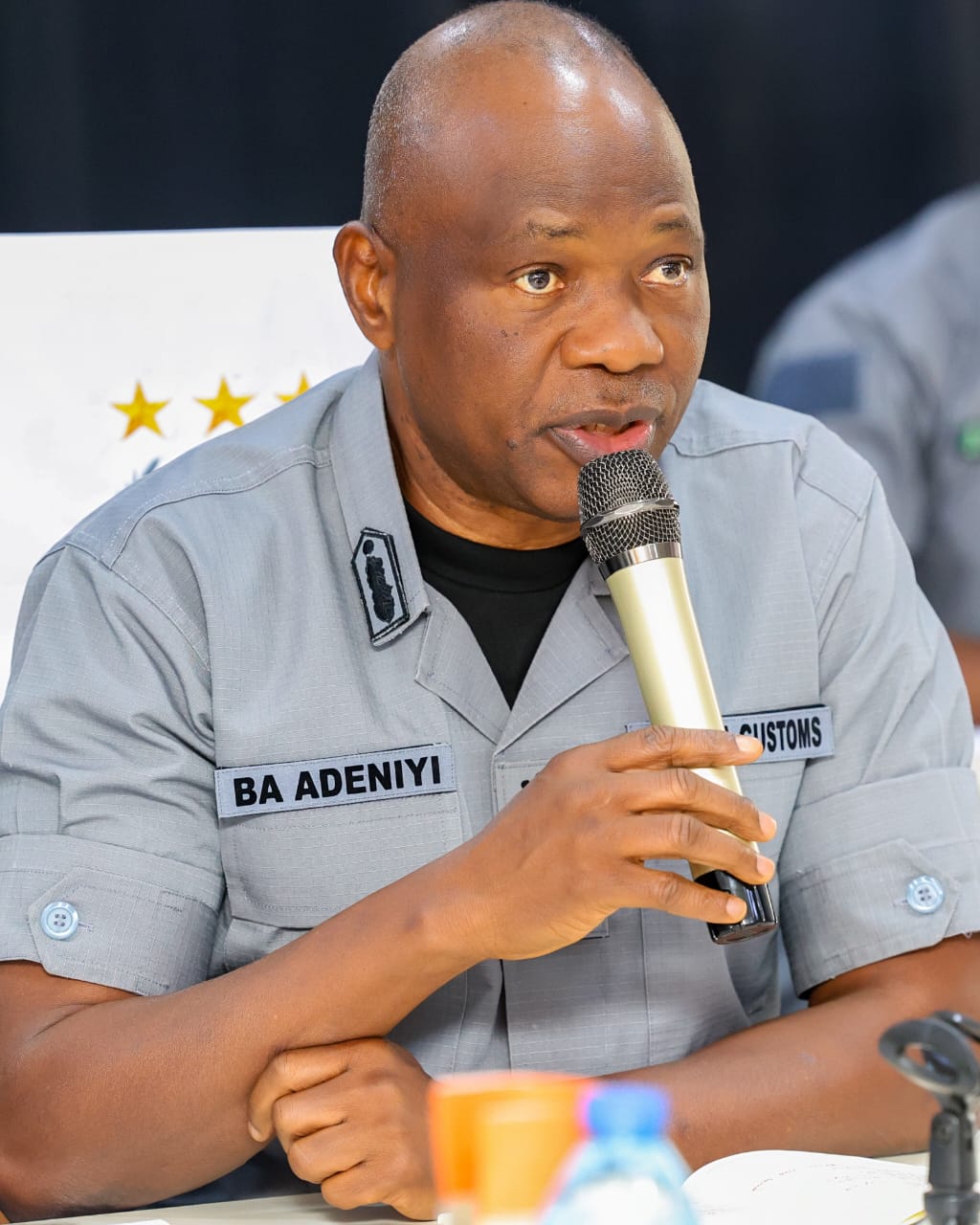
‘Why We Launched B-Odogwu Pilot Scheme With Webb Fontaine Still Running’ – Adeniyi

Onyemekara Promoted GM, Appointed NPA’s New Spokesperson

Nigeria Customs: Trust, Competence And The Oramalugo Factor

‘Rush To Break News Can Lead To Brush With Cybercrime’- Police

Kebbi Is Hub of Hard Drugs Smuggling In Northern Region’ – Oramalugo

Maritime Industry At 64: Oyetola Versus Oyetola