
Connect with us

BY EGUONO ODJEGBA Upbeat about its forthcoming 72nd anniversary, the Association of Nigerian Licensed Customs Agents (ANLCA) has unveiled a three-day programme of activities for the...

BY KESIENNA SHEPHERSD The Principal Consultant, International Trade Services Ltd., Okey IBEKE, has called for a clear delineation of responsibilities between the newly established Nigerian Ports...

…Commends Akutah for Commitment to Making It a Reality BY FUNMI ALUKO The Maritime Correspondents’ Organisation of Nigeria (MARCON) has described the newly signed Nigerian Ports...



BY FUNMI ALUKO The League of Maritime Editors (LOME) has concluded arrangements to hold its 2026 Annual General Meeting (AGM) and industry seminar on August 20 in Lagos, with key stakeholders expected to deliberate on strategies for addressing the persistent imbalance in cargo vessel traffic between the Lagos and Eastern ports. The event, scheduled to take place at BWC Hotel, Ahmadu Bello Way, Victoria Island, Lagos, will bring together policymakers, maritime regulators, industry operators and media practitioners to examine critical issues affecting the nation’s port system and the broader blue economy. According to a statement issued by the President of LOME, Mrs. Remi Itie, the seminar is themed: “Lagos/Eastern Ports: How to Reverse Existing Imbalance in Disproportionate Cargo Vessel Calls.” The Honourable Minister of Marine and Blue Economy is expected to attend as the Special Guest of Honour, while former General Manager of the Nigerian Ports Authority (NPA), Captain Iheanacho Ebubeogu (Master Mariner), will chair the seminar. The programme will feature presentations by chief executives of agencies under the Federal Ministry of Marine and Blue Economy, focusing on their statutory responsibilities and ongoing reforms aimed at improving the maritime sector. Among the keynote presentations is “Port Modernisation: Its Impact in the Maritime Industry,” to be delivered by the Managing Director of the Nigerian Ports Authority, Dr. Abubakar Dantsoho. The Director-General of the Nigerian Maritime Administration and Safety Agency (NIMASA), Dr. Dayo Mobereola, will speak on “The Essentials of Port Security and Challenges.” The Comptroller-General of the Nigeria Customs Service, Dr. Adewale Adeniyi, is also expected to present a paper titled “The Imperative of Paperless Documentation Under the National Single Window (NSW) Regime,” while the Executive Secretary of the Nigerian Shippers’ Council, Dr. Pius Akutah, will deliver a presentation on “The Role of the Nigerian Shippers’ Council in Ensuring Cargo Distribution Across Nigeria’s Ports.” Mrs. Itie said the seminar forms part of the League’s contribution to policy advocacy and sustainable development of Nigeria’s maritime industry. She noted that deliberations at the event would culminate in a communiqué containing recommendations aimed at strengthening the maritime sector and supporting national economic development. According to her, the communiqué will be forwarded to relevant government authorities as the League’s contribution to ongoing reforms in the marine and blue economy sector. The association’s Annual General Meeting will immediately follow the seminar.

BY FUNMI ALUKO After more than a decade of legal battles over the collection of unauthorised port charges, no fewer than five shipping companies and terminal...
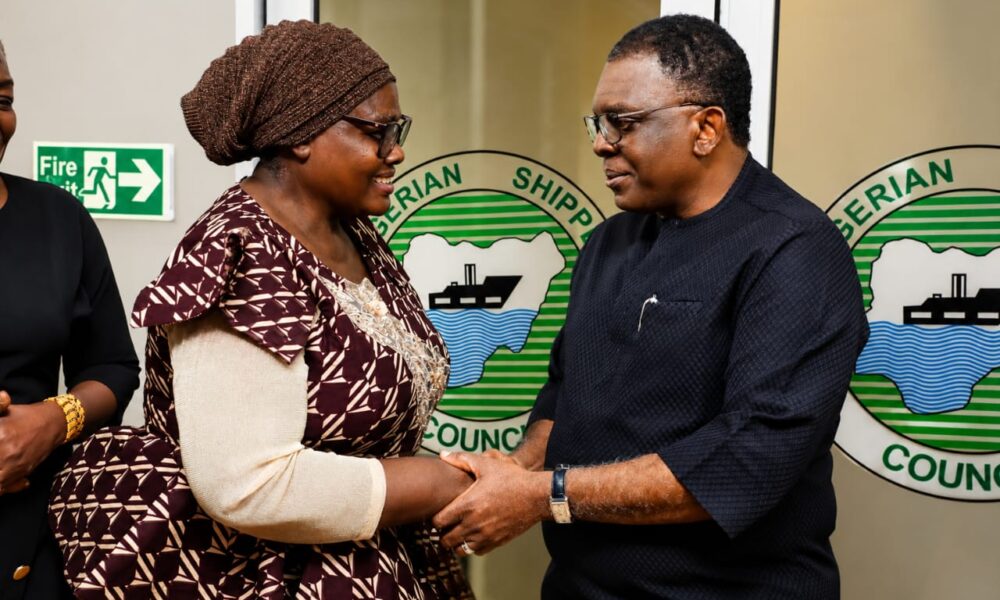

BY FUNMI ALUKO The Executive Secretary and Chief Executive Officer of the Nigerian Shippers’ Council (NSC), Dr. Pius Akutah, has said that the Minister of Marine...
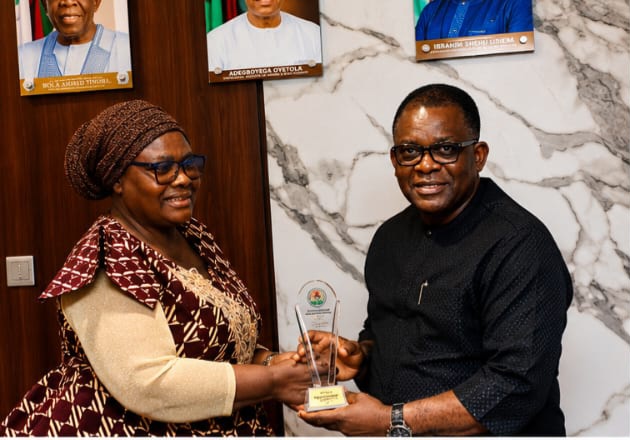


BY KESIENNA SHERPHERDS The Executive Secretary and Chief Executive Officer (CEO) of the Nigerian Shippers’ Council (NSC), Dr. Pius Akutah, MON, has said that the role...
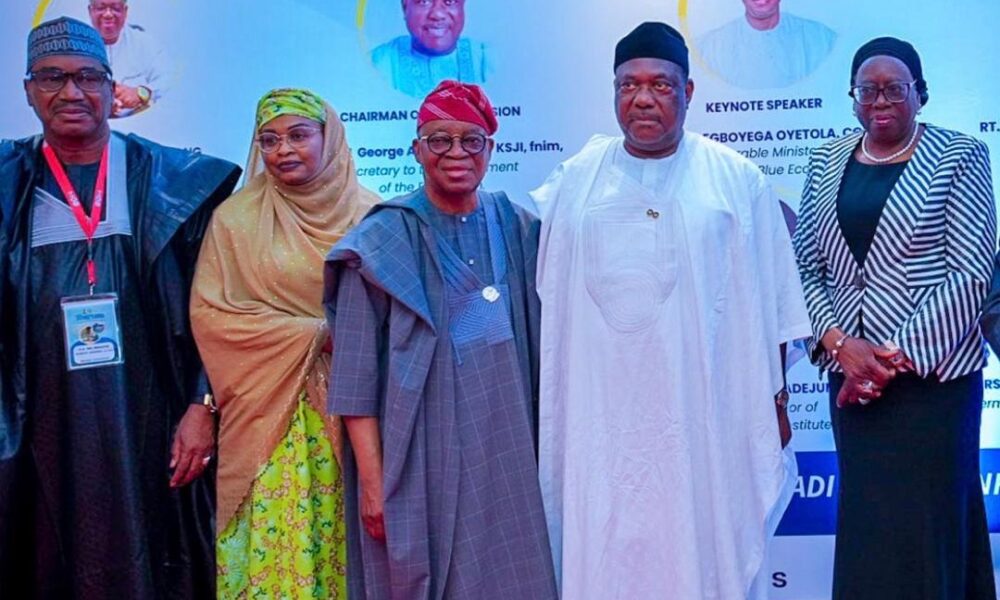

What Did the 18th Judges’ Seminar Leave on the Table? A post-seminar appraisal of Nigeria’s maritime jurisprudence against emerging IMO, WTO and UNCITRAL standards. BY...
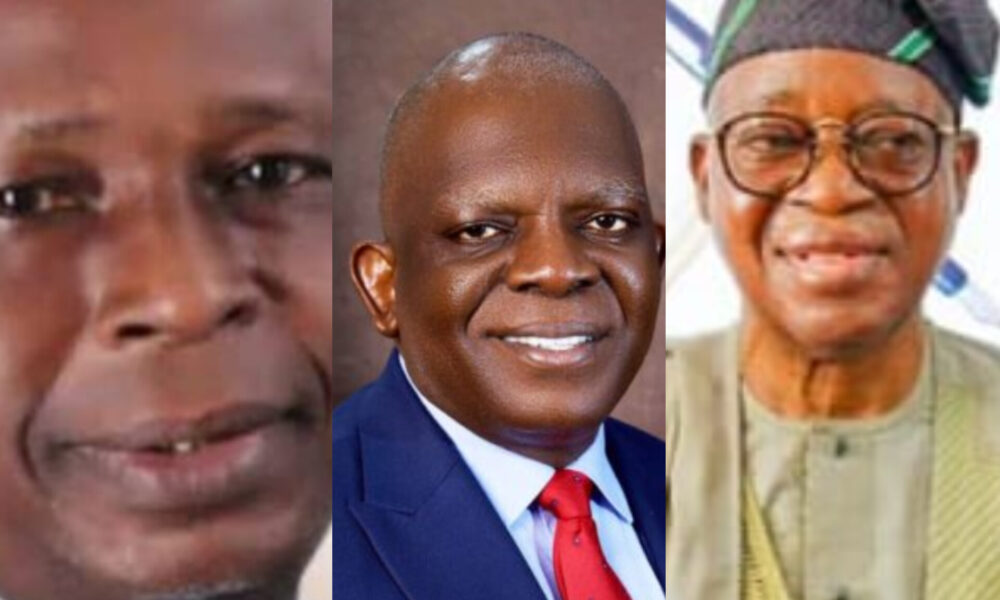

BY EGUONO ODJEGBA In public affairs, symbolism is often as important as substance. Institutions do not merely communicate through speeches; they also communicate through the company...
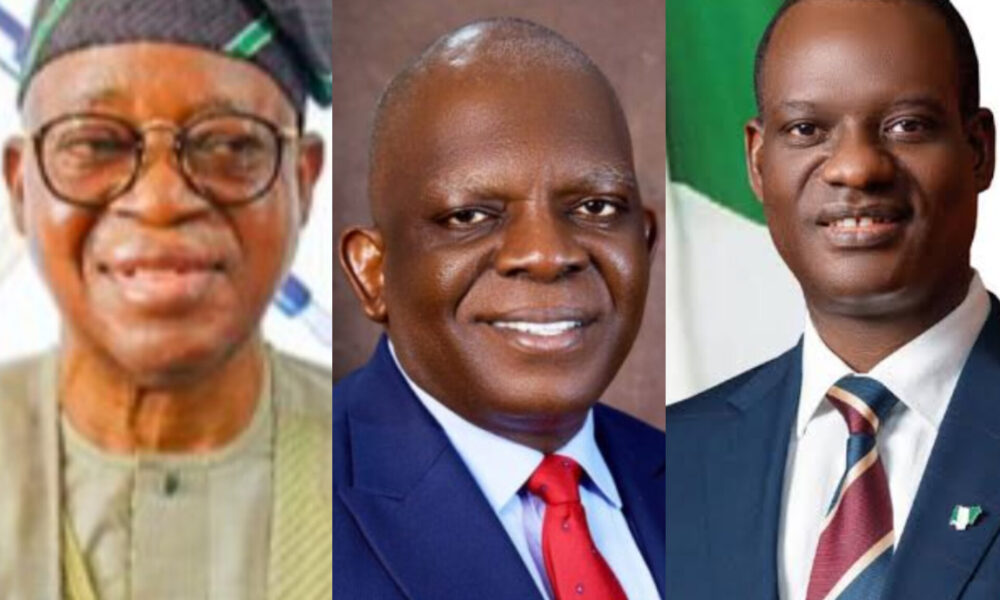

BY GGBOGBOWA GBOWA The Nigerian Shippers’ Council (NSC) has been basking in the glow of its recent announcement: ₦90.6 billion in economic losses prevented over the past three years. Executive Secretary Dr. Pius Akutah credits the Council’s interventions in demurrage disputes, tariff harmonization, and alternative dispute resolution for the savings, a figure that underscores the Council’s growing role as Nigeria’s port economic regulator. From settling conflicts with global shipping giants like Maersk and CMA CGM, to harmonizing bonded terminal charges and facilitating collective bargaining agreements for maritime workers, the Council has positioned itself as a bulwark against exploitative practices. For shippers, the ₦90.6 billion claim is more than a statistic; it is proof that regulatory oversight can translate into tangible economic relief. This economic gain no doubt stands Dr Pius Akutah tall as a performing CEO, one that understands his primary role in the national and political economy. The announcement is also necessary to give Nigerians the benefit of a full understanding of the how the Akutah led NSC management has performed since he came onboard, his grasp of the dynamics of governance in the delivery of cost-efficient services. Yet, beyond the headline numbers, stakeholders point to a stubborn reality: the Council’s inability to prevent arbitrary increments in truckers’ fees at the ports. Importers and exporters complain that while demurrage charges have been checked, haulage costs continue to spiral. But in truth these troubling charges are driven by fuel hikes, poor access roads, and the dominance of trucking unions. For many, this gap reveals the limits of the Council’s mandate. While empowered to regulate shipping lines and terminal operators, the NSC has little direct control over road haulage pricing. Without any equivocation, the result is a paradox of sort: billions saved on one front, and billions lost on another. Industry watchers argue that reconciling these contradictions requires more than dispute resolution. Expanded legislative authority under the pending Nigerian Port Economic Regulatory Agency (NPERA) Bill, coupled with infrastructure investment to ease port congestion, could give the Council the leverage it needs to rein in trucking costs. Until then, the NSC’s ₦90.6 billion claim stands as both a triumph and a reminder that regulation can deliver savings, but without holistic oversight, the cost of moving goods through Nigeria’s ports will remain a contested terrain. Is it possible however to address this lacuna through policy initiative with conscientious, bold and focused implementation drive, free of divided intents and attention? The answer is yes, but lies squarely on the court of the presidential economic team, the presidential enabling business environment council, the federal ministry of marine and blue economy, and its relevant agencies.