
Business Focus
Nigerian Ports Tariff Adjustments Conundrum: Akutah On The Dais

BY EGUONO ODJEGBA
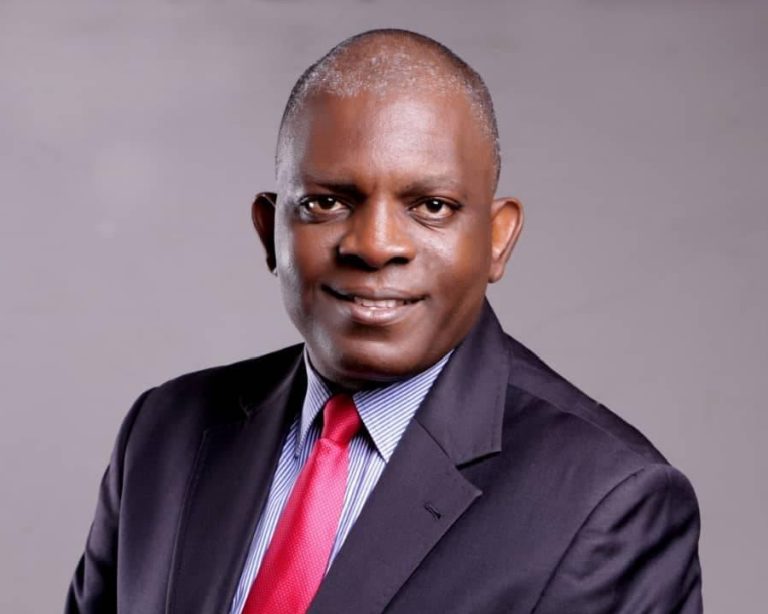
The Nigerian maritime sector, long plagued by disputes over tariffs, regulatory authority, and systemic inefficiencies, witnessed another tense but pivotal moment on Friday. At the center of the storm stood Barrister Akutah Pius Ukeyima, Executive Secretary and Chief Executive Officer of the Nigerian Shippers’ Council (NSC), who once again found himself navigating the treacherous waters between shipping companies, terminal operators, importers, freight forwarders, and sister government agencies.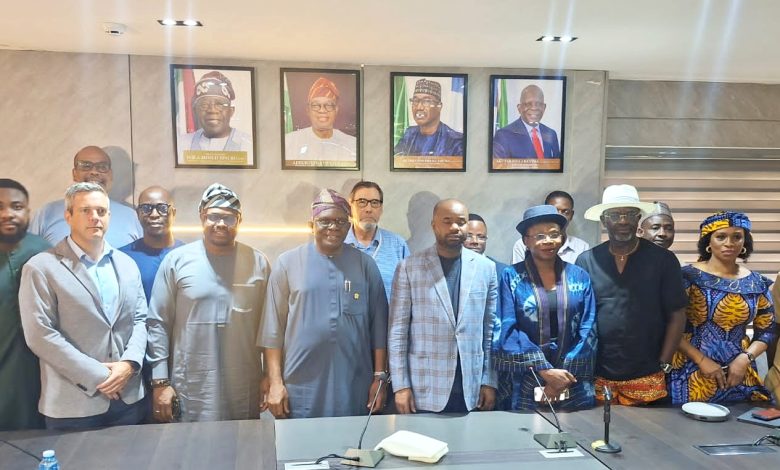
A Bruised Umpire in a Fractured Arena
Akutah’s role as the chief port economic regulator has often been undermined by the absence of a robust legal framework. The long-delayed Nigerian Transport Commission (NTC) Bill, which would have strengthened the NSC’s regulatory powers, remains stalled in legislative limbo. This has left Akutah exposed, harassed, and frequently overburdened compared to his peers in agencies like the Federal Inland Revenue Service (FIRS) and the National Single Window (NSW) Committee.
Yet, despite these constraints, Akutah has leaned on lesser instruments of regulation: reward and punishment, persuasion and concession to secure fragile consensus among stakeholders. His stewardship has become a balancing act, chiefly, protecting shippers from arbitrary charges while ensuring service providers remain viable in an inflationary economy.
Tariff Adjustments: Between Moderation and Pressure
In defending recent tariff hikes, Akutah revealed that the Council had resisted industry pressure for over two years. Service providers had demanded increases ranging from 150 to 300 percent, citing rising operational costs. The NSC instead approved a moderated framework of about 35 percent, structured as a flexible band. Operators could adjust tariffs between 10 and 20 percent depending on their operational realities.
Akutah warned that with 80 percent of Nigeria’s trade dependent on maritime transport, excessive hikes would ripple across the economy, raising costs for importers and consumers alike. His approach, though criticized as timid by some, reflects a deliberate attempt to prevent regulatory capture and maintain equilibrium in a sector prone to volatility.
Cargo Tracking Note: A Legal Quagmire
The delayed rollout of the International Cargo Tracking Note (CTN) remains another thorn in Akutah’s side. He attributed the pause to inherited litigations and unresolved court cases, stressing that the Council is working with the Ministry of Justice to clear the legal bottlenecks. Once implemented, the CTN is expected to enhance cargo security, safeguard national revenue, and strengthen Nigeria’s credibility in global trade.
For now, however, the absence of CTN continues to fuel skepticism about the NSC’s effectiveness as a regulator.
NSW Migration and Stakeholder Relief
Friday’s meeting also addressed disruptions caused by the migration to the National Single Window platform. Importers have faced mounting demurrage and detention charges due to delays linked to the transition from legacy systems operated by SON and NAFDAC. Regulators, including the NSC and NRS, appealed for concessions.
NRS Chairman Zach Adedeji emphasized that the government’s priority was economic stability, not revenue maximization, and urged operators to grant waivers similar to those offered in past disruptions. Feedback from operators was cautiously positive, with many agreeing to review cases individually rather than grant blanket waivers.
Industry voices, such as Shipping Association of Nigeria Chairperson Boma Alabi, expressed support for efficiency reforms but demanded clarity on timelines. Others, like PTML Terminal’s Tunde Keshinro, warned against indiscriminate waivers, noting that some importers exploit delays to abandon cargoes.
Akutah’s Tightrope Walk
Akutah’s leadership continues to be defined by compromise and confrontation. His interventions, whether moderating tariff hikes, de-escalating disputes with Mediterranean Shipping Company, or negotiating relief for importers, underscore the fragility of Nigeria’s port regulatory environment.
While some of his critics argue that he has sidestepped the real issue like the stalled NTC Bill, Akutah insists that the NSC must remain impartial, transparent, and legally grounded. For now, he remains the bruised umpire on the dais, steering Nigeria’s maritime industry through turbulence with limited tools but unrelenting resolve.









Oyetola Unveils NPERA, Corporate Logo Amid Quiet Enthusiasm

Nigeria, Benin Urged to Deploy Culture and Traditional Diplomacy to Defuse Border Tensions

Nigeria’s Ports: How Foreign Capital Took the Dinner, While Indigenous Businesses Got the Crumbs (3)

FOU Zone A, Police, Army, DSS, Others Strengthen Security Alliance Ahead of Elections

Nigeria’s Ports: How Foreign Capital Took the Dinner, While Indigenous Businesses Got the Crumbs (2)

Former Senatorial Candidate, Hajia Nike AbdulRahman Dumps NDC, Defects to APC

Nigeria’s Ports: How Foreign Capital Took the Dinner, While Indigenous Businesses Got the Crumbs

How Anani’s Tin Can Command Intercepted a ₦3.6 Billion Illicit Drug Shipment

Ibrahim, Ogun 1 Customs New Sheriff Unveils Strength Beneath His Quiet Mien

Logistics Synergy: NPA Advances Integration of ICDs Under New Reform Agenda

Teamwork, Discipline, Central to Our Enforcement Mandate —Jonah Charges Customs Marine Operatives

How the UAE-Nigeria Partnership Can Transform Our Ports

ANLCA Board is intact, cannot be wished away by anybody’-Elochukwu

B-R-E-A-K-I-N-G: Effedua, Rector MAN Oron, Resigns

EFCC’s Probe: Okowa Plots Sheriff’s Removal Despite London Accord
Customs Trains ANLCA Members, Others on B’Odogwu Portal

NPA’s Alleged Executive Management Fight: The Half Truth & Truth
ANLCA Board Election: Know Your Candidates
‘Why We Launched B-Odogwu Pilot Scheme With Webb Fontaine Still Running’ – Adeniyi

Onyemekara Promoted GM, Appointed NPA’s New Spokesperson

Nigeria Customs: Trust, Competence And The Oramalugo Factor

‘Rush To Break News Can Lead To Brush With Cybercrime’- Police

Kebbi Is Hub of Hard Drugs Smuggling In Northern Region’ – Oramalugo

Onyeka Makes History As Tin-Can Customs Hit ₦16.4bn A Day