
Customs Report
‘Physical Fitness, Discipline, Key to Performance, Efficiency and Productivity’ Adeniyi

BY EGUONO ODJEGBA
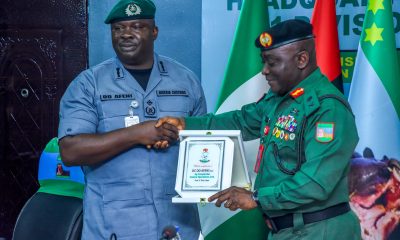
While the Nigeria Customs Service (NCS) Saturday, September 5, 2026 brought the Year’s Zone ‘A’ Inter-Command Games to a close in Lagos, the message from the closing ceremony went considerably beyond the medals, trophies and sporting rivalries.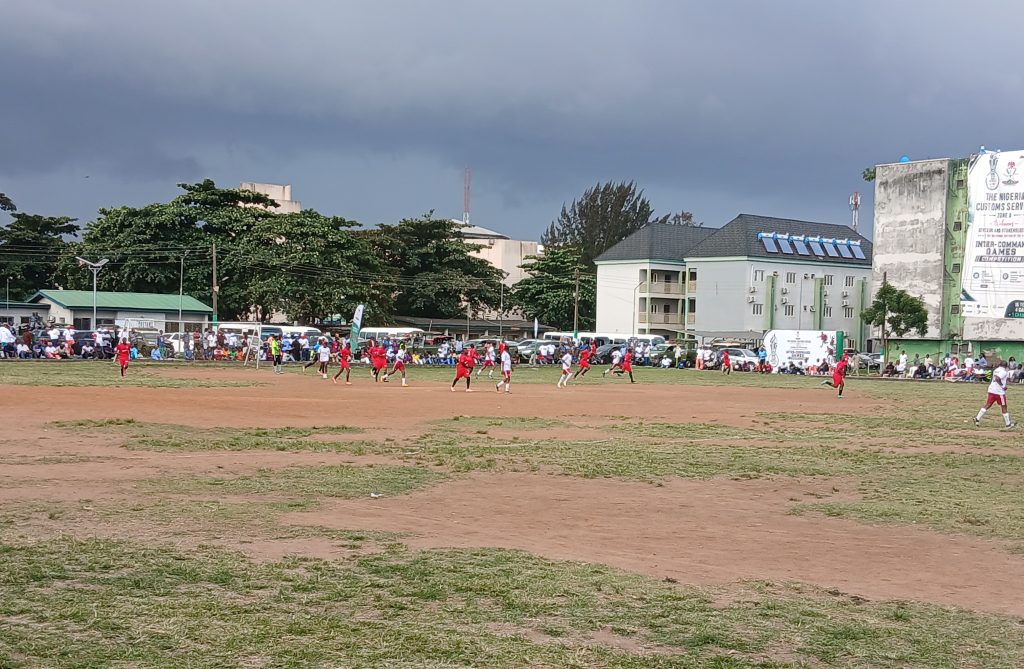
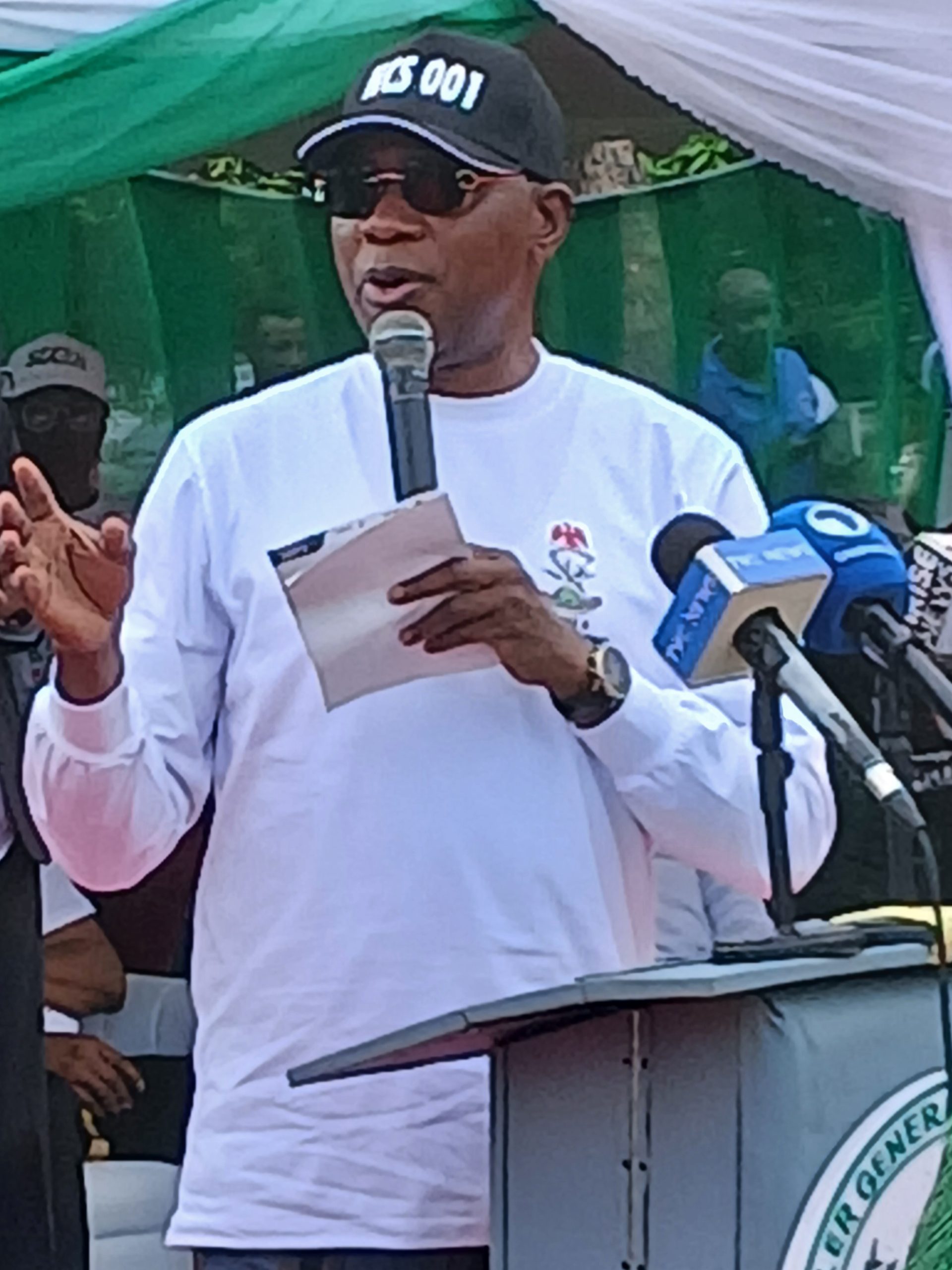
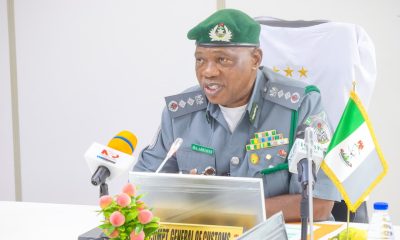
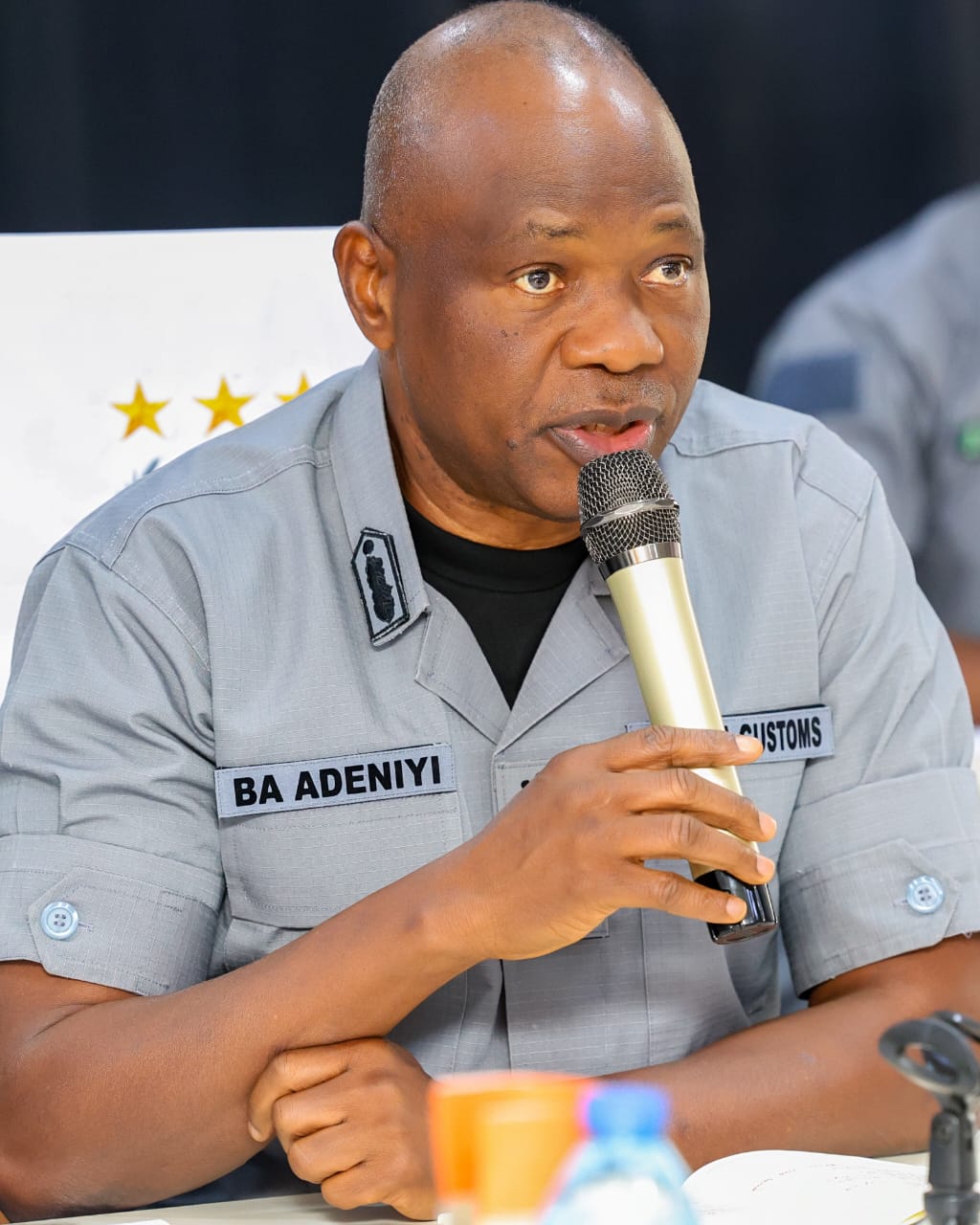
For Comptroller General of Customs, Bashir Adewale Adeniyi, the real value of the competition lies in what officers are expected to take from the playing field into the operational field: namely, fitness, discipline, teamwork, camaraderie and strategic thinking.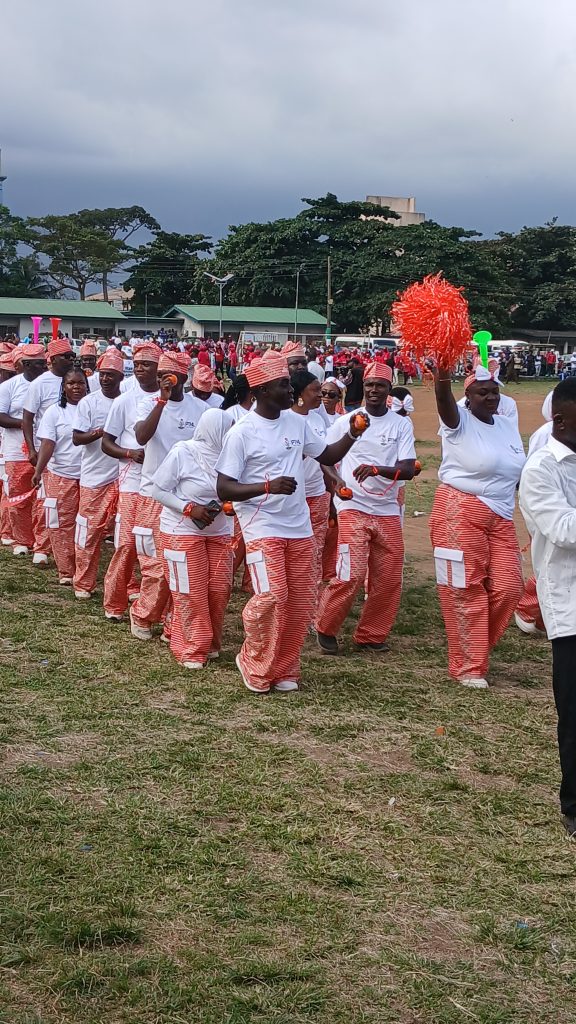
That perspective effectively transformed the three-week sporting competition from an internal recreational activity into a conversation about the quality and effectiveness of the Customs workforce. 9
The Zone ‘A’ Inter-Command Games, which began on August 17 and ended Saturday at the Customs Training College, Ikeja, Lagos, brought together 16 teams from Customs commands across the zone to compete in football, chess, badminton and table tennis under the theme, “Fit to Serve, United to Lead.”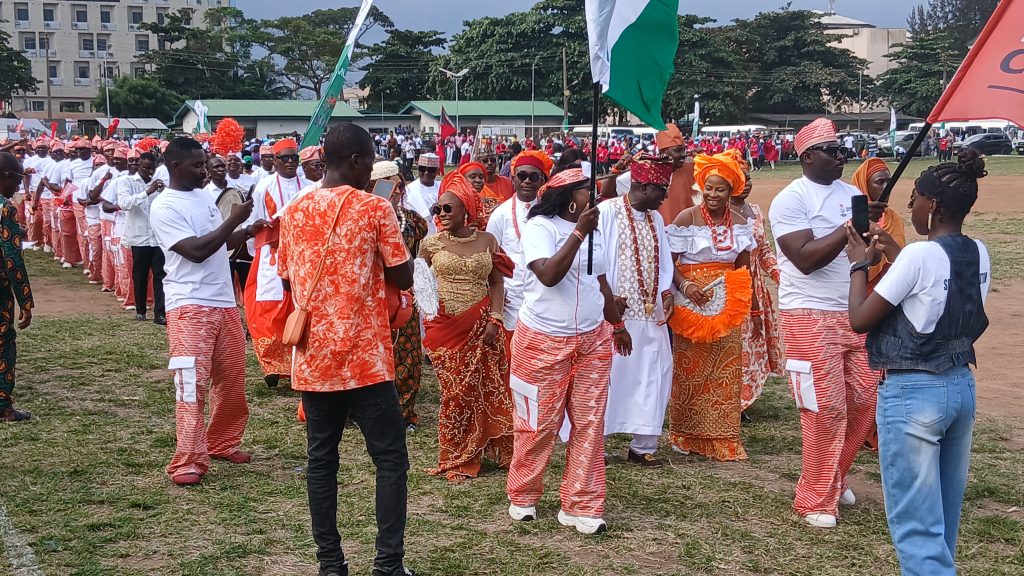
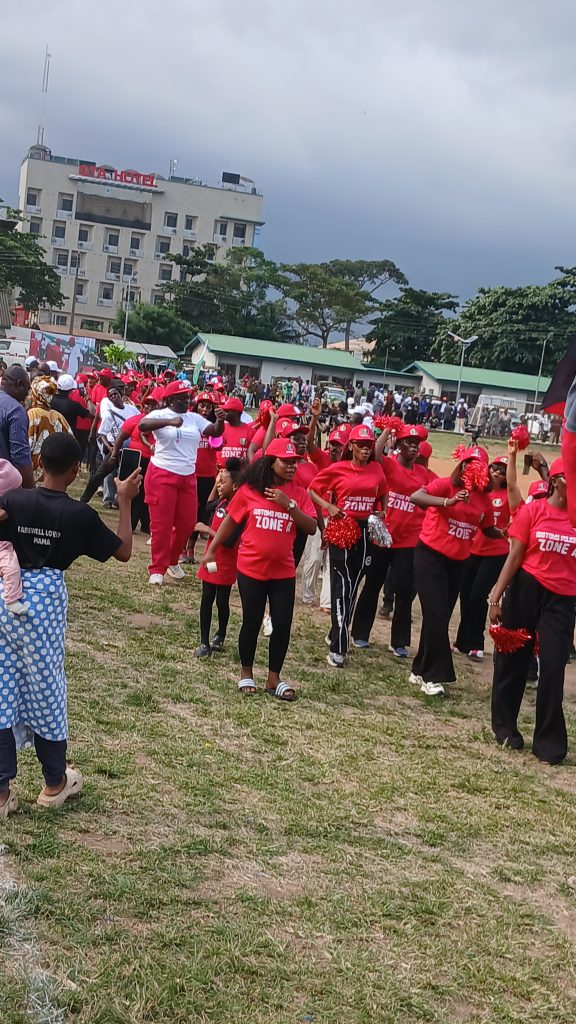
But while the Customs Police Unit emerged football champions after edging the Murtala Muhammed International Airport Command 1-0 in the final, Adeniyi’s emphasis was on the less visible prize — building officers capable of working together under pressure.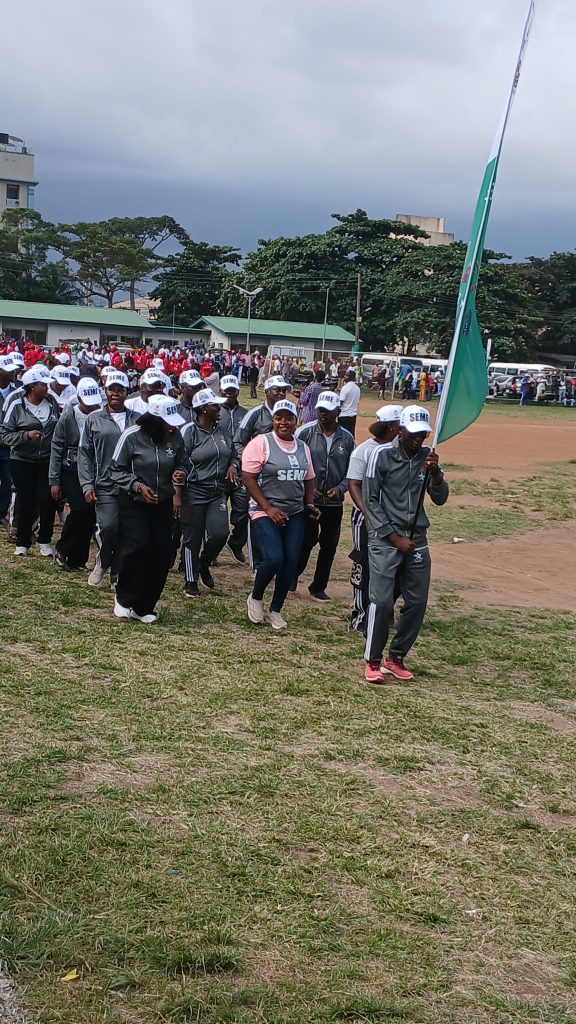
According to him, the attributes required to succeed in sports are not different from those required for successful Customs operations. He particularly identified discipline as indispensable to patrol and enforcement activities, teamwork as critical to inter-agency and intra-Service collaboration, and strategy as fundamental to revenue generation and trade facilitation.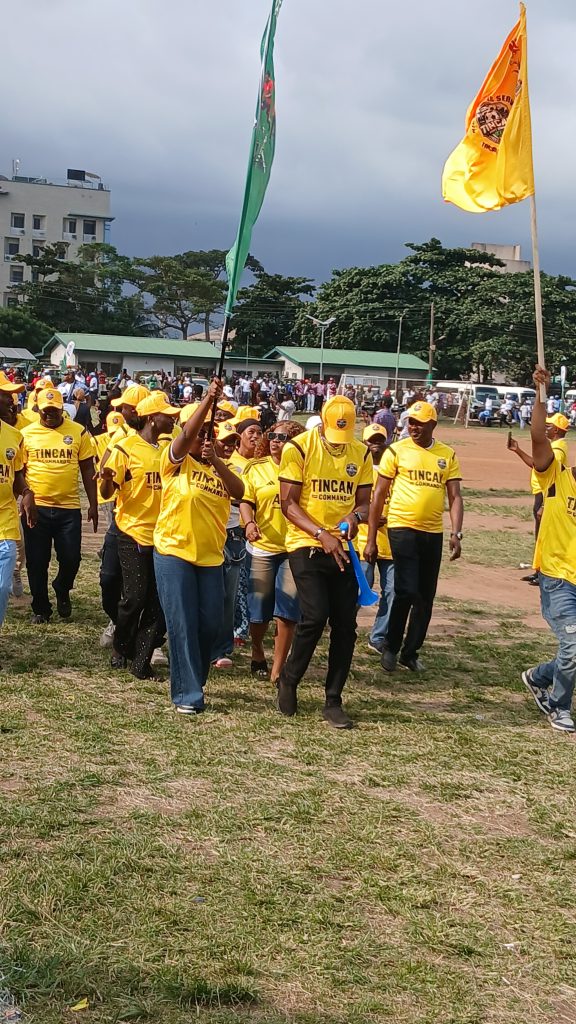
His argument was simple but significant: that an undisciplined patrol operation can fail, just as a revenue strategy without proper planning can produce poor results.
He explained that physical fitness and sporting participation should not be viewed merely as welfare activities for Customs personnel, noting they can also form part of the Service’s investment in operational readiness.
That position was not only in agreement with but emphasized the Chairman of the Games Planning Committee, Comptroller Chidi Nwokorie, who argued that ambitious revenue targets and sophisticated operational strategies would ultimately depend on the officers charged with implementing them.
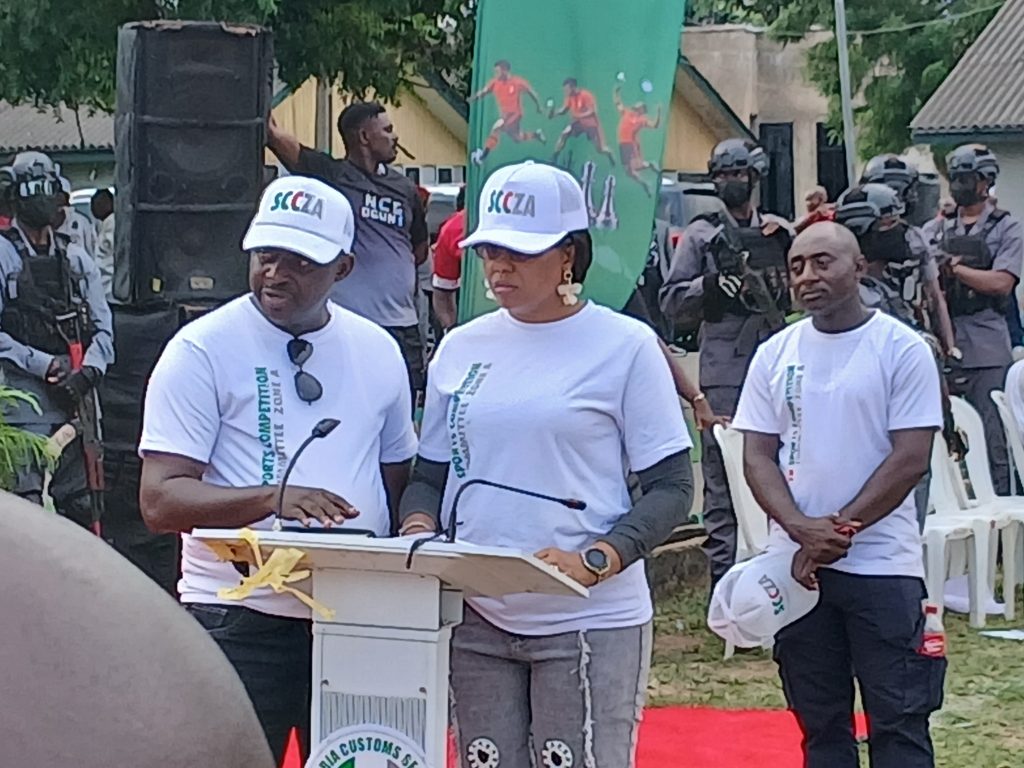
Nwokorie said a healthy and motivated workforce remained essential to translating the Service’s policies and targets into measurable results.
The CGC and Okorie’s observations are particularly relevant to the Service whose responsibilities extend across revenue collection, border enforcement, anti-smuggling operations, trade facilitation and national security.
These responsibilities frequently require officers to operate for extended periods, respond to rapidly changing situations and collaborate with colleagues and other security agencies.
According to the Customs boss, the games therefore offered an unusual laboratory for testing and strengthening some of those human qualities.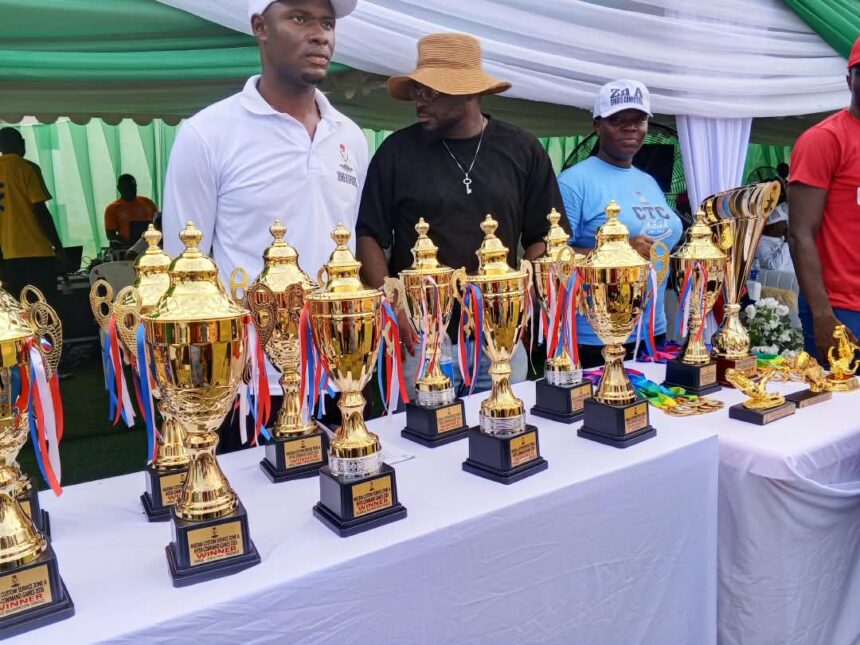
According to official statement, officers representing different commands competed against one another on other sporting activities.
Yet, away from the field, they remained members of the one, indivisible NCS family, a salient point Adeniyi sought to reinforce when he urged officers to carry the spirit of brotherhood and camaraderie developed during the competition into their daily assignments.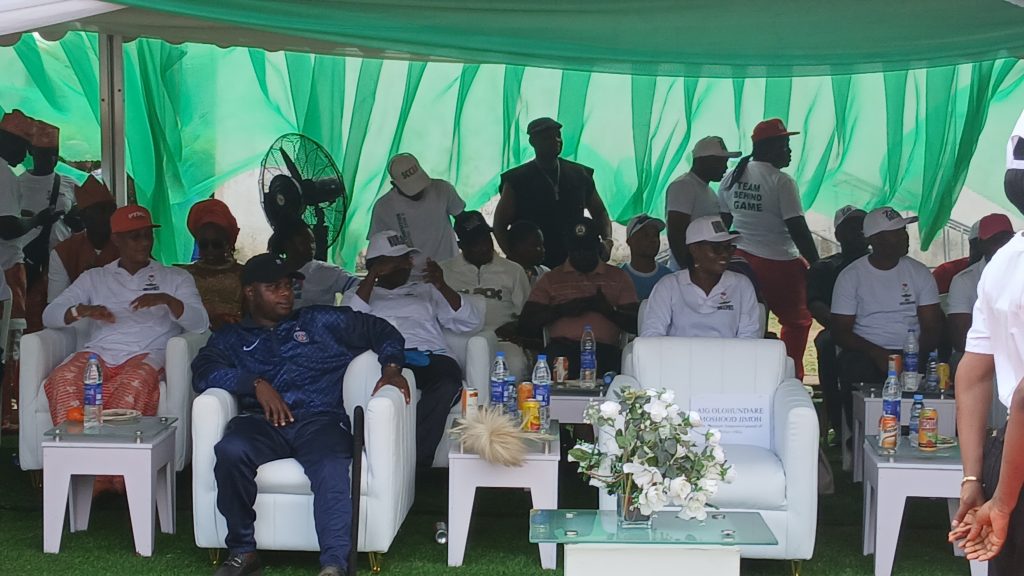
The participation of sister agencies, including the Nigeria Immigration Service and the National Drug Law Enforcement Agency, also provided another dimension to the exercise.
For a Service whose enforcement responsibilities frequently overlap with those of other agencies, the opportunity to interact, compete and build relationships outside the formal operational environment offered practical value. 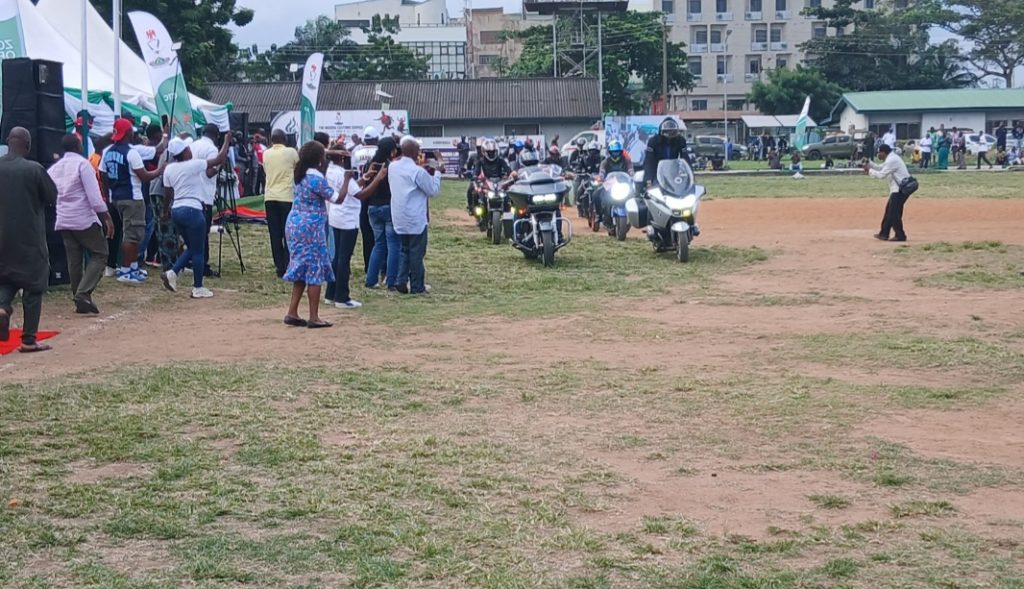
The games, in this regard, served not only as an internal competition but also as a platform for strengthening institutional relationships.
The CGC who spoke extensively and without a prepared speech, summed the whole sporting exercise on fitness and sundry benefits derived from it; for instance, about the important question about the fitness of officers whose duties often require physical endurance.
One of such is Customs enforcement which is not exclusively an office-based responsibility, and requires unceasing patrols, inspections, seizures, border operations and other field assignments that requires stamina, alertness and the ability to respond quickly.
The theme of the game, “Fit to Serve, United to Lead,” therefore appears to capture a philosophy that physical preparedness should complement professional competence.
Perhaps, it is against this background that Adeniyi’s call for improved sporting facilities becomes more than a demand for recreational infrastructure.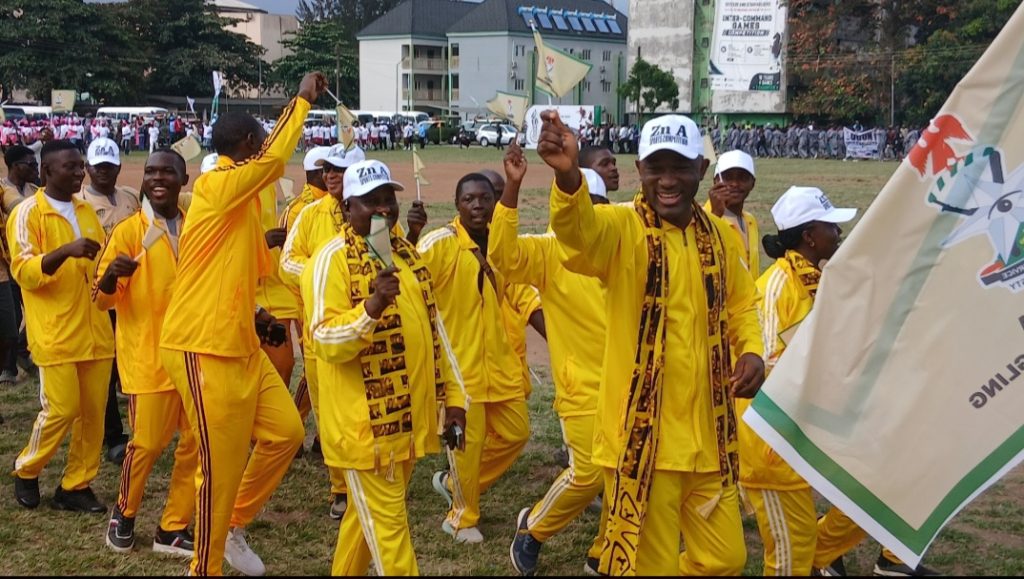
His concerns and nostalgia that the sporting facilities at the Ikeja training college had changed little since he trained there more than three decades ago, was not therefore not a mere providence but instructive for the changes to follow to make customs sporting events competitive, interesting and rewarding.
He said the proposed new Customs Training College at Iperu, Ogun State, would incorporate modern sporting facilities into its design, while suggesting that temporary improvements could also be made at the existing college.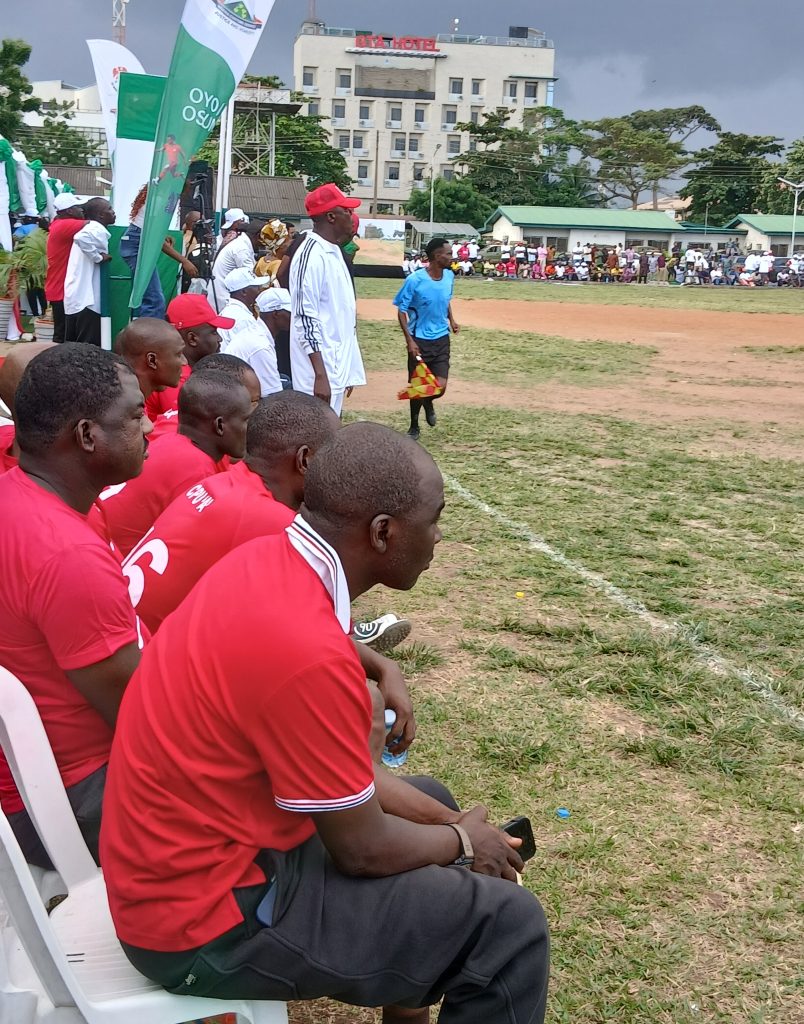
Such investments, if properly executed, could turn sports into a more structured component of officer development rather than an occasional event.
The Customs Service has also demonstrated that it possesses sporting talent capable of competing beyond the Service. It was in this regard, the CGC cited the performance of Customs athletes and teams in volleyball, basketball, football, beach volleyball and athletics, including officers who recently secured Olympic qualification in beach volleyball.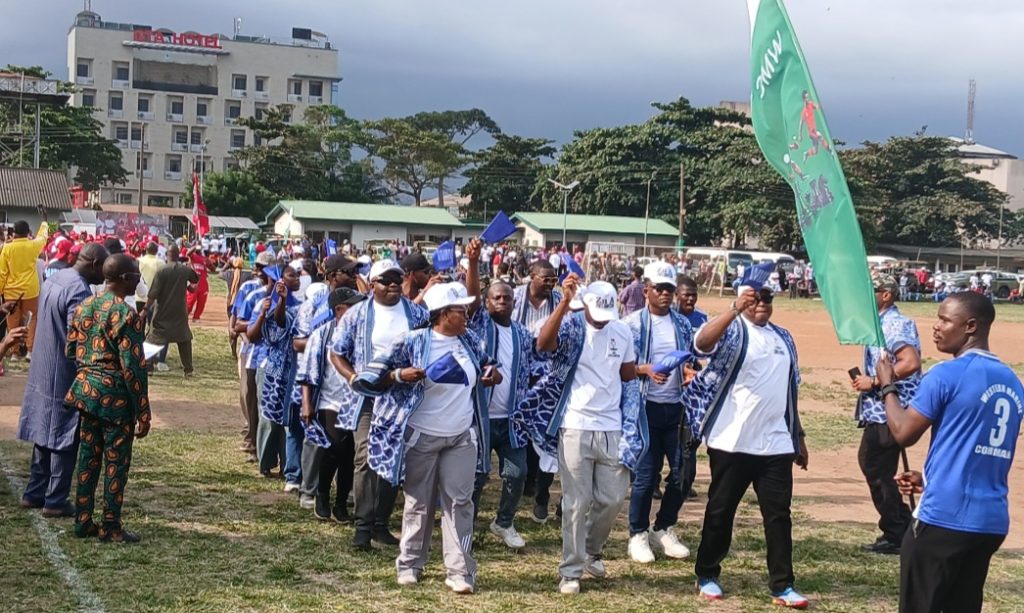
He says these sports raises another possibility, a systematic Customs sports programme that can simultaneously serve two purposes: developing healthier and more operationally prepared officers while identifying athletes capable of representing the Service and Nigeria at higher levels of competition.
The Customs chief lauded the Zonal Coordinator, ACG Mohammed Babandede and the management chiefs for achieving what he described as a “very impressive and successful event”, as he singled out few commands, including Tin Can Island, PTML and Western Marine for special commendation. He also commended the Power Bike Team, which provided a beautiful parade as a side major attraction ahead of the final soccer game.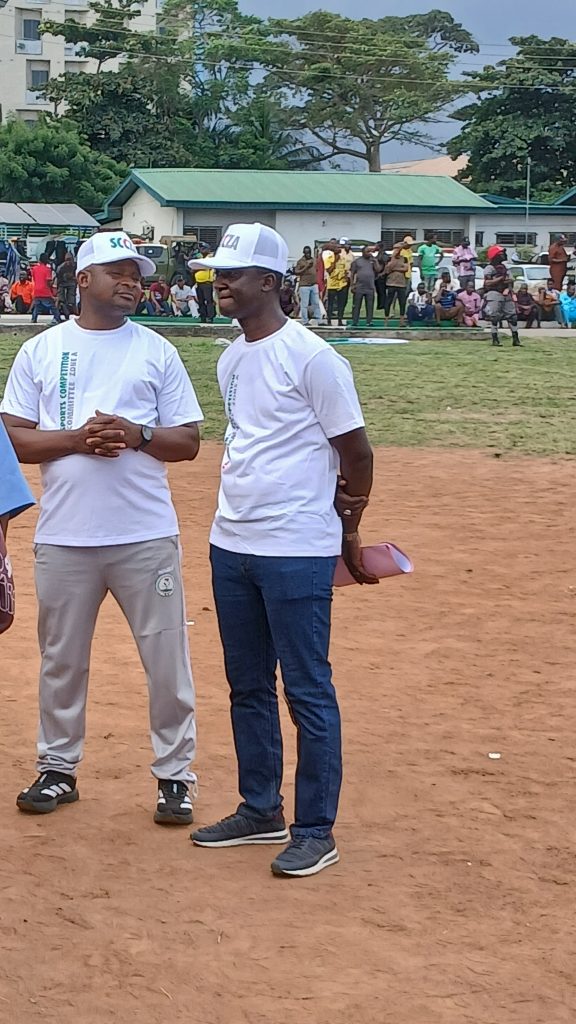
Perhaps the most significant lesson from the 2026 games is that their success should not be measured only by the number of trophies won by Customs Police, MMIA, Apapa, Tin-Can Island, PTML, Seme, Idiroko or other participating commands.
The larger test is according to Adeniyi that the spirit of discipline, teamwork, healthy competition and strategic thinking displayed in Ikeja should continue to find expression in Customs operations.
Speaking further, he disclosed that similar “Zonal Games” had previously been organised in places including Kano, Port Harcourt and Makurdi, with the Customs chief recalling that he personally participated in one of the competitions as a young officer in Kano.
Thus, against the 2026 competition which he says has provided a different significance, Adeniyi noted that rather than represent the birth of Customs sports, the Ikeja games should be seen as an attempt to revive an institutional tradition that had lost momentum and rebuild it around a more structured national framework. This is even as he called for the expansion of the competition beyond Zone ‘A’.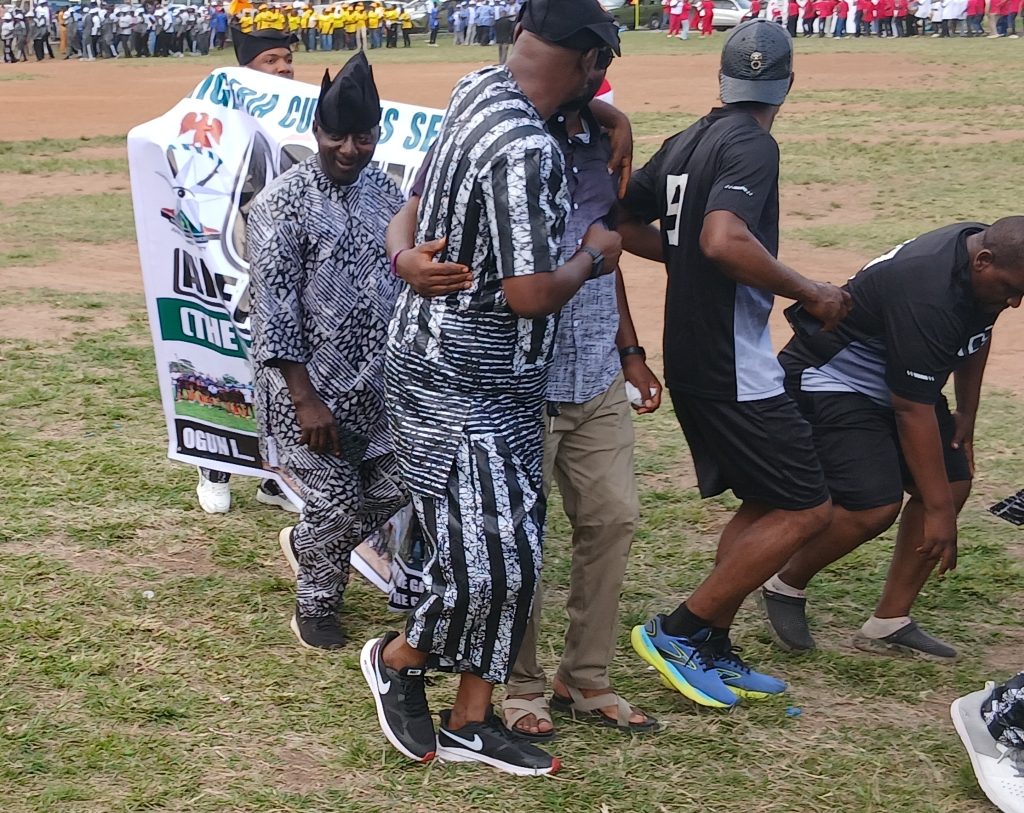




Again, Customs FOU Zone ‘A’ Rescues Five Live Pangolins in Ogun State

Lagos-Calabar Highway: When a Presidential Legacy Project Collides with Accountability (2)
Lagos-Calabar Highway: Did Nigeria Pay the Price for Inadequate Planning?

ANLCA Airport Crisis: Police Raid Raises Questions Over IGP’s Respect For Court Orders

‘We Arrested Several Vessels Violating Cabotage Trade’ – NIMASA

Customs CGC Says ‘The World Is Connected, Not Borderless’

Nigeria Customs Mulls Reviews of Complaints Arising from Recruitment

Edo-Delta Journalists Forum Challenges Political Leaders on Regional Development

Nnadi Urges Nigerian Importers to Shift from Finished Goods to Manufacturing

WMD: Oyetola Recommit to Unlock CVFF Pursuant to Indigenous Operators Financing

Customs FOU Zone ‘A’ Hands Over Seized ₦511.4m Pharmaceuticals, Illicit Drugs to NDLEA, NAFDAC

Oyetola Unveils NPERA, Corporate Logo Amid Quiet Enthusiasm
ANLCA Board is intact, cannot be wished away by anybody’-Elochukwu

B-R-E-A-K-I-N-G: Effedua, Rector MAN Oron, Resigns

EFCC’s Probe: Okowa Plots Sheriff’s Removal Despite London Accord
Customs Trains ANLCA Members, Others on B’Odogwu Portal

NPA’s Alleged Executive Management Fight: The Half Truth & Truth
ANLCA Board Election: Know Your Candidates
‘Why We Launched B-Odogwu Pilot Scheme With Webb Fontaine Still Running’ – Adeniyi

Onyeka Makes History As Tin-Can Customs Hit ₦16.4bn A Day

Onyemekara Promoted GM, Appointed NPA’s New Spokesperson

Nigeria Customs: Trust, Competence And The Oramalugo Factor

Apapa Customs Collects ₦161b On B’Odogwu Platform In 3 Weeks

‘Rush To Break News Can Lead To Brush With Cybercrime’- Police