
Customs Report
When Customs Commissioned Rehabilitated Eleme Health Facility

BY EGUONO ODJEGBA
For an agency traditionally associated with revenue collection, cargo examination, anti-smuggling operations and border enforcement, the Nigeria Customs Service (NCS) is increasingly extending its footprint into an area that has little to do with customs duties but much to do with the communities where it operates.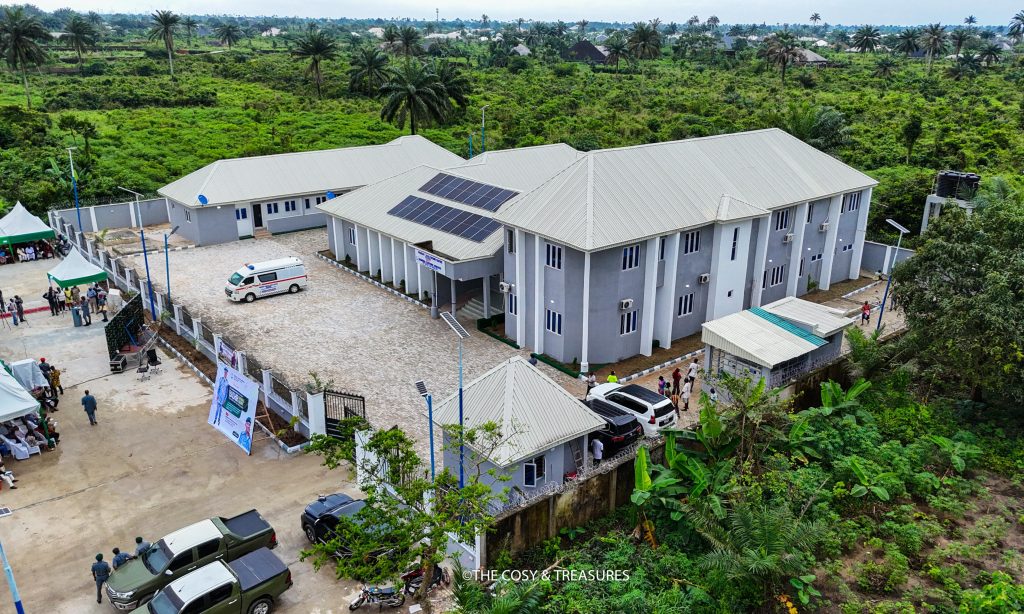
That evolving role came into focus on Tuesday, September 15, 2026, when the Service commissioned the rehabilitated Ebubu Primary Healthcare Centre in Eleme, Rivers State, under its Corporate Social Responsibility (CSR) programme, Customs Cares.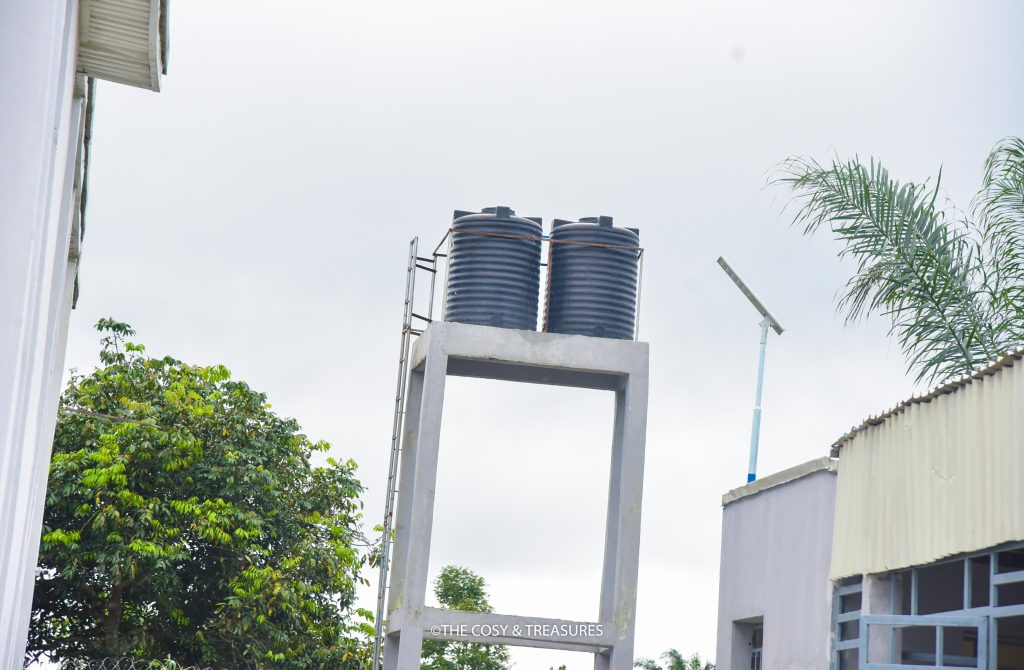
The project, according to the NCS, is part of a broader intervention designed to support host communities and contribute to social development beyond the Service’s statutory responsibilities.
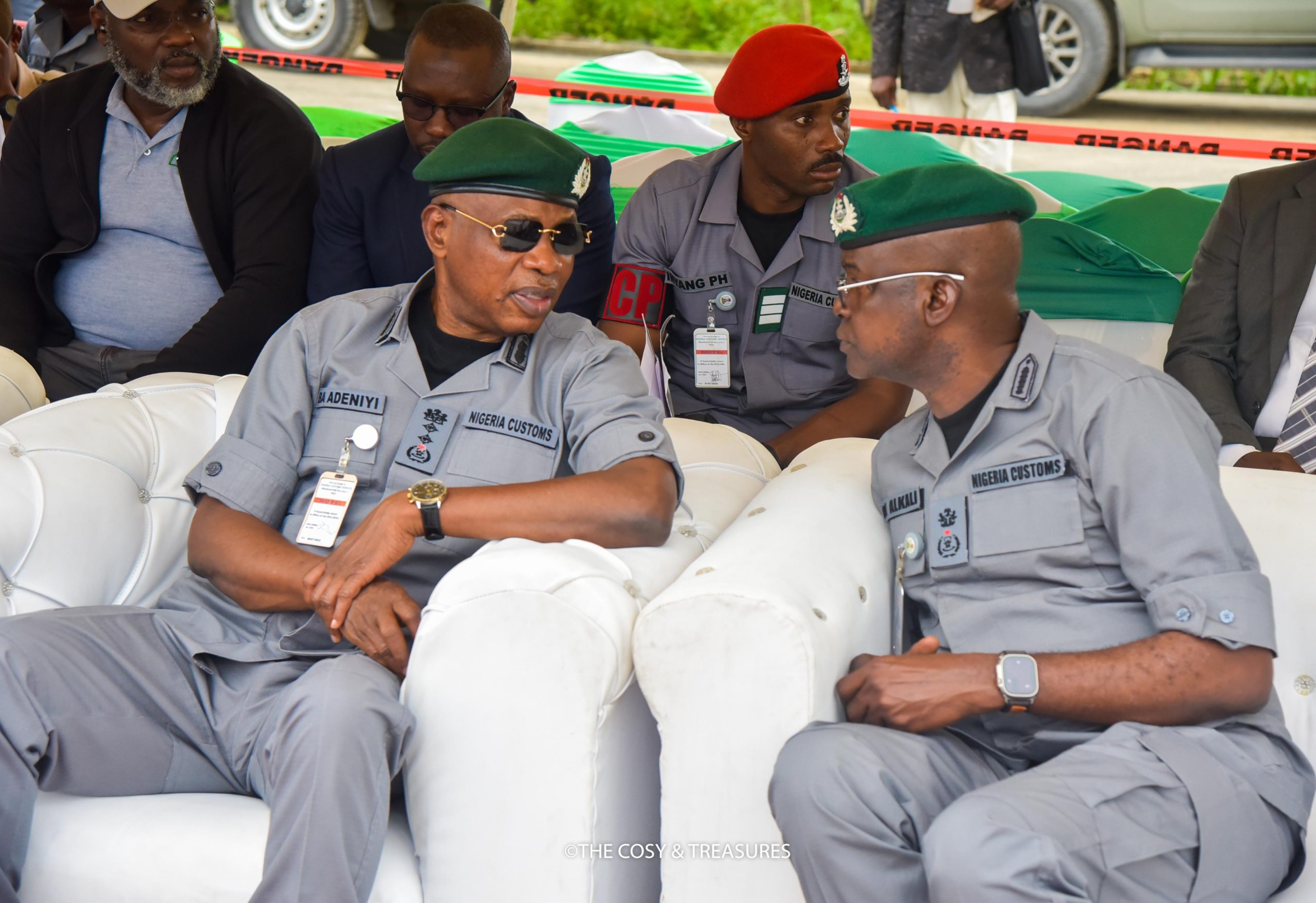
At the commissioning, Comptroller General of Customs, Adewale Adeniyi, described the Eleme healthcare intervention as more than an infrastructure project, arguing that access to functional primary healthcare is directly linked to human dignity, productivity and community development.
“What we have achieved here is therefore more than physical rehabilitation. We have invested in access, dignity and hope,” Adeniyi said.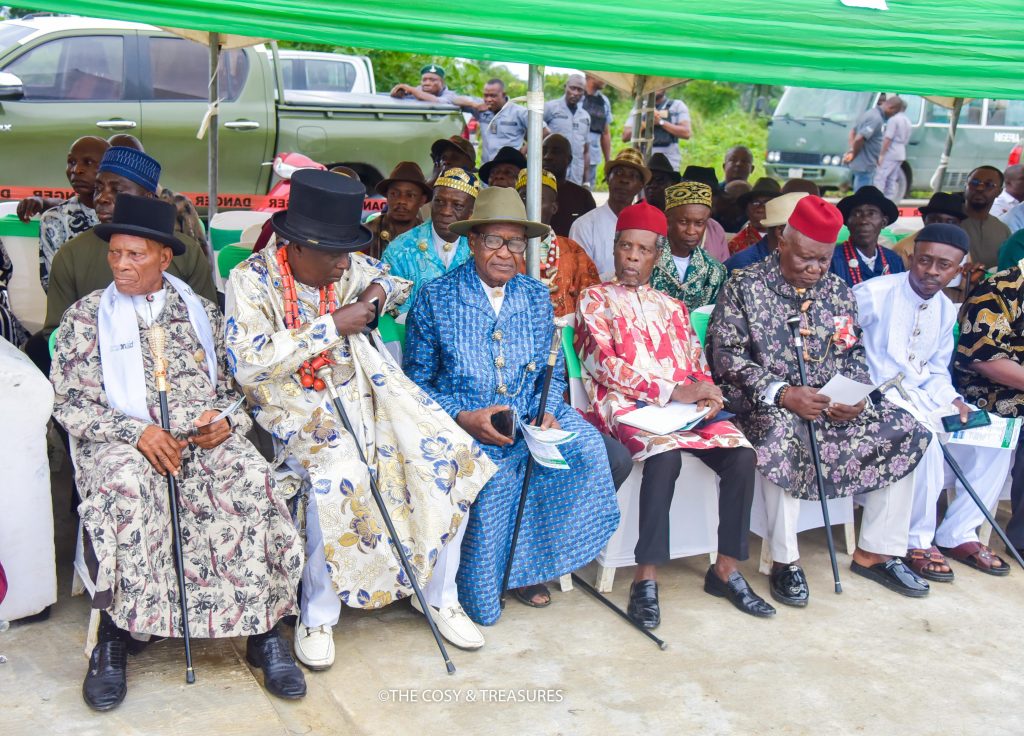
The statement captures an important dimension of the Customs Cares programme: the attempt to measure institutional impact not only through the traditional metrics of revenue generated, seizures made or trade facilitated, but also through the quality of life in communities that interact with the Service.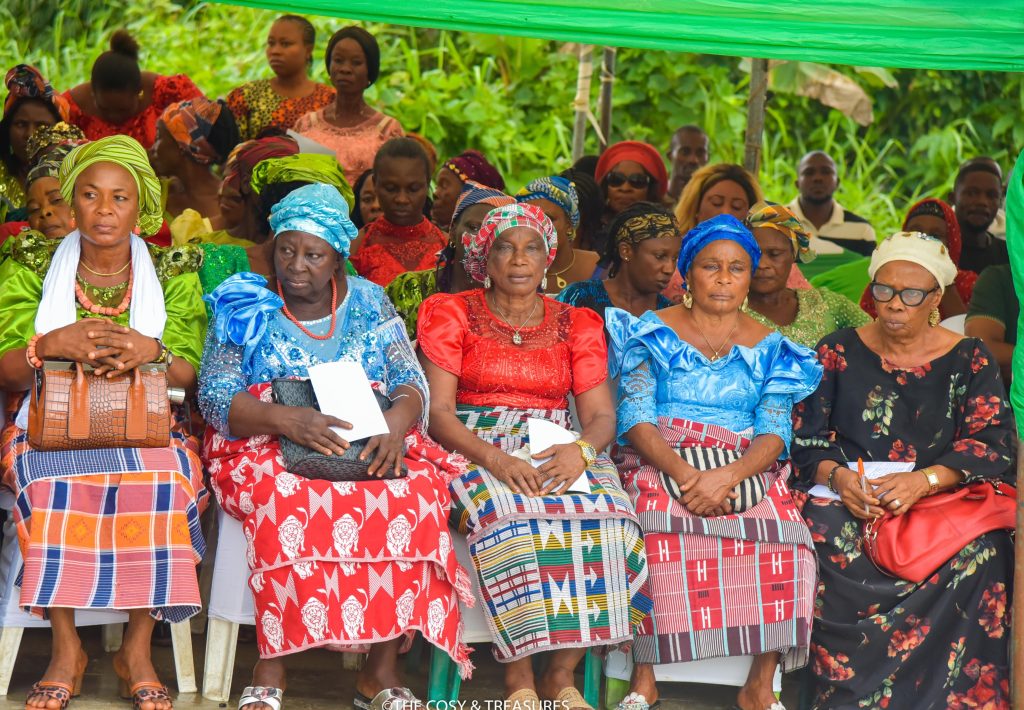
Beyond revenue and enforcement
The rehabilitation of the Ebubu Primary Healthcare Centre is significant against the backdrop of the growing expectations on government agencies and large institutions operating within local communities.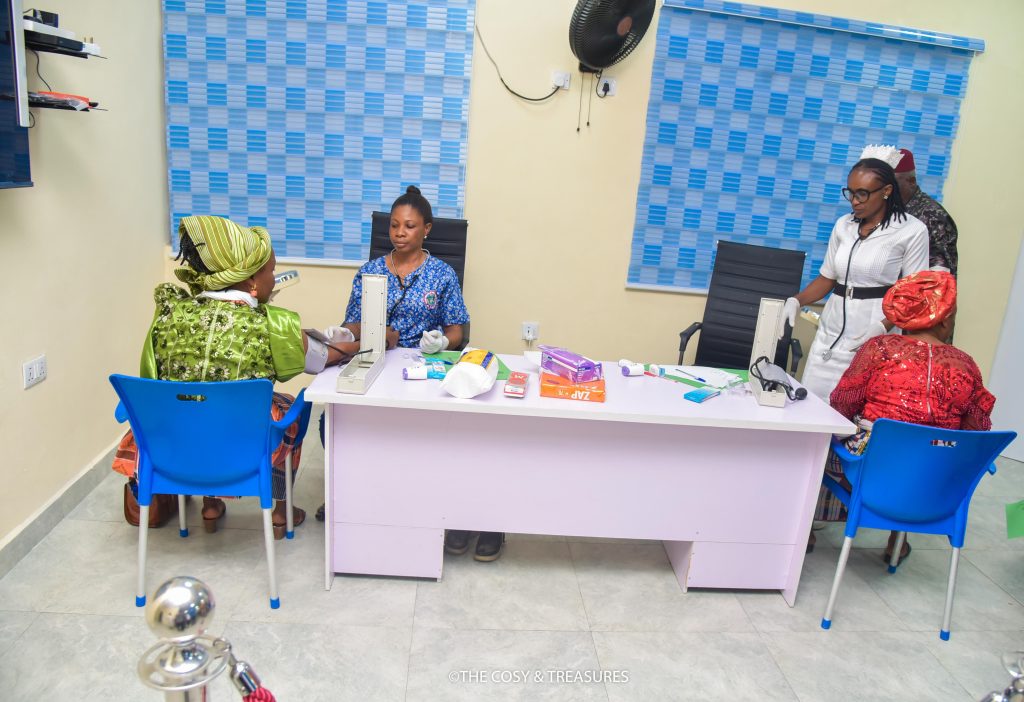
Customs commands, particularly those located around major ports, border corridors and industrial clusters, operate within communities whose residents often judge the presence of government institutions by more immediate realities — infrastructure, employment opportunities, security, healthcare and other social amenities.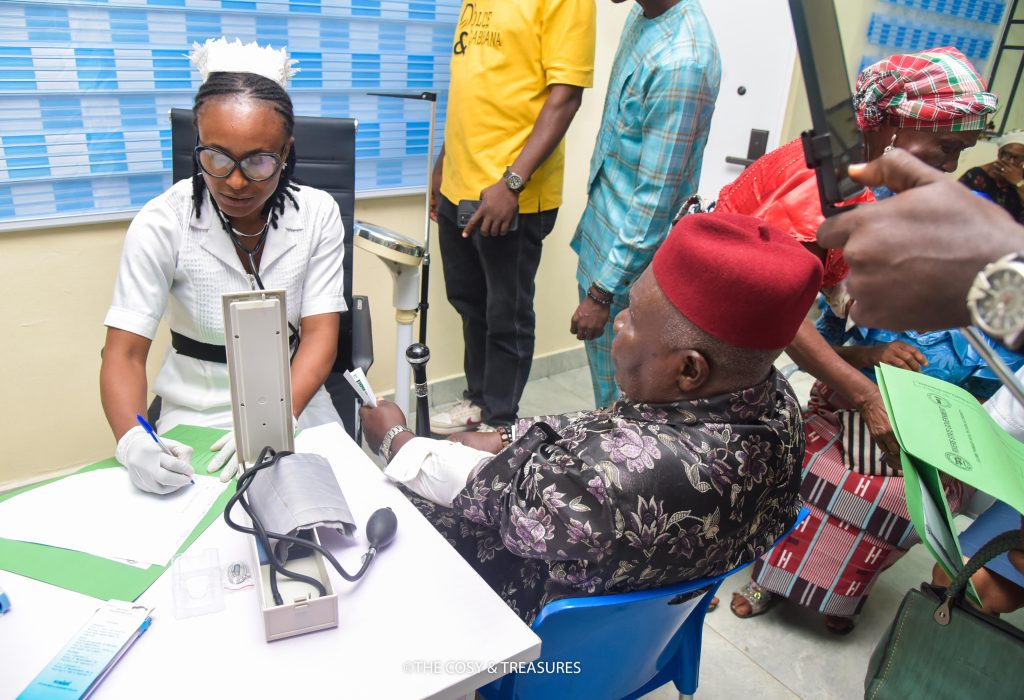
For the Port Harcourt II Area Command, Onne, whose operational environment includes Eleme and the wider industrial and maritime ecosystem of Rivers State, the intervention therefore provides another dimension to the Service’s community engagement.
Customs Area Controller, Port Harcourt II Area Command, Comptroller Aliyu Alkali, put the issue more directly when he said the Service’s impact should not be measured solely by revenue figures or enforcement statistics, but also by the positive difference its presence makes in the communities where it operates.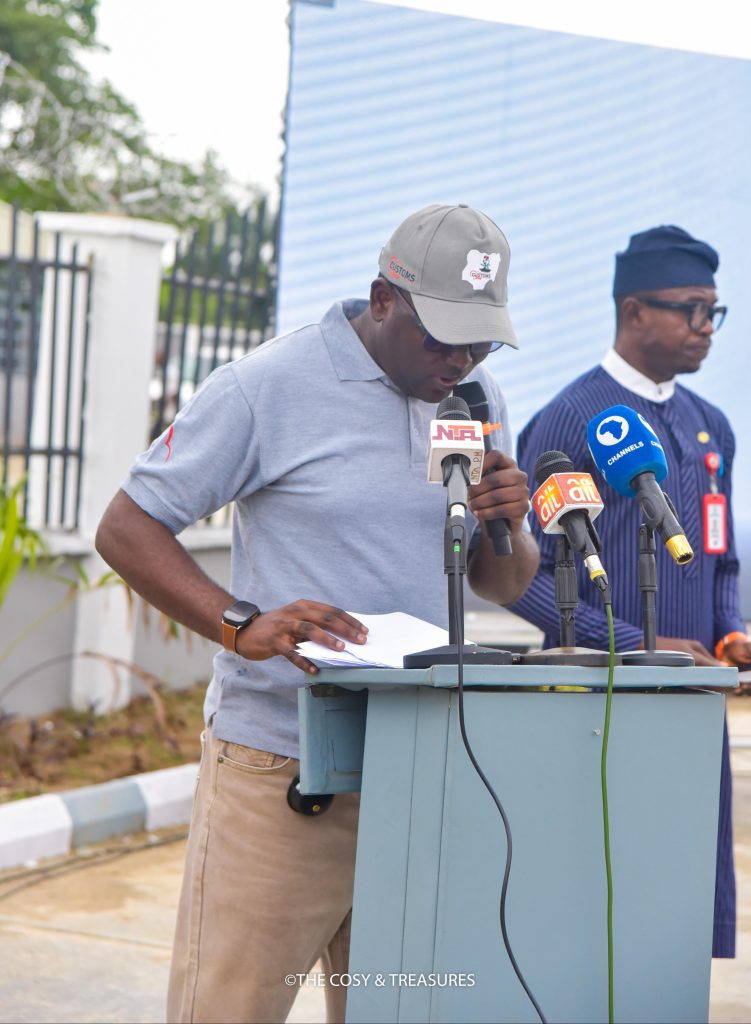
That proposition represents a shift in the traditional perception of Customs. Revenue remains central to the agency’s mandate, just as trade facilitation and border security remain critical to the national economy. But for institutions with a significant physical presence in communities, corporate citizenship can increasingly become part of how their wider contribution is assessed.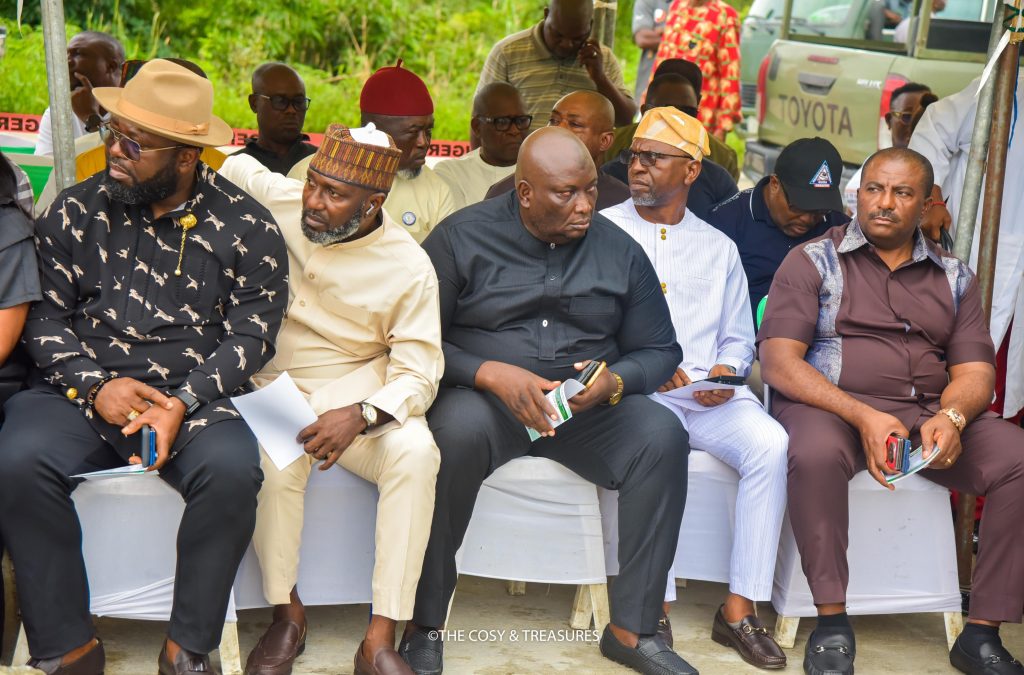
The Customs Cares Model
The Ebubu project also provides an opportunity to examine the scope of Customs Cares, which was formally launched by the NCS in March 2025. According to Adeniyi, the programme has since covered a range of interventions, including school renovations, scholarships, medical outreaches, healthcare facility rehabilitation, food distribution, agricultural initiatives, skills acquisition programmes, solar-powered lighting, boreholes and other community infrastructure.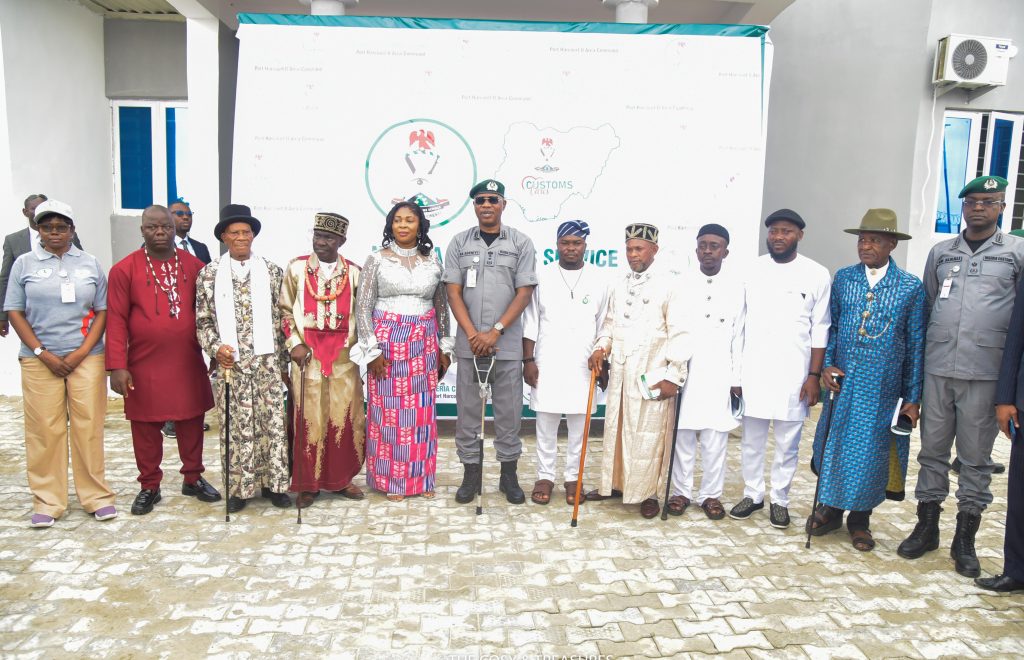
The breadth of these interventions suggests that the programme is being positioned as a structured CSR platform rather than a one-off charitable gesture. For an organisation such as Customs, whose core activities are closely connected to economic activity, the business case for community engagement is also broader than philanthropy.
A functional relationship between institutions and host communities can support social acceptance, strengthen stakeholder relations and create an environment in which government operations are better understood and supported.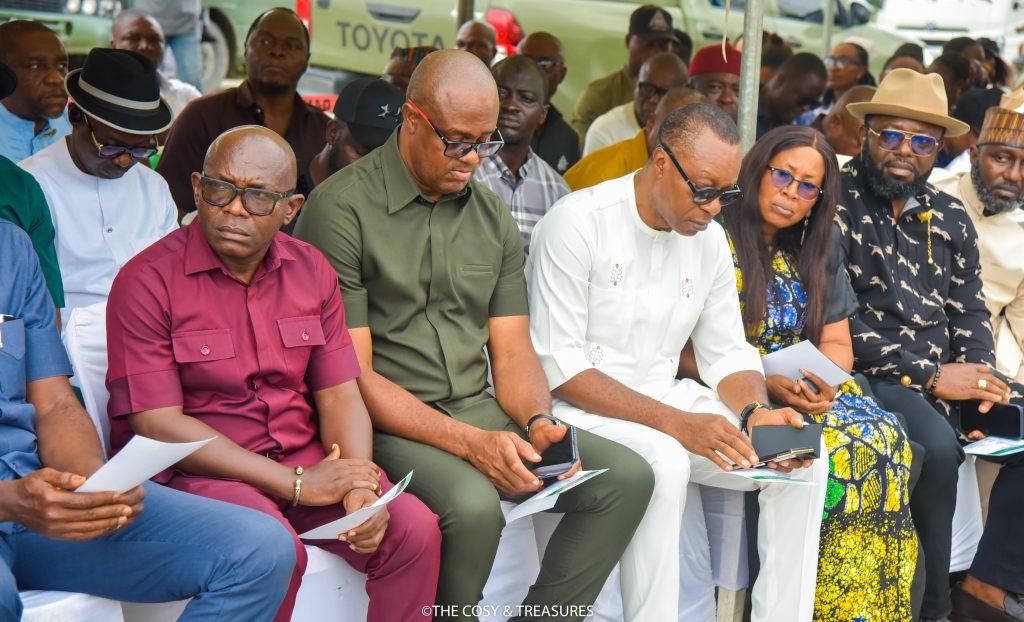
This is particularly relevant in locations such as Eleme, where maritime trade, logistics, manufacturing, energy and other economic activities converge with sizeable host communities.
From Rehabilitation To Sustainability
But commissioning a rehabilitated healthcare centre is only one part of the equation. Adeniyi himself acknowledged this when he stressed that the facility would only fulfil its purpose if it was properly managed and maintained. The CGC identified adequate staffing, regular maintenance and continued support from relevant government institutions and the community as critical to the sustainability of the project. That warning is important.
Across the country, public infrastructure projects have often faced challenges not because of the quality of the initial intervention, but because of inadequate maintenance, insufficient staffing, weak institutional ownership or lack of funding after commissioning.
For Ebubu Primary Healthcare Centre, therefore, the real measure of the Customs intervention will ultimately extend beyond the commissioning ceremony.
It will be whether residents can consistently access quality primary healthcare from the facility months and years after the ceremonial ribbons have been cut.
It will also depend on the ability of the Rivers State Government, Rivers State Primary Health Care Board, Eleme Local Government Council, health professionals and the host community to assume their respective responsibilities.
A Shared Ownership Proposition
That shared responsibility was reinforced by the CGC, who acknowledged the contributions of traditional rulers, community leaders, the Rivers State Government, the State Primary Health Care Board, Eleme Local Government Council, healthcare professionals and other stakeholders to the success of the project.
The message from the stakeholders at the event was equally clear: the rehabilitated centre should be regarded as a community asset whose usefulness depends on collective ownership.
For the NCS Corporate Social Responsibility Unit, the project fits into a wider institutional philosophy. Comptroller Patience Ibrahim, who oversees the CSR Unit, said the Customs Cares initiative reflected the Service’s belief that its responsibility to Nigerians extends beyond revenue collection to making a meaningful difference in the communities it serves.
That philosophy could become increasingly relevant as public institutions seek ways of demonstrating their broader economic and social value.
Measuring The Wider Impact
The Eleme project consequently raises a larger question about how the performance of public institutions should be viewed. For Customs, revenue remains an important performance indicator. So are trade facilitation, enforcement, border security and compliance.
But where the agency operates, its relationship with the surrounding population inevitably creates another layer of responsibility.
A rehabilitated primary healthcare centre may not appear on a Customs revenue chart. It does not constitute a seizure statistic and does not directly add to the volume of cargo cleared through the nation’s ports.
Its value, however, can be measured differently — in reduced distance to healthcare, improved conditions for patients and medical personnel, and potentially better health outcomes for residents. That is the broader proposition behind Customs Cares.
And in Ebubu, the Nigeria Customs Service has chosen a healthcare facility to demonstrate that proposition: that an institution whose core mandate revolves around the movement of goods, collection of revenue and protection of the nation’s borders can also leave a social footprint in the communities where it performs those duties.
The commissioning may have marked the completion of the rehabilitation work. For the people of Ebubu, however, the more important chapter begins after the ceremony: when the facility starts functioning as the healthcare centre it was rebuilt to become.






When Customs Commissioned Rehabilitated Eleme Health Facility

ANLCA@72: Making Celebration a New Covenant for Peace, Unity and Professionalism

NIMASA Unveils National Innovation Hackathon, Open Young Innovators Por

Ogun 1 Customs Intercepts N417m Range Rover

Operator Raises Alarm Over Foreign Control, Cartelisation of Maritime Supply Chain

Tin-Can Customs Generates ₦137.298bn in August

DG NIMASA, Mobereola Reasserts Cabotage Implementation Key To Maritime Development

Tribute to a Colossus: The Eternal Legacy of Alhaji Bamanga Tukur (1935–2026)

Stakeholders To Re-Examine Blue Economy Imperatives
ANLCA@72: From Founders’ Dream to Indispensable Pillar of Nigeria’s Port Economy

ANLCA’s 72nd Anniversary: NECOM Reels Out Programme, Says Peace Worth Celebrating

US Coast Guard, Nigeria and the Politics of a Maritime Victory

ANLCA Board is intact, cannot be wished away by anybody’-Elochukwu

B-R-E-A-K-I-N-G: Effedua, Rector MAN Oron, Resigns

EFCC’s Probe: Okowa Plots Sheriff’s Removal Despite London Accord
Customs Trains ANLCA Members, Others on B’Odogwu Portal

NPA’s Alleged Executive Management Fight: The Half Truth & Truth
ANLCA Board Election: Know Your Candidates
‘Why We Launched B-Odogwu Pilot Scheme With Webb Fontaine Still Running’ – Adeniyi

Onyemekara Promoted GM, Appointed NPA’s New Spokesperson

Nigeria Customs: Trust, Competence And The Oramalugo Factor

‘Rush To Break News Can Lead To Brush With Cybercrime’- Police

Kebbi Is Hub of Hard Drugs Smuggling In Northern Region’ – Oramalugo

‘Our Trade Security Is More Protected Under B’Odogwu’ – Daniyan