
Business
MAN Oron Graduates Emerge As Globally Competitive Seafarers

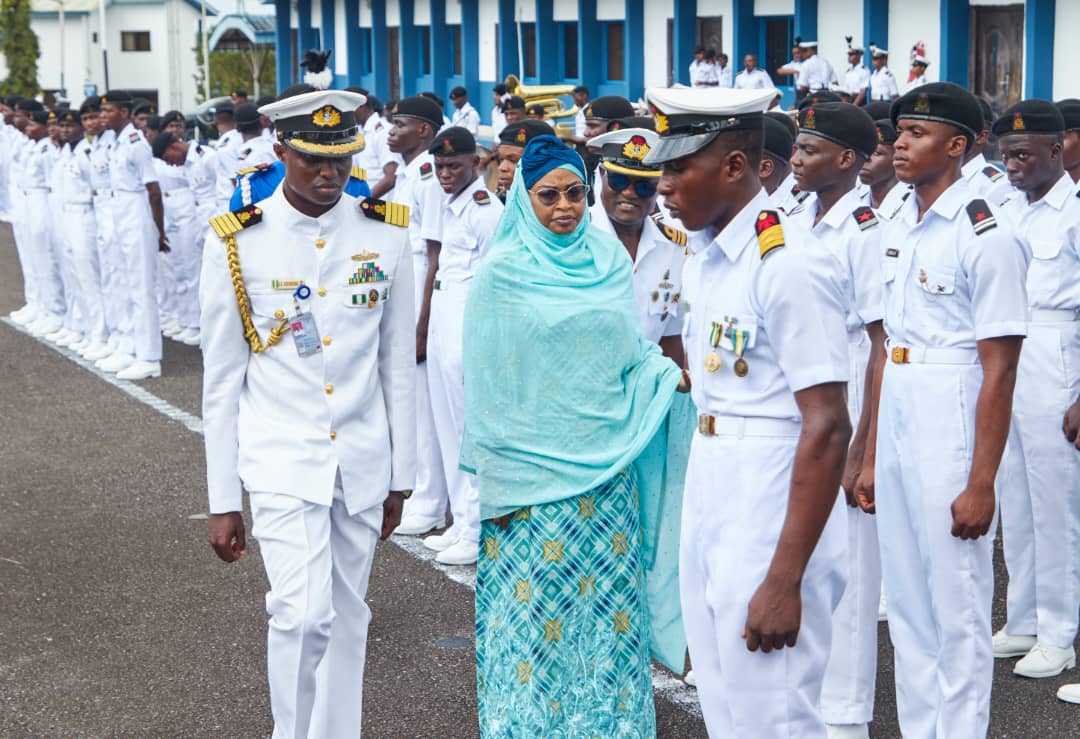
…As Industry Partnerships Open Employment Pathways
BY EGUONO ODJEGBA
The Maritime Academy of Nigeria (MAN), Oron, is steadily redefining the prospects of Nigerian maritime graduates, moving beyond the traditional award of academic certificates to producing internationally competitive seafarers whose training, professional exposure and employability are increasingly aligned with the demands of the global shipping industry.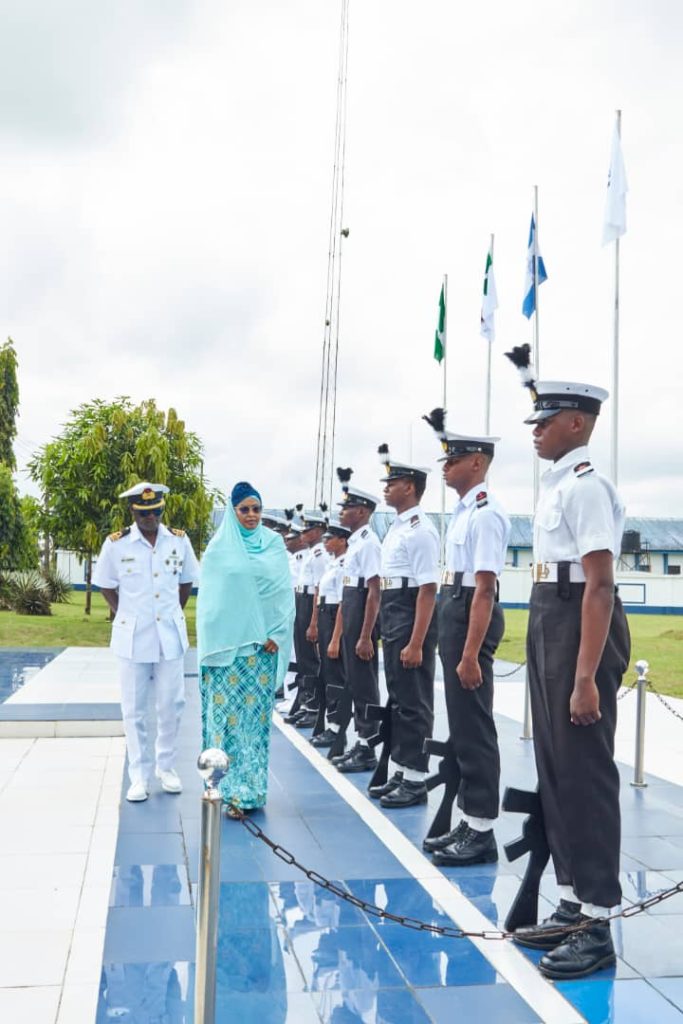
The graduation of 314 cadets with National Diploma (ND) and Higher National Diploma (HND) qualifications on Thursday, October 29, 2026, represents more than another academic milestone for the institution. It reflects an emerging transition in Nigeria’s maritime manpower development, with growing evidence that its graduates are becoming better positioned to secure professional certification, gain mandatory onboard experience and access employment opportunities within the international maritime labour market.
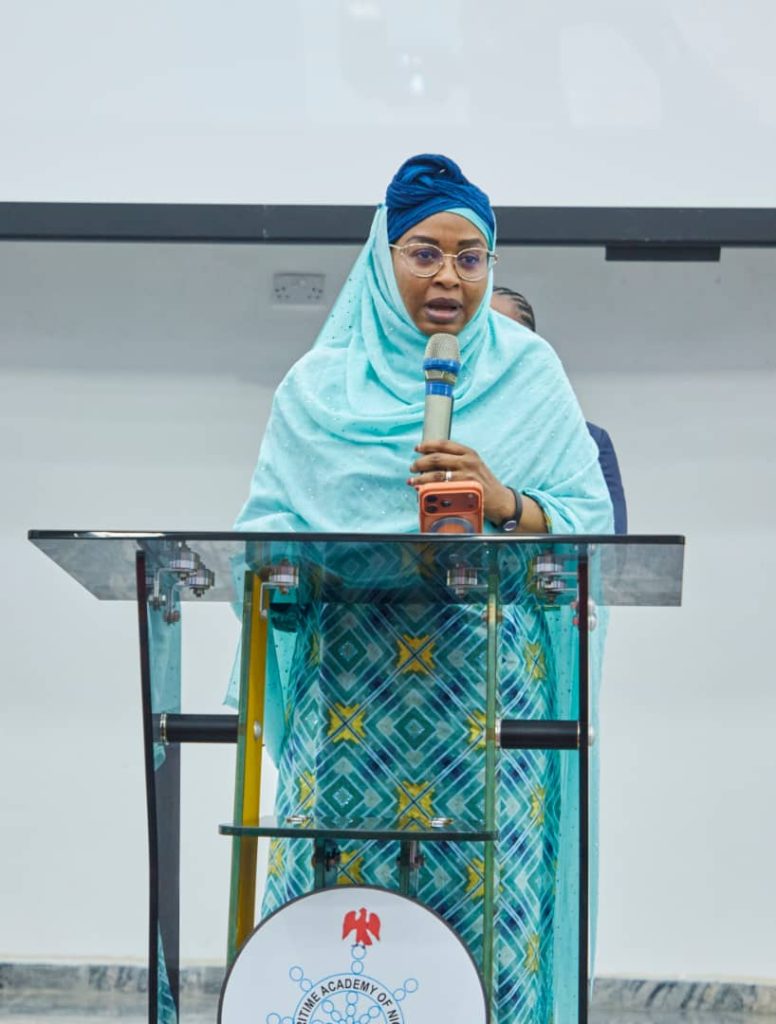
The Perm Sec, Mrs Fatima Mahmood delivering the Minister’s speech during the graduation ceremony
At the centre of this development is a deliberate effort to bridge one of the most persistent gaps in Nigerian maritime education, which is the difficult transition from classroom training to practical sea experience and, ultimately, gainful employment.
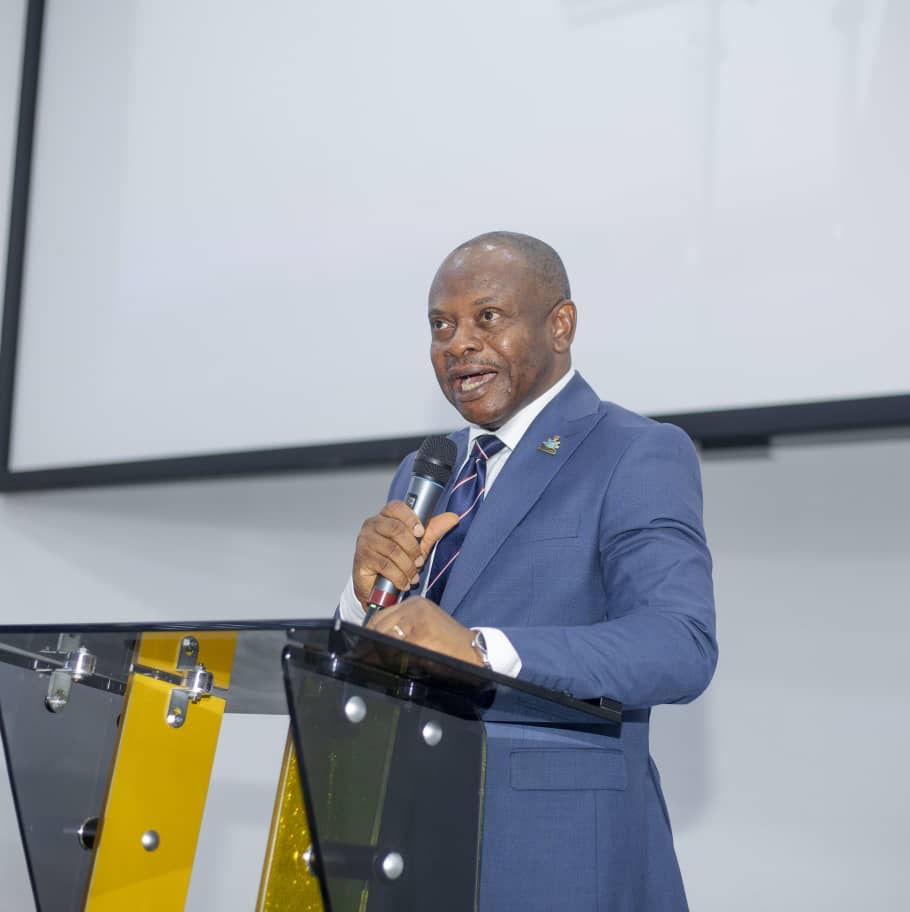
Ag Rector Okonna, giving his welcome address
The significance of this shift was underscored by the Minister of Marine and Blue Economy, Adegboyega Oyetola, represented by the Permanent Secretary, Mrs Fatima Sugra Tabi’a Mahmood, who challenged the Academy and its industry partners to measure the value of maritime education not merely by the number of graduates produced but by their ability to secure professional certification, onboard employment and productive careers.
According to the Minister, the ultimate objective of maritime education should be to develop competent professionals capable of finding meaningful employment, competing internationally and contributing to the growth of Nigeria’s marine and blue economy.

NSML MD, Ahmed addressing the cadets, management and stakeholders
His position captures the central challenge confronting maritime training institutions in the country. In the normal course of things, while producing graduates is one thing; producing competent, certified and employable seafarers who can compete for positions aboard internationally trading vessels is another.
For MAN Oron, however, the growing collaboration with shipping companies and industry stakeholders appears to be providing a more practical response to that challenge.
The Acting Rector, Dr Kevin Okonna, disclosed that since the Academy’s last graduation ceremony in November 2025, more than 50 cadets had successfully secured placements aboard internationally trading vessels for their mandatory one-year sea-service training.
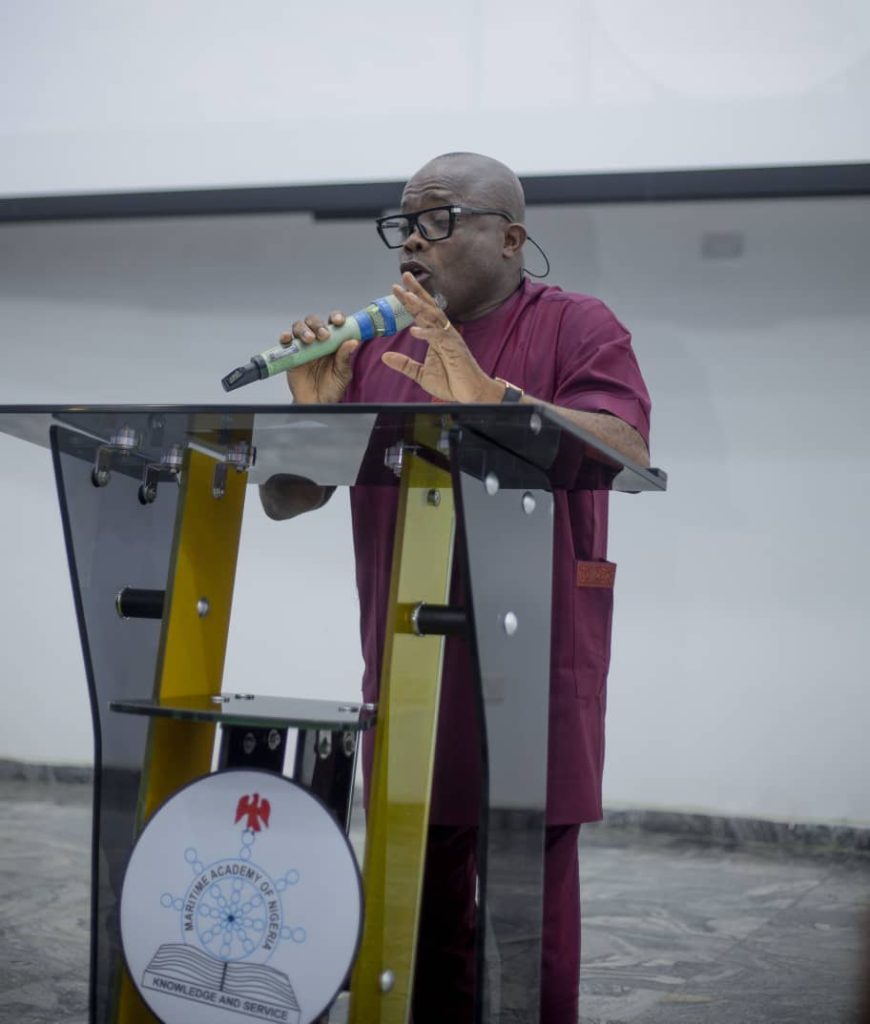
Akwa Ibom State Commissioner for Transport, representing Governor Udom at the event
Significantly, 43 of these cadets are undertaking their sea-time experience aboard modern and sophisticated vessels operated by NLNG Shipping and Marine Services Limited (NSML), an arrangement that offers the young maritime professionals’ valuable exposure to the operational realities of international shipping.
The development is particularly important because mandatory sea-time experience remains a critical requirement in the professional development and certification of deck and engine-room officers. Without the requisite onboard experience, many maritime graduates face considerable difficulty progressing from academic qualifications to internationally recognised professional certification.
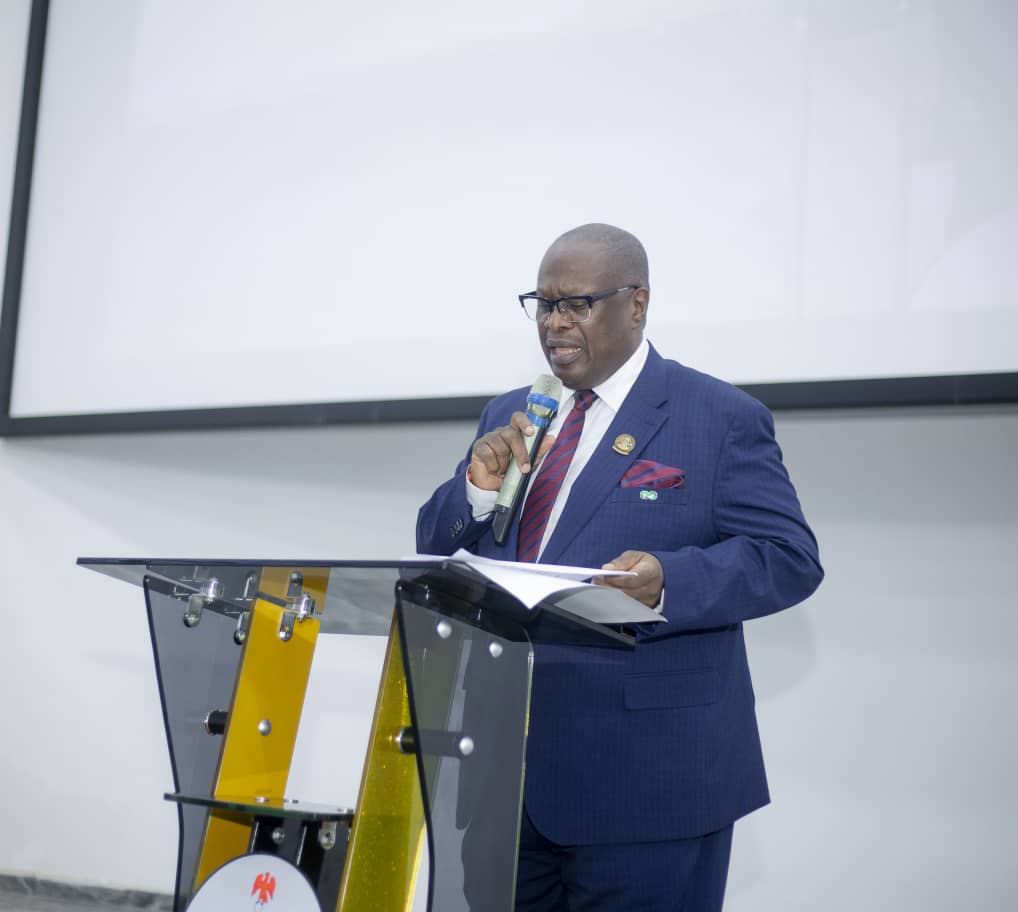
MAN Governing Board Chairman, Engr. K O Akinola giving his address
The Perm Sec acknowledged this challenge, describing access to mandatory sea-time training as one of the most critical issues confronting Nigerian maritime cadets.
She commended NSML, the Nigerian Shipowners Association of Nigeria, Starzs Investment Limited, Sea Transport Services Nigeria Limited, Arion Energy Services Limited and other industry partners for providing opportunities for Nigerian cadets to acquire practical experience aboard operating vessels.
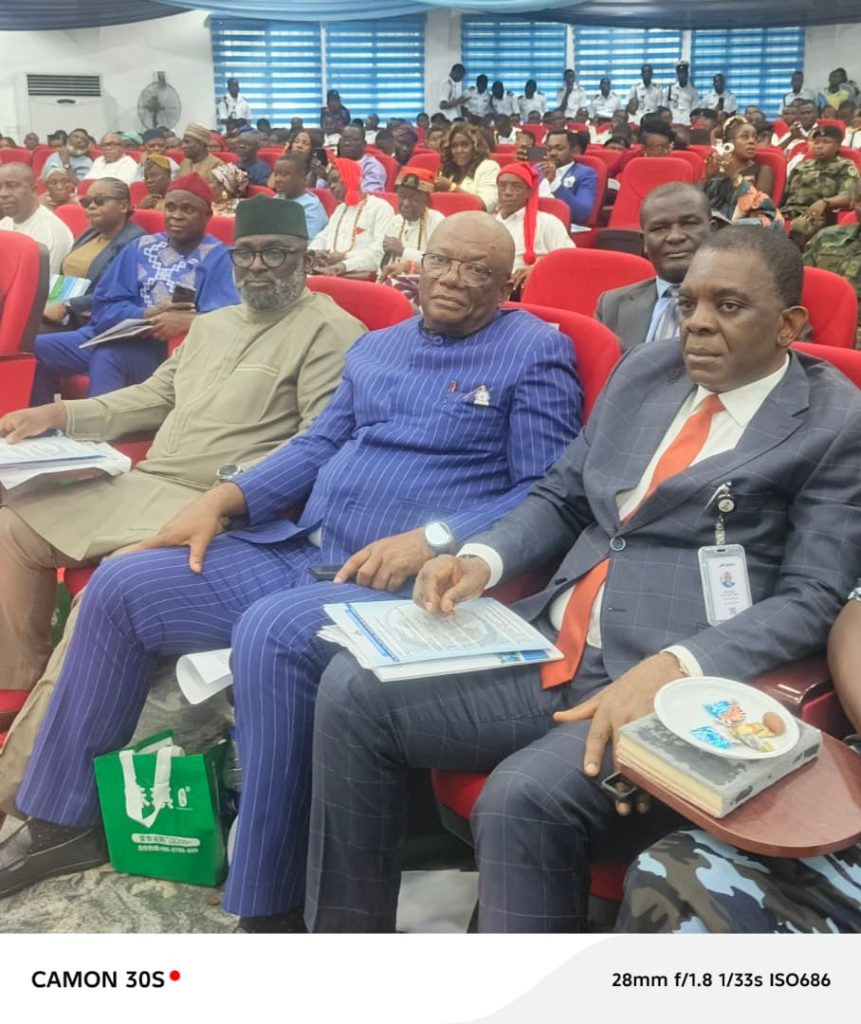
L-R: NPERA DG, Dr. Pius Akutah, Abuja MoU ES, Captain Sunday Umoren, NSML MD, Dr. Abdukadir Ahmed during the graduation ceremony last week
She also urged more indigenous shipowners and maritime operators to embrace cadet training, describing the provision of sea-time opportunities as an investment in the future of Nigeria’s shipping industry rather than merely an act of support for the Academy.
Perhaps the most compelling evidence of the Academy’s improving employment prospects is the increasing willingness of industry operators to commit resources and opportunities to its graduates.
At the October 29 ceremony, the growing partnership with NLNG and NSML received further impetus with the announcement of employment opportunities for 51 graduating cadets, comprising 30 positions to be taken up by NLNG and another 21 by NSML.
The commitment, announced by NSML Managing Director, Abdulkadir Ahmed, through the Acting Rector, reinforces the growing relationship between the Academy and one of Nigeria’s most significant shipping and marine services operators.
It also represents a potentially important shift in the employment outlook for maritime graduates, where industry participation is beginning to extend beyond the provision of training berths to actual career opportunities.
For the 314 graduating cadets, the development provides a compelling demonstration that maritime education can lead to more tangible economic prospects when academic institutions, government and private-sector operators work together.
More importantly, the arrangement provides an incentive for the Academy to sustain training standards that meet the expectations of prospective employers, while encouraging shipping companies to recognise local maritime training institutions as reliable sources of competent manpower.
The Acting Rector further disclosed that reports received from vessels hosting the Academy’s cadets had been impressive, with their professional performance and character rated between very good and excellent.
This assessment is significant because the credibility of a maritime training institution is ultimately determined not simply by its curriculum or certificates but by the performance of its graduates in real operational environments.
Beyond the growing sea-time and employment arrangements, MAN Oron’s improving profile is also being reinforced by its commitment to internationally recognised training standards and quality assurance.
The Academy’s Nautical Science and Marine Engineering programmes have been developed in line with the International Convention on Standards of Training, Certification and Watchkeeping for Seafarers (STCW), 1978, as amended.
The Minister commended the institution for its contributions to the development of STCW-compliant curricula, describing the achievement as an important foundation for improving the international competitiveness of Nigerian-trained seafarers.
The Academy, Okonna further disclosed also secured international certifications earlier in 2026 under ISO 9001:2015 for Quality Management Systems and ISO 21001:2025 for Educational Organisations Management Systems, issued through the Standards Organisation of Nigeria.
These certifications strengthen the institution’s quality assurance framework and provide an additional platform for demonstrating that its training and administrative processes are aligned with recognised international standards.
Equally noteworthy is the Academy’s arrangement with international professional bodies to register its cadets during their training. According to Okonna, every cadet in the institution is registered with at least one of the Nautical Institute, United Kingdom; the Institute of Marine Engineering, Science and Technology (IMarEST), United Kingdom; the Chartered Institute of Logistics and Transport (CILT); or the Chartered Institute of Transport Administration (CIOTA).
Such professional affiliations offer cadets opportunities to begin building their professional identities and industry networks before leaving the Academy.
The presentation of the Nautical Institute, UK, award to the best graduating cadet in Nautical Science further demonstrated the institution’s growing engagement with international maritime professional organisations.
Also speaking about the progress been made, Okonna pointed to yet another significant development in which the Academy, with support from the Nigerian Maritime Administration and Safety Agency (NIMASA), won a competitive Expression of Interest to partner with the International Maritime Organisation (IMO) and the World Maritime University (WMU) as the focal institution for the Future Ready Shipping (FRS) in Africa Project.
The initiative supports integrated pilot programmes for green and digital shipping in sub-Saharan Africa. This partnership is particularly relevant as the global shipping industry undergoes technological and environmental transformation, requiring a new generation of maritime professionals equipped not only with conventional seafaring skills but also with the capacity to adapt to digital systems, emerging technologies and the requirements of cleaner shipping.
For Nigerian cadets, exposure to such developments could become an important competitive advantage in a maritime labour market increasingly shaped by technological innovation and environmental compliance.
The Minister’s address also placed the Academy’s achievements within the broader ambition of the Federal Government to unlock the economic potential of the marine and blue economy under President Bola Ahmed Tinubu’s Renewed Hope Agenda.
The Perm Sec noted that the adoption of Nigeria’s first National Policy on Marine and Blue Economy provides a strategic framework for sectoral growth, employment generation and the development of the skilled workforce required to sustain the industry.
However, she emphasised that the success of this ambition depends considerably on the availability of competent manpower capable of supporting shipping, marine transportation, offshore operations and other maritime economic activities.
In this regard, the Academy occupies a strategic position in Nigeria’s maritime development architecture. Its responsibility goes beyond producing deck and engineering graduates. Its leadership and management have left nothing to chance in the effort to develop professionals who can meet the technical, operational and safety requirements of an industry where mistakes can have serious consequences for human lives, vessels, cargoes and the marine environment.
Conscious of this, the Minister urged the graduating cadets to uphold discipline, integrity, resilience, technical competence and an unwavering commitment to safety, while embracing lifelong learning and emerging maritime technologies.
He also stressed the importance of closer collaboration between government, regulatory institutions, shipowners, maritime operators and training institutions to ensure that the transition from classroom education to professional certification and employment becomes more effective.
Meanwhile, the graduation ceremony also provided the platform for the official launch of the Academy’s Enterprise Content Management System (ECMS), another development pointing to the institution’s evolving operational capacity.
The system, formally launched by the Minister’s representative, is designed to move the Academy away from manual and paper-based administrative processes towards a more efficient, transparent, secure and accountable digital environment.
According to the Acting Rector, the implementation follows a directive of the Governing Council and forms part of the Academy’s Performance Bond for Ministerial Deliverables for 2026.
The initiative also aligns with the Federal Government’s wider public-service digital transformation reforms, which seek to improve institutional efficiency, transparency, accountability and service delivery through automation and digitisation.
While the ECMS is primarily an administrative reform, its introduction complements the Academy’s wider effort to modernise its operations and strengthen the institutional environment supporting maritime education.
The Acting Rector also disclosed that the Academy had implemented its newly approved Conditions of Service and organisational structure in 2026, with corresponding improvements in staff welfare.
These measures, taken together, point to an institution seeking to improve not only its training outcomes but also the internal systems required to sustain institutional performance.
The bigger employment question notwithstanding the encouraging developments lies in the Academy’s ability to sustain the momentum and expand the opportunities available to successive generations of cadets.
Perhaps, the greatest fillip to sustaining this rising profile is be urgently reviewing the present status of the institution’s management into substantive appointments; from the Acting Rector downwards. There is gainsaying that a secured appointment provides additional moral courage and confidence in pushing through with tasking targets.
Indeed, while the deployment of more than 50 cadets for sea-time training, the 43 placements aboard NLNG vessels and the fresh employment commitment involving 51 graduating cadets represent important progress; they also underline the scale of the work still required.
Nigeria’s maritime industry needs a stronger indigenous seafaring workforce, and the Academy cannot achieve that objective alone; or without sufficient morale booster that defines appointment status.
The shipping industry must increasingly see cadet training as a strategic investment in manpower development, while government and regulatory agencies must sustain the policies and institutional support necessary to make local maritime graduates competitive.
For indigenous shipowners in particular, providing sea-time opportunities and absorbing qualified Nigerian seafarers should become part of a broader strategy to strengthen national shipping capacity and reduce dependence on foreign maritime manpower.
The challenge also extends to ensuring that the opportunities created are sustained beyond ceremonial announcements, with transparent placement arrangements, effective monitoring of onboard training and measurable progression from academic graduation to professional certification and employment.
For the 314 cadets who graduated on October 29, the immediate significance of the Academy’s progress is that they are leaving an institution increasingly connected to the operational realities of the global maritime industry.
As Okonna charged them, their professional identities must be defined not only by technical competence but also by integrity and character. His message was that they should not misrepresent the Academy but uphold its reputation wherever their careers take them.
Ultimately, MAN Oron’s emerging transformation offers an important lesson for Nigeria’s marine and blue economy. Which is that the value of maritime education lies not simply in the number of certificates awarded, but in the quality of professionals produced, the opportunities available to them and their capacity to translate acquired skills into economic value.
If the growing partnerships with NLNG, NSML and other industry operators are sustained and expanded, the Academy could become a more formidable supplier of internationally competitive seafarers, while helping Nigeria build the human-capital foundation required for a stronger indigenous shipping industry.
For a country seeking to translate its vast maritime potential into jobs, investment and economic growth, that would be a development worth sustaining.





Nigeria Customs Shines At 2026 WCO Global Event With Smart Digital Transformation

Nigeria Customs Move to Neutralise Online Scams, Fake News with AI Data Tracking

CVFF: A Tale of Two Truths in Institutional Dissonance

NNMJ Unity Conference: Oyetola, Omatseye, Akabogu to Re-examine Maritime Sector Reforms

MAN Oron Graduates Emerge As Globally Competitive Seafarers

No Cargo, No Capital: Why Nigeria’s Shipowners Must Solve the Revenue Question First

Oyetola Pushes CVFF Disbursement, Agbakoba Demands Cargo-Backed Shipping Finance At Scan Summit

ANLCA Presidential Aid, Ayokunle Bags Alakoso-Adeen Title

51 MAN Oron Cadets Bags NLNG Seatime Offers As 314 Graduates

Captain Enisuoh Advances Fresh Narratives About Ports Capabilities

Customs Pledges Sustained Fight Against Money Laundering

NIMASA, ITF Signs MOU On Seafarer Wellbeing

ANLCA Board is intact, cannot be wished away by anybody’-Elochukwu

B-R-E-A-K-I-N-G: Effedua, Rector MAN Oron, Resigns

EFCC’s Probe: Okowa Plots Sheriff’s Removal Despite London Accord

Customs Trains ANLCA Members, Others on B’Odogwu Portal

NPA’s Alleged Executive Management Fight: The Half Truth & Truth

Onyeka Makes History As Tin-Can Customs Hit ₦16.4bn A Day
ANLCA Board Election: Know Your Candidates
‘Why We Launched B-Odogwu Pilot Scheme With Webb Fontaine Still Running’ – Adeniyi

Onyemekara Promoted GM, Appointed NPA’s New Spokesperson

Nigeria Customs: Trust, Competence And The Oramalugo Factor

Apapa Customs Collects ₦161b On B’Odogwu Platform In 3 Weeks

Kebbi Is Hub of Hard Drugs Smuggling In Northern Region’ – Oramalugo