
Business Maritime
Barge Operators Push for Fairer Regulations in Nigeria’s Port Logistics















Business Maritime2 hours ago
Barge Operators Push for Fairer Regulations in Nigeria’s Port Logistics

News20 hours ago
SEREC Congratulates Prince Olayiwola Shittu on UN-POLAC Appointment

Business Maritime20 hours ago
The $1.1 Billion Anchor: Why We Cannot Abandon Our Gateway Ports – The CVFF and the New Shipping Line (Part 2)

Business20 hours ago
NASS Rules ‘Tantita Providing Critical National Assignment’

News1 day ago
ANLCA vs Nigeria Police Force: MMAC Secretariat Crisis Deepens

Maritime1 day ago
Nigeria’s $748m UK Port Infrastructure Loan: Many Questions Begging for Answer

Business Maritime1 day ago
President Tinubu’s Borrowing Binge Amid Rising Revenues and Elite Excesses
Lifestyle1 day ago
Prince Olayiwola Shittu: A Glimpse Into His ‘International Peace Advocate’ Appointment

Business Maritime2 days ago
NRS, Customs, PEBEC Visit NSW Office Apapa

Customs Report3 days ago
Customs Boss Adeniyi Announces Relocation of FOU Zone ‘A’ Office

Business Focus3 days ago
The $1.1 Billion Anchor: Why We Cannot Abandon Our Gateway Ports –

Maritime3 days ago
Again, FG Assures On Disbursement of CVFF

Customs Report6 years ago
ANLCA Board is intact, cannot be wished away by anybody’-Elochukwu

Maritime1 year ago
B-R-E-A-K-I-N-G: Effedua, Rector MAN Oron, Resigns

Features1 year ago
EFCC’s Probe: Okowa Plots Sheriff’s Removal Despite London Accord

Business2 years ago
Customs Trains ANLCA Members, Others on B’Odogwu Portal

Analysis2 years ago
NPA’s Alleged Executive Management Fight: The Half Truth & Truth

Features2 years ago
ANLCA Board Election: Know Your Candidates
Interview1 year ago
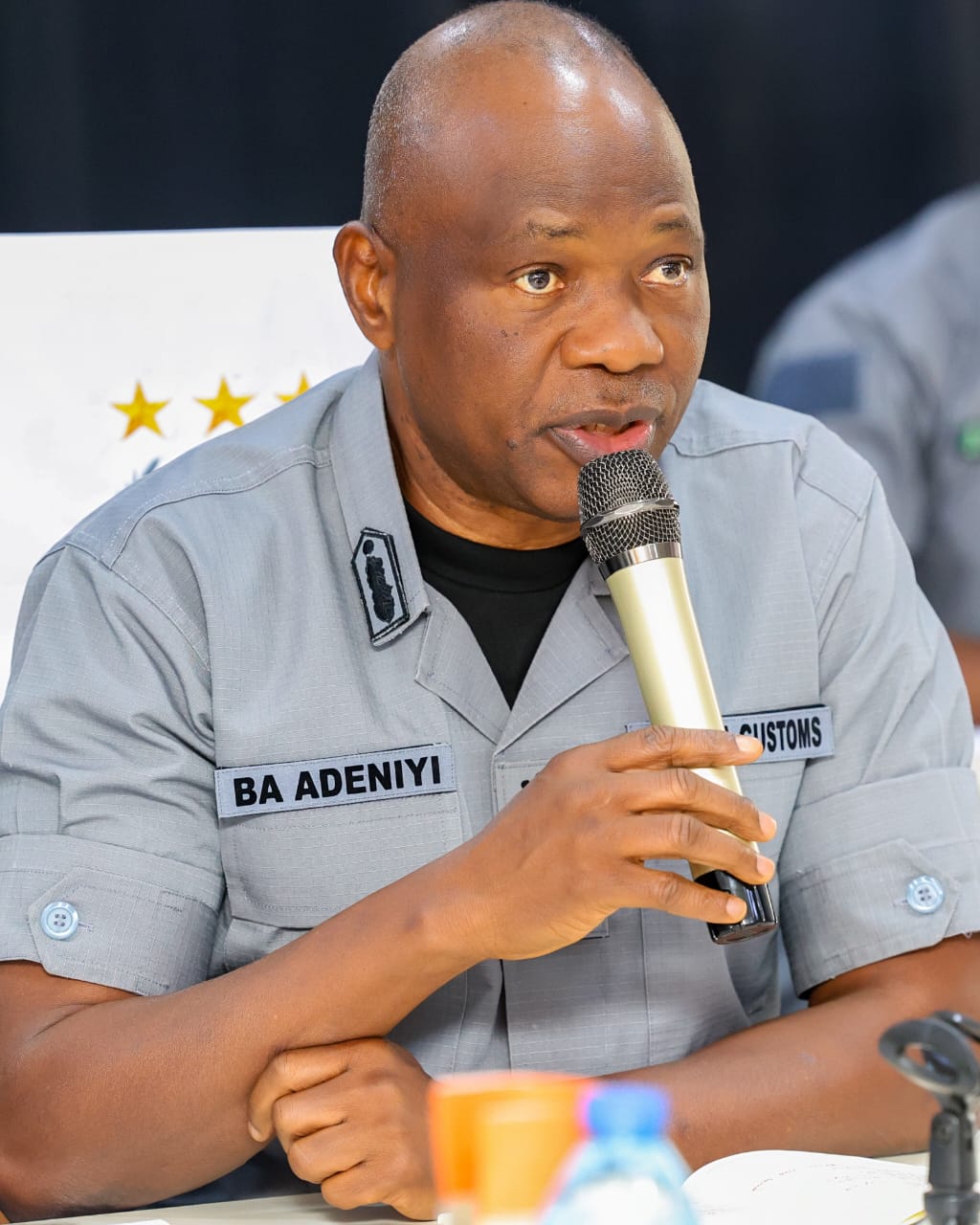
‘Why We Launched B-Odogwu Pilot Scheme With Webb Fontaine Still Running’ – Adeniyi

Customs Report1 year ago
Nigeria Customs: Trust, Competence And The Oramalugo Factor

Maritime2 years ago
Onyemekara Promoted GM, Appointed NPA’s New Spokesperson

Uncategorized1 year ago
‘Rush To Break News Can Lead To Brush With Cybercrime’- Police

Customs Report10 months ago
Kebbi Is Hub of Hard Drugs Smuggling In Northern Region’ – Oramalugo

Business Maritime2 years ago
Maritime Industry At 64: Oyetola Versus Oyetola
Enter ad code her