
Connect with us



BY GBOGBOWA GBOWA There is a new political currency in town ahead of Nigeria’s 2027 general elections, and it is neither manifesto nor ideology. It...
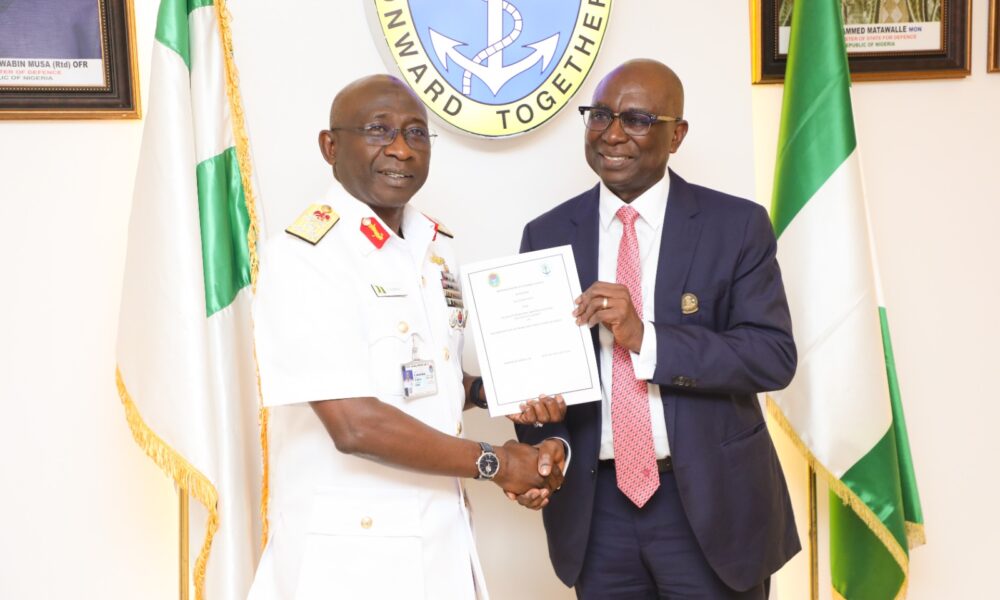

…As Mobereola Commends Oyetola’s Commitment to Inter-Agency Collaboration, Maritime Safety and Security BY GBOGBOWA GBOWA The Nigerian Maritime Administration and Safety Agency (NIMASA) and the Nigerian...



BY IBRAHIM NASIRU During the recent Day of the Seafarer celebrations, a major policy bombshell dropped that sent shockwaves through the maritime industry. The Nigerian Maritime Administration and Safety Agency (NIMASA) announced a massive 150% wage increase for local seafarers. By integrating international maritime standards into local contracts, the government is finally attempting to address a long-standing injustice: the systemic underpayment of the men and women who keep our maritime trade afloat. On paper, it looks like an incredible victory for labour and a massive step forward for the thousands of young cadets who have gone through the Nigerian Seafarers Development Programme (NSDP). But as any seasoned observer of Nigerian policy knows, a wage increase on paper means absolutely nothing if you do not possess a job to earn it. The uncomfortable reality is that a 150% salary boost is completely useless if local shipping companies are priced out of the market, or if foreign vessels continue to dominate our territorial waters. Nigeria passed the Coastal and Inland Shipping (Cabotage) Act way back in 2003 with a very clear, patriotic objective: domestic coastal trade was supposed to be reserved strictly for Nigerian-owned, Nigerian-built, and Nigerian-crewed vessels. It was designed to build local capacity and ensure that our wealth stayed within our borders. Yet, over two decades later, the spirit of that law is routinely violated every single day. The maritime sector has structural friction that cannot be solved by simply adjusting a salary scale. The biggest culprit here is the infamous cabotage waiver system. For years, international shipping lines have exploited regulatory loopholes to secure endless ministerial waivers. These waivers allow foreign-flagged ships with entirely foreign crews to operate freely in our domestic waters, moving cargo between Lagos, Onne, and Port Harcourt. They claim that local capacity does not exist, using that excuse to completely bypass local seafarers. As...
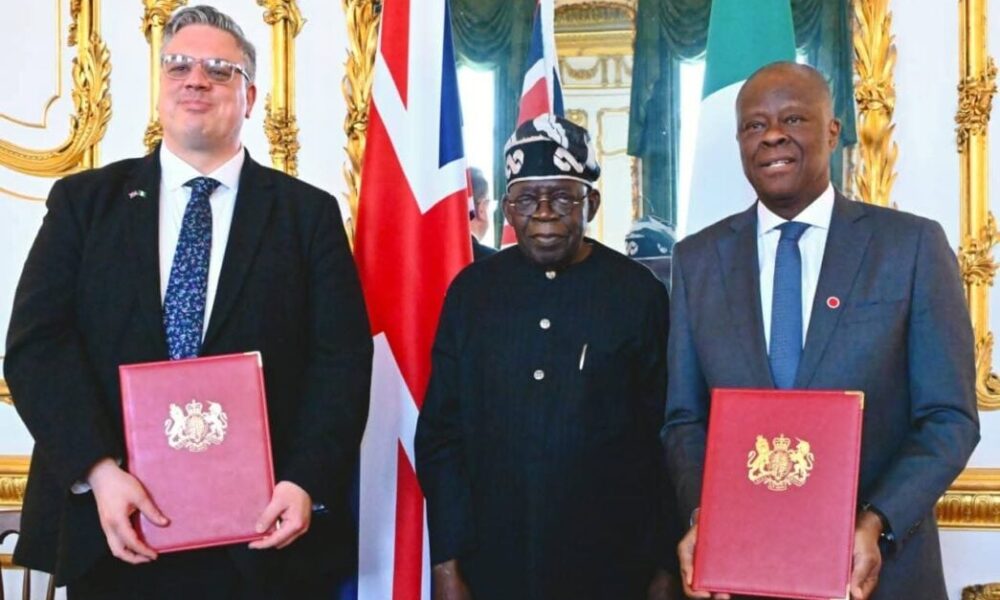

BY EGUONO ODJEGBA The Presidency recently celebrated with fanfare a £746 million infrastructure financing agreement reached between Nigeria and the United Kingdom. The fund, secured during...
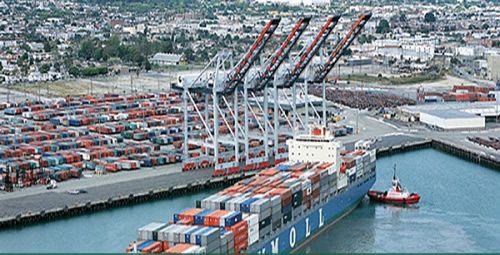

Plugging The Leaking Bucket. Part (1) BY IBRAHIM NASIRU “A ship can only dock as deep as the harbour allows; a nation can only grow as...
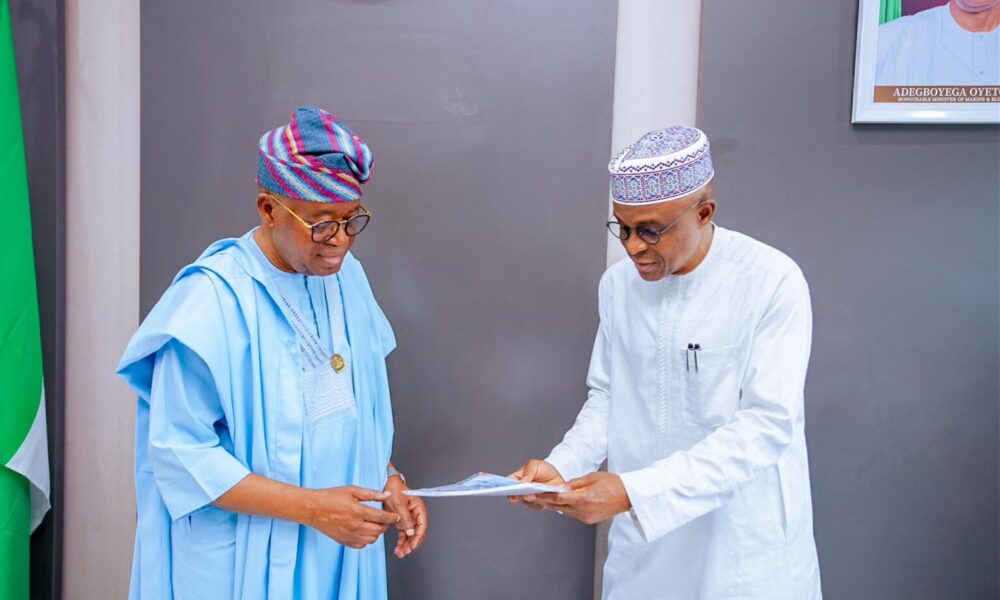


Highlights Significant Progress in FG’s Economic Diversification Agenda BY EGUONO ODJEGBA Nigeria’s maritime industry entered a transformative phase in 2025, recording unprecedented growth in cargo throughput,...
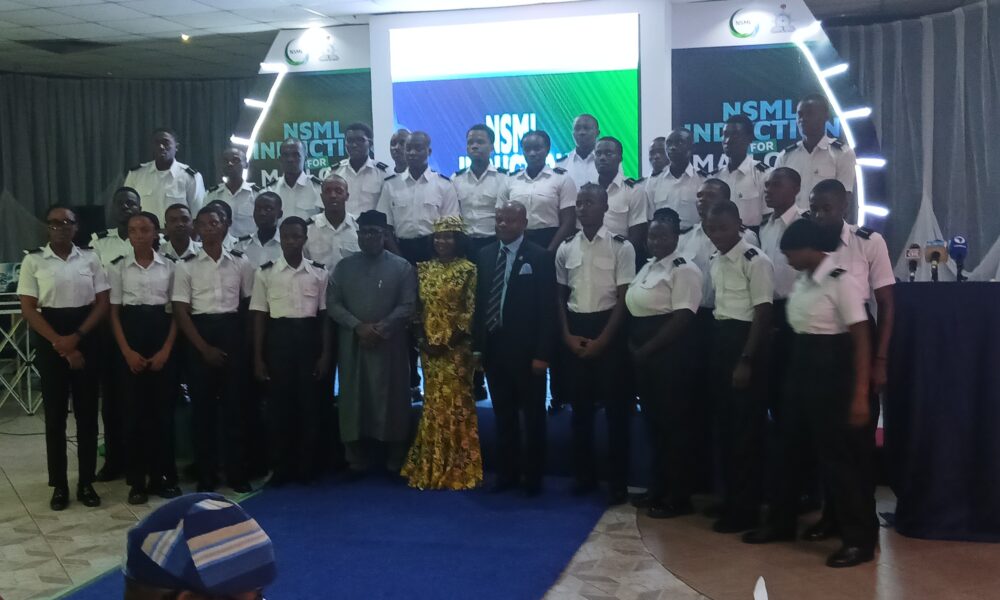
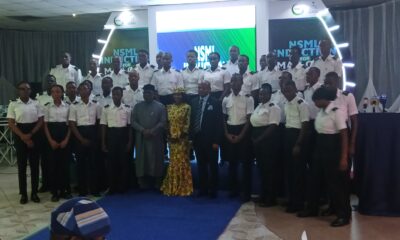

…Strengthens Nigeria’s Maritime Workforce BY EGUONO ODJEGBA The Nigeria LNG Ship Management Limited (NSML), Friday, formally inducted 30 cadets of the Maritime Academy of Nigeria (MAN),...
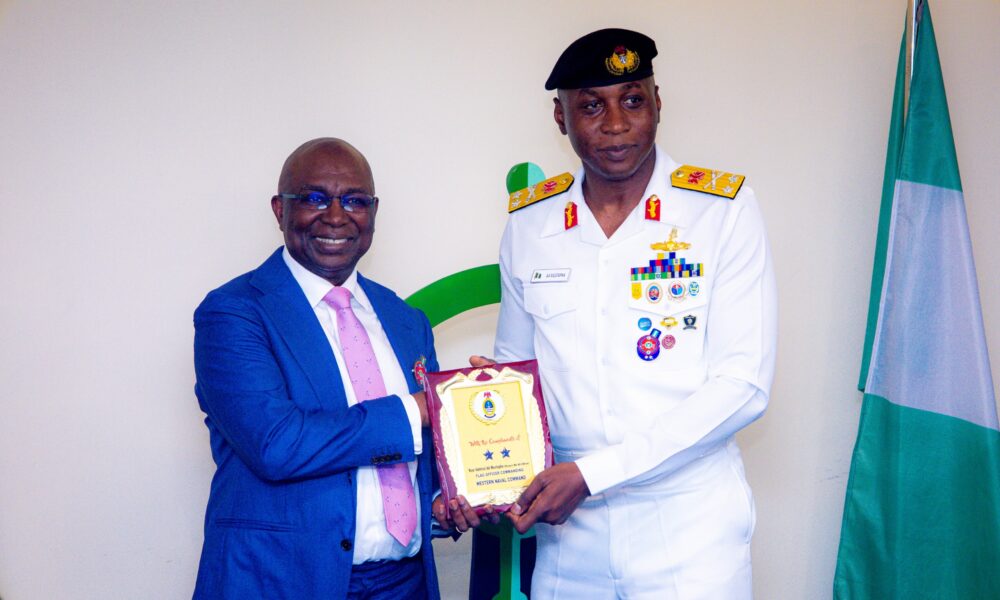

BY GBOGBOWA GBOWA The Nigerian Navy has called for increased collaboration with the Nigerian Maritime Administration and Safety Agency (NIMASA), in the area of hydrography to...
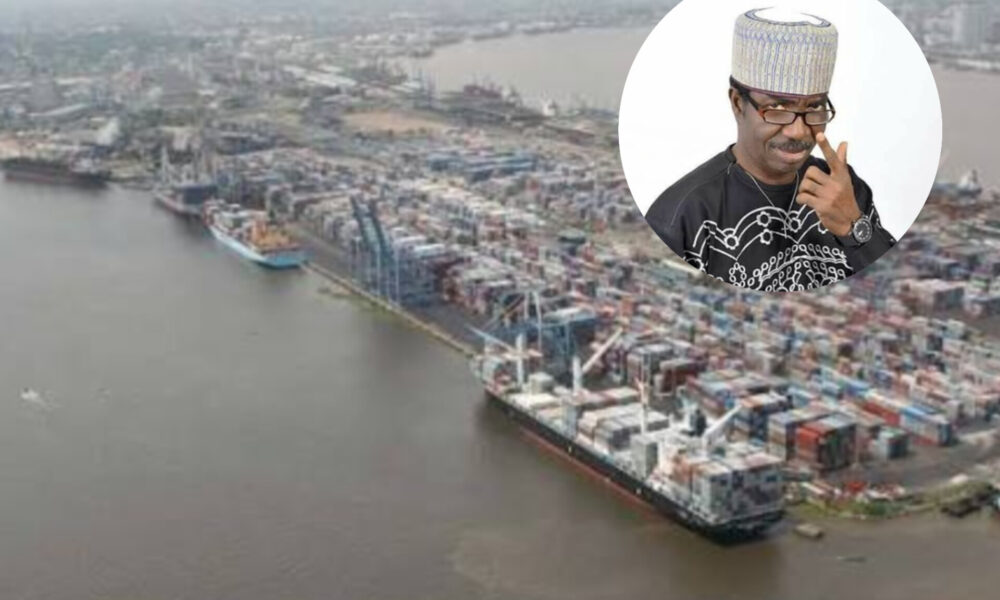
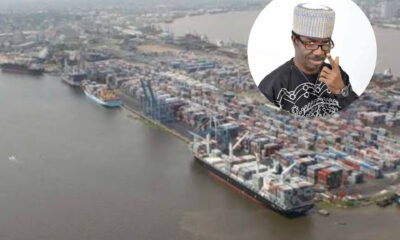

BY KESIENNA SHEPHERDS Pursuant to the further deepening of investment windows in the nation’s port greenfield areas, Maritime Media Ltd is putting together an International Deep...



BY EGUONO ODJEGBA The Nigerian Ports Authority (NPA) has turned 2025 into a watershed year for the nation’s maritime industry, an era defined not by bottlenecks...