Business Focus
Tariff Dispute Grounds Shipping Services in Lagos

…As Freight Forwarders Accuse FG, its MDAs of Arrogance
The ongoing clash between Nigeria’s freight forwarding subsector and the Federal Government, through the Federal Ministry of Marine and Blue Economy and the Nigerian Shippers’ Council (NSC), has escalated into a full-blown standoff. At its core lies a tariff adjustment approved by the NSC, defended as modest and necessary, but rejected by freight forwarders as illegitimate and unjustified. The dispute exposes deeper cracks in regulatory governance, stakeholders trust, and the balance of economic fairness in Nigeria’s maritime sector.
Eguono Odjegba in this report takes an impartial look at industry observers who think that the development was brought about by the apparent clear missteps of the federal government and its agency.
Government and Agency Missteps
Regulatory Confusion: The Ministry and NSC initially appeared unsure, shifting positions before settling into a defensive posture. This indecision weakened confidence and painted the regulators as complicit rather than impartial.
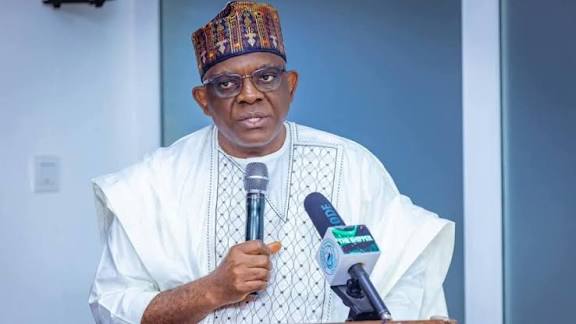
NSC CEO. Barr. Pius Akutah
Conflict of Interest in Mediation: By approving the tariff hike and then attempting to mediate protests against it, the NSC blurred its role. Acting as both regulator and conciliator undermines credibility.
Dismissive Engagement: Freight forwarders’ concerns about alleged poor service delivery, operational bottlenecks, and alleged financial irregularities were sidelined in favor of macroeconomic justifications like inflation and exchange rate volatility. This selective listening reinforced perceptions of arrogance.
The Shippers’ Council and Shipping Lines’ Defense
The Shipping Association of Nigeria (SAN), led by Boma Alabi SAN, insists the tariff hike followed a two-year regulatory review involving cost analyses, inflationary assessments, and stakeholder consultations. Alabi stressed that the adjustment was “modest and significantly below cumulative inflation,” portraying it as a partial cost recovery measure rather than profiteering.
She argued that shipping lines face rising port charges, compliance costs, and currency volatility, and that other actors in the logistics chain, namely truckers, terminal operators, and clearing agents have all raised rates. Expecting shipping lines alone to freeze tariffs, she maintained, is inequitable.
Freight Forwarders’ Counterpoint
Freight forwarders, represented by NAGAFF, has however rejected the hike as morally and legally invalid, citing the following:
No Service Improvement: Tariff increases in the past two years have not translated into better efficiency or customer experience.
Operational Deficiencies: Congestion, delays in container refunds, and documentation bottlenecks remain unresolved.
Regulatory Inconsistency: They argue reforms cannot succeed amid uncertainty and perceived favoritism toward multinational shipping lines.

NAGAFF President, High Chief Tochukwu Ezisi
Their industrial action in picketing MSC offices and vowing to continue protests until charges are reversed reflects frustration with what they see as a government unwilling to return to the negotiation table.
Akutah’s Intervention
Dr. Akutah Pius, Executive Secretary of the NSC, has repeatedly appealed for dialogue, warning that prolonged industrial action could disrupt port operations and negatively impact trade. He described dialogue as “faster, more humane, and more productive than a bottled anger approach.”
While acknowledging stakeholders’ right to protest, he condemned what he termed “unprofessional conduct,” such as preventing regulators from accessing MSC premises. He recalled that during a similar protest weeks earlier, the Council compelled MSC to suspend disputed charges for two days to allow discussions. His emphasis on mediation underscores the Council’s desire to stabilize the sector, but freight forwarders remain unconvinced, insisting dialogue is meaningless without a reversal of the hike.
The Bigger Picture
Head or tail, it seem apparent that this dispute is not simply about tariffs but about trust in regulatory institutions. The freight forwarders are demanding transparency, accountability, and service-linked justification for cost increases. The government leans on macroeconomic rationalizations while failing to address systemic inefficiencies.
While the NSC’s call for dialogue is valid, but dialogue cannot succeed when one party feels coerced into accepting a predetermined outcome. The freight forwarders’ resistance is therefore not just economic but a pushback against regulatory arrogance and inconsistency.
Editorial Verdict
The Federal Government and its agencies erred by approving a tariff hike without first ensuring operational improvements and by attempting to mediate a dispute they helped created. Freight forwarders, though justified in their grievances, risk undermining trade flows through prolonged industrial action.
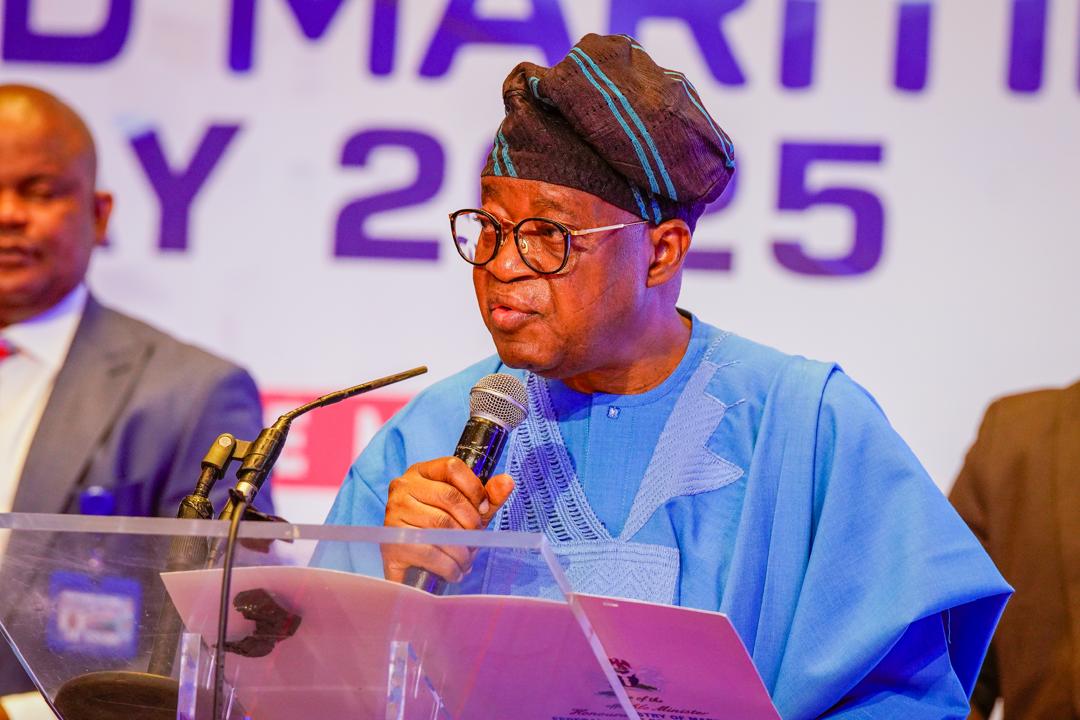
The path forward lies in resetting the engagement process: rescind the hike temporarily, convene a transparent multi-stakeholder forum, and tie future tariff adjustments to measurable service delivery benchmarks. Anything less will perpetuate distrust and disruption in Nigeria’s maritime economy,and this is where the Minister of MBE, H.E Adegboyega Oyetola CON is required to take an urgent, firm and informed position.
As the port economic regulator, it would seem that the NSC has either been unserious or altogether, have been adrift or on auto pilot. Otherwise, a big maritime nation like Nigeria should not be passing through this rudimentary challenges in the trivial matters of acceptable tariff adjustment. Appointees should be responsive to their assignments, and the honourable minister’s oversight should be more decisive, believable and productive.






SEREC Congratulates Prince Olayiwola Shittu on UN-POLAC Appointment

The $1.1 Billion Anchor: Why We Cannot Abandon Our Gateway Ports – The CVFF and the New Shipping Line (Part 2)

NASS Rules ‘Tantita Providing Critical National Assignment’

ANLCA vs Nigeria Police Force: MMAC Secretariat Crisis Deepens

Nigeria’s $748m UK Port Infrastructure Loan: Many Questions Begging for Answer

President Tinubu’s Borrowing Binge Amid Rising Revenues and Elite Excesses
Prince Olayiwola Shittu: A Glimpse Into His ‘International Peace Advocate’ Appointment

NRS, Customs, PEBEC Visit NSW Office Apapa

Customs Boss Adeniyi Announces Relocation of FOU Zone ‘A’ Office

The $1.1 Billion Anchor: Why We Cannot Abandon Our Gateway Ports –

Again, FG Assures On Disbursement of CVFF

President Tinubu Commissions Iperu ₦73b Ultra-modern Customs FOU Zone ‘A’ Office

ANLCA Board is intact, cannot be wished away by anybody’-Elochukwu

B-R-E-A-K-I-N-G: Effedua, Rector MAN Oron, Resigns

EFCC’s Probe: Okowa Plots Sheriff’s Removal Despite London Accord
Customs Trains ANLCA Members, Others on B’Odogwu Portal

NPA’s Alleged Executive Management Fight: The Half Truth & Truth
ANLCA Board Election: Know Your Candidates
‘Why We Launched B-Odogwu Pilot Scheme With Webb Fontaine Still Running’ – Adeniyi

Nigeria Customs: Trust, Competence And The Oramalugo Factor

Onyemekara Promoted GM, Appointed NPA’s New Spokesperson

‘Rush To Break News Can Lead To Brush With Cybercrime’- Police

Kebbi Is Hub of Hard Drugs Smuggling In Northern Region’ – Oramalugo

Maritime Industry At 64: Oyetola Versus Oyetola