
Business
Customs Rolls Out 2026 Fiscal Policy, Tariff Amendments


BY FUNMI ALUKO
The Nigeria Customs Service (NCS) has commenced the implementation of the Federal Government’s approved 2026 Fiscal Policy Measures and Tariff Amendments, describing the move as a major step towards strengthening Nigeria’s fiscal and trade policy framework, boosting economic competitiveness, and enhancing government revenue generation.
The new measures, approved by President Bola Ahmed Tinubu, also seek to align Nigeria’s customs tariff regime with regional and international obligations, particularly under the ECOWAS Common External Tariff (CET) framework.
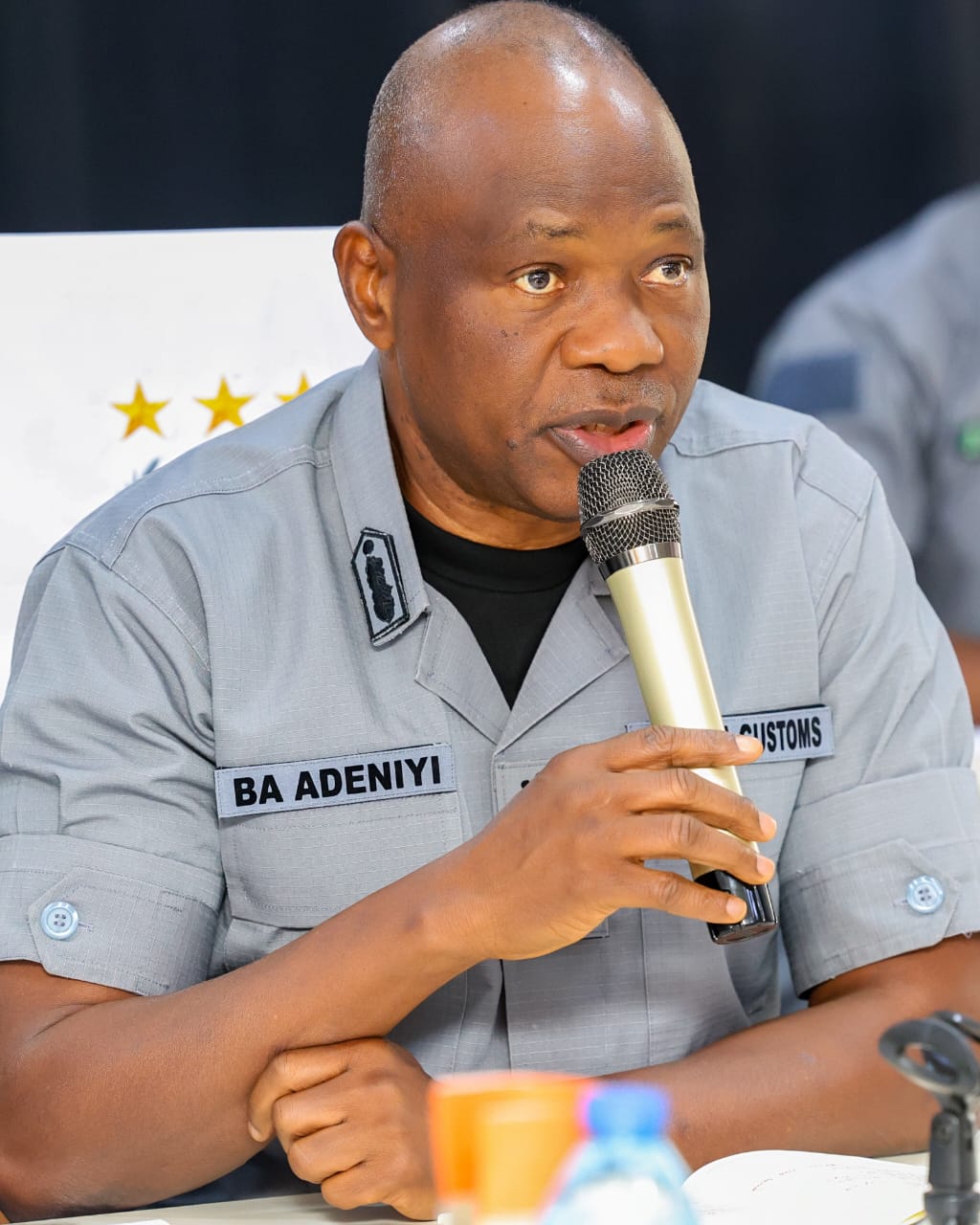
Announcing the implementation in a statement issued on Wednesday, the Comptroller General of Customs, Adewale Adeniyi PhD, speaking through the National Public Relations Officer of the Service, Deputy Comptroller Abdullahi Maiwada, said the fiscal policy reforms introduce comprehensive amendments to Nigeria’s Customs and Excise Tariff framework designed to support domestic industrial development, facilitate legitimate trade, and improve the administration of fiscal and tariff policies nationwide.
According to the statement, the approved amendments include the Revised Import Adjustment Tax (IAT) List for the implementation of the ECOWAS Common External Tariff (2022–2027), the Revised National List for the ECOWAS CET (2022–2027), the Revised Import Prohibition List (Trade), the Revised List of Goods Liable to Excise Duty, the introduction of a Green Tax Surcharge on motor vehicles with engine capacities of 2,000cc and above, as well as the Revised Export Prohibition List.
The Customs Service urged importers, exporters, manufacturers, licensed customs agents and other stakeholders within the international trade value chain to acquaint themselves with the provisions of the amended tariff schedules and ensure strict compliance with the new fiscal and regulatory requirements.
The Service noted that the revised tariff framework is expected to deepen trade facilitation while encouraging local production and ensuring a more efficient and transparent customs administration.
To promote seamless implementation, the NCS disclosed that the complete 2026 Fiscal Policy Measures and Tariff Amendments have been uploaded to its official website for easy access by stakeholders.
The Service encouraged operators in the import, export and manufacturing sectors to carefully study the provisions of the new policy document to avoid compliance breaches and ensure smooth processing of their transactions under the revised tariff regime.
Reaffirming its commitment to supporting the Federal Government’s economic reform agenda, the NCS said it remains focused on balancing its core responsibilities of trade facilitation, revenue generation and border security.
“The successful implementation of the 2026 Fiscal Policy Measures and Tariff Amendments requires the cooperation of all stakeholders in the trade ecosystem as we collectively work towards building a more competitive, transparent and sustainable economy,” the statement added.
The implementation of the new fiscal measures is expected to have significant implications for import and export operations, manufacturing activities and customs administration, while reinforcing Nigeria’s commitment to regional trade integration under the ECOWAS Common External Tariff framework.











Port Regulation Critical To Fisheries, Blue Economy – NPERA DG, Akutah

ANLCA @ 72: FG, Stakeholders Laud Association’s Leading Role in Trade Facilitation

Apapa Customs: Comptroller Mu’azu Takes Over, Pledges Strict Revenue Integrity And Seamless Trade

Stakeholders Demand Immediate Action To Convert Nigeria’s $1 Trillion Blue Economy Potential Into Reality

Afeni’s Parting Query: Why Evade Duty on a ₦417m Range Rover?

ANLCA@72: As All Roads Lead to Marriott Hotel lkeja

MARCON Set To Host Conference On Sustainable Fishing In Lagos

Fire Incident: Western Marine Customs Debunk Media Exaggerations

ANLCA@72:CONGRATULATORY MESSAGE
ANLCA@72: CONGRATULATORY MESSAGE

ANLCA@72:CONGRATULATORY MESSAGE

ANLCA@72: CONGRATULATORY MESSAGE

ANLCA Board is intact, cannot be wished away by anybody’-Elochukwu

B-R-E-A-K-I-N-G: Effedua, Rector MAN Oron, Resigns

EFCC’s Probe: Okowa Plots Sheriff’s Removal Despite London Accord

Customs Trains ANLCA Members, Others on B’Odogwu Portal

NPA’s Alleged Executive Management Fight: The Half Truth & Truth

ANLCA Board Election: Know Your Candidates
‘Why We Launched B-Odogwu Pilot Scheme With Webb Fontaine Still Running’ – Adeniyi

Onyemekara Promoted GM, Appointed NPA’s New Spokesperson

Nigeria Customs: Trust, Competence And The Oramalugo Factor

‘Rush To Break News Can Lead To Brush With Cybercrime’- Police

Kebbi Is Hub of Hard Drugs Smuggling In Northern Region’ – Oramalugo

‘Our Trade Security Is More Protected Under B’Odogwu’ – Daniyan