Business
‘Efficient Ports Hold the Key to Unlocking Nigeria’s Special Economic Zones’ – NPA

BY KESIENNA SHEPHERDS
The Nigerian Ports Authority (NPA) has declared that efficient and modern port infrastructure remains the single most critical factor in unlocking the enormous economic potential of Nigeria’s Special Economic Zones (SEZs), stressing that the success of the zones ultimately depends on seamless logistics, multimodal connectivity and operational efficiency.
According to the Authority, optimized port infrastructure will not only enhance the competitiveness of Special Economic Zones but also stimulate industrialization, boost exports, attract investments and accelerate the country’s blue economy aspirations.
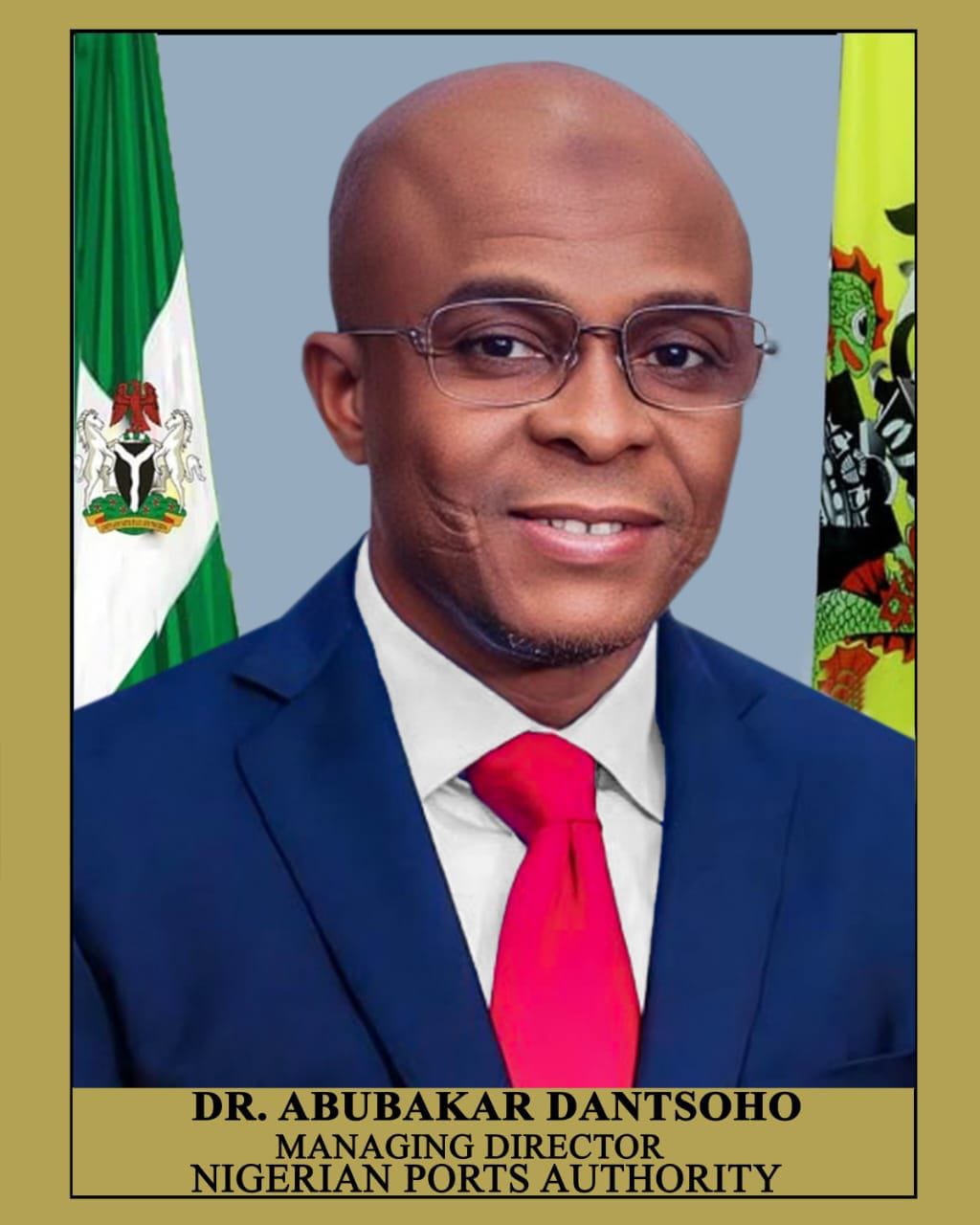
Managing Director of the NPA, Dr. Abubakar Dantsoho, stated this while delivering a paper at the 2026 Annual Conference of the Maritime Correspondents’ Organisation of Nigeria (MARCON), held at Hotel Presidential, Port Harcourt, with the theme, “Special Economic Zones as Catalysts to Sustainable Blue Economy.”
Represented by the Port Manager of Rivers Port Complex, Mrs. Kenechi Okezie, Dantsoho presented a paper titled, “Optimising Port Infrastructure to Unlock the Full Potential of Special Economic Zones in Nigeria.”
He observed that although investment incentives and favourable regulatory policies could attract investors into Special Economic Zones, only efficient infrastructure, particularly functional ports could sustain those investments and guarantee long-term economic growth.
“A Special Economic Zone without an efficient port system is much like an airport without a runway: the vision may be compelling, but its potential can never be realised,” he remarked.
Dantsoho urged stakeholders to begin viewing ports beyond their traditional role as cargo handling facilities, describing them instead as strategic national assets capable of stimulating manufacturing, supporting exports, facilitating trade and creating employment opportunities.
He maintained that efficient ports are indispensable to building a sustainable blue economy because improved port operations stimulate trade, encourage industrial expansion, generate jobs and ultimately improve national productivity.
The NPA Managing Director outlined the Authority’s multi-pronged strategy for improving port efficiency, including the rehabilitation and modernization of port infrastructure, sustained channel maintenance, digital transformation, multimodal transport integration, expanded public-private partnerships and stronger institutional collaboration.
He disclosed that the Authority is advancing implementation of the Port Community System as a major building block for the National Single Window project, which is expected to reduce cargo clearance time, improve transparency and strengthen trade facilitation.
Dantsoho also emphasized the importance of integrating ports with road, rail and inland waterway transport systems to improve cargo evacuation and logistics efficiency, while highlighting the growing significance of Inland Dry Ports in extending port services to inland industrial clusters and Special Economic Zones.
He cited the Lekki Deep Sea Port as a successful model of public-private partnership, noting that similar collaborations would be essential for expanding port capacity, strengthening supply chains and supporting export-led industrial development.
While acknowledging the progress already recorded, the NPA boss stressed that continuous investment, innovation and stakeholder collaboration remain indispensable if Nigerian ports are to emerge as preferred gateways for regional and international trade.
“When our ports become more efficient, our industries become more competitive; when our industries become more competitive, investment grows; and when investment grows, jobs are created, exports expand, and national prosperity follows,” he said.
He called on government institutions, private sector operators, investors, development partners and the media to deepen collaboration towards building an efficient port system capable of supporting Special Economic Zones, advancing Nigeria’s blue economy and driving sustainable economic transformation.




NPA Congratulates ANLCA on 72nd Anniversary, Reaffirms Support for Port Modernisation

Afeni Lands at FOU Zone ‘A’ in Acting Controller Capacity

NPA Mulls Specialised Fishing Port to Deepen Nigeria’s Blue Economy

Industry Stakeholders Applaud ANLCA at 72nd Anniversary Celebration

Port Regulation Critical To Fisheries, Blue Economy – NPERA DG, Akutah

ANLCA @ 72: FG, Stakeholders Laud Association’s Leading Role in Trade Facilitation

Apapa Customs: Comptroller Mu’azu Takes Over, Pledges Strict Revenue Integrity And Seamless Trade

Stakeholders Demand Immediate Action To Convert Nigeria’s $1 Trillion Blue Economy Potential Into Reality

Afeni’s Parting Query: Why Evade Duty on a ₦417m Range Rover?

ANLCA@72: As All Roads Lead to Marriott Hotel lkeja

MARCON Set To Host Conference On Sustainable Fishing In Lagos

Fire Incident: Western Marine Customs Debunk Media Exaggerations

ANLCA Board is intact, cannot be wished away by anybody’-Elochukwu

B-R-E-A-K-I-N-G: Effedua, Rector MAN Oron, Resigns

EFCC’s Probe: Okowa Plots Sheriff’s Removal Despite London Accord
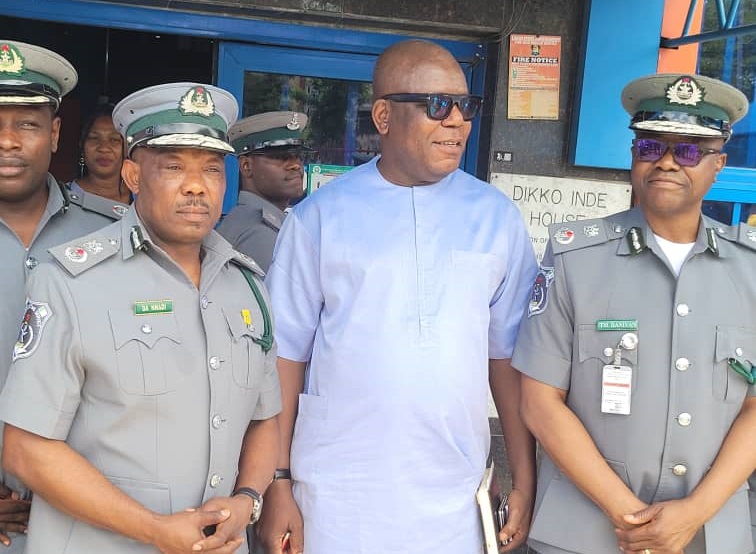
Customs Trains ANLCA Members, Others on B’Odogwu Portal

NPA’s Alleged Executive Management Fight: The Half Truth & Truth
ANLCA Board Election: Know Your Candidates
‘Why We Launched B-Odogwu Pilot Scheme With Webb Fontaine Still Running’ – Adeniyi

Onyemekara Promoted GM, Appointed NPA’s New Spokesperson

Nigeria Customs: Trust, Competence And The Oramalugo Factor

‘Rush To Break News Can Lead To Brush With Cybercrime’- Police

Kebbi Is Hub of Hard Drugs Smuggling In Northern Region’ – Oramalugo

Apapa Customs Collects ₦161b On B’Odogwu Platform In 3 Weeks