Business Maritime
NPA Mulls Specialised Fishing Port to Deepen Nigeria’s Blue Economy

BY KESIENNA SHEPHERDS
The Nigerian Ports Authority (NPA) has announced plans to develop a specialised fishing port as part of efforts to deepen Nigeria’s blue economy and expand the trade frontiers of the fishing sector.
The Managing Director of the NPA, Dr. Abubakar Dantsoho, made the disclosure on Wednesday, September 30, 2026, while delivering a paper titled “The Role of Port Infrastructure and Maritime Logistics in Advancing Sustainable Fishing in Nigeria” at the National Conference on Sustainable Fishing in Nigeria.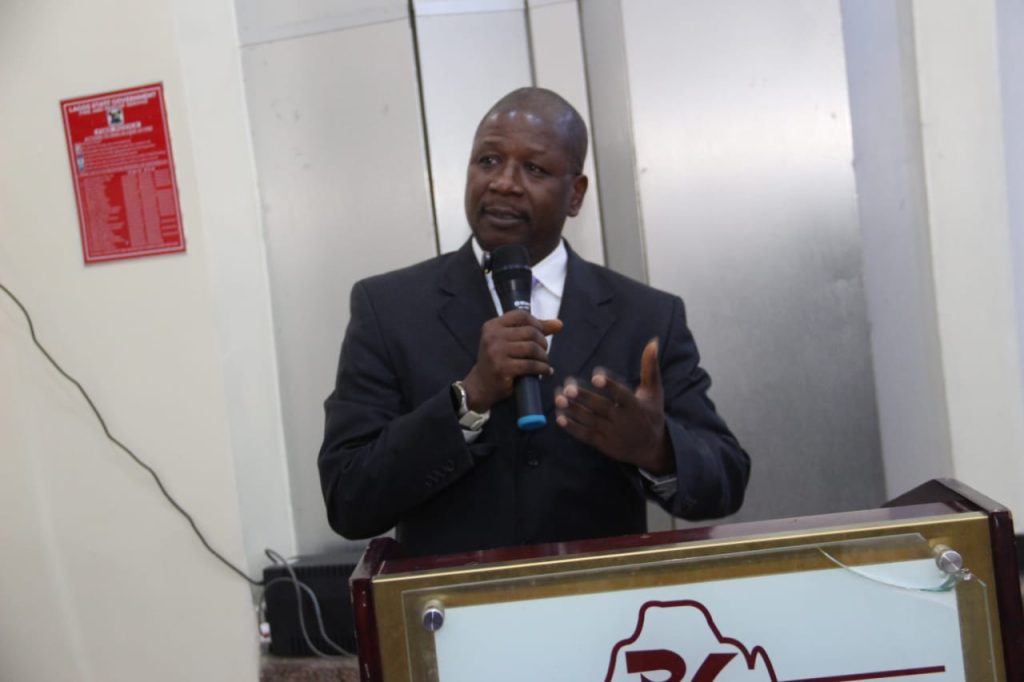
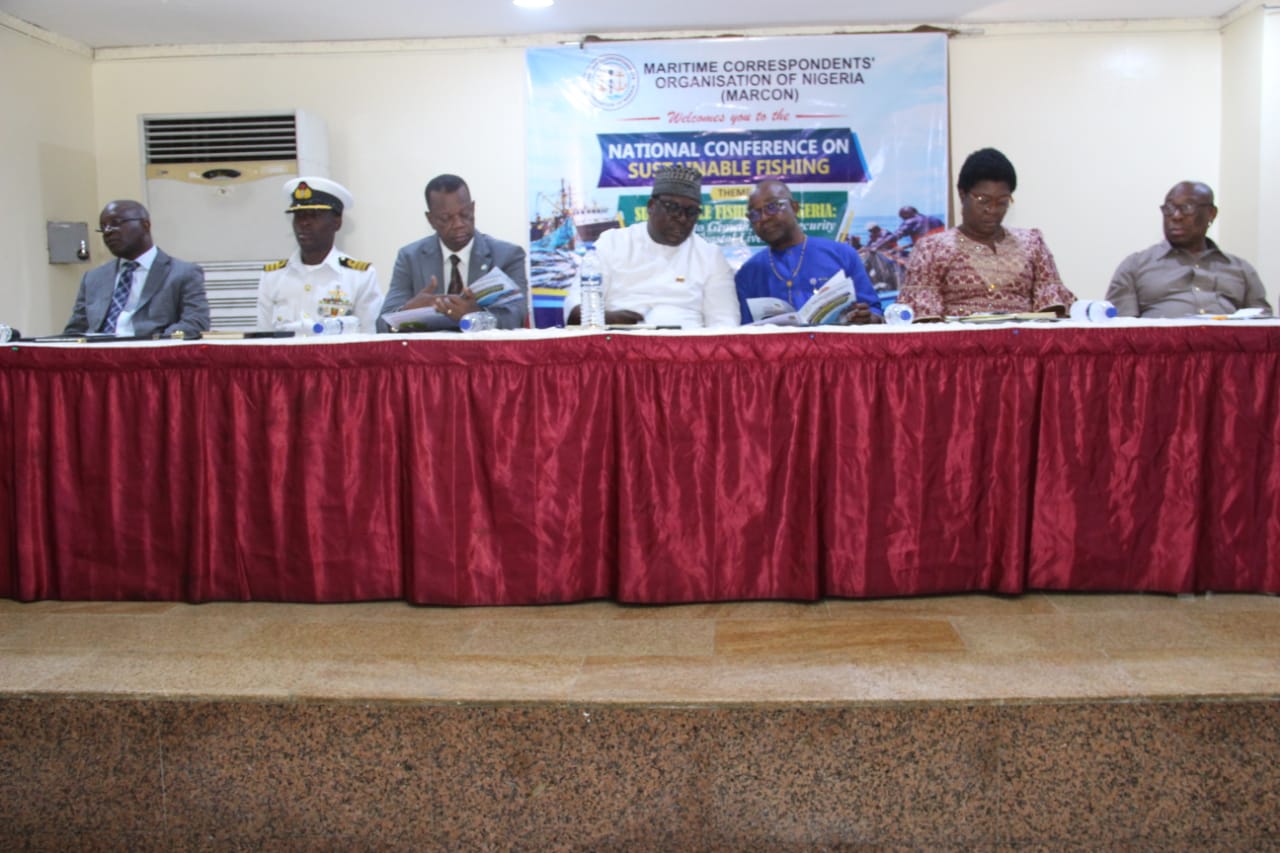
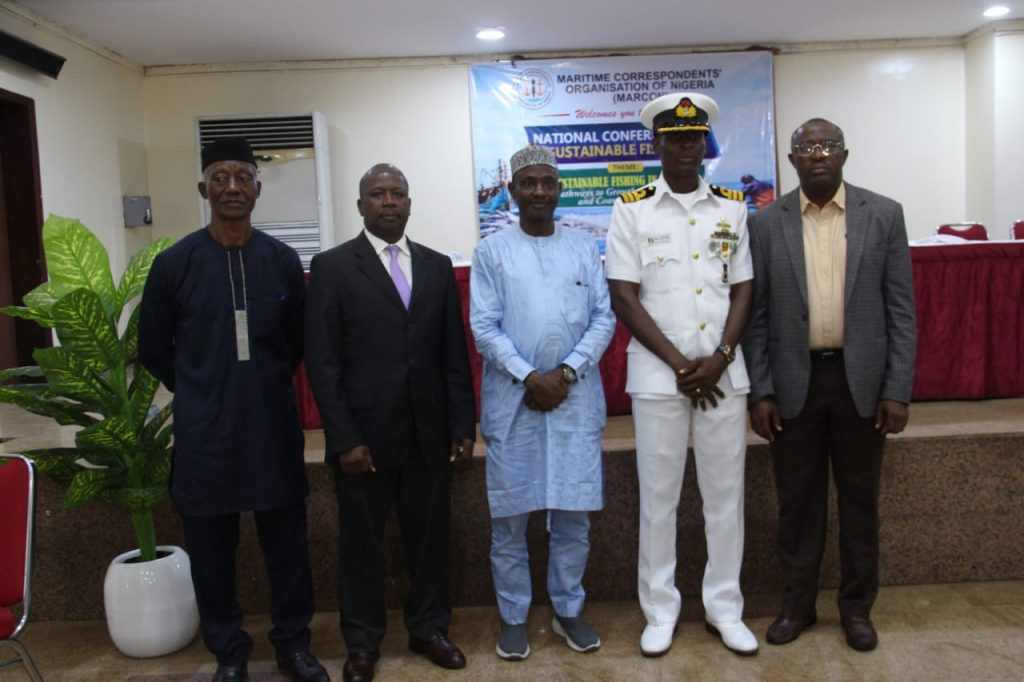
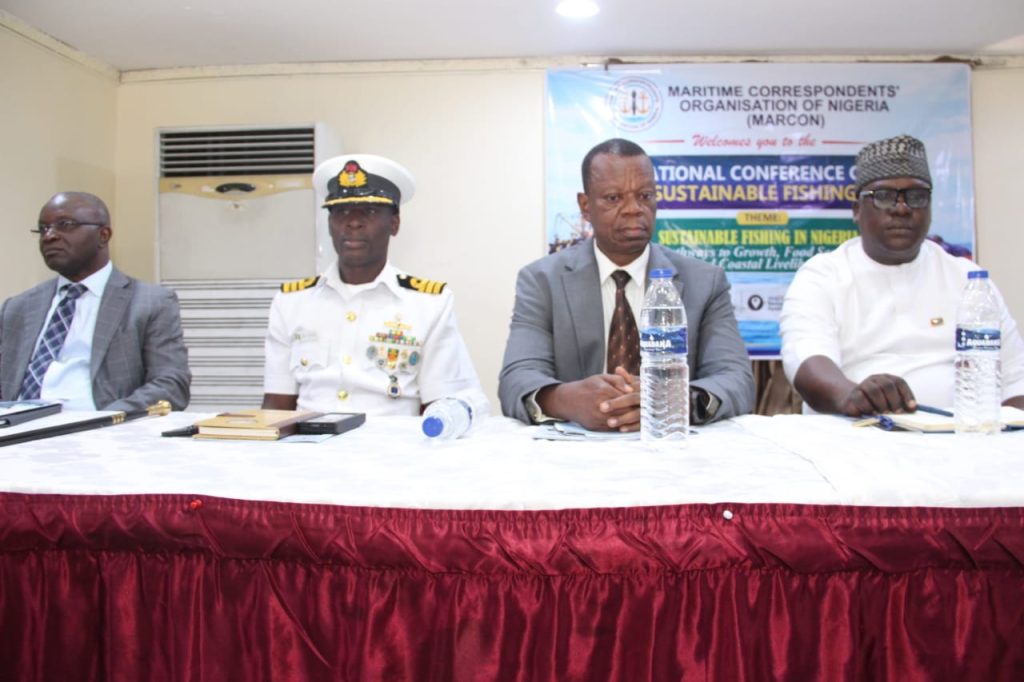
The conference, organised by the Maritime Correspondents’ Organisation of Nigeria (MARCON), was held at Rockview Hotel, Apapa, Lagos, with the theme: “Sustainable Fishing in Nigeria: Pathways to Growth, Food Security and Coastal Livelihoods.”
Represented by the Assistant General Manager, Corporate and Strategic Planning, Mr. Adegbite Adewumi, Dantsoho stated that developing a specialised fishing port would be important to expanding the fishing sub-sector as Nigeria seeks to deepen its blue economy.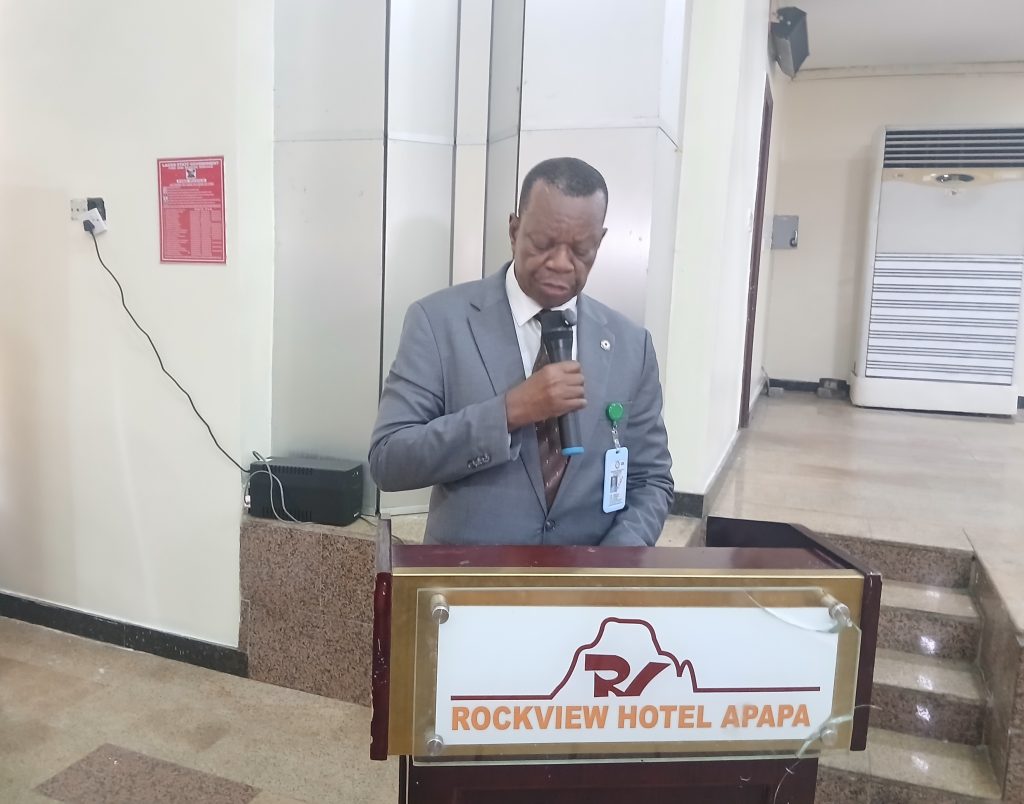
“In an effort to deepen our drive for the Blue economy, it is important to expand the trade frontiers of the Fishing sub-sector. Consequently, we need to be looking at developing a specialised Fishing Port,” he said.
Dantsoho stressed that private investors were expected to play a role in the development under the Public-Private Partnership (PPP) model.
On port infrastructure for fish and other perishable cargo, the NPA boss confirmed that efforts had been made to create a conducive environment for handling such cargo. According to him, KLT has been made a dedicated fish terminal, with cold-room facilities for storage, while a dedicated export processing terminal and efficient hinterland connectivity are also part of the infrastructure.
He affirmed that the major container terminals also have reefer facilities for the storage of perishable cargo, while ongoing port modernisation efforts are aimed at revamping port infrastructure.
Dantsoho also addressed port operations, noting that 24-hour vessel berthing operations were already operational at the western ports. “In addition, some Terminal Operators like APMT, GDNL, and ABMT undertake 24hrs Cargo Handling and Delivery,” he said.
The NPA chief also outlined key infrastructure required for fishing ports, including breakwaters, quays and wharves, slipways and shipyards, navigation channels, landing and unloading areas, ice plants and cold storage facilities, processing plants, as well as road and logistics networks. He added that fishing ports require marine structures, handling facilities, and logistics support to ensure safe vessel operations and the preservation of seafood.
Weighing in on the sector’s metrics at the same event, a retired Deputy Comptroller-General of Customs and Trade Maritime Customs Consultant, Dera Nnadi mni, disclosed that Nigeria imports about two million metric tonnes of fish annually to meet domestic consumption.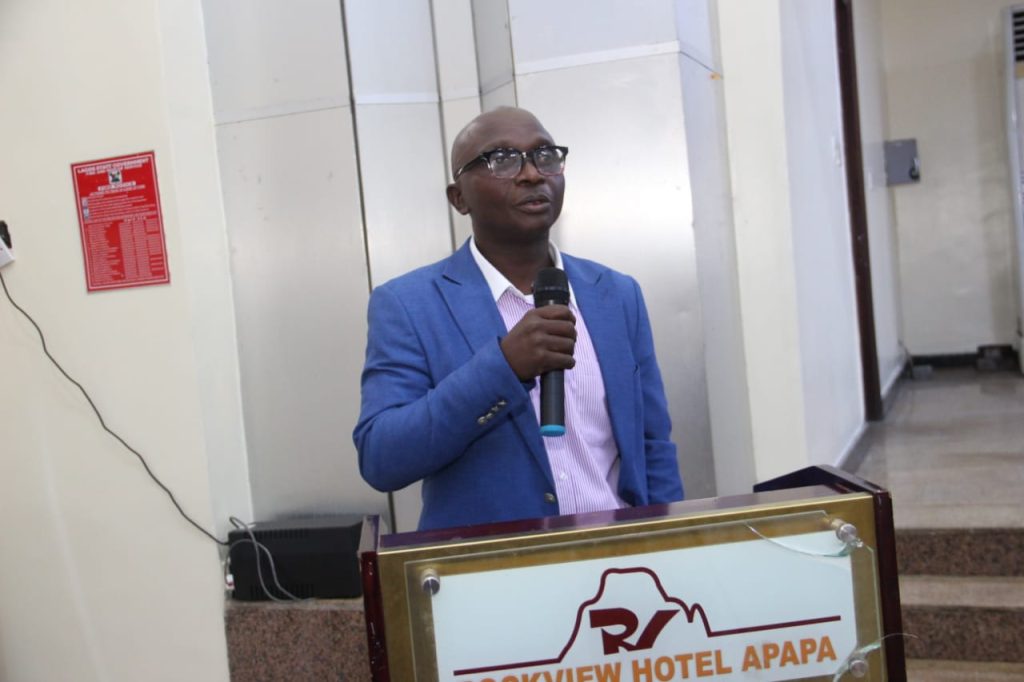
Nnadi, who is also the Chief Consulting Officer of Port Protocols Limited, noted that Nigerians consume more than three million metric tonnes of fish annually, leaving a deficit of about two million metric tonnes that is largely met through imports.
He pointed out, however, that Nigeria’s fish economy extended beyond domestic consumption, highlighting that the country also possesses ornamental fish species in its waters that contribute to exports and economic development. According to him, Nigeria has more than 18 special species of ornamental fish that are exported from the country.
“For Nigerians, we are told we consume over three million metric tonnes of fish. We have a deficit of about two million imported. Besides the ones we consume, we also have ornamental fishes in Nigerian waters.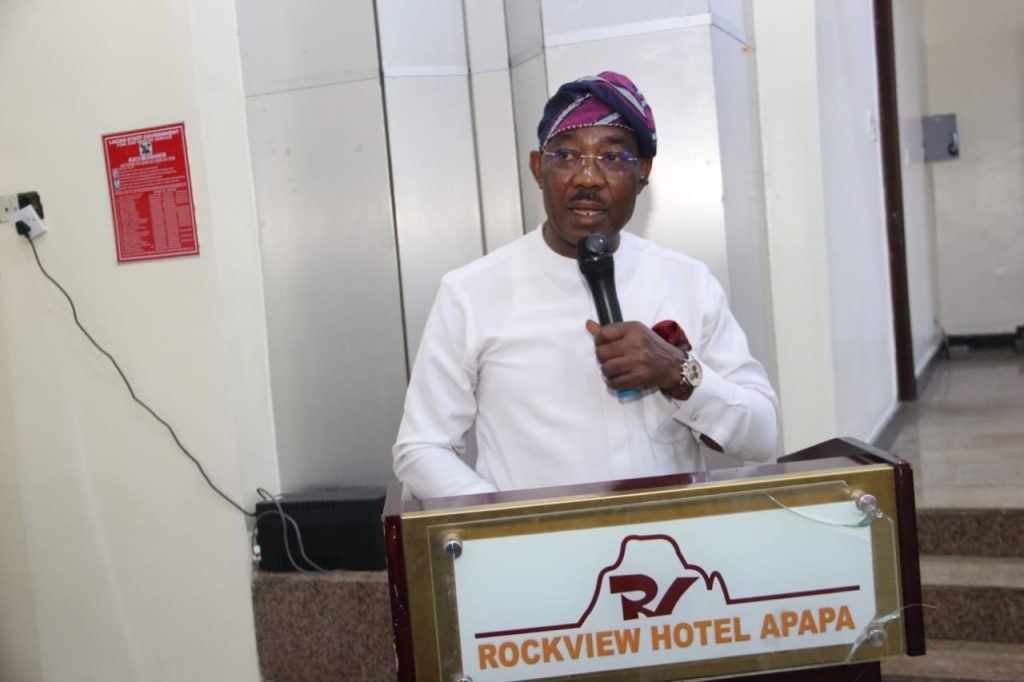
“As a matter of fact, we have over 18 special species of ornamental fish that are exported out of Nigeria,” Nnadi stated.
He further estimated Nigeria’s fish economy at about N25 trillion, describing the figure as an indication of the sector’s immense importance to the national economy. This is even as he called for greater attention to the blue economy, urging stakeholders to ensure that recommendations from the conference translated into concrete government action.
Nnadi also expressed optimism that the communiqué from the conference would be implemented, saying this would help address challenges affecting Nigeria’s blue economy.
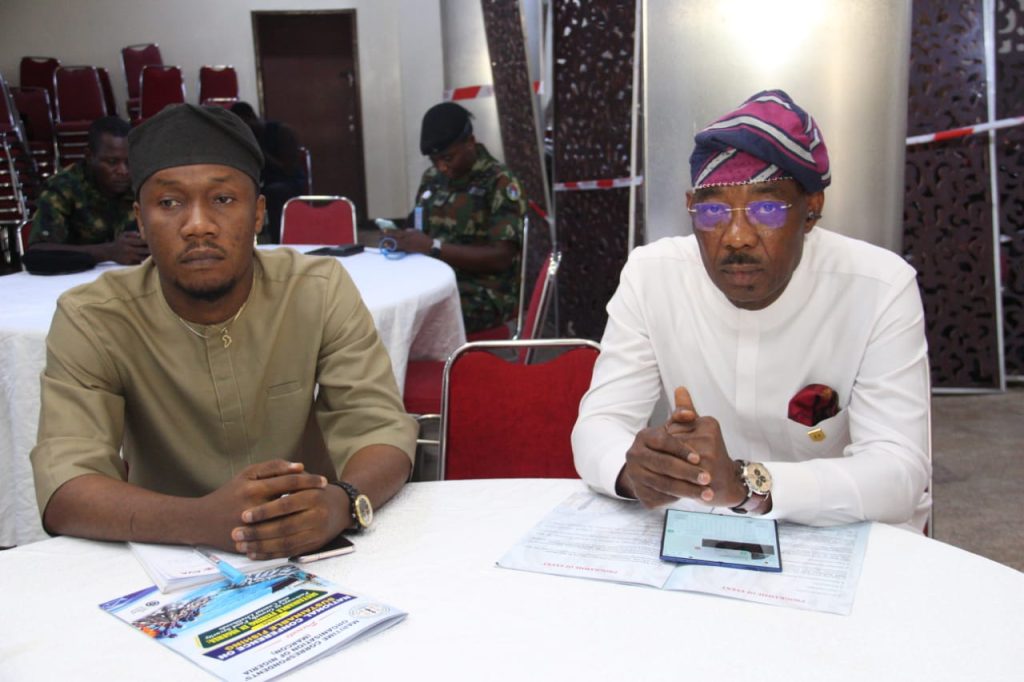
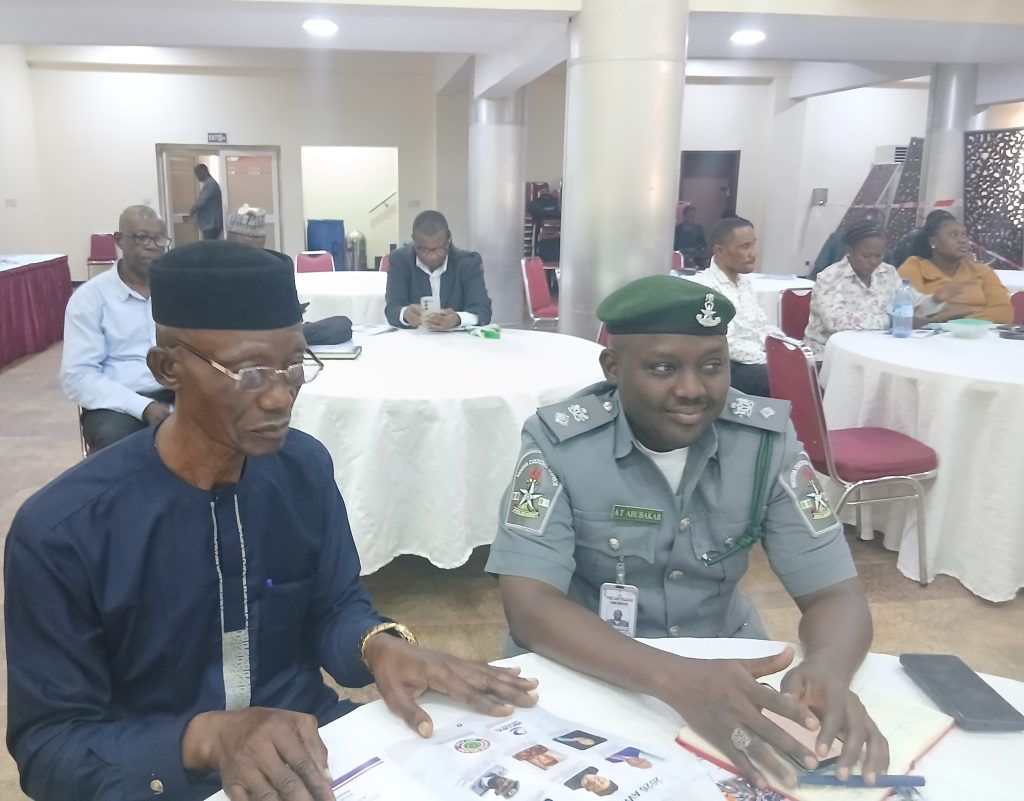
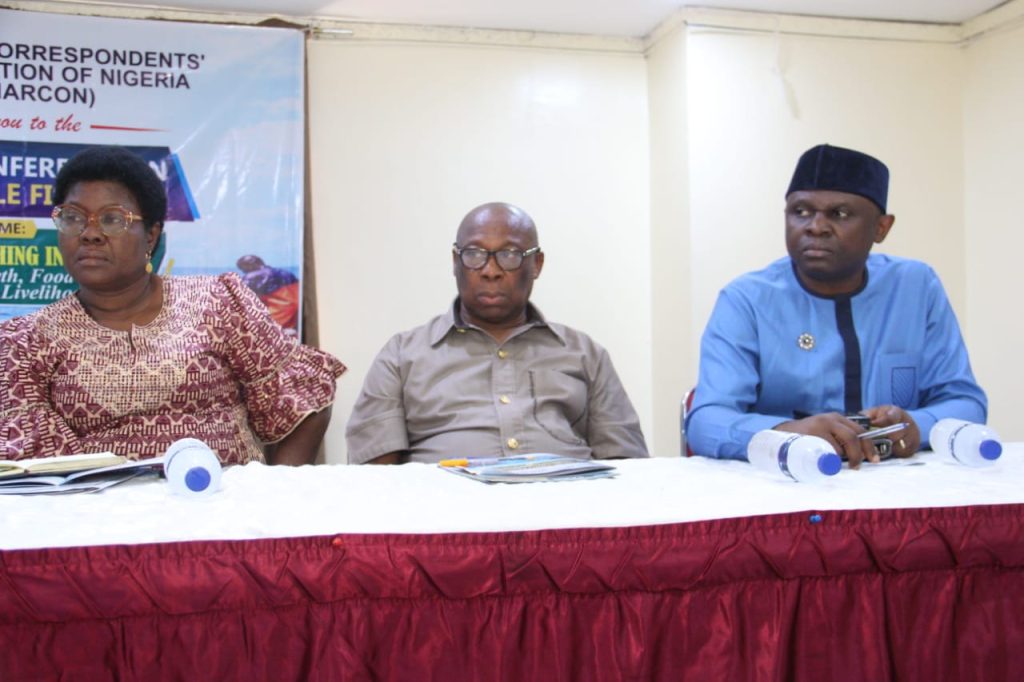
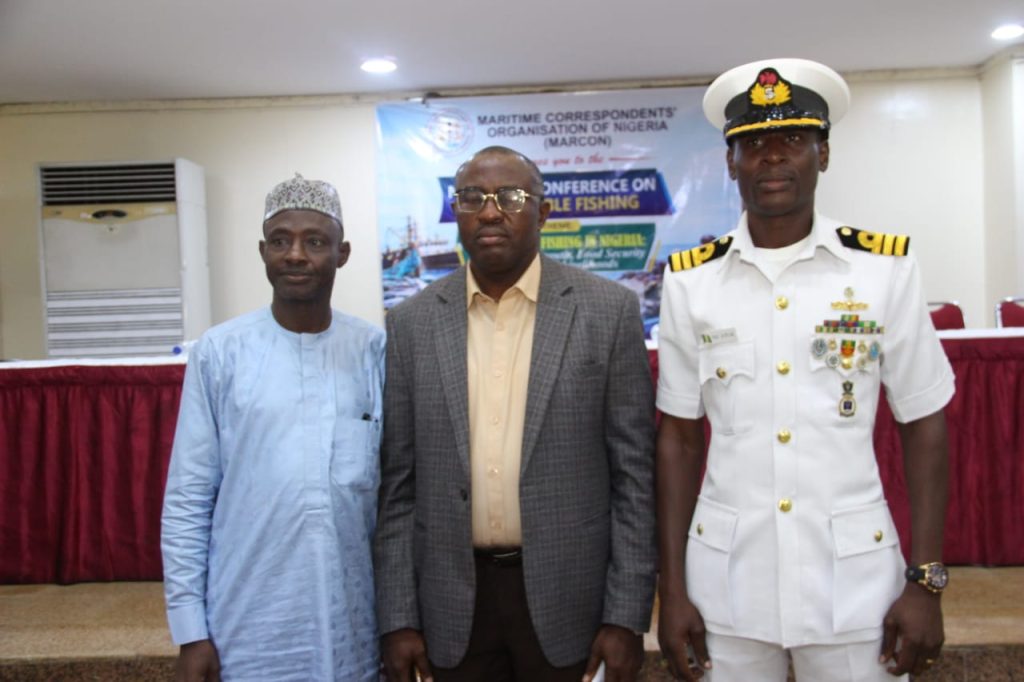
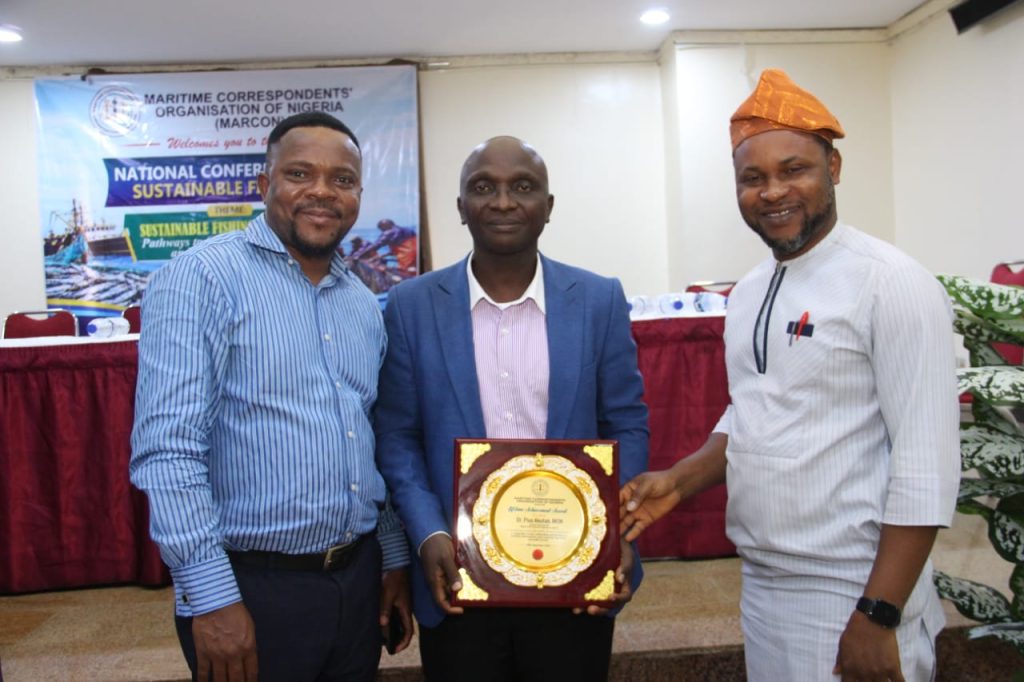
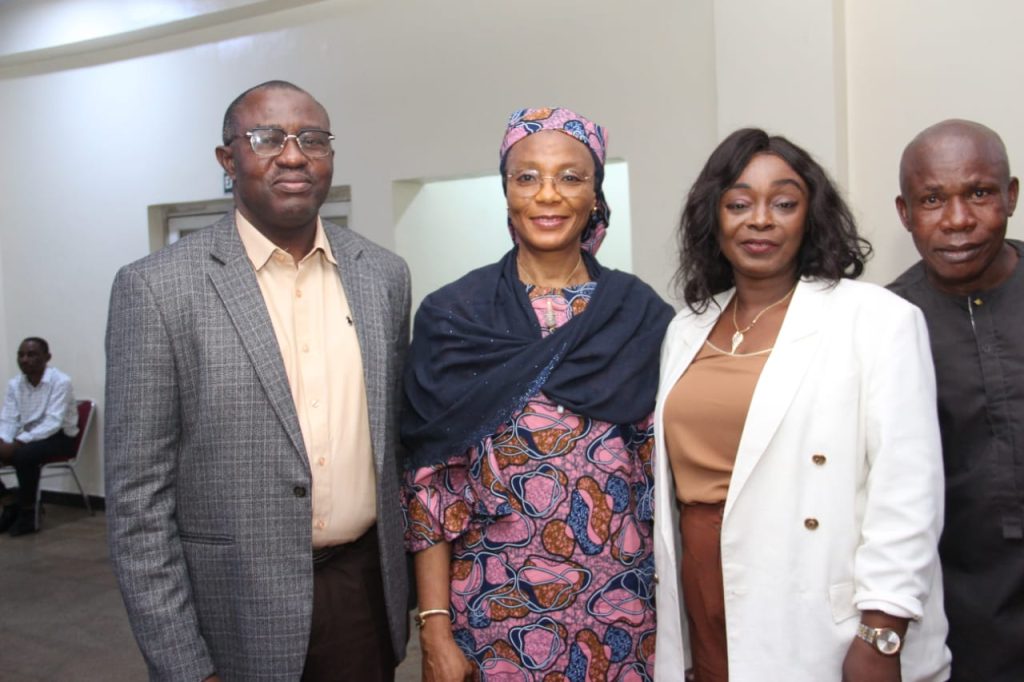
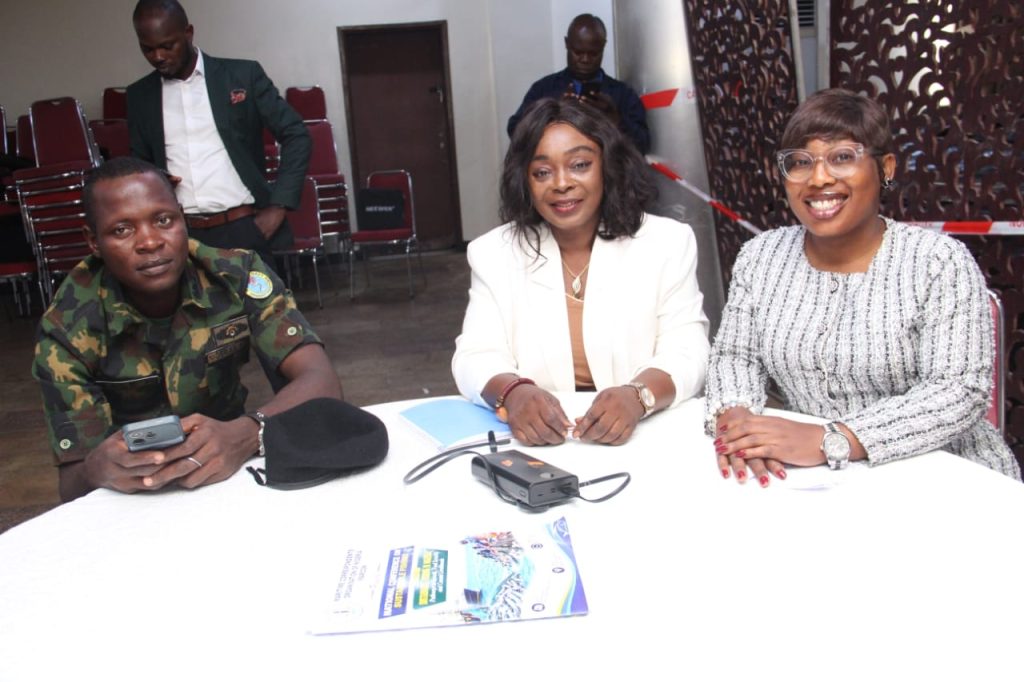
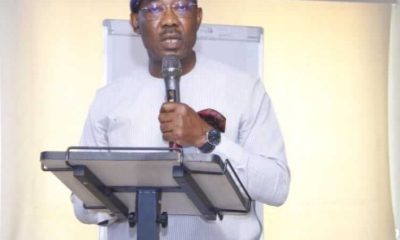
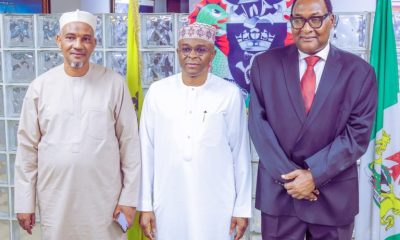
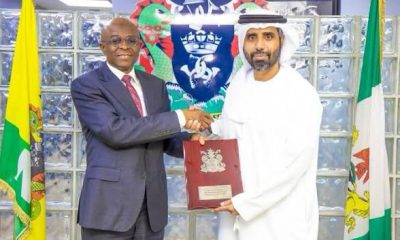
More photos from the event below: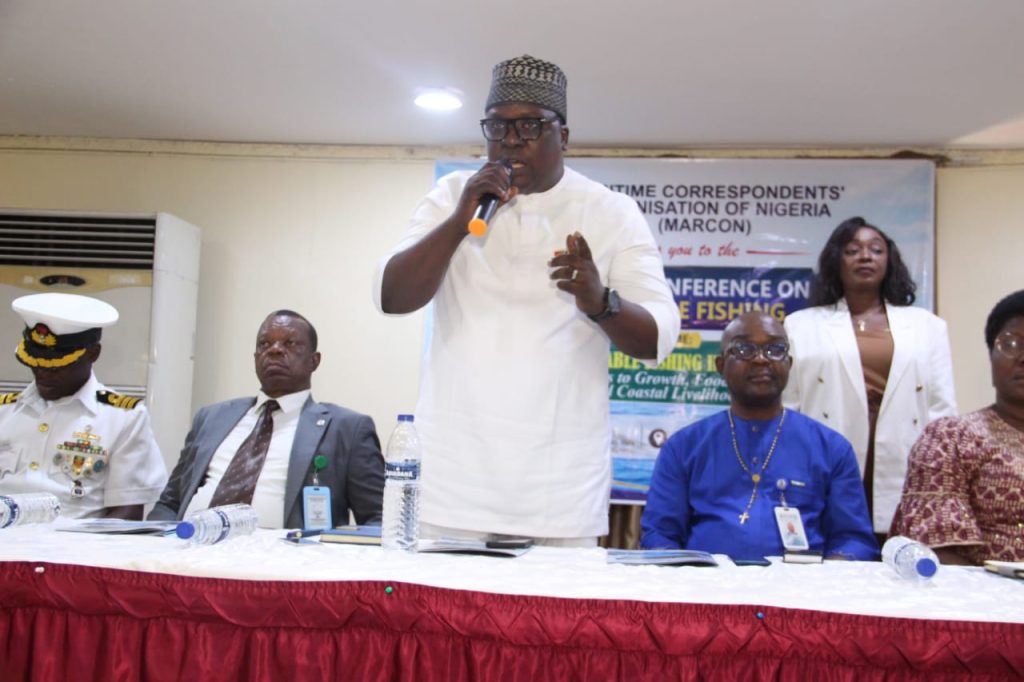









Customs CGC Says ‘The World Is Connected, Not Borderless’

Nigeria Customs Mulls Reviews of Complaints Arising from Recruitment

Edo-Delta Journalists Forum Challenges Political Leaders on Regional Development

Nnadi Urges Nigerian Importers to Shift from Finished Goods to Manufacturing

WMD: Oyetola Recommit to Unlock CVFF Pursuant to Indigenous Operators Financing

Customs FOU Zone ‘A’ Hands Over Seized ₦511.4m Pharmaceuticals, Illicit Drugs to NDLEA, NAFDAC

Oyetola Unveils NPERA, Corporate Logo Amid Quiet Enthusiasm

Nigeria, Benin Urged to Deploy Culture and Traditional Diplomacy to Defuse Border Tensions

Nigeria’s Ports: How Foreign Capital Took the Dinner, While Indigenous Businesses Got the Crumbs (3)

FOU Zone A, Police, Army, DSS, Others Strengthen Security Alliance Ahead of Elections

Nigeria’s Ports: How Foreign Capital Took the Dinner, While Indigenous Businesses Got the Crumbs (2)

Former Senatorial Candidate, Hajia Nike AbdulRahman Dumps NDC, Defects to APC

ANLCA Board is intact, cannot be wished away by anybody’-Elochukwu

B-R-E-A-K-I-N-G: Effedua, Rector MAN Oron, Resigns

EFCC’s Probe: Okowa Plots Sheriff’s Removal Despite London Accord
Customs Trains ANLCA Members, Others on B’Odogwu Portal

NPA’s Alleged Executive Management Fight: The Half Truth & Truth
ANLCA Board Election: Know Your Candidates
‘Why We Launched B-Odogwu Pilot Scheme With Webb Fontaine Still Running’ – Adeniyi

Onyemekara Promoted GM, Appointed NPA’s New Spokesperson

Onyeka Makes History As Tin-Can Customs Hit ₦16.4bn A Day

Nigeria Customs: Trust, Competence And The Oramalugo Factor

‘Rush To Break News Can Lead To Brush With Cybercrime’- Police

Apapa Customs Collects ₦161b On B’Odogwu Platform In 3 Weeks