
Analysis
THE GILDED CAGE: How Delta State’s Oil Billions Fail to Wash Away Human Misery

BY EGUONO ODJEGBA
By any conventional economic metric, Delta State ought to be a beacon of prosperity. Sitting atop vast reserves of crude oil and natural gas, it regularly claims one of the largest shares of Nigeria’s federal monthly allocation.
Yet, step beyond the gated compounds of Asaba or the administrative enclaves of Warri, and a radically different reality takes hold, one defined by crumbling infrastructure, underfunded schools, and communities left to fend for themselves in the shadow of multi-billion-naira industrial footprints.
The Paradox of Plenty
Delta State’s socio-economic crisis is fundamentally a crisis of distribution and governance. While the state treasury receives substantial monthly disbursements via the 13% derivation principle, the lived experience of the average Deltan reflects severe economic hardship:
Distorted Local Economies: High living costs in urban centers driven by the inflation-heavy energy sector make basic food, housing, and healthcare unaffordable for non-oil workers.
Unemployment & Youth Underemployment: Despite the presence of multinational energy firms, local employment generation remains critically low, driving many young people toward informal, high-risk, or unsustainable livelihoods.
Degraded Ecosystems: Decades of gas flaring, oil spills, and environmental neglect have systematically destroyed traditional agricultural lands and fishing grounds, stripping rural communities of their historic self-sufficiency.
Structural Failure in Public Services
The breakdown between revenue collection and public benefit is visible across key development sectors:
Sector Current Impact on Poor Households
Healthcare Primary health centers suffer from persistent drug shortages, lack of diagnostic tools, and understaffing, forcing out-of-pocket medical expenses that push families deeper into debt.
Education Public schools face inadequate infrastructure and insufficient teaching aids, creating a growing divide between elite private schooling and substandard public instruction.
Infrastructure Transport corridors connecting agrarian communities to urban markets remain poorly maintained, increasing post-harvest losses for local farmers.
Breaking the Cycle
Addressing Delta State’s entrenched poverty requires moving beyond traditional cosmetic interventions and tackling the structural drivers of inequality:
* Transparent Derivation Management: Directing a fixed, verifiable percentage of derivation funds directly into localized, community-managed development trusts rather than central bureaucratic channels.
* Economic Diversification Beyond Oil: Aggressively funding processing facilities for agriculture and aquaculture to rebuild rural income bases.
* Institutional Oversight: Strengthening public procurement audits and tracking capital project delivery across all local government areas.
Perhaps, Governor Sheriff Oborevwori has before now overlooked these reality, it is time he gets real with the task of governance and begin to reorder the basic deliverables. Until budgetary allocations translate directly into clean water, functional classrooms, and resilient livelihoods, the narrative of Delta State will remain unchanged: a land of immense wealth where millions remain trapped inside a gilded cage.









ANLCA Airport Crisis: Police Raid Raises Questions Over IGP’s Respect For Court Orders

‘We Arrested Several Vessels Violating Cabotage Trade’ – NIMASA

Customs CGC Says ‘The World Is Connected, Not Borderless’

Nigeria Customs Mulls Reviews of Complaints Arising from Recruitment

Edo-Delta Journalists Forum Challenges Political Leaders on Regional Development

Nnadi Urges Nigerian Importers to Shift from Finished Goods to Manufacturing

WMD: Oyetola Recommit to Unlock CVFF Pursuant to Indigenous Operators Financing

Customs FOU Zone ‘A’ Hands Over Seized ₦511.4m Pharmaceuticals, Illicit Drugs to NDLEA, NAFDAC

Oyetola Unveils NPERA, Corporate Logo Amid Quiet Enthusiasm

Nigeria, Benin Urged to Deploy Culture and Traditional Diplomacy to Defuse Border Tensions

Nigeria’s Ports: How Foreign Capital Took the Dinner, While Indigenous Businesses Got the Crumbs (3)

FOU Zone A, Police, Army, DSS, Others Strengthen Security Alliance Ahead of Elections
ANLCA Board is intact, cannot be wished away by anybody’-Elochukwu

B-R-E-A-K-I-N-G: Effedua, Rector MAN Oron, Resigns

EFCC’s Probe: Okowa Plots Sheriff’s Removal Despite London Accord
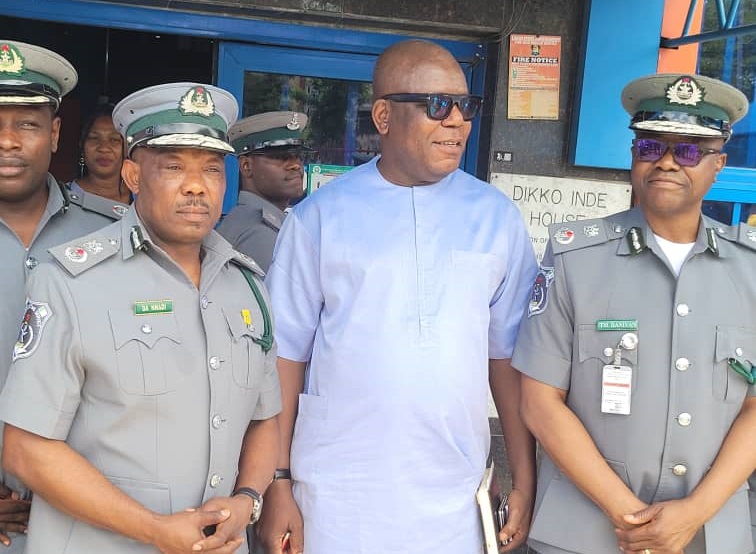
Customs Trains ANLCA Members, Others on B’Odogwu Portal

NPA’s Alleged Executive Management Fight: The Half Truth & Truth
ANLCA Board Election: Know Your Candidates
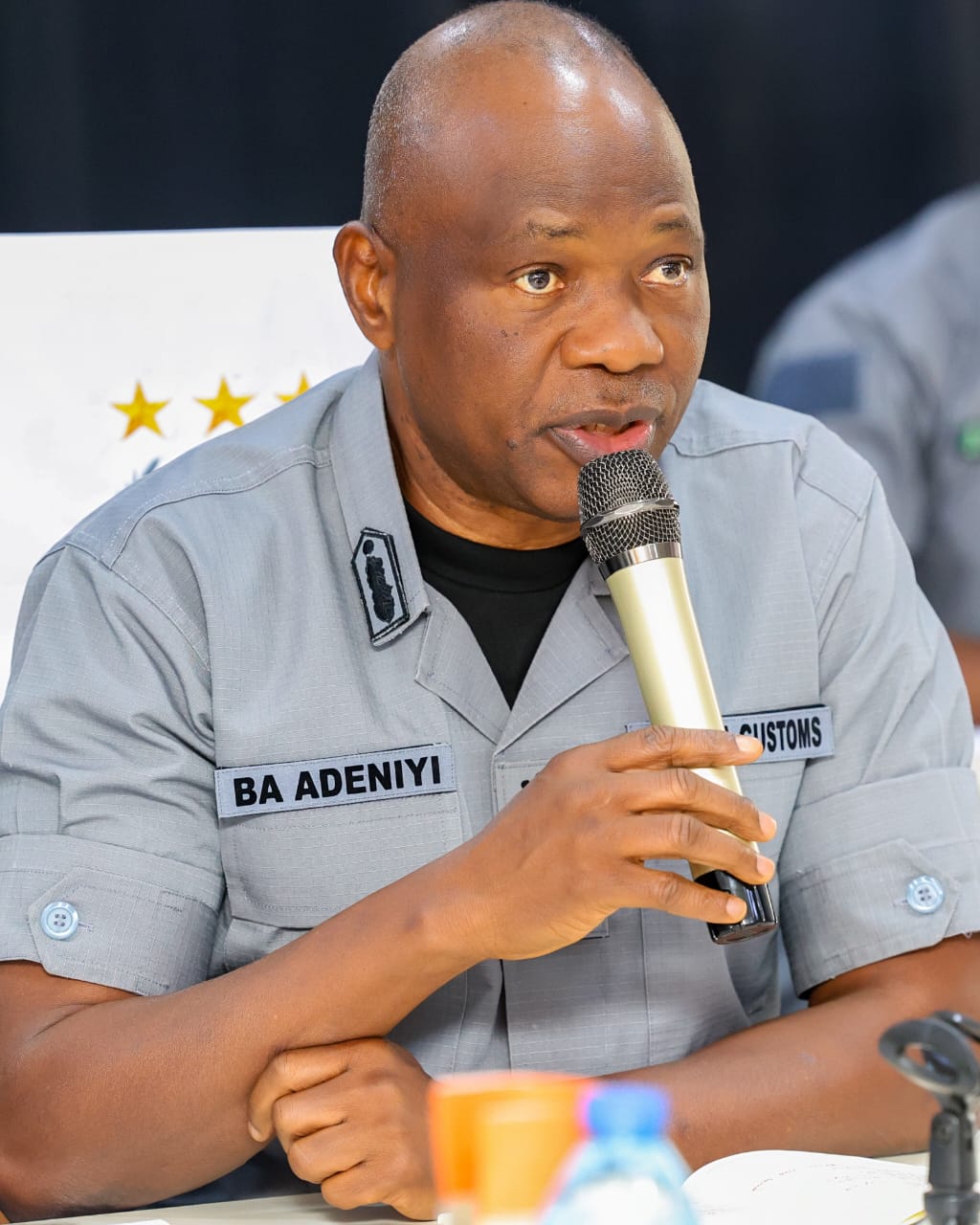
‘Why We Launched B-Odogwu Pilot Scheme With Webb Fontaine Still Running’ – Adeniyi

Onyeka Makes History As Tin-Can Customs Hit ₦16.4bn A Day

Onyemekara Promoted GM, Appointed NPA’s New Spokesperson

Nigeria Customs: Trust, Competence And The Oramalugo Factor

Apapa Customs Collects ₦161b On B’Odogwu Platform In 3 Weeks

‘Rush To Break News Can Lead To Brush With Cybercrime’- Police