
News
Nigeria, Benin Urged to Deploy Culture and Traditional Diplomacy to Defuse Border Tensions


BY FUNMI ALUKO
Nigeria and the Republic of Benin have been urged to strengthen diplomatic engagement, harness shared cultural heritage and involve traditional institutions more actively in resolving border disputes, improving security and advancing regional integration.
The call was made at the maiden one-day training workshop of the Edo-Delta Journalists Forum held in Igolo, Benin Republic, on Wednesday, October 14, 2026, where participants examined the intersection of cross-border relations, trade, security, culture and journalism.
A Permanent Secretary of the Nigeria-Benin Republic Inter-Border Forum, Dr Bonny Abisogun Botoku in his presentation, said the historical and social connections between communities on both sides of the international boundary offered an important foundation for peaceful coexistence.
He observed that many border communities maintained common ancestry, family relationships, cultural practices and economic interests despite the territorial demarcations separating Nigeria and Benin Republic.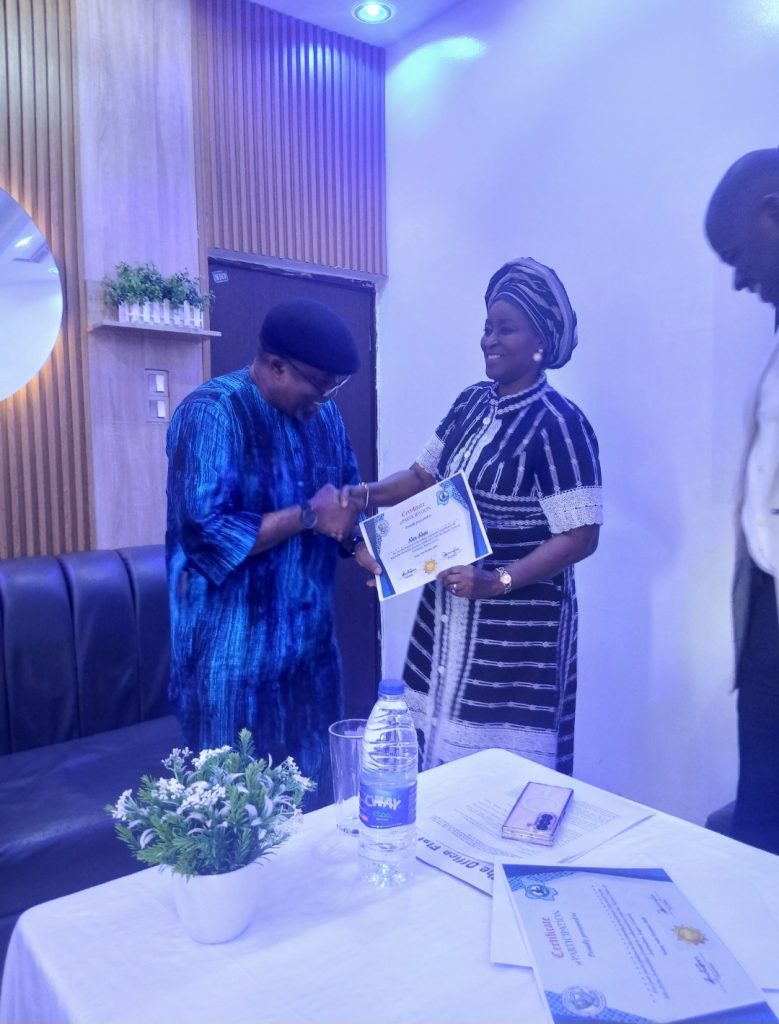
According to him, colonial-era boundaries divided some communities whose social and economic relationships had existed long before modern state borders were established.
He argued that governments must recognize these realities when designing and implementing border policies, without compromising their responsibility to protect national territory and enforce legitimate immigration and security requirements.
“Free movement does not mean that we should not know who is coming into the country, what they are coming to do and how long they intend to stay,” he said.
The Perm Sec maintained that legitimate security controls should be balanced with respect for human dignity and the rights of travelers who have fulfilled the applicable entry requirements.
He warned that excessive restrictions or unprofessional treatment of border residents and travelers could disrupt legitimate commerce, separate families and undermine livelihoods dependent on regular cross-border interactions.
His position highlights a central challenge confronting border administrations in West Africa on how to maintain effective territorial control while preserving the movement of people and goods that supports regional economic activity.
Apart from merely been a security frontier, the Nigeria-Benin corridor is also a network of communities, markets, transport routes, family connections and cultural exchanges whose daily activities influence relations between the two countries.
Botoku therefore called for closer collaboration among security agencies, traditional rulers, local government officials and other community stakeholders in both countries.
He described traditional institutions as valuable partners in understanding local customs, identifying historical grievances and facilitating dialogue where disputes might otherwise escalate.
According to him, traditional rulers and community leaders possess knowledge of local relationships and longstanding disputes that may not always be apparent to officials operating from distant administrative centres.
He recalled that, after becoming a permanent secretary in 2012, he participated in engagements involving government authorities, traditional rulers and local government representatives from both countries through an inter-border forum.
The initiative, he explained, sought to encourage dialogue, prevent conflict and promote local diplomacy rather than relying exclusively on interventions from higher levels of government.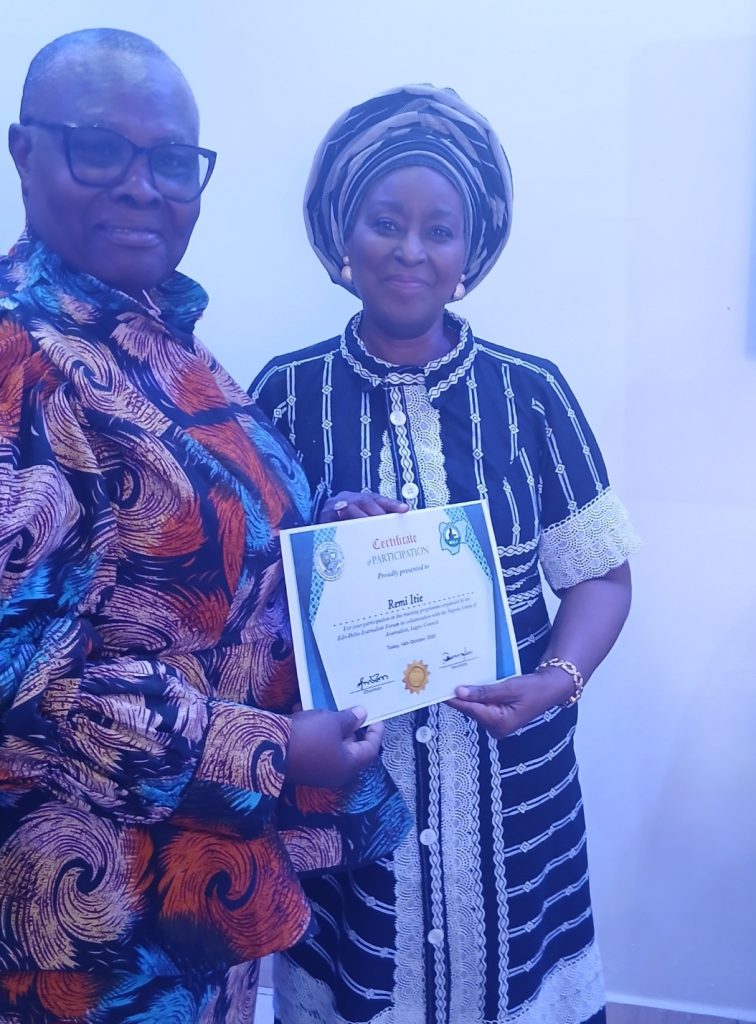
He urged the two countries to sustain such engagements and give border communities a stronger voice in discussions affecting their security, livelihoods and relationships with neighbouring settlements.
Beyond dispute resolution, the speaker called for a more development-oriented approach to border management. He explained that cultural festivals, artistic exchanges and joint economic activities could strengthen mutual understanding, create commercial opportunities and encourage residents to see neighbouring communities as partners in development rather than sources of insecurity.
The appeal is consistent with the wider objectives of regional integration, which depend not only on formal agreements between governments but also on the willingness of communities to maintain peaceful and productive relationships.
It is important to note however, that the promotion of cultural ties does not remove the need for effective enforcement against smuggling, trafficking, arms proliferation and other transnational offences. Rather, community participation and professional security operations can complement one another when responsibilities are clearly defined and evidence is properly established.
The workshop’s subject matter, “Journalism Beyond Borders: Reporting Cross-Border Relations, Trade, Security, Culture and Emerging Technologies in Nigeria–Benin Republic – Neighbouring States Corridor,” also placed the media at the centre of efforts to improve understanding between the two countries.
In his welcome address, the Protem Chairman of the Edo-Delta Journalists Forum, Mr. Tunde Umar-Daniah, said the choice of Igolo reflected the importance of examining issues where geography, culture, commerce and national security intersect.
He said the forum intended to promote peaceful coexistence, economic cooperation, boundary diplomacy and responsible reporting through professional training and engagement with relevant stakeholders.
For journalists covering the Nigeria-Benin corridor, the challenge is to report security incidents accurately without reducing entire border communities to stereotypes or portraying legitimate cross-border activities as inherently suspicious.
Responsible reporting therefore must distinguish between lawful movement, administrative disagreements and substantiated criminal conduct. It must also examine how policy decisions affect traders, transport operators, families and residents whose livelihoods depend on cross-border interaction.
The Igolo discussion consequently reinforced the need for a broader understanding of border security, one that combines lawful enforcement with diplomacy, cultural awareness, community engagement and economic development.
For Nigeria and Benin Republic, the enduring message is that a secure border is not necessarily one defined by restrictions alone, but one where public authorities protect their territories while sustaining the trust, cooperation and legitimate economic relationships that bind neighbouring communities together.


Nigeria, Benin Urged to Deploy Culture and Traditional Diplomacy to Defuse Border Tensions

Nigeria’s Ports: How Foreign Capital Took the Dinner, While Indigenous Businesses Got the Crumbs (3)

FOU Zone A, Police, Army, DSS, Others Strengthen Security Alliance Ahead of Elections

Nigeria’s Ports: How Foreign Capital Took the Dinner, While Indigenous Businesses Got the Crumbs (2)

Former Senatorial Candidate, Hajia Nike AbdulRahman Dumps NDC, Defects to APC

Nigeria’s Ports: How Foreign Capital Took the Dinner, While Indigenous Businesses Got the Crumbs

How Anani’s Tin Can Command Intercepted a ₦3.6 Billion Illicit Drug Shipment

Ibrahim, Ogun 1 Customs New Sheriff Unveils Strength Beneath His Quiet Mien

Logistics Synergy: NPA Advances Integration of ICDs Under New Reform Agenda

Teamwork, Discipline, Central to Our Enforcement Mandate —Jonah Charges Customs Marine Operatives

How the UAE-Nigeria Partnership Can Transform Our Ports

Cross River, FTZ Customs Gets New Impulse

ANLCA Board is intact, cannot be wished away by anybody’-Elochukwu

B-R-E-A-K-I-N-G: Effedua, Rector MAN Oron, Resigns

EFCC’s Probe: Okowa Plots Sheriff’s Removal Despite London Accord
Customs Trains ANLCA Members, Others on B’Odogwu Portal

NPA’s Alleged Executive Management Fight: The Half Truth & Truth

ANLCA Board Election: Know Your Candidates
‘Why We Launched B-Odogwu Pilot Scheme With Webb Fontaine Still Running’ – Adeniyi

Onyemekara Promoted GM, Appointed NPA’s New Spokesperson

Nigeria Customs: Trust, Competence And The Oramalugo Factor

‘Rush To Break News Can Lead To Brush With Cybercrime’- Police

Kebbi Is Hub of Hard Drugs Smuggling In Northern Region’ – Oramalugo

Onyeka Makes History As Tin-Can Customs Hit ₦16.4bn A Day