
Business
FOU Zone A, Police, Army, DSS, Others Strengthen Security Alliance Ahead of Elections

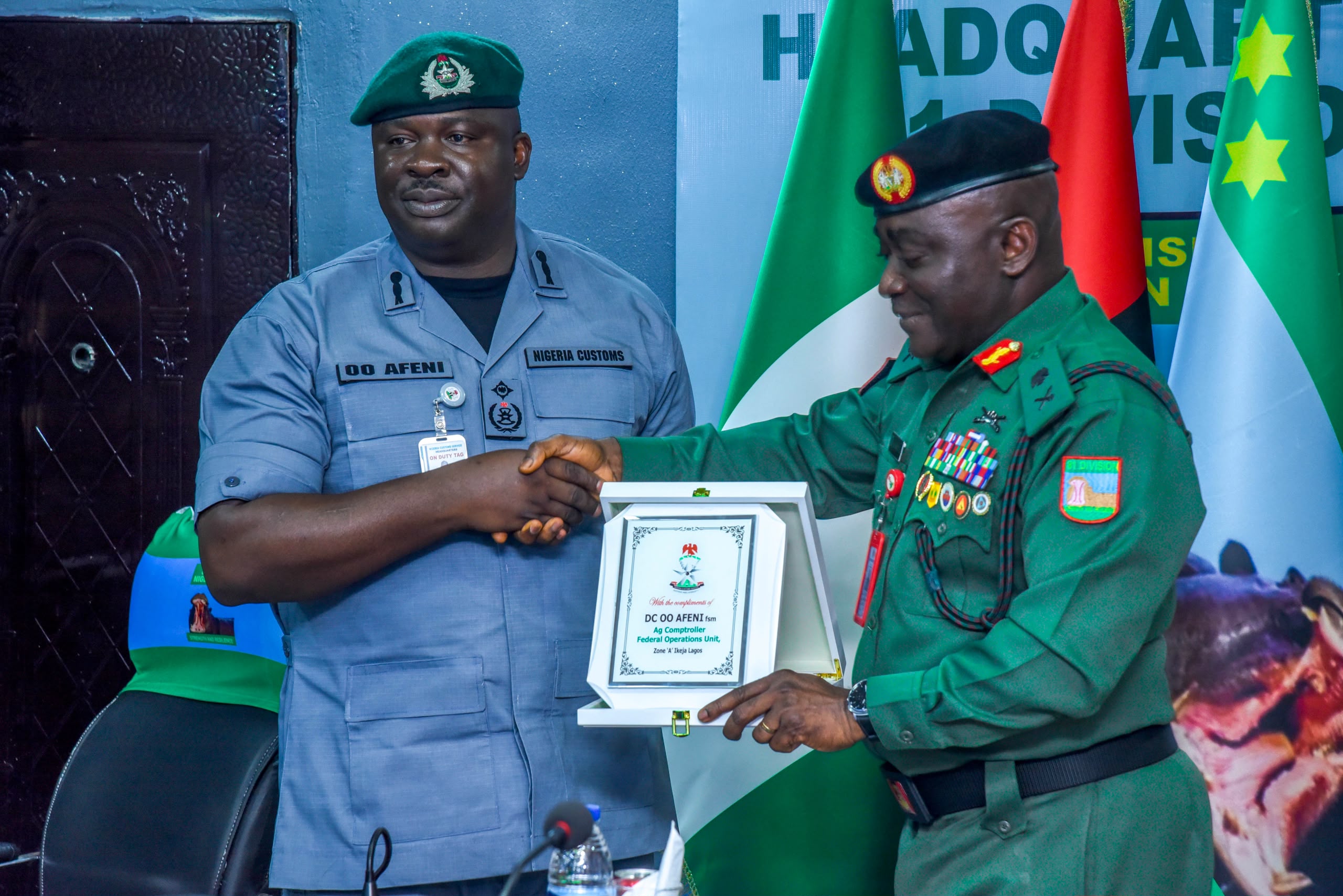
…As Afeni Seeks Intelligence Sharing, Joint Operations To Curb Smuggling, Trans-Border Crimes
BY FUNMI ALUKO
The Acting Comptroller of the Nigeria Customs Service (NCS), Federal Operations Unit (FOU), Zone ‘A’, Ikeja, Deputy Comptroller Oladapo Olukayode Afeni, has called for stronger collaboration among security and law enforcement agencies to prevent criminal elements from exploiting the approaching election period to perpetrate smuggling, trans-border crimes and other activities capable of undermining national security.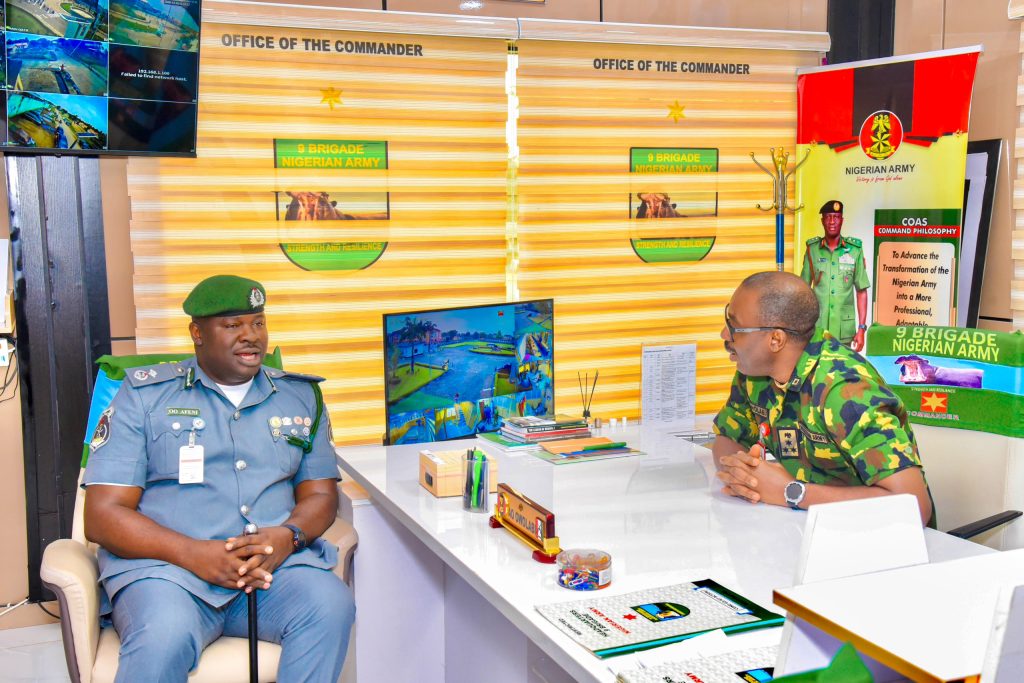
Afeni made the call during a familiarisation tour of sister security agencies in Lagos, which commenced on Wednesday, October 14, 2026, as part of efforts to consolidate inter-agency relationships, strengthen intelligence sharing and improve operational coordination in the fight against economic and cross-border crimes.
The tour according to a statement by the Unit Public Relations Officer, Chief Superintendent of Customs Hussaini Abdullahi took the Acting Comptroller to the Lagos State Police Command Headquarters, Ikeja; the Nigeria Customs Service (DSS); Headquarters, 81 Division, Nigerian Army; the National Drug Law Enforcement Agency (NDLEA) Strategic Command; the Nigeria Immigration Service (NIS); and the 9 Brigade of the Nigerian Army, Ikeja.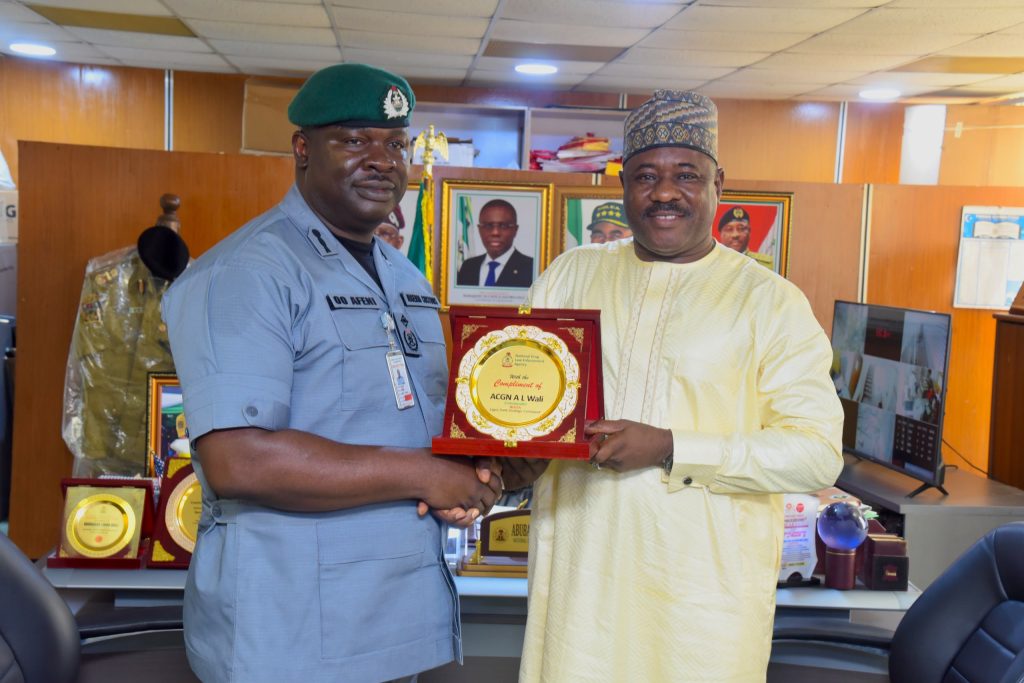
The engagements provided an opportunity for Afeni to meet with the leadership of the respective agencies, reaffirm existing institutional partnerships and identify practical areas for enhanced cooperation within Lagos and the wider operational jurisdiction of FOU Zone ‘A’.
The initiative comes against the backdrop of the security challenges associated with Nigeria’s extensive borders, the movement of illicit goods and the potential exploitation of politically sensitive periods by criminal networks.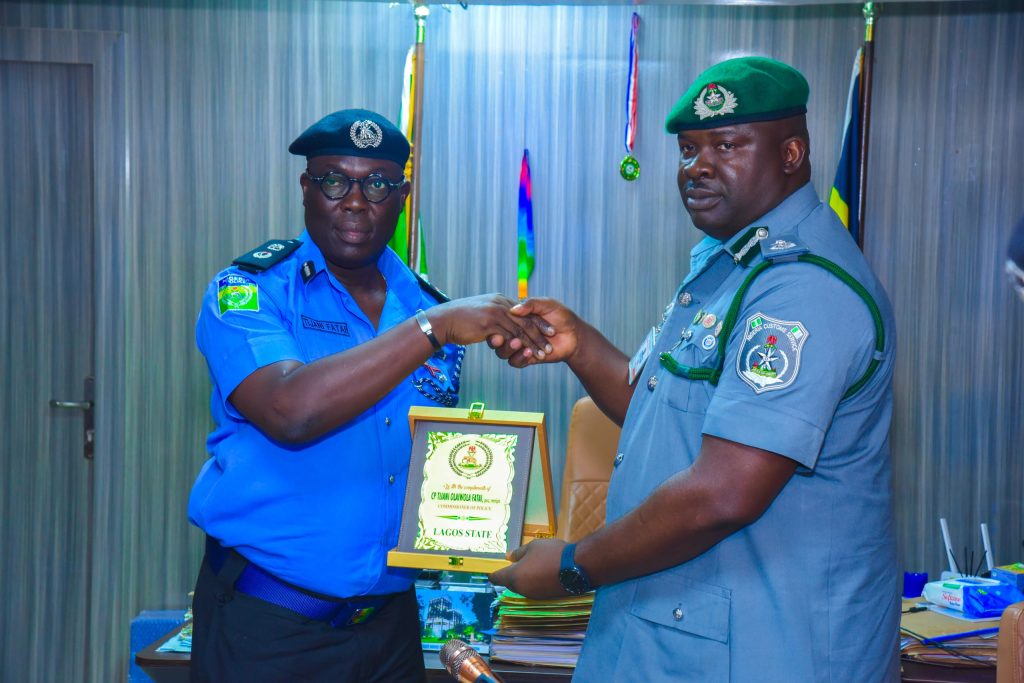
Speaking during his visit to the Lagos State Police Command, where he was received by the Commissioner of Police, CP Tijani Fatai, Afeni stressed that the responsibilities of Customs enforcement extended beyond border control to the protection of national interests through effective collaboration with other security institutions.
“We know that crime rates often increase as the country approaches the election period, as some people may attempt to take advantage of the period to perpetrate illicit activities capable of causing crises during the elections. Therefore, we are here to call for closer synergy so that these bad elements do not have their way,” he said.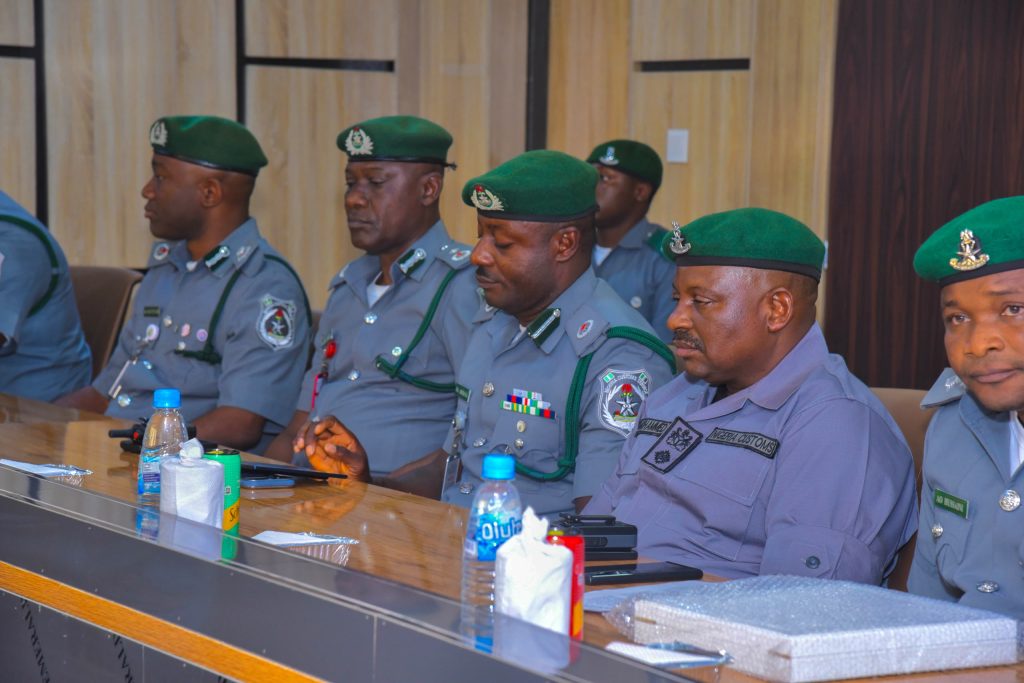
The Acting Comptroller maintained that a coordinated security architecture was essential to preventing criminal groups from exploiting gaps between the operations of law enforcement agencies.
He emphasised that no security institution could effectively discharge its responsibilities in isolation, particularly in a complex environment where smuggling, illicit drug trafficking, arms movement and other forms of organised crime could overlap and require complementary enforcement capabilities.
Afeni also acknowledged the intelligence-gathering capacity of the Nigeria Police Force, noting that sustained cooperation among the Police, Customs and other relevant agencies would improve the identification of criminal threats, facilitate timely interventions and strengthen the overall effectiveness of enforcement operations.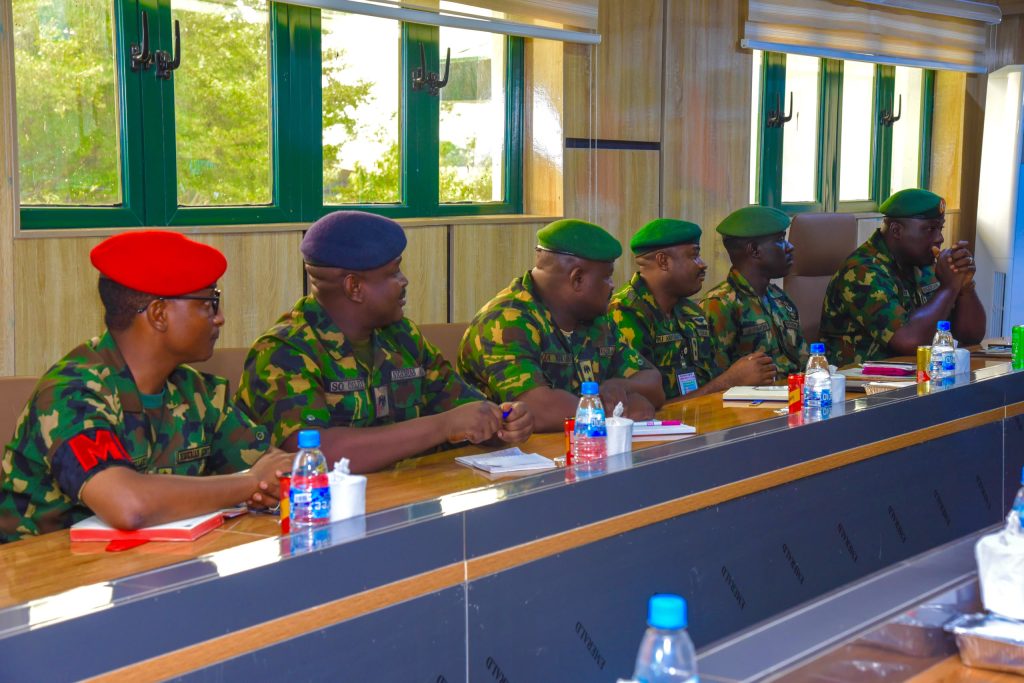
His appeal highlights the importance of moving beyond routine courtesy engagements to practical cooperation involving intelligence exchange, coordinated patrols, joint operations and the timely sharing of information on suspected criminal activities.
Responding, CP Tijani Fatai described the visit as a welcome tradition that had contributed to the achievement of significant results by the two institutions over the years.
The police commissioner said Lagos maintained a strong working relationship among its security agencies despite the enormous security demands associated with the state’s large population.
“In Lagos, we have a very strong and robust relationship with all security agencies, notwithstanding the huge population of the state,” Fatai said.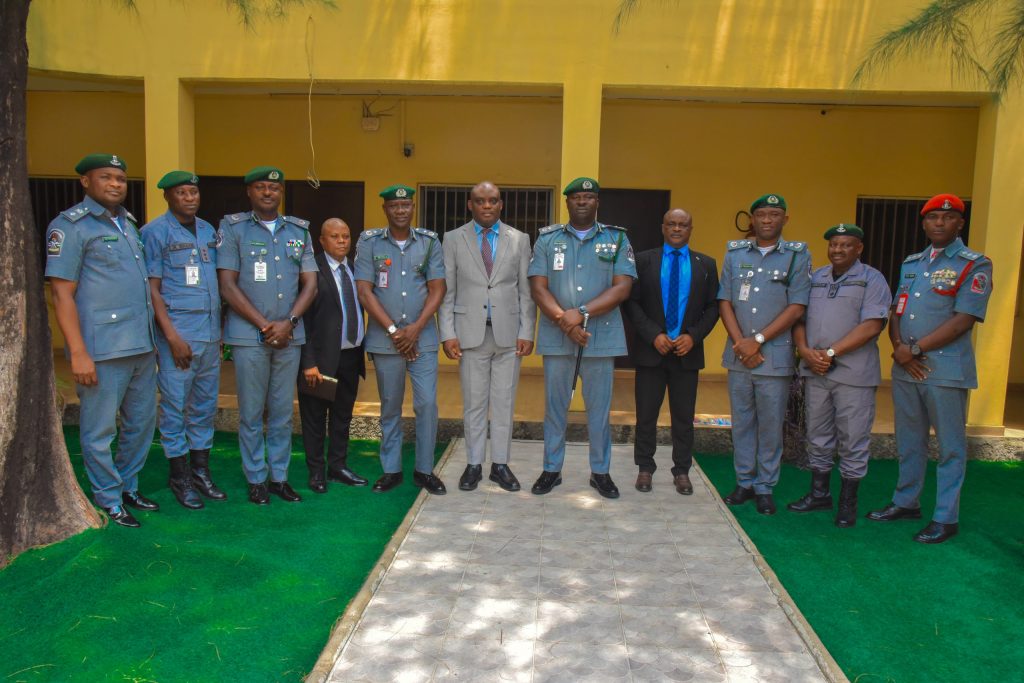
The commissioner’s remarks underscored the importance of institutional partnerships in a state whose commercial significance, population density and extensive movement of people and goods place substantial demands on security and law enforcement agencies.
For Customs, effective cooperation with the Police is particularly relevant to enforcement operations targeting smuggling networks, the movement of prohibited goods and other violations that may require criminal investigation, surveillance or coordinated intervention.
The Police, in turn, can benefit from Customs intelligence on suspicious cargo movements, illegal supply chains and activities linked to cross-border economic crimes.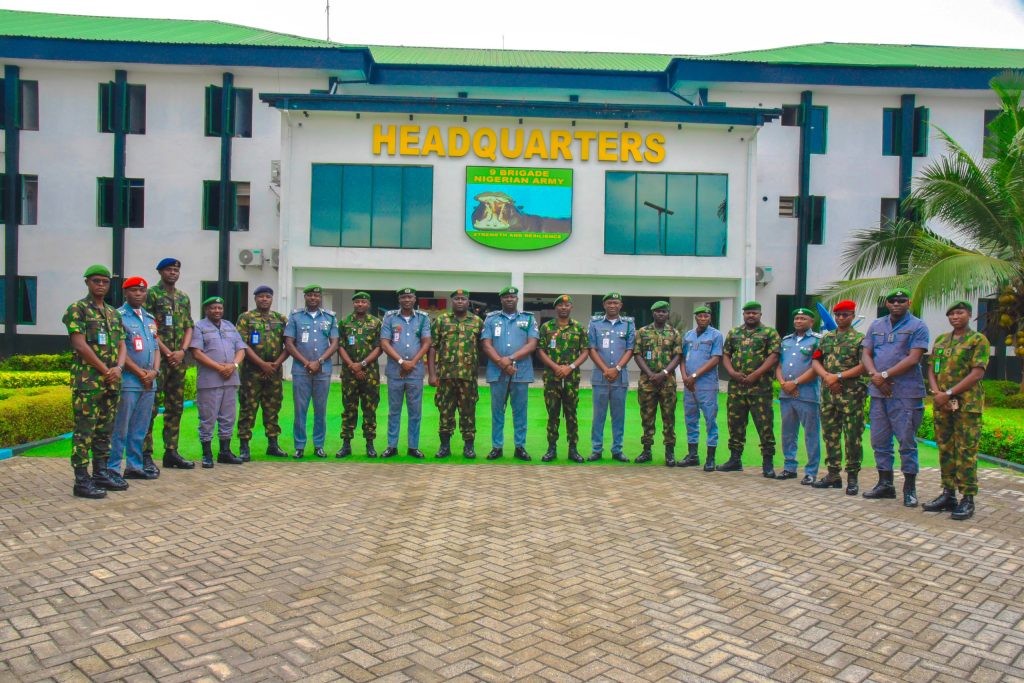
Such cooperation can help close operational gaps that criminal networks might otherwise exploit, although its effectiveness ultimately depends on sustained information sharing, clear lines of responsibility and timely action.
In a related engagement, Afeni visited the Headquarters of the Nigerian Army’s 81 Division, where he was received by the General Officer Commanding (GOC), Major General Adebayo Abdulrahman Babalola.
Babalola highlighted the importance of joint efforts in tackling criminality and urged security institutions to avoid unnecessary administrative bottlenecks capable of undermining operational efficiency.
The GOC’s advice draws attention to a practical challenge confronting inter-agency enforcement: collaboration must translate into timely decisions and coordinated field operations if it is to deliver meaningful security outcomes.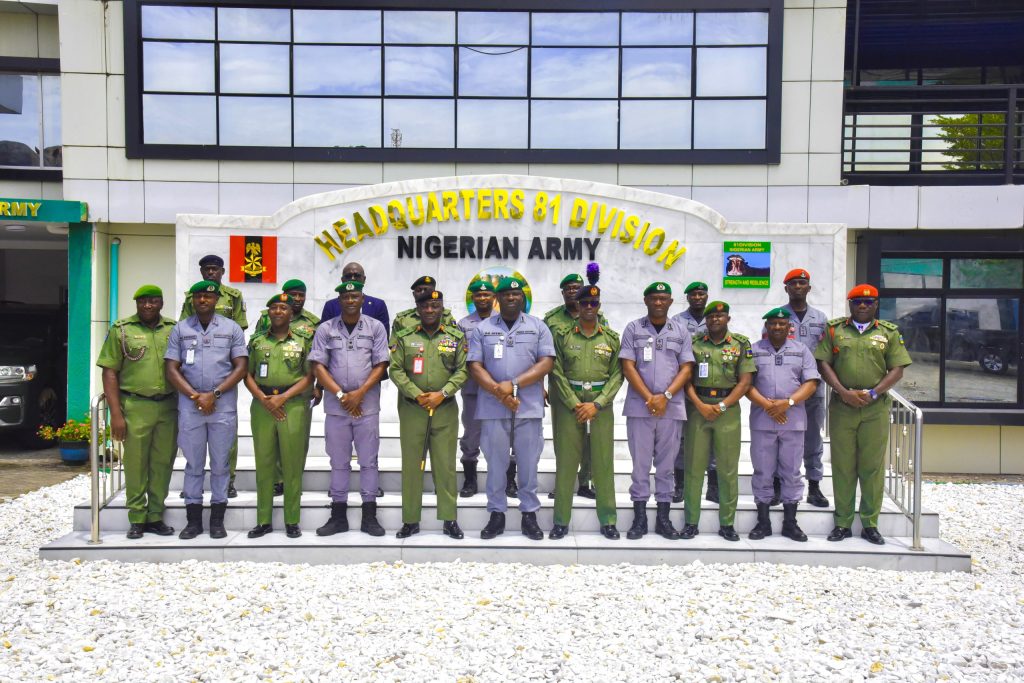
Delays in communication, avoidable procedural hurdles and inadequate coordination can weaken the response to fast-moving criminal activities. Stronger working relationships between Customs and the military are therefore important in addressing threats that demand coordinated planning, intelligence-led interventions and clearly defined operational responsibilities.
The engagement also reinforced the need for security agencies to complement one another’s mandates while maintaining the discipline and procedures required for effective law enforcement.
Beyond the Police and the Army, the Acting Comptroller’s engagements with the DSS, NDLEA, NIS and the Army’s 9 Brigade reflected the broad range of institutional capabilities required to confront the different dimensions of cross-border and economic crimes.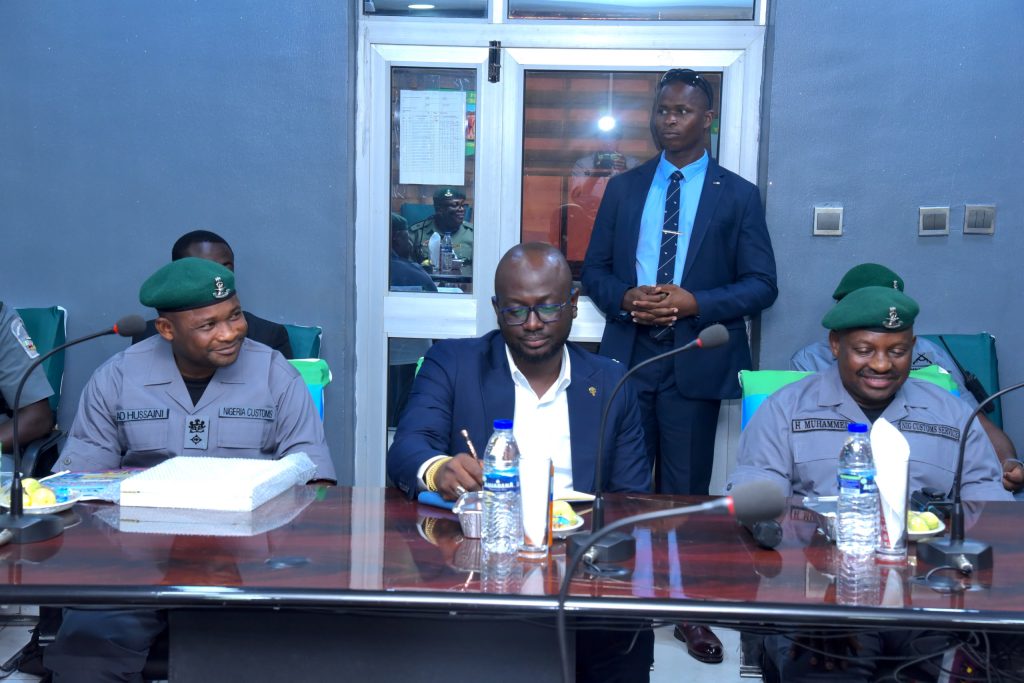
While the DSS has a security intelligence mandate, the NDLEA focuses on illicit drug control, and the Immigration Service is responsible for immigration administration and enforcement. Customs enforcement intersects with these responsibilities in areas involving prohibited imports and exports, illicit commodities, border movements and related criminal activities.
The synergy envisages a coordinated approach that can help agencies bring their respective expertise to bear on common threats without duplicating efforts or leaving gaps in enforcement.
The familiarization tour also carries implications for revenue protection and trade facilitation, two important responsibilities of the Nigeria Customs Service.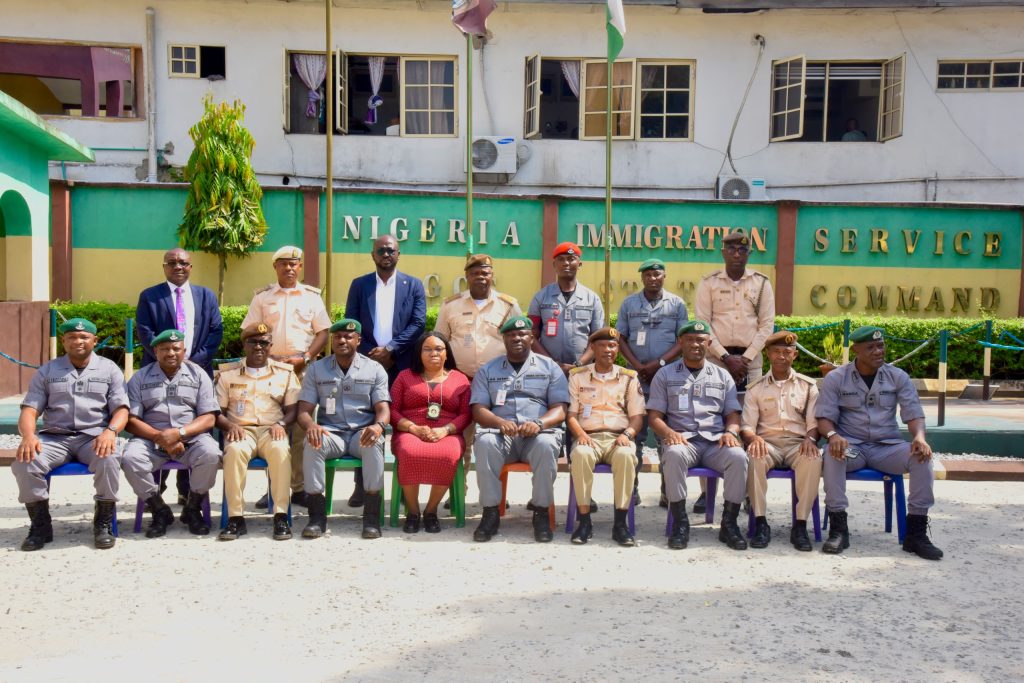
Smuggling and the illegal movement of goods undermine legitimate trade, deprive the government of lawful revenue and expose the economy to products and commodities entering or leaving the country outside established regulatory controls.
For FOU Zone ‘A’, which conducts enforcement operations against smuggling and other customs-related offences, intelligence-driven cooperation can strengthen the identification of suspicious consignments, improve the tracking of illicit supply chains and support the disruption of organised smuggling networks.
The wider economic objective is to protect legitimate businesses and government revenue while ensuring that enforcement activities complement lawful trade and the movement of compliant goods.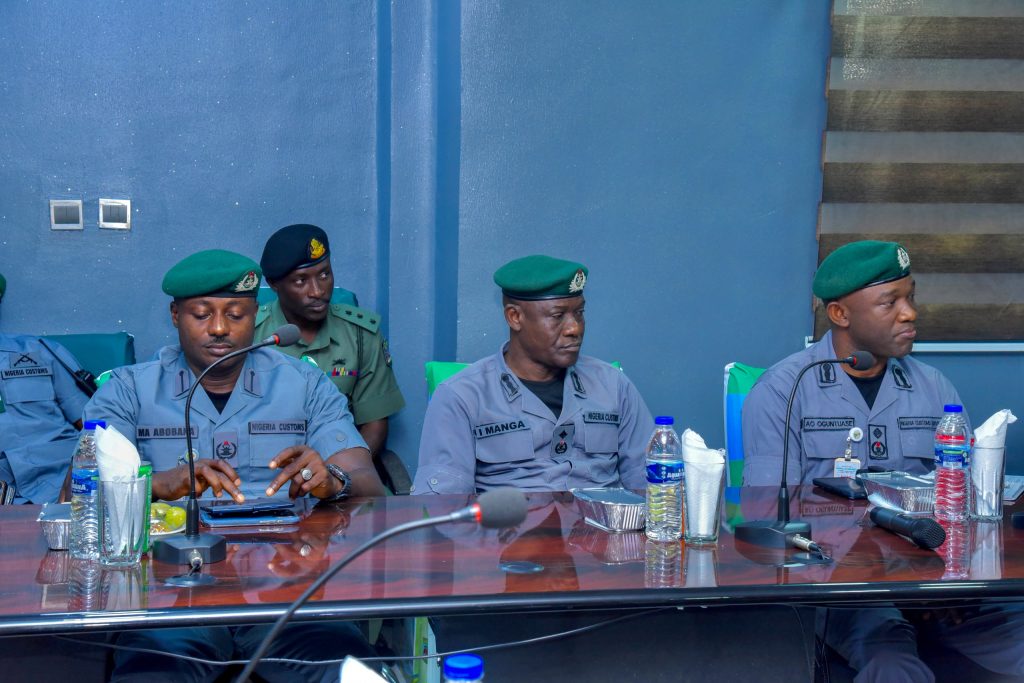
The success of such an approach, however, depends on more than high-level meetings and expressions of goodwill. It requires effective communication channels, credible intelligence, coordinated operational planning and measurable results.
Sustaining these relationships will be particularly important where criminal activities cut across multiple jurisdictions or involve commodities that fall within the enforcement responsibilities of different agencies.
The agencies visited by Afeni reaffirmed their commitment to maintaining cooperation with the Nigeria Customs Service, signalling a shared willingness to consolidate existing partnerships in support of national security.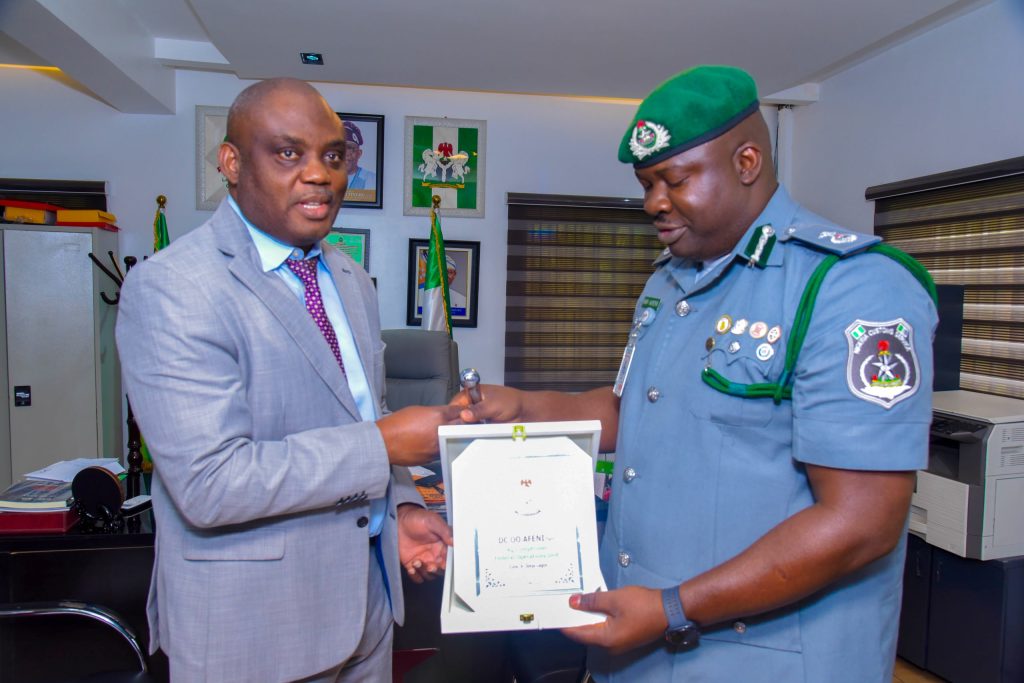
It is expected that FOU Zone ‘A’ will be to translate the commitments secured during the tour into sustained operational arrangements capable of responding to emerging threats, especially during politically sensitive periods.
The visit therefore represents another effort by the Customs Service to strengthen the institutional partnerships required to combat smuggling, protect national revenue, facilitate legitimate trade and safeguard Nigeria’s broader economic interests.
As the country approaches another election cycle, the emphasis on intelligence sharing and coordinated enforcement underscores a central security imperative: criminal elements are less likely to exploit institutional weaknesses when law enforcement agencies work together, communicate effectively and respond promptly to emerging threats.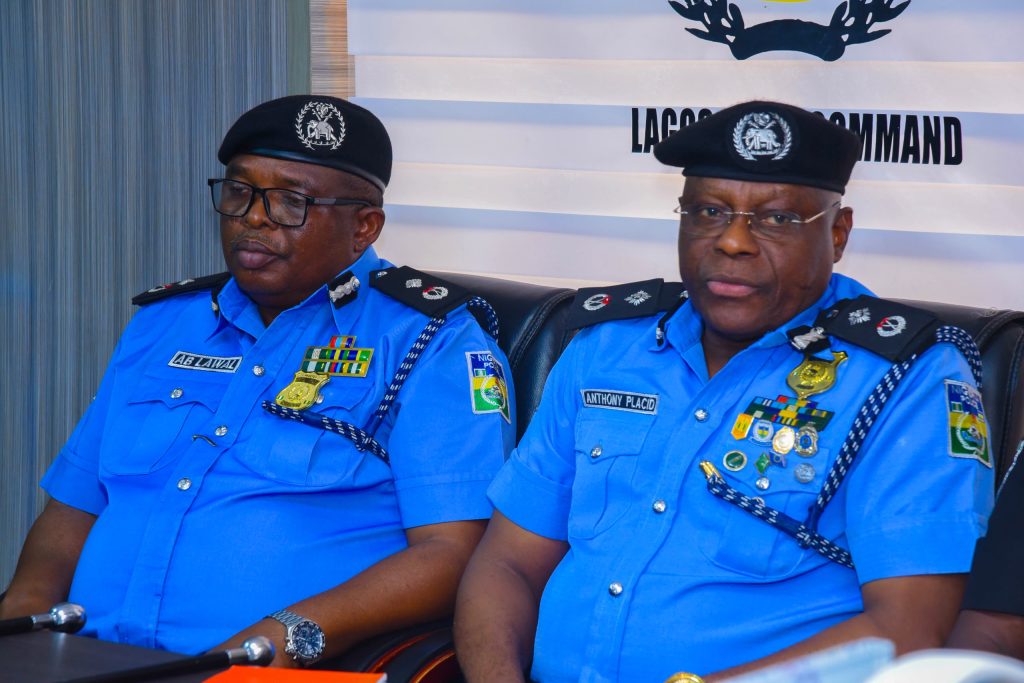






Nigeria, Benin Urged to Deploy Culture and Traditional Diplomacy to Defuse Border Tensions

Nigeria’s Ports: How Foreign Capital Took the Dinner, While Indigenous Businesses Got the Crumbs (3)

FOU Zone A, Police, Army, DSS, Others Strengthen Security Alliance Ahead of Elections

Nigeria’s Ports: How Foreign Capital Took the Dinner, While Indigenous Businesses Got the Crumbs (2)

Former Senatorial Candidate, Hajia Nike AbdulRahman Dumps NDC, Defects to APC

Nigeria’s Ports: How Foreign Capital Took the Dinner, While Indigenous Businesses Got the Crumbs

How Anani’s Tin Can Command Intercepted a ₦3.6 Billion Illicit Drug Shipment

Ibrahim, Ogun 1 Customs New Sheriff Unveils Strength Beneath His Quiet Mien

Logistics Synergy: NPA Advances Integration of ICDs Under New Reform Agenda

Teamwork, Discipline, Central to Our Enforcement Mandate —Jonah Charges Customs Marine Operatives

How the UAE-Nigeria Partnership Can Transform Our Ports

Cross River, FTZ Customs Gets New Impulse

ANLCA Board is intact, cannot be wished away by anybody’-Elochukwu

B-R-E-A-K-I-N-G: Effedua, Rector MAN Oron, Resigns

EFCC’s Probe: Okowa Plots Sheriff’s Removal Despite London Accord
Customs Trains ANLCA Members, Others on B’Odogwu Portal

NPA’s Alleged Executive Management Fight: The Half Truth & Truth
ANLCA Board Election: Know Your Candidates
‘Why We Launched B-Odogwu Pilot Scheme With Webb Fontaine Still Running’ – Adeniyi

Onyemekara Promoted GM, Appointed NPA’s New Spokesperson

Nigeria Customs: Trust, Competence And The Oramalugo Factor

‘Rush To Break News Can Lead To Brush With Cybercrime’- Police

Kebbi Is Hub of Hard Drugs Smuggling In Northern Region’ – Oramalugo

Onyeka Makes History As Tin-Can Customs Hit ₦16.4bn A Day