
Features
Oshoba at 60: A Life of Service, a Port Legacy and the Joy of Thanksgiving


BY EGUONO ODJEGBA
There are celebrations that revolve around age, others that celebrate achievement, and a few that bring together the deeper meanings of life, service, friendship and gratitude. On Sunday, October 25, 2026, at the RCCG Souls Winners Chapel, Festac Town, Lagos, the 60th birthday and thanksgiving service of Comptroller Emmanuel Oluwadare Oshoba Rtd became a memorable convergence of all four.
It was a day when the professional boundaries of the Nigeria Customs Service gave way to the warmth of human relationships; when serving officers reunited with retired colleagues, senior officers embraced their juniors, industry stakeholders mingled freely with friends and family, and the familiar language of revenue, enforcement, cargo clearance and operational targets yielded to songs of praise, prayers and thanksgiving.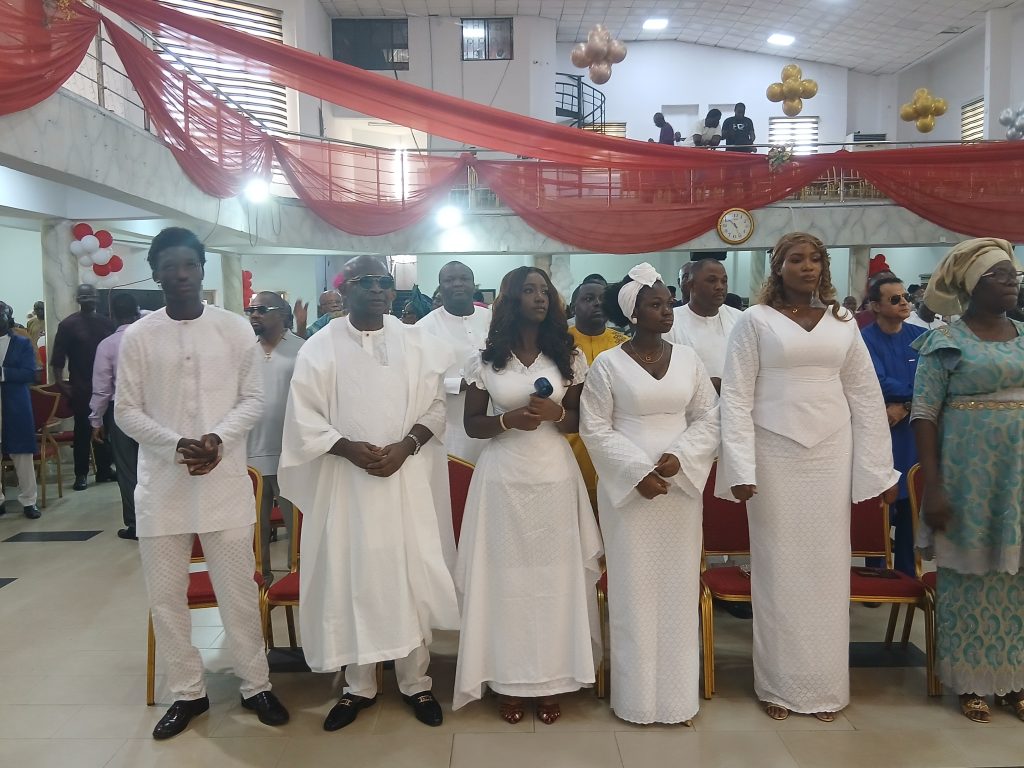
The occasion was, in essence, more than a birthday party. It was a celebration of a life that had traversed six decades, a professional journey spanning 35 years of service to the Nigerian state, and a retirement that afforded the celebrant an opportunity to pause, reflect and acknowledge the grace of God.
For a man whose professional life was spent in a demanding institution where discipline, vigilance, responsibility and accountability are indispensable, the thanksgiving service offered a different but equally significant moment: the opportunity to appreciate the unseen hand behind the visible achievements. And the turnout which spoke volumes can be categorized into specialized levels.
When Colleagues Become Family
Long before the celebration reached its high point, the atmosphere at the church had established its own narrative. The gathering was conspicuously populated by men and women whose paths had crossed with Oshoba’s over decades of professional engagement, institutional assignments, operational challenges and personal relationships.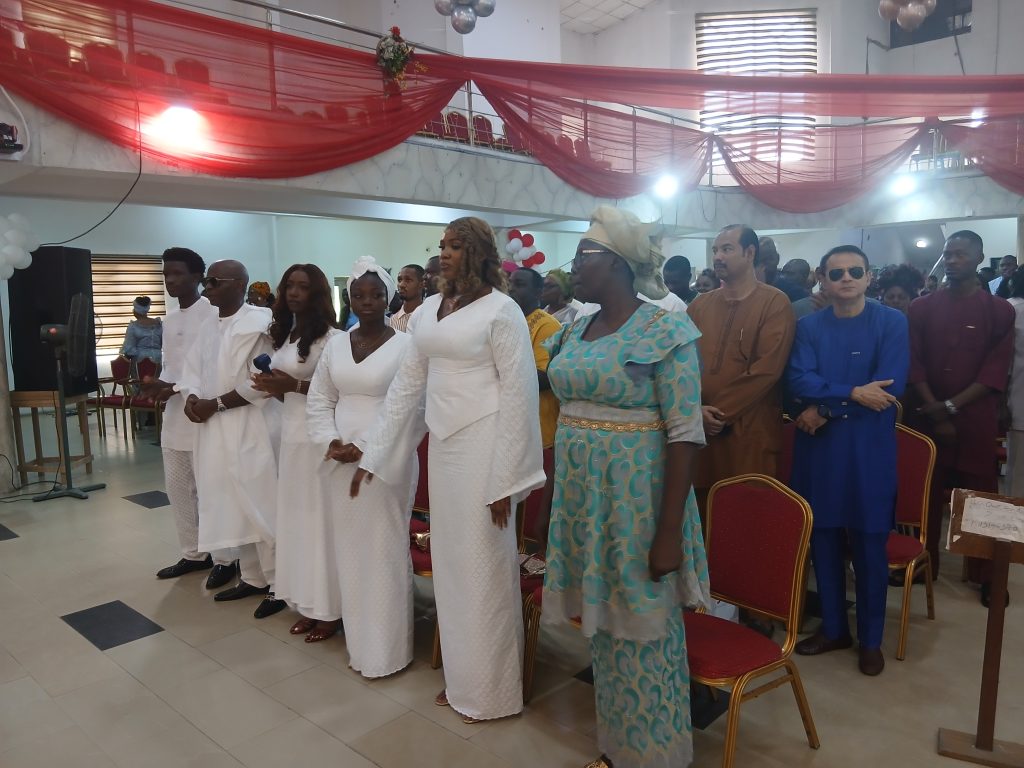
There were serving and retired Customs officers, top management personnel, colleagues from different generations traversing different agencies of government, associates from the maritime and freight-forwarding communities, friends and family members. Their presence transformed the occasion into a reunion of sorts, bringing together people who, in the ordinary course of duty, might have been separated by postings, promotions, retirements and the geographical spread of their professional responsibilities.
Yet, on this day, the distinctions that often define the hierarchy of public service became less important than the bond of shared experience. The sight of senior officers, junior colleagues and retired personnel gathering to celebrate one of their own reinforced a simple truth about professional life: positions may be temporary, postings may change and official responsibilities may eventually end, but the relationships built along the way does endure.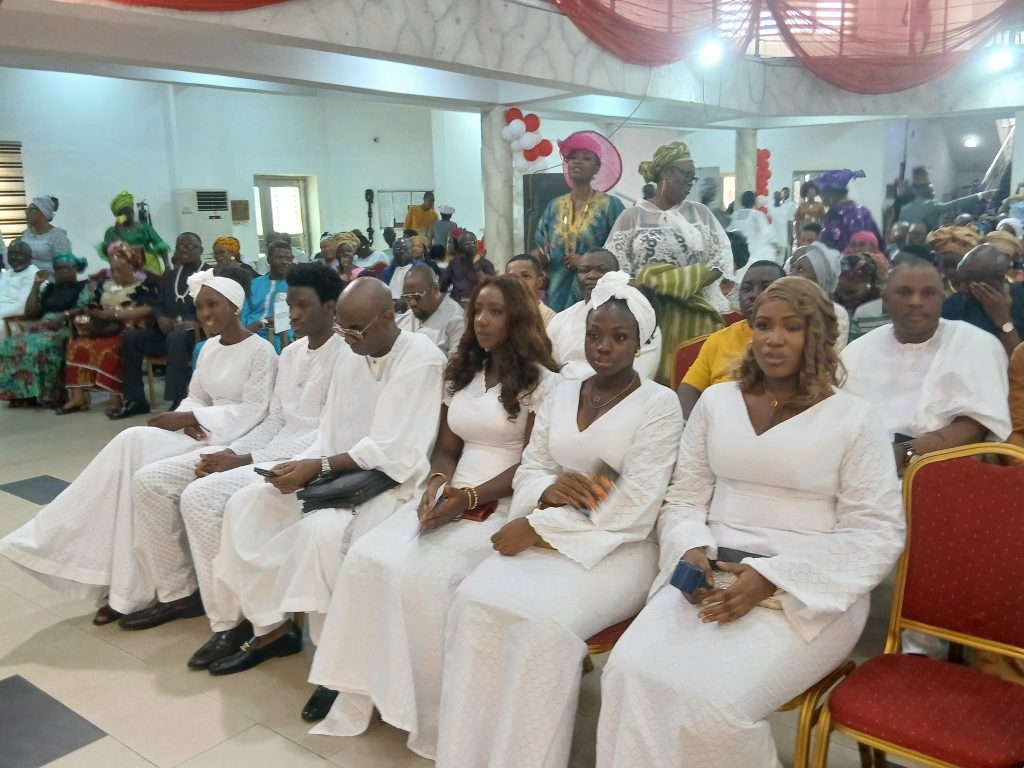
That sense of enduring fellowship was among the defining features of Oshoba’s 60th birthday celebration. The celebrant’s personality appeared to provide a natural explanation for the impressive attendance. In an institution as demanding as the Nigeria Customs Service, where officers must often make difficult decisions under pressure and where enforcement responsibilities can place them at odds with the interests of some stakeholders, the ability to maintain cordial professional relationships is a valuable attribute.
The gathering suggested that Oshoba’s connections extended beyond the narrow confines of official assignments. His colleagues had come not merely to acknowledge a former Comptroller, but to celebrate a friend, associate and fellow traveler whose journey they had witnessed in different ways.
The Distinguished Company At The Celebration
Among the senior Customs officers who graced the occasion were Deputy Comptroller-General Oluyomi Abolaji Adebakin and Assistant Comptroller-General Frank Okechukwu Onyeka, alongside Deputy Comptroller Olukayode Afeni of the Federal Operations Unit, Zone A; Comptroller Joe Anani of the Tin Can Island Port Command; Comptroller Adebayo Kayode Rtd; his successor, Comptroller M. Mua’azu; and other serving and retired officers; including associates from other security agencies and specialized organisations.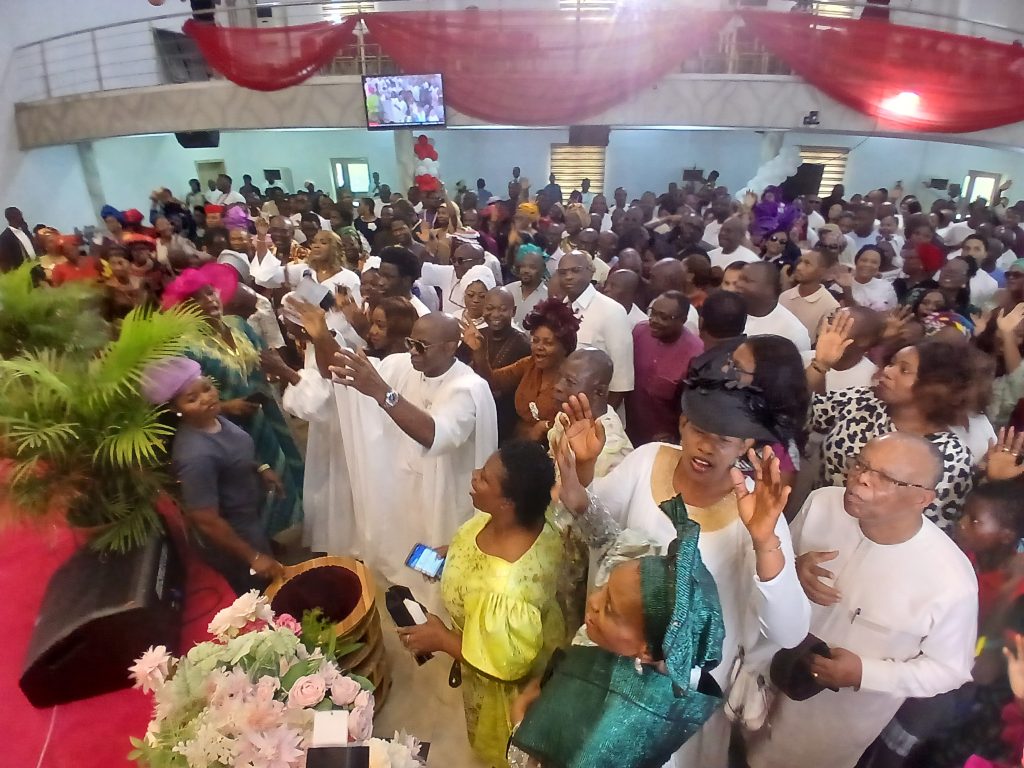
Also present were representatives of the customs brokerage and freight-forwarding community, including Association of Nigerian Licensed Customs Agents (ANLCA) Apapa Chapter Chairman, Emeka Chukwumalu, and other industry associates.
The presence of officers from different levels of the Service and the wider maritime industry gave the occasion an institutional significance beyond the immediate family celebration.
For a retired officer, such a gathering can be particularly meaningful. Retirement marks the conclusion of active official responsibility, but it also provides an opportunity to see the extent to which professional relationships have survived beyond the workplace.
The attendance of serving management personnel and colleagues from across the industry offered a visible reminder that retirement does not necessarily mean withdrawal from the community in which a person has spent a lifetime building relationships.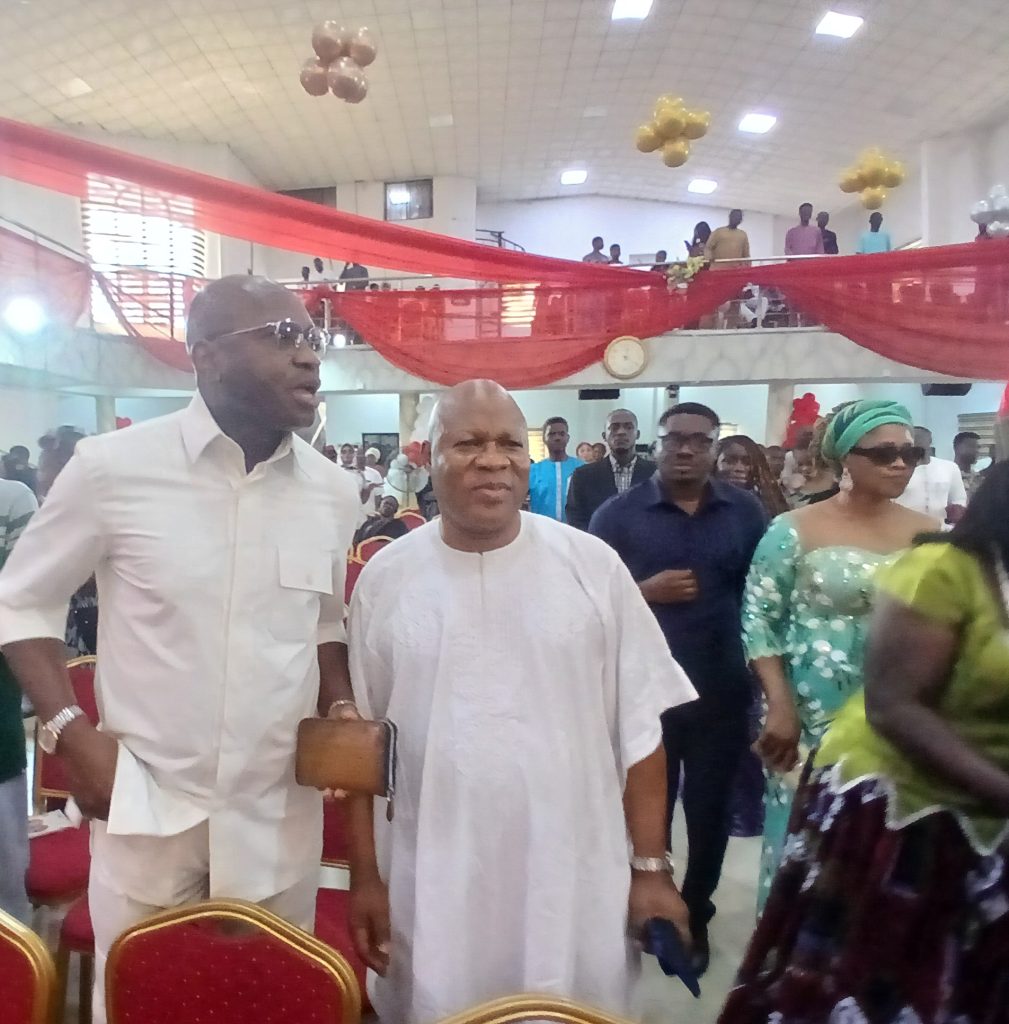
Rather, it can become a new phase in which the value of those relationships is appreciated without the pressures of office. For Oshoba, the warmth of the gathering appeared to be one of the day’s most rewarding gifts.
‘Unrestrained Joy’: The Spiritual Meaning of Turning 60
The spiritual centrepiece of the celebration was the thanksgiving service conducted by Pastor Amos Emovon, who delivered a sermon on the theme, ‘Unending Joy’.
His message placed the celebrant’s milestone within the broader context of divine grace, gratitude and the privilege of completing a long and demanding professional journey.
Pastor Emovon observed that it was a worthy cause for thanksgiving to God for an individual to have served his fatherland for 35 years and retired meritoriously.
The remark resonated with the occasion’s underlying message, that in the public service, a long career is not simply a matter of counting years. It involves navigating responsibilities, institutional demands, professional expectations and the changing circumstances that accompany a lifetime of service.
To reach retirement after 35 years, therefore, was presented as an achievement deserving of gratitude. The sermon also gave spiritual expression to the celebrant’s decision to mark his 60th birthday with a thanksgiving service. Rather than treating the milestone exclusively as a personal accomplishment, Oshoba chose to acknowledge the role of divine providence in his life and career.
In that sense, the occasion became a statement of perspective: that personal achievements, professional advancement and the privilege of growing older are reasons not only for celebration, but also for humility and gratitude.
The theme of Agape Joy, understood through the Christian idea of selfless, unconditional love found a fitting setting in the gathering of colleagues, associates and loved ones who had come to share in the celebrant’s happiness.
It was a moment when gratitude acquired a communal expression, with the celebrant’s personal thanksgiving becoming an occasion for others to reflect on their own journeys, relationships and blessings.
Agape Joy in Motion: When the Dancing Would Not Stop
If Pastor Amos Emovon’s sermon on “Agape Joy” supplied the spiritual foundation for the occasion, it was the celebrant himself who gave the theme its most animated expression.
Comptroller Emmanuel Oluwadare Oshoba did not merely attend his thanksgiving; he danced his way through it, with an energy and enthusiasm that appeared to defy the formality often associated with men of his professional standing. For much of the celebration, the retired Customs chief was an unmistakable figure on the dance floor, responding to one musical rendition after another in an infectious display of gratitude, joy and sheer delight at the gift of life.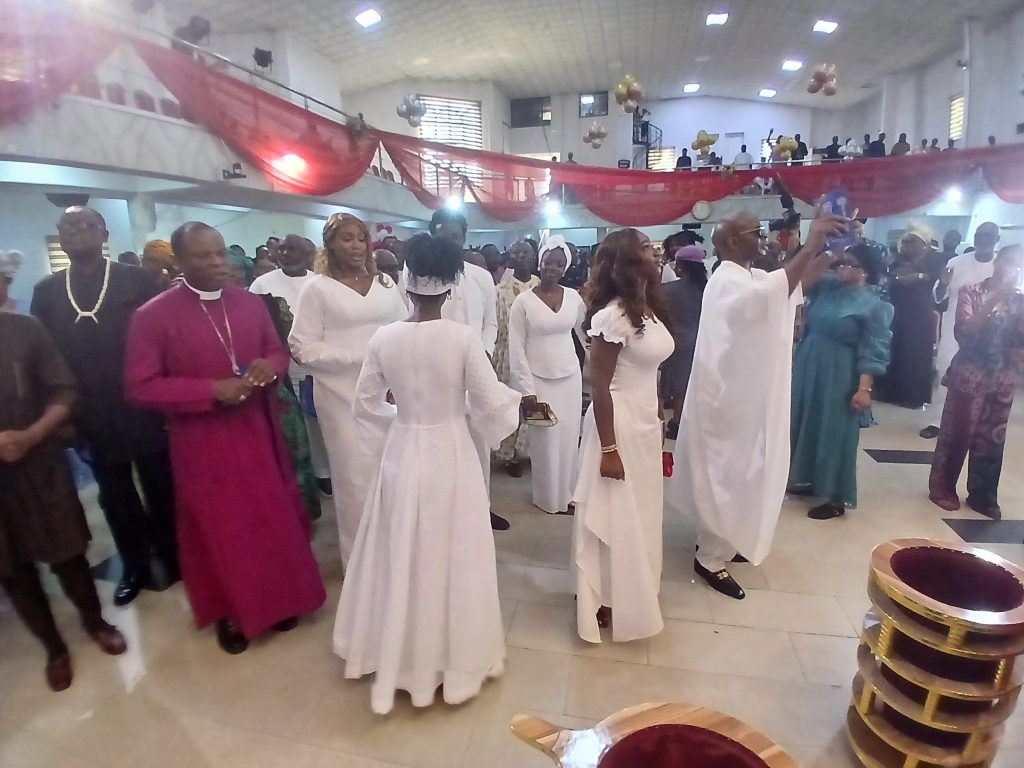
The music came in waves, each rendition introducing a fresh rhythm, a different cultural flavour and another opportunity for the celebrant and his guests to express their happiness. Indigenous percussion and traditional religious musical accents cut through the melodies, blending with familiar tunes and local rhythms in a vibrant celebration that drew from Nigeria’s rich cultural diversity.
Igbo and Yoruba musical expressions, alongside other indigenous influences, gave the atmosphere a distinctly Nigerian character. The changing rhythms seemed to speak a common language, transcending ethnic boundaries and bringing together people whose backgrounds, professional experiences and personal histories were as varied as the music itself.
And Oshoba was hardly a reluctant participant. He danced with sustained enthusiasm, appearing determined to savour every moment of the celebration. As one rendition gave way to another, the thanksgiving floor remained alive with movement, laughter, applause and the joyful participation of friends, colleagues and family members.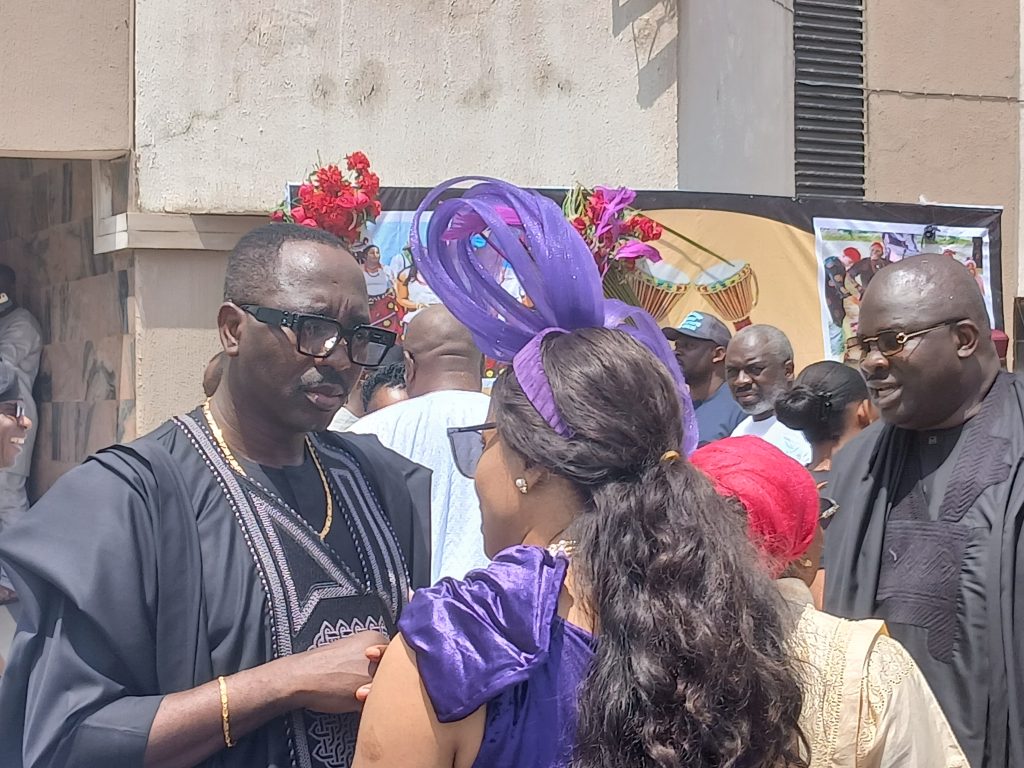
There was something particularly striking about the scene. Here was a retired Comptroller whose working life had been shaped by the discipline, hierarchy and operational demands of the Nigeria Customs Service, now surrendering himself wholeheartedly to the freedom and exuberance of thanksgiving.
The official weight of rank and responsibility seemed, for the moment, to dissolve into the uncomplicated happiness of a man celebrating 60 years of life and 35 years of service to his country.
The cultural richness of the music also lent the celebration a significance beyond entertainment. In a gathering that brought together serving and retired officers, industry stakeholders, friends and family members, the rhythms provided a meeting point for different identities and traditions. The languages might differ, but the emotion was shared; the musical expressions varied, but the message remained the same: gratitude to God for life, preservation and the privilege of reaching a significant milestone.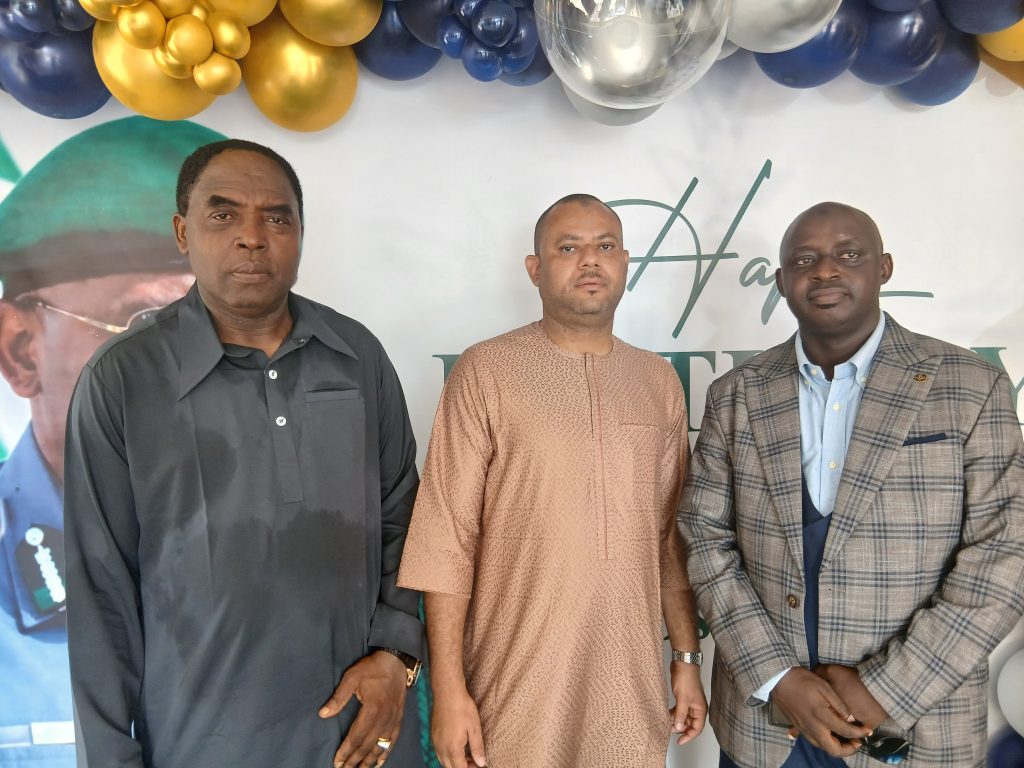
For the guests, the sight of the celebrant dancing so enthusiastically became one of the memorable images of the day. For Oshoba, it was perhaps the most natural expression of the thanksgiving he had come to offer, not simply to speak his gratitude, but to embody it in song, movement and celebration.
At 60, he appeared to be making a statement that retirement need not be a withdrawal from life’s pleasures, and that gratitude does not always have to be solemn. Sometimes, it dances. Sometimes, it answers the drumbeat. And sometimes, as it did in Festac Town earlier today, it keeps dancing as one melody yields to another.
The dancing, the percussion and the musical journey across Nigeria’s cultural traditions transformed the thanksgiving into a memorable celebration of faith, fellowship and shared humanity.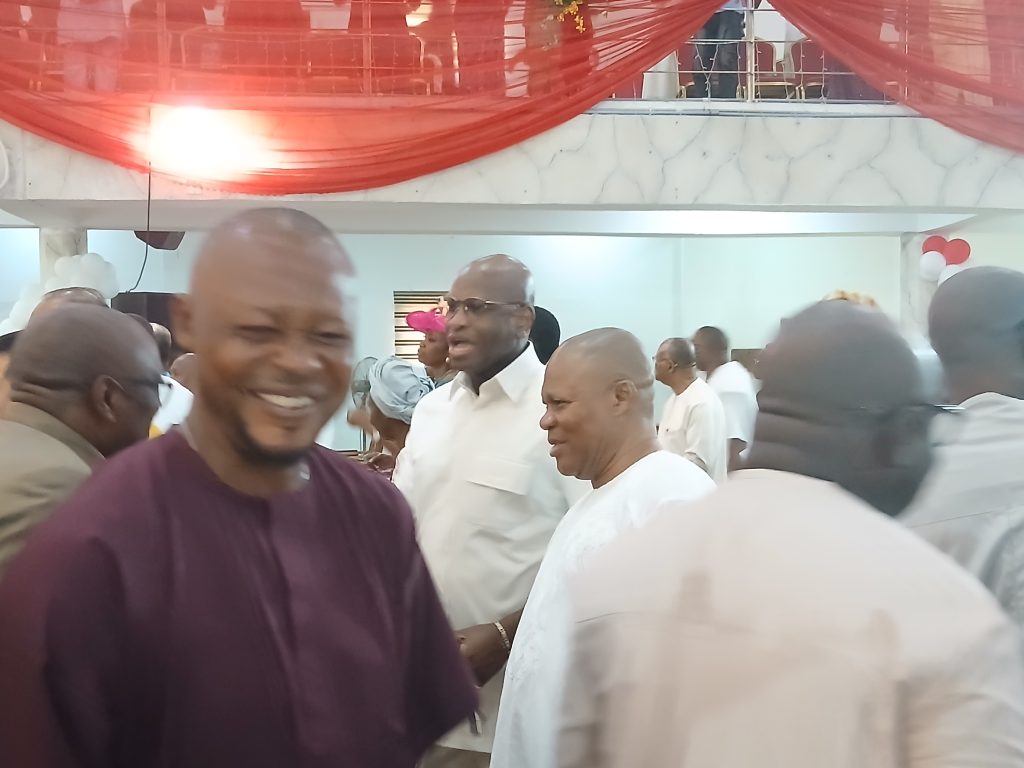
From The Rigours of Customs to The Freedom of Retirement
For 35 years, Oshoba’s professional life was connected to an institution that occupies a strategic position in Nigeria’s economic and security architecture.
The Nigeria Customs Service is central to revenue mobilisation, border protection, trade facilitation, enforcement against prohibited imports and the regulation of international trade. Its officers operate in an environment where government revenue, national security, commercial interests and the expectations of the business community intersect daily.
Service within such an institution demands resilience, professional judgement and the ability to work within a constantly evolving operational landscape.
Oshoba’s career brought him into the intelligence and headquarters architecture of the Service before his deployment to one of its most consequential operational commands.
Before assuming leadership of the Apapa Area Command in September 2025, he served as Controller in Risk Management and Special Duties at Customs Headquarters and subsequently as Controller in charge of the Customs Intelligence Unit.
These assignments exposed him to the analytical and institutional dimensions of Customs administration, including risk assessment, intelligence gathering, operational challenges and the need to identify vulnerabilities within the trade and revenue systems.
His later deployment to Apapa brought that experience into direct contact with the everyday realities of port operations. Apapa is not an ordinary Customs command. As a principal gateway for Nigeria’s maritime trade, its operations affect importers, exporters, manufacturers, shipping companies, terminal operators, licensed customs agents and government revenue.
The responsibilities are enormous, and the pressure to balance efficient cargo clearance with strict enforcement is continuous. It was against this background that Oshoba’s administration attracted attention, particularly for its emphasis on revenue optimization, intelligence-led enforcement, technology-driven processes and stakeholder engagement.
His retirement, therefore, represents the closing of a significant professional chapter, one that had brought him from the institutional corridors of Customs intelligence to the operational demands of Nigeria’s busiest port.
The Apapa chapter: Records, Enforcement And Institutional Expectations
In a profile published by *Pinnacle Time* on September 1, 2026, titled ‘Oshoba: The Intelligence Man’s Quiet Revolution at Nigeria’s Busiest Port’, the newspaper examined the distinctive features of his leadership at Apapa.
The report traced his early impact to a daily revenue collection of ₦20.1 billion recorded within approximately 24 hours of assuming office in September 2025, surpassing the previous reported daily record of ₦18 billion.
By the end of 2025, the command had generated ₦2.93 trillion, representing a 24.32 per cent increase over its 2024 collection.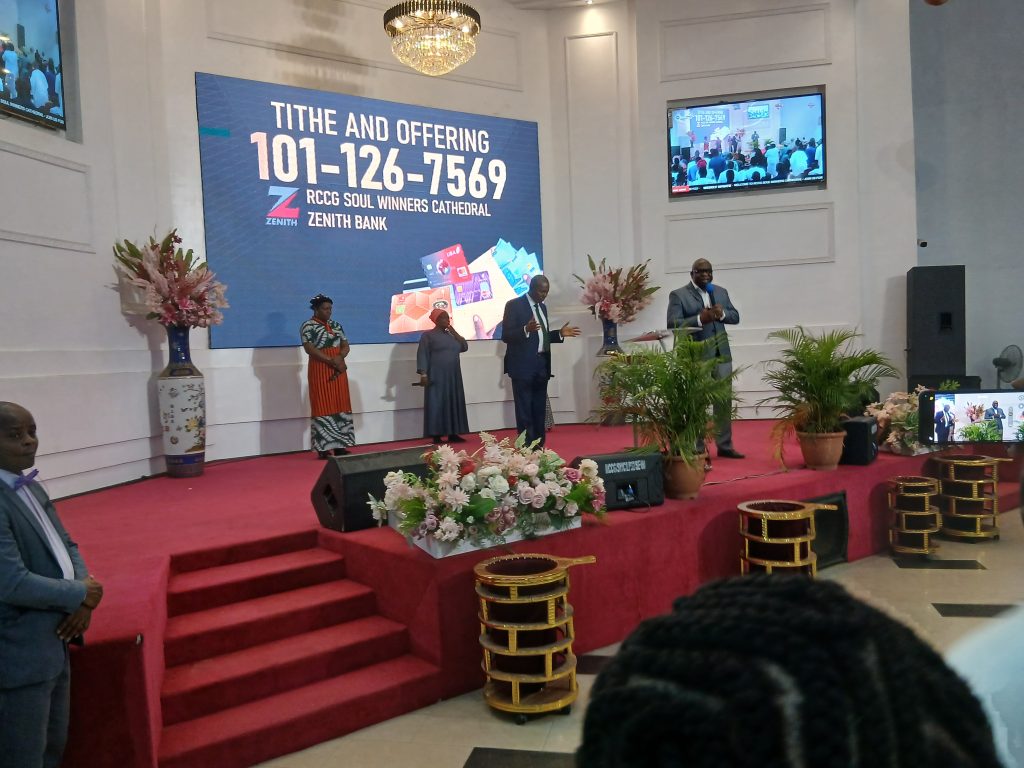
These figures provided an early indication of the revenue potential of the command and the importance of sustaining effective revenue administration in a major maritime gateway. But the significance of the Oshoba administration extended beyond revenue statistics.
His leadership approach was examined through the relationship between revenue collection, enforcement, digitalisation and the practical needs of legitimate trade.
At Apapa, the central challenge has always been how to facilitate commerce without compromising government revenue or national security. A system that prioritizes speed at the expense of compliance risks revenue losses and security breaches. Conversely, enforcement that disregards operational efficiency can impose unnecessary costs on legitimate businesses and undermine the competitiveness of the port. The challenge is to maintain a workable balance.
Oshoba’s reported directives to intensify interventions against revenue leakages while ensuring timely cargo clearance reflected this dual responsibility. His insistence that delays by officers, including at exit gates after proper clearance, would not be tolerated also underscored the need for accountability within the enforcement system.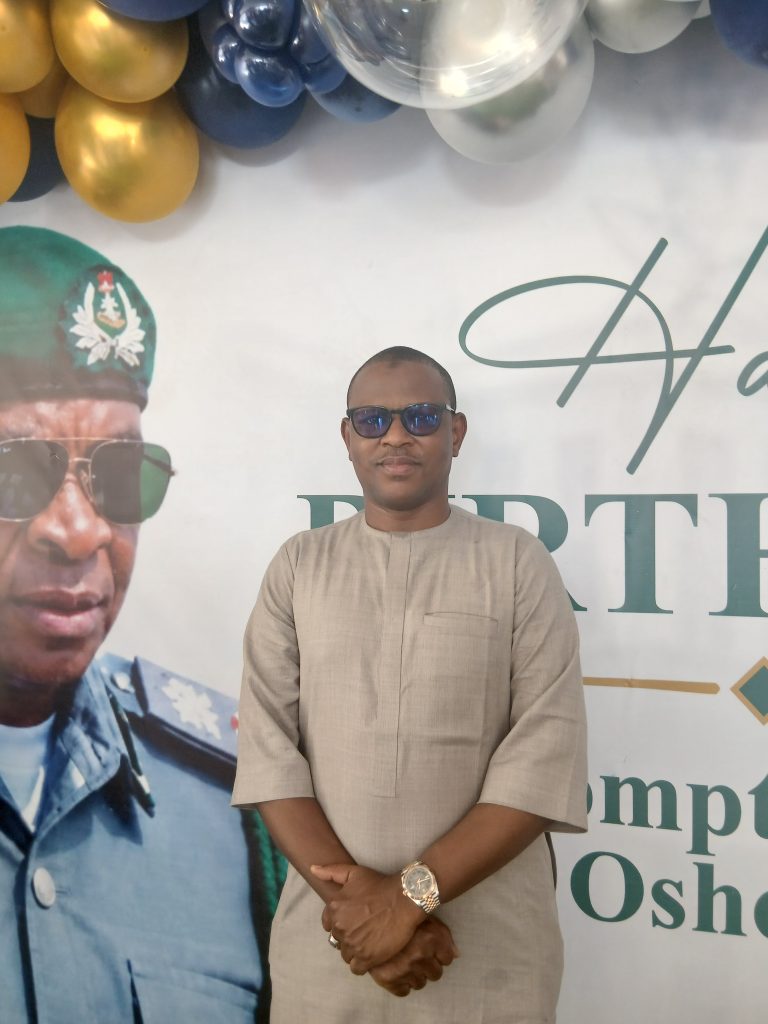
His administration’s enforcement record included joint operations with the National Drug Law Enforcement Agency. In July 2026, a joint operation intercepted 4,143.5 kilogrammes of Cannabis Indica concealed in a 40-foot container alongside imported vehicles, with the seizure valued at more than ₦26.5 billion. An earlier operation intercepted 347.5 kilogrammes of cannabis concealed inside an imported Toyota Sienna.
Such operations illustrated the importance of intelligence-sharing and inter-agency cooperation in confronting illicit trade. Technology was another major component of the administration’s operational outlook.
Oshoba identified the Customs modernization programme and the B’Odogwu platform as important to the future of port operations, while encouraging stakeholder collaboration to strengthen the gains of digitalization.
These were not merely administrative talking points. For port users, the ultimate value of technology lies in its ability to improve transparency, predictability, cargo release and the overall efficiency of trade.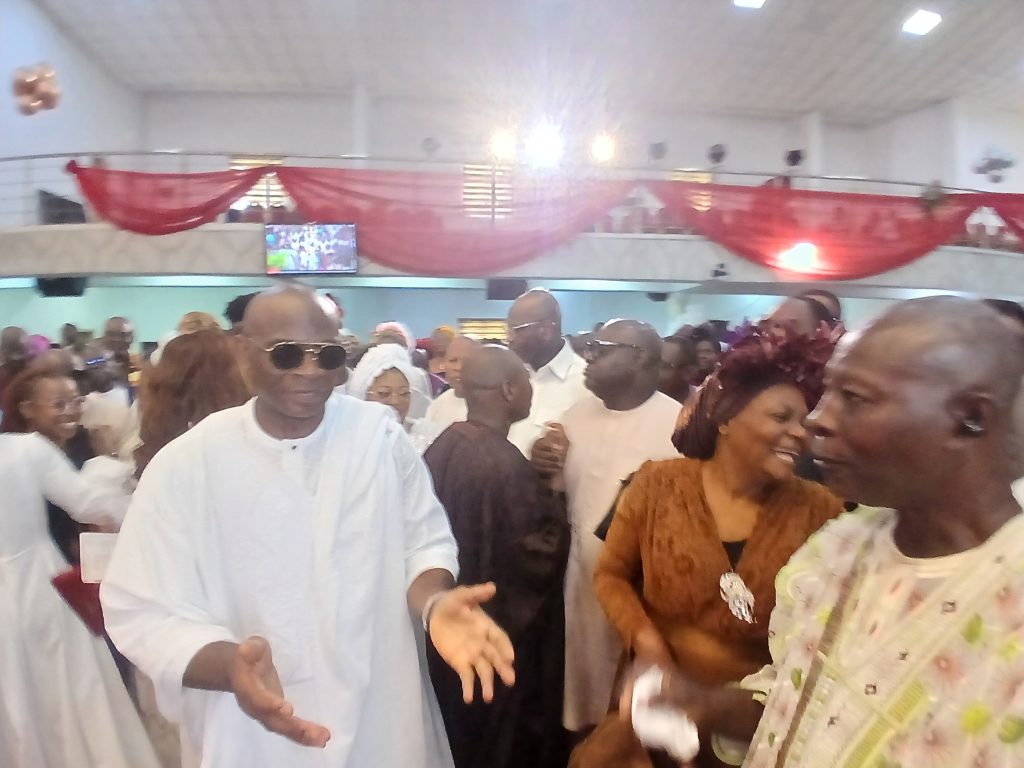
The real measure of any port administration is therefore not simply the number of revenue records achieved or seizures announced, but whether legitimate businesses can operate more predictably while fraud, smuggling and deliberate non-compliance become more difficult.
In assessing Oshoba’s Apapa years, *Pinnacle Time* also acknowledged the contribution of his principal officers and operational team, whose responsibilities covered administration, revenue, compliance, enforcement, intelligence, valuation, post-clearance audit and public relations.
The command’s performance was thus situated within a broader institutional effort, with leadership providing direction and officers translating policy into operational outcomes.
His Apapa chapter consequently offers a useful backdrop to his retirement celebration. The man being honoured at 60 was not simply a former public servant leaving office; he was an officer whose final major operational assignment placed him at the centre of the country’s maritime revenue and trade facilitation system.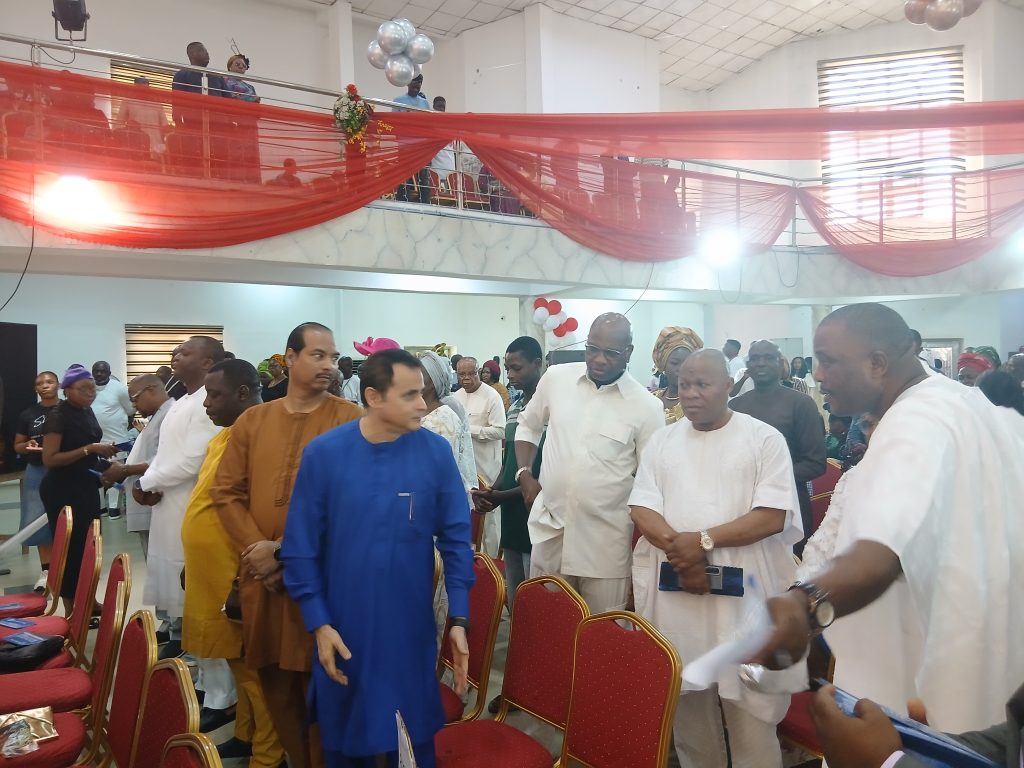
Beyond The Uniform: The Enduring Currency of Goodwill
One of the more interesting aspects of retirement from a disciplined service such as Customs is the transition from official authority to personal influence.
While in active service, an officer’s responsibilities are defined by law, rank, assignment and the institutional powers attached to the office. Retirement changes that equation. The uniform is no longer the principal symbol of identity, and professional relationships must increasingly stand on the strength of personal regard, mutual respect and shared experience.
That is why gatherings of this nature can be revealing. The presence of colleagues, superiors, subordinates and industry stakeholders at Oshoba’s thanksgiving service offered a glimpse of the human relationships that existed alongside his official responsibilities.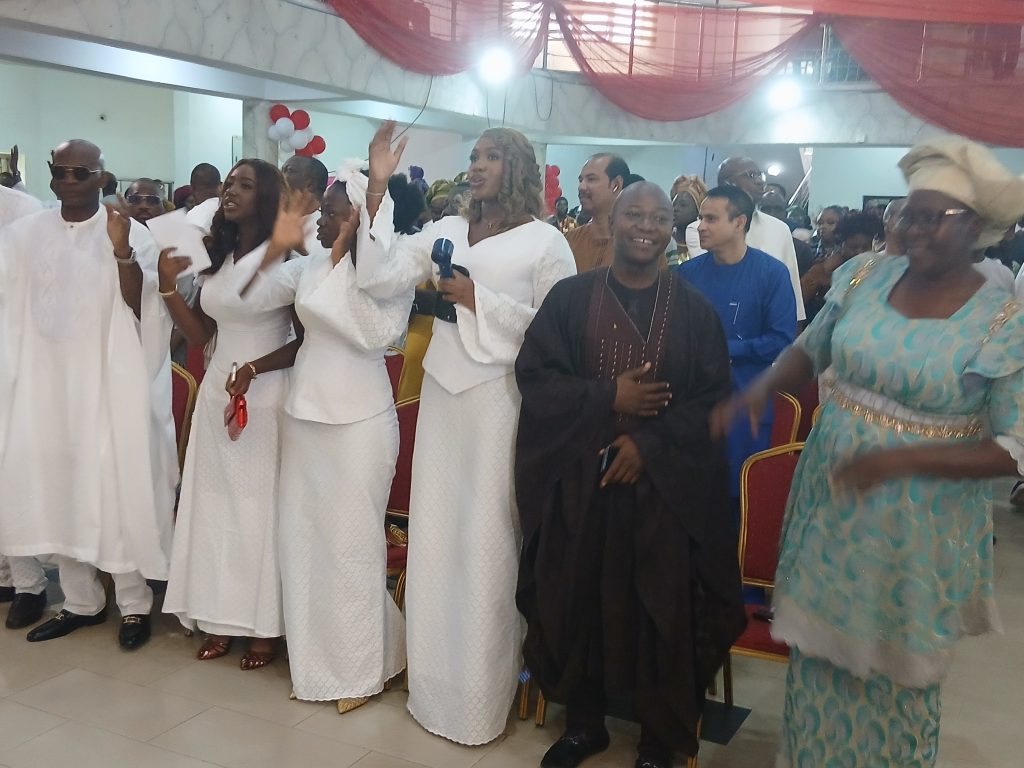
The maritime industry is a complex ecosystem. Customs officers and licensed agents may find themselves on opposite sides of a compliance question, yet they remain participants in a common trade environment whose success depends on professionalism, mutual understanding and respect for established rules.
In that environment, the capacity to engage people across professional boundaries matters. It is not a substitute for enforcement, nor should cordial relationships weaken institutional independence. Rather, it is an important complement to effective administration when grounded in integrity, fairness and respect for the law.
The point had been made that the diversity of those who gathered to celebrate Oshoba gave the event a significance that went beyond the customary exchange of birthday greetings.
It reflected the social dimension of a professional life spent among people whose responsibilities, interests and experiences frequently intersected with his own.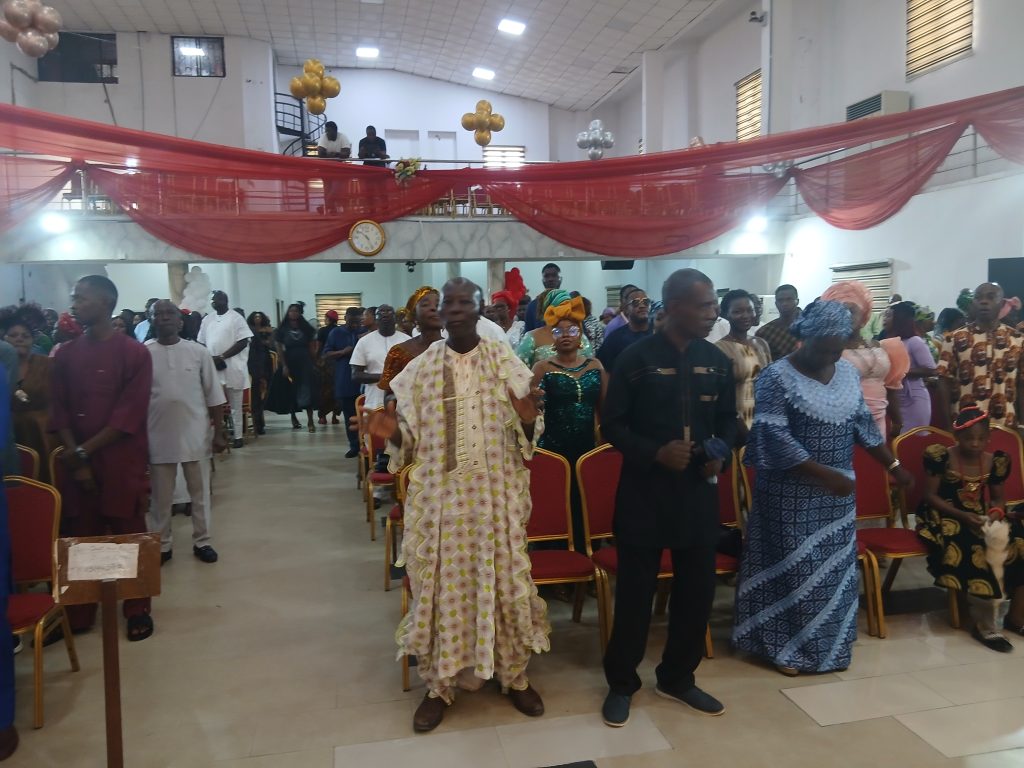
The gathering also served as a reminder that the final assessment of a public servant is rarely confined to official statistics. Revenue figures and enforcement outcomes are important, but so are the professional relationships, institutional practices and personal impressions left behind.
A retirement celebration cannot, on its own, settle the full historical assessment of a career. Yet the goodwill surrounding such a gathering provides a meaningful window into how a person’s journey is remembered by those who shared parts of it.
A Day of Dancing, Fellowship And Thanksgiving
As the service progressed, the solemnity of prayer and reflection gradually gave way to the more exuberant expression of gratitude.
There was dancing, plenty of it, as the celebrant, family members, colleagues and guests joined in the joyful atmosphere. The church became a place of celebration in the fullest sense: music, movement, laughter and fellowship blending with the spiritual purpose of the gathering.
For the retired Comptroller, the dancing was more than an entertaining interlude. It was an expression of the joy that animated the occasion. Sixty years of life had brought him to a point where professional achievement could be appreciated alongside the simple but profound privilege of being surrounded by people who cared enough to share the moment.
The 35 years of service to Nigeria also gave the celebration an additional layer of meaning. Each year represented time spent within a demanding public institution, with its own pressures, responsibilities and expectations.
To emerge from that journey and gather friends, colleagues and loved ones in thanksgiving was an opportunity to celebrate not just the passage of time, but the completion of a significant chapter.
For the guests including few media friends, it was an occasion to reconnect, exchange memories, renew friendships and celebrate a colleague whose professional journey had intersected with theirs.
For the family, it was a moment of shared pride and gratitude, with all his children numbering four, seemingly intertwined with their father, at the amazing moment of thankful outpouring.
And for the celebrant, it was a public expression of appreciation for the life he had lived and the people who had accompanied him along the way.
Sixty Is A Milestone, But The Story Continues
At 60, Oshoba enters a stage of life in which experience becomes a resource that can be deployed in new ways.
Retirement from active service does not erase the knowledge accumulated over three and a half decades. The understanding of Customs operations, intelligence, revenue administration, stakeholder relations and port management remains part of his professional inheritance.
Such experience can continue to serve the maritime industry through mentoring, institutional reflection, professional engagement and the sharing of lessons with younger officers and practitioners.
For a service undergoing modernization and responding to changing patterns of international trade, the knowledge of experienced officers remains valuable, particularly when it is applied in ways that support institutional development and professional standards.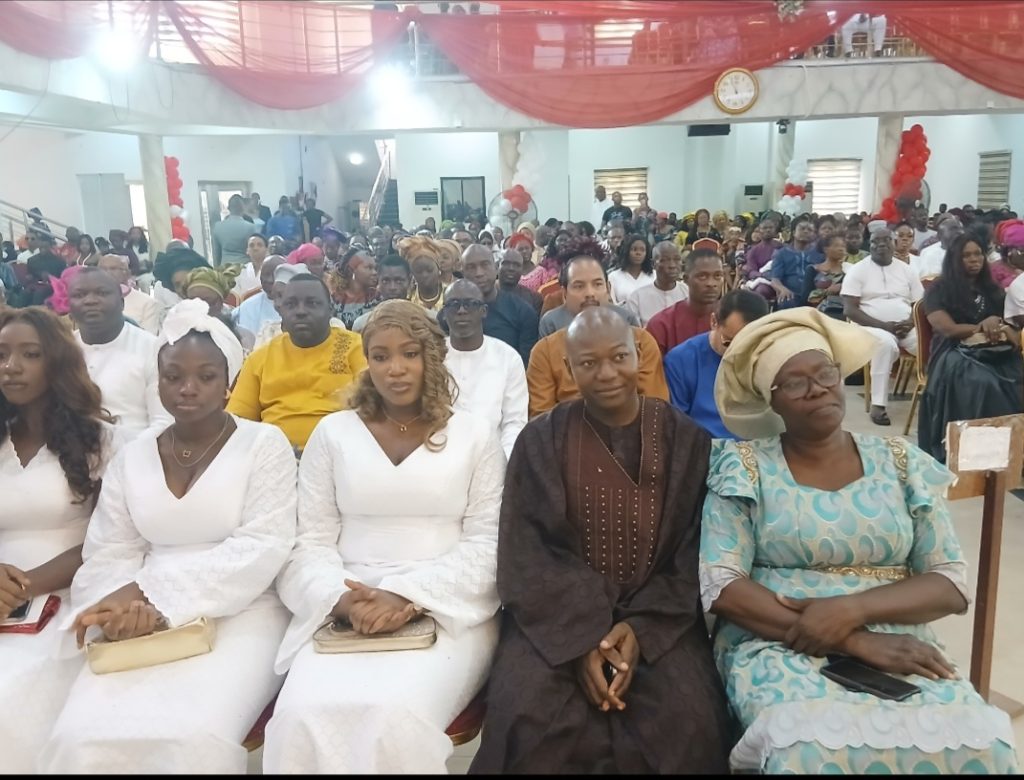
The younger generation of Customs officers can learn from the operational realities encountered by their predecessors: the importance of integrity, the discipline of evidence-based enforcement, the need to protect public revenue, and the equally important responsibility to facilitate legitimate trade.
For the industry, the experience of officers who have worked at both headquarters and field-command levels can contribute to a better understanding of the relationship between policy and implementation.
These possibilities do not diminish the importance of retirement. Rather, they suggest that retirement can be a transition from formal authority to a different form of contribution.
Oshoba’s 60th birthday, therefore, may be understood as both a conclusion and a beginning. The conclusion of an active career and the beginning of a new phase in which the benefits of experience can be enjoyed, shared and put to other constructive uses.
A Life Worth Thanking God For
At the RCCG Souls Winners Chapel in Festac Town, the most important figure of the day was neither the former Controller of Apapa Command nor the intelligence-trained Customs officer whose career had taken him through demanding assignments.
He was a man celebrating life. The ranks and titles represented in the congregation, the professional associations, the operational achievements and the institutional responsibilities all formed part of the story.
Pastor Emovon’s message on Agape Joy provided the spiritual framework, while the turnout of serving and retired officers, industry stakeholders and loved ones supplied the human expression of that gratitude.
The dancing, the fellowship and the visible happiness of the congregation brought the occasion to a fitting climax. For Emmanuel Oluwadare Oshoba, the day was an opportunity to celebrate the past without being imprisoned by it, to appreciate professional achievements without making them the whole story, and to look towards the future with gratitude.
In the final analysis, the celebration was not merely about a retired Comptroller turning 60. It was about the value of service, the durability of human relationships and the importance of pausing to acknowledge life’s blessings.
And if the day’s overwhelming mood of thanksgiving had one enduring message, it was this: a career may end, a uniform may be laid aside and official responsibilities may pass to another generation, but a life enriched by service, relationships and gratitude has much more to celebrate than the number of years on the calendar.
Thus, for Oshoba, 60 was not simply an age, it was a testimony. And on October 25, 2026, in Festac Town, that testimony was celebrated with prayers, fellowship, dancing and a resounding spirit of thanksgiving.




Oshoba at 60: A Life of Service, a Port Legacy and the Joy of Thanksgiving

Nigeria Customs Commission Rehabilitated Modakeke Healthcare Centre

Lagos-Calabar Highway: Whose Investments, Livelihoods and Coastal Communities Count? (3)

Again, Customs FOU Zone ‘A’ Rescues Five Live Pangolins in Ogun State
Lagos-Calabar Highway: When a Presidential Legacy Project Collides with Accountability (2)
Lagos-Calabar Highway: Did Nigeria Pay the Price for Inadequate Planning?

ANLCA Airport Crisis: Police Raid Raises Questions Over IGP’s Respect For Court Orders

‘We Arrested Several Vessels Violating Cabotage Trade’ – NIMASA

Customs CGC Says ‘The World Is Connected, Not Borderless’

Nigeria Customs Mulls Reviews of Complaints Arising from Recruitment

Edo-Delta Journalists Forum Challenges Political Leaders on Regional Development

Nnadi Urges Nigerian Importers to Shift from Finished Goods to Manufacturing
ANLCA Board is intact, cannot be wished away by anybody’-Elochukwu

B-R-E-A-K-I-N-G: Effedua, Rector MAN Oron, Resigns

EFCC’s Probe: Okowa Plots Sheriff’s Removal Despite London Accord
Customs Trains ANLCA Members, Others on B’Odogwu Portal

NPA’s Alleged Executive Management Fight: The Half Truth & Truth

ANLCA Board Election: Know Your Candidates
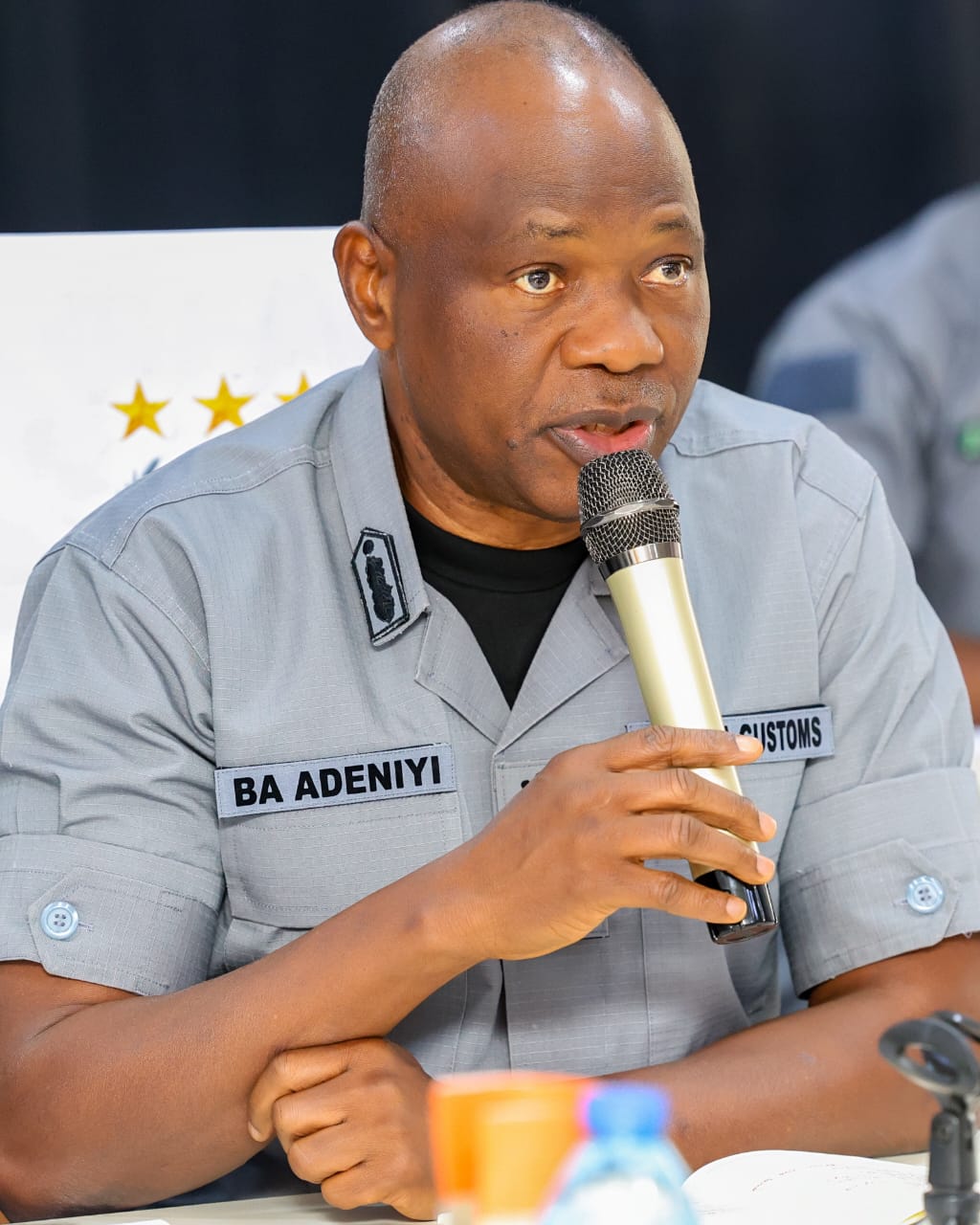
‘Why We Launched B-Odogwu Pilot Scheme With Webb Fontaine Still Running’ – Adeniyi

Onyeka Makes History As Tin-Can Customs Hit ₦16.4bn A Day

Onyemekara Promoted GM, Appointed NPA’s New Spokesperson

Nigeria Customs: Trust, Competence And The Oramalugo Factor

Apapa Customs Collects ₦161b On B’Odogwu Platform In 3 Weeks

‘Rush To Break News Can Lead To Brush With Cybercrime’- Police