
Connect with us



The Clock and the Concrete: WiLAT, Time Mastery, and the Brutal Arithmetic of Maritime Logistics BY IBRAHIM NASIRU Nigeria’s maritime and supply chain architecture operates under a permanent, self-inflicted contradiction. We host some of the finest intellectual capital on the continent, assemble world-class professionals in air-conditioned halls, and effortlessly diagnose our own economic paralysis. Yet, the moment our brilliant blueprints hit the physical reality of the Port gates, they are instantly suffocated by manual bottlenecks, parallel checkpoints, and administrative inertia. This stark contrast between theoretical elegance and operational frustration was the real elephant in the room at the 14th Annual Women in Logistics and Transport (WiLAT) Day Conference recently concluded in Lagos. Centred on the theme “Time Mastery in Logistics and Transport,” the deliberations correctly targeted the most volatile metric in global trade. In supply chain mechanics, time is not a passive diary entry; it is an aggressive financial variable. It dictates vessel turnaround windows, cargo dwell times, demurrage exposure, and ultimately, the market price of every consumer good entering or leaving the country. By focusing on time, WiLAT moved past generic gender advocacy to place its finger directly on the main nerve of national productivity. However, a brutal structural reality check must be applied here. In our current domestic ecosystem, true time mastery remains an operational impossibility while we continue to tolerate a governance model built on manual human interference. In my recent column, “Breaking the Concrete Ceiling: WiLAT and the Institutionalization of Female Legacy,” I chronicled how this exceptional body of women successfully transitioned from soft advocacy into recording permanent institutional footprints within a historically male-dominated sector. They broke the glass, established their seats at the table, and proved their capacity. Now, the focus must shift entirely from the concrete to the clock. Shattering the ceiling of representation was only the first phase of the war. The newly institutionalized female leadership must now deploy its collective weight to shatter the rigid time barriers holding our maritime economy hostage. We cannot talk about mastering time in logistics when a single container requires multiple physical examinations by a chaotic cluster of overlapping regulatory agencies. We cannot preach supply chain velocity when truck transit corridors are paralyzed by arbitrary, manual security checkpoints that exist solely to extract economic rent. True time mastery requires the absolute elimination of human discretion at the Ports. It demands moving past performative compliance—where agencies pretend to digitize while maintaining manual backdoors—and transitioning into absolute operational automation. If the insights generated at the Lagos conference are to survive, the WiLAT leadership must aggressively reject the traditional Nigerian culture of the “communique graveyard.” We have a chronic national habit of hosting high-level events, drafting beautiful summaries, and filing them away in administrative drawers while the status quo remains completely untouched on the ground. WiLAT must convert these temporary conference debates into permanent institutional records. They must use their strategic leverage across the Nigerian Ports Authority (NPA), Nigerian Shippers’ Council...
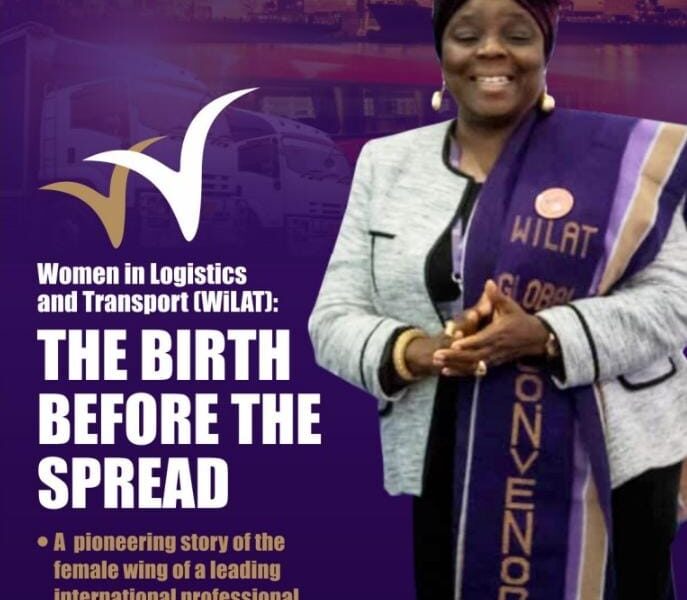


BY FUNMI ALUKO In what promises to be a landmark event in the advancement of gender inclusion in Nigeria’s logistics and transport sector, the Women in...