
Business
Afeni Raises Alarm Over Drug Menace, Election Violence Over Machetes, Cannabis Seizures

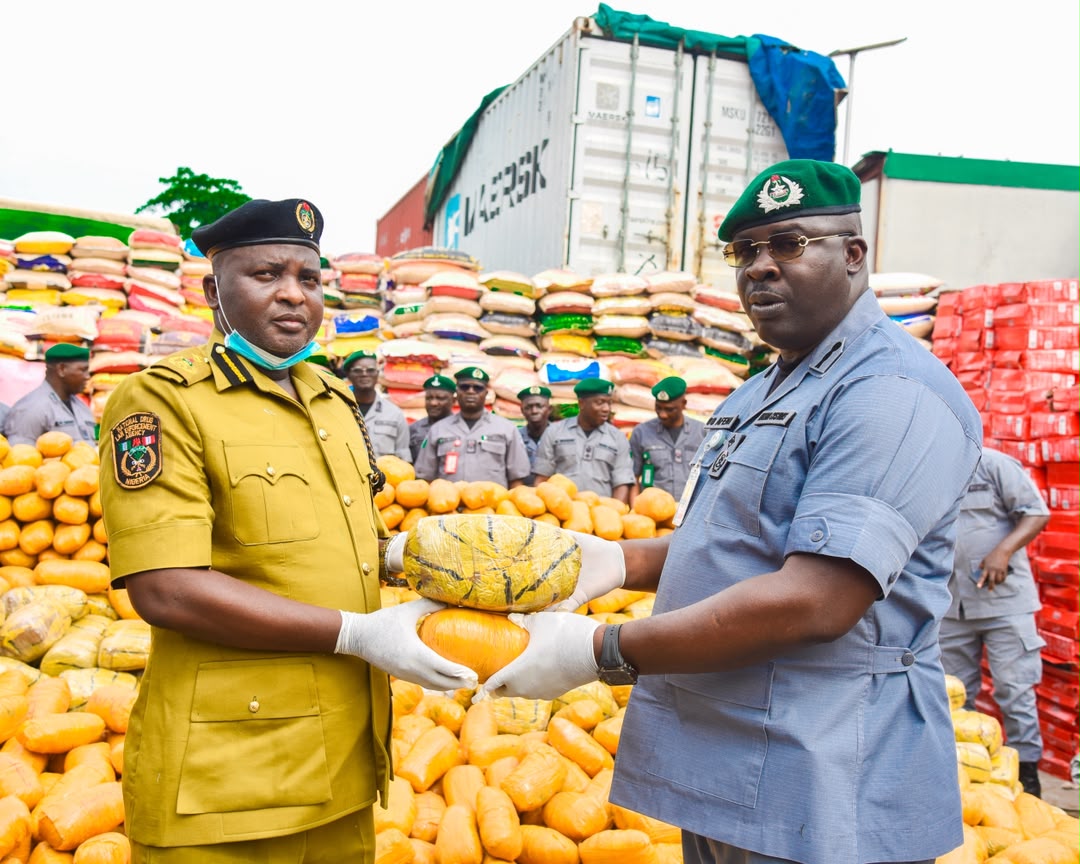
– As Customs FOU Zone A intercepts ₦6.19bn contraband, recovers ₦683.6m in 4 weeks
BY FUNMI ALUKO
The Acting Controller of the Federal Operations Unit (FOU), Zone A, Nigeria Customs Service (NCS), Nigeria Customs Service, has raised the alarm over the growing security implications of drug smuggling and the possible use of illegally imported weapons and implements to fuel electoral violence, following the interception of 3.4 tonnes of cannabis and 23,220 pieces of smuggled machetes.
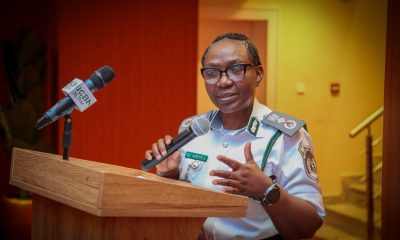
Afeni, who sounded the warning at his maiden press briefing in Ikeja, Lagos, on Tuesday, November 3, 2026, described the seizures as more than routine enforcement achievements, stressing that the real measure of Customs success should be the dangers prevented rather than the volume of contraband displayed.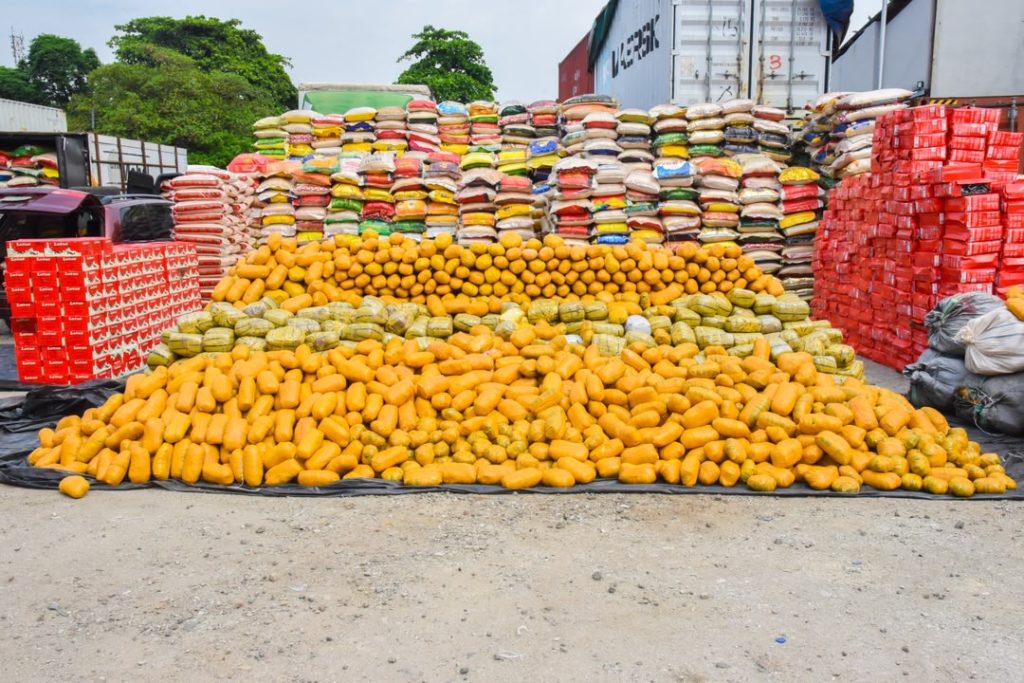
“We will not measure our success by how much we seize, but by how much harm we prevent,” he declared.
The Acting Controller expressed particular concern over the quantity of cannabis intercepted by the Unit, linking the seizure to the growing global public health challenge associated with drug abuse and dependence.
Citing the 2025 World Drug Report of the United Nations Office on Drugs and Crime (UNODC), Afeni noted that cannabis remains the most widely available and commonly used illicit drug globally, accounting for an estimated 42 per cent of drug use disorder cases worldwide.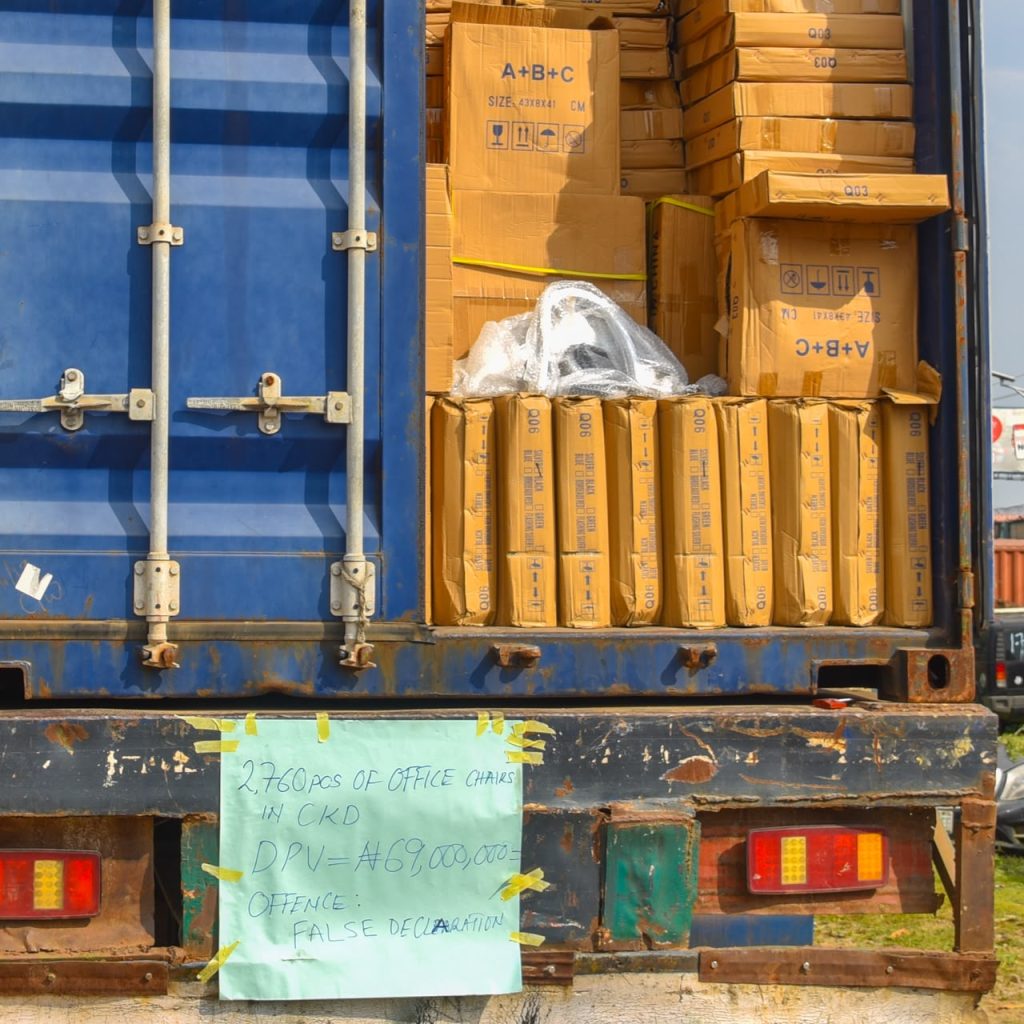
He warned that increasingly potent cannabis varieties, particularly the strain popularly marketed as Colorado, were destroying the prospects of young people, while aggravating family disintegration, social vices and pressure on the healthcare system.
According to him, the interception of 5,986 parcels of Cannabis sativa and Cannabis indica, weighing 3,407.83 kilogrammes, represents a significant disruption of the supply chain, illegal proceeds and potential consumption of the dangerous substances.
Beyond the drug menace, Afeni drew attention to the national security implications of another major seizure involving 23,220 pieces of new matchets imported without the requisite End User Certificates and permits.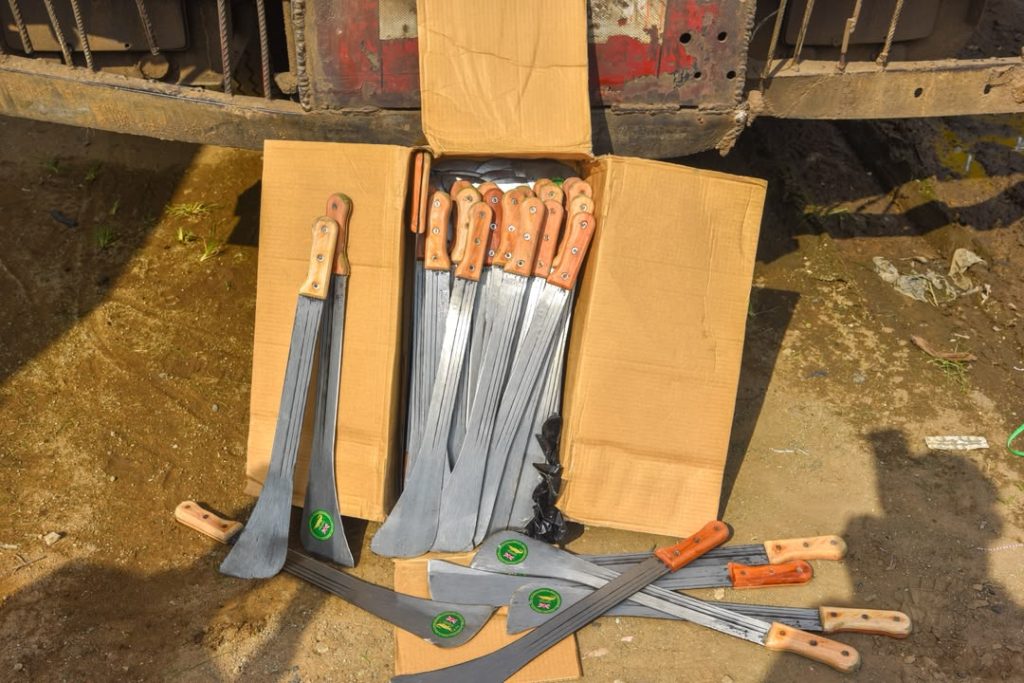
He warned that the consignment could become a dangerous instrument in the hands of political violence merchants as the country approaches another electoral cycle.
“Election violence is rarely an isolated incident but facilitated and aided by smuggling activities like the one thwarted by our operatives,” he cautioned.
The warning adds a significant security dimension to the Customs enforcement operation, suggesting that illicit importation is not merely an economic crime but could also provide the material support for organised violence and the disruption of peaceful democratic processes.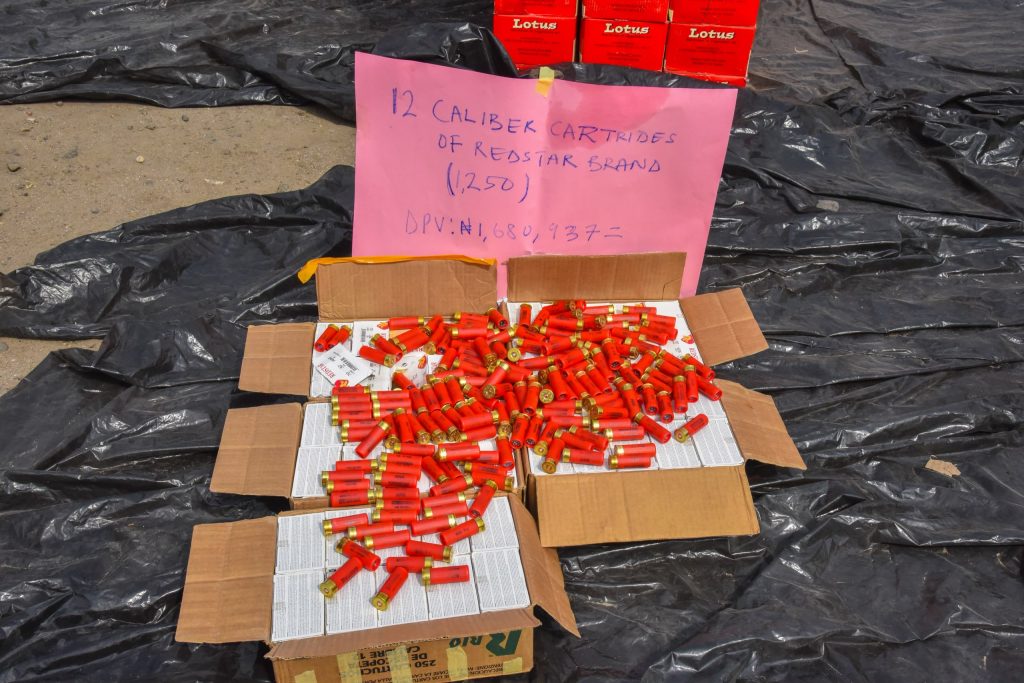
Afeni’s concerns came as he disclosed that the Unit intercepted 195 smuggling attempts involving prohibited and restricted goods within four weeks of intensified enforcement operations, with a combined Duty Paid Value (DPV) of ₦6.194 billion.
The seizures, which cut across narcotics, food products, petroleum products, pharmaceutical substances, used vehicles, wildlife and other restricted imports, underscore the expanding security, economic and public health dimensions of the smuggling challenge confronting the country.
Apart from the 3,407.83kg of cannabis, the intercepted items included 400 grammes of cocaine, 100 grammes of methamphetamine, 57 cartons, 37 packs and six pieces of codeine syrup, as well as 1,250 rounds of 12-calibre cartridges of Red Star brand.
The Unit also intercepted eight live pangolins, 21 foreign-used vehicles, 11 means of conveyance and a 40-foot container, number SEGU 5347239, containing 2,760 pieces of office chairs in completely knocked-down condition.
Other seizures comprised 173 cartons of imported frozen poultry products, 6,949 cartons of smuggled spaghetti, 459 bales and 39 jumbo sacks of second-hand clothing, 1,236 used tyres, 33 used rims and 8,025 litres of Premium Motor Spirit (PMS).
The list further included 3,028 bags of 50kg imported rice, 995 bags of 25kg, 104 bags of 20kg and 207 bags of 5kg; 101 bags of imported sugar weighing 50kg each; eight bags of imported creamer powdered milk, 12 bags of grain oat products, 20 cartons of couscous and 250 cartons of Lotus sardine without NAFDAC registration numbers.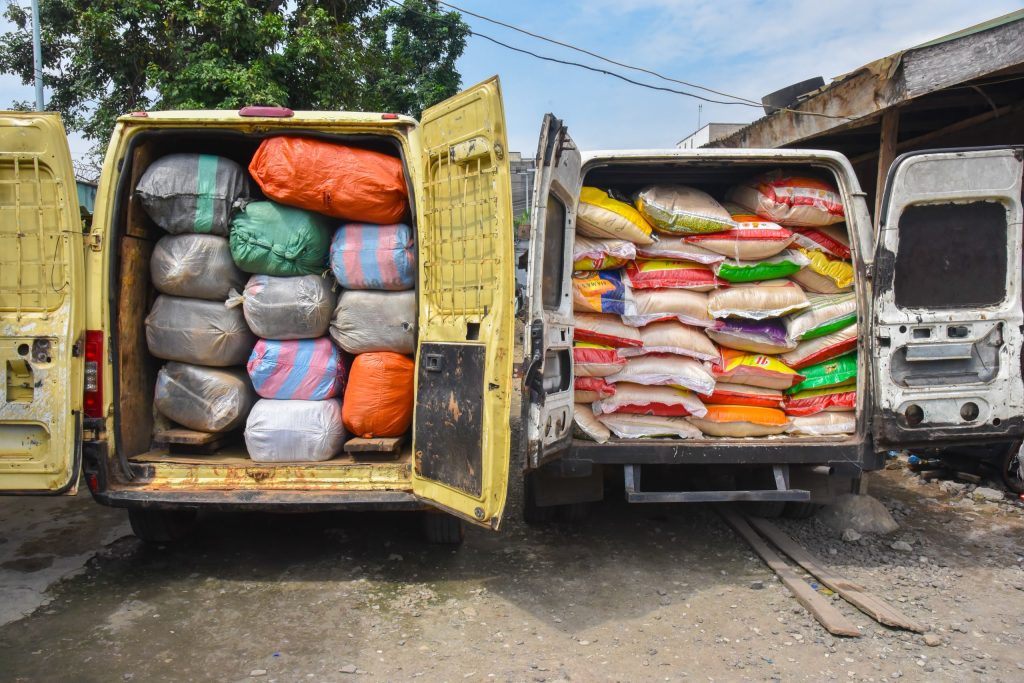
Afeni said the seizures represented more than the interception of illegal merchandise, pointing to their wider implications for revenue protection, local industrial development, public health and national security.
He explained that the renewed enforcement strategy of the Unit was anchored on intelligence gathering, improved surveillance, risk-based examination, stronger internal coordination and collaboration with relevant government agencies.
The strategy, he said, was also designed to ensure that Customs formations within the Unit’s area of responsibility operate in accordance with established laws, guidelines and procedures.
On revenue protection, the Acting Controller disclosed that the Unit had recovered ₦683.661 million between September 30, 2026 and November 3, 2026, through intensified compliance checks, scrutiny of import declarations, correction of under-valuations and issuance of demand notices where necessary.
He attributed the recovery to enhanced risk profiling, targeted examination of questionable declarations, teamwork and closer collaboration with relevant stakeholders.
Afeni assured importers, licensed Customs agents and the trading public that the Unit would continue to distinguish between legitimate trade and fraudulent practices, maintaining that compliant businesses would receive the necessary support while duty evasion, falsification of declarations and other economic crimes would attract firm enforcement.
The Acting Controller further emphasised that the complexity of contemporary trans-border crimes makes inter-agency cooperation indispensable to effective border management and national security.
He listed the National Drug Law Enforcement Agency (NDLEA), Nigeria Police Force, Department of State Services (DSS), Nigeria Immigration Service, Nigerian Army, National Agency for Food and Drug Administration and Control (NAFDAC) and National Environmental Standards and Regulations Enforcement Agency (NESREA) among the agencies with which the Unit sustains operational collaboration.
He explained that seized narcotics and suspects would be handed over to the NDLEA for further investigation and prosecution, while other prohibited items would be transferred to the appropriate agencies in accordance with their statutory responsibilities.
According to him, the Unit would deepen intelligence sharing, joint operations, capacity building and coordinated enforcement to dismantle criminal networks, secure communities and protect the national economy.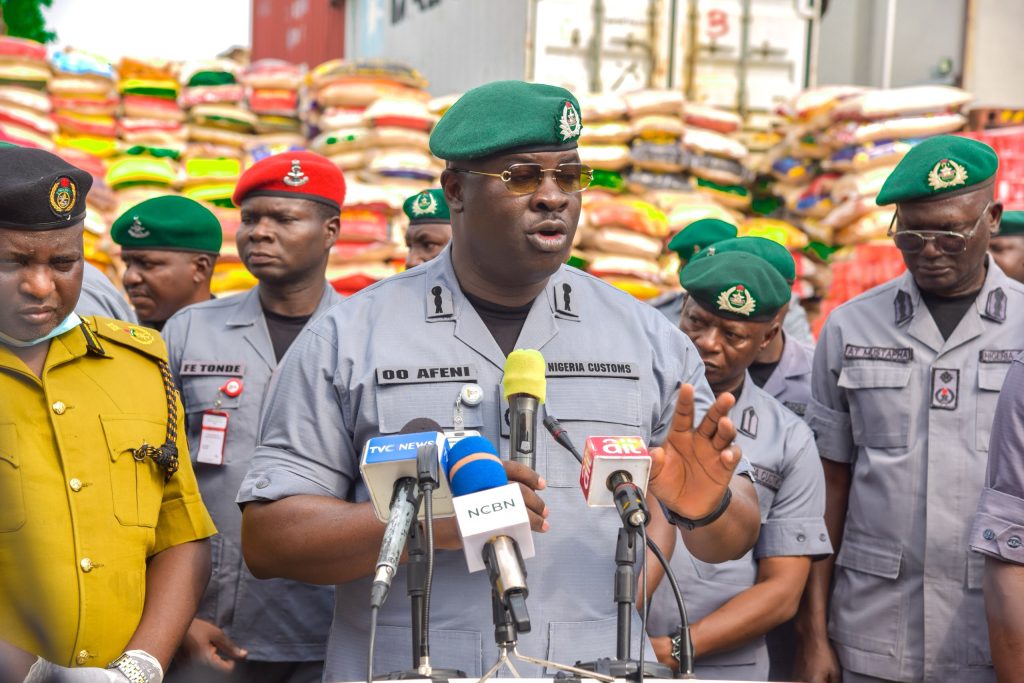
Afeni also appealed to members of the public and stakeholders to support the anti-smuggling campaign by reporting suspicious activities and promoting lawful trade.
He warned economic saboteurs and unpatriotic individuals that the Unit would remain vigilant in disrupting smuggling networks, intercepting illegal consignments and ensuring that offenders face the full weight of the law.
The Acting Controller expressed appreciation to the Comptroller-General of Customs, Bashir Adewale Adeniyi, and the management of the Service for the confidence reposed in him, while commending officers and men of the Unit for their courage, professionalism and sacrifices.
He maintained that the achievements recorded within the four-week operational period should serve not as grounds for complacency but as motivation for greater commitment to intelligence-led enforcement, revenue protection and national security.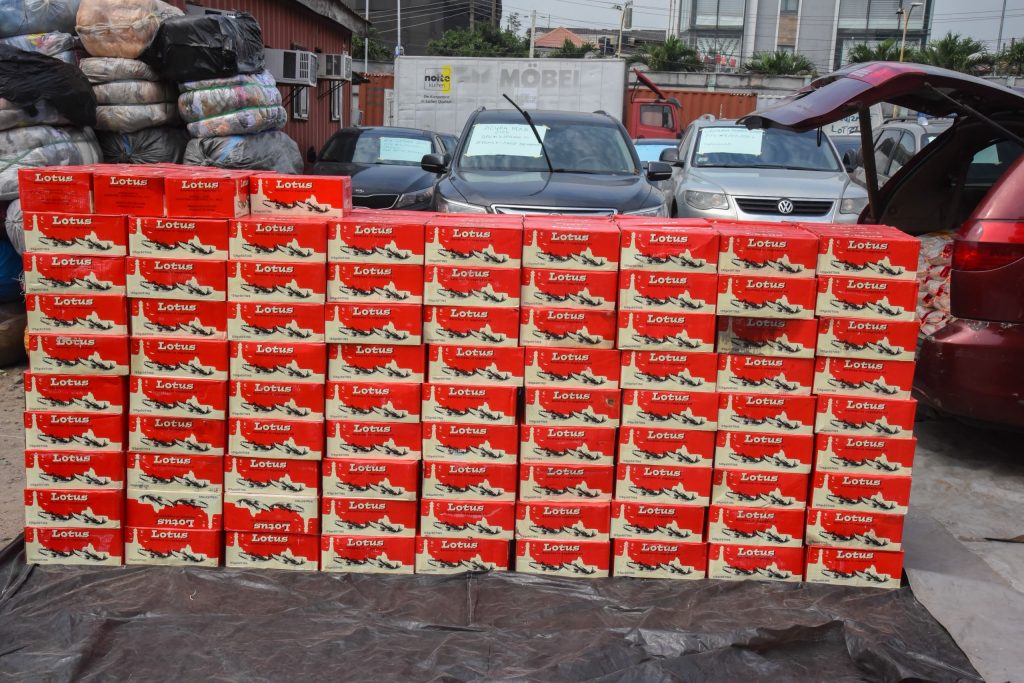









Afeni Raises Alarm Over Drug Menace, Election Violence Over Machetes, Cannabis Seizures

Ibrahim Holds High-Level Bilateral Security Meeting With Benin Republic Customs, Police

Sula Royal Debuts as Igbogbo’s First One-Stop Lifestyle Destination

Nigeria Customs Shines At 2026 WCO Global Event With Smart Digital Transformation

Nigeria Customs Move to Neutralise Online Scams, Fake News with AI Data Tracking

CVFF: A Tale of Two Truths in Institutional Dissonance

NNMJ Unity Conference: Oyetola, Omatseye, Akabogu to Re-examine Maritime Sector Reforms

MAN Oron Graduates Emerge As Globally Competitive Seafarers

No Cargo, No Capital: Why Nigeria’s Shipowners Must Solve the Revenue Question First

Oyetola Pushes CVFF Disbursement, Agbakoba Demands Cargo-Backed Shipping Finance At Scan Summit

ANLCA Presidential Aid, Ayokunle Bags Alakoso-Adeen Title

51 MAN Oron Cadets Bags NLNG Seatime Offers As 314 Graduates

ANLCA Board is intact, cannot be wished away by anybody’-Elochukwu

B-R-E-A-K-I-N-G: Effedua, Rector MAN Oron, Resigns

EFCC’s Probe: Okowa Plots Sheriff’s Removal Despite London Accord
Customs Trains ANLCA Members, Others on B’Odogwu Portal

NPA’s Alleged Executive Management Fight: The Half Truth & Truth

Onyeka Makes History As Tin-Can Customs Hit ₦16.4bn A Day
ANLCA Board Election: Know Your Candidates
‘Why We Launched B-Odogwu Pilot Scheme With Webb Fontaine Still Running’ – Adeniyi

Onyemekara Promoted GM, Appointed NPA’s New Spokesperson

Nigeria Customs: Trust, Competence And The Oramalugo Factor

Apapa Customs Collects ₦161b On B’Odogwu Platform In 3 Weeks

Kebbi Is Hub of Hard Drugs Smuggling In Northern Region’ – Oramalugo