Business Maritime
Barefaced, Illegal Overreach in Nigerian Ports: The NAGAFF Planned Bonded Terminals Inspection


The Nigerian ports system has long been plagued by disorder, weak institutional oversight, entrenched corruption, and the unchecked influence of non-state actors. Into these vacuum steps the National Association of Government Approved Freight Forwarders (NAGAFF), which has increasingly positioned itself as a quasi-regulatory authority, despite lacking the statutory mandate to do so. In this special report, our editor, Eguono Odjegba takes a look at some of the issues.
The Core Problem
Regulatory usurpation: NAGAFF’s move to inspect bonded terminals nationwide is not simply advocacy; it is a direct encroachment on the statutory responsibilities of agencies like the Nigeria Customs Service (NCS), Nigerian Ports Authority (NPA), and Nigerian Shippers’ Council (NSC).
Institutional failure: Perhaps, it must be stated loudly and clearly that the silence of the Federal Government and security agencies (DSS, Port Police, Marine Police, NIMASA, etc.) signals either complicity or incapacity. It is also safe to conclude that this seeming abdication of responsibility may have emboldened trade unions and associations to fill the vacuum.
Security risks: However, allowing non-state actors to conduct “inspections” of bonded terminals risks trespass, confrontation, and disruption of legitimate operations. It undermines the chain of custody and compromises cargo security.
Corruption reinforcement: These sorts of overreach feeds into entrenched rent-seeking practices, where compliance becomes a bargaining chip rather than a legal requirement.
Implications
Trade disruption: Bonded terminals are critical nodes in Nigeria’s logistics chain. It is therefore an understatement that unauthorized inspections can delay cargo clearance, increase costs, and erode investor confidence.
Erosion of professionalism: As we say it jokingly in local parlance, this reinforced attempt by NAGAFF to police bonded terminals, males me ‘laugh in Idoma language’. For crying out loud, NAGAFF is a group of freight forwarding practitioners, no more; no less. Regulation requires technical expertise. Freight forwarders acting as inspectors trivialize the role of trained professionals in customs, maritime safety, and logistics oversight.
International credibility damage: Nigeria’s ports already rank poorly in global competitiveness indices. Allowing associations to masquerade as regulators further undermines the country’s reputation in international trade.
What Should Be Done
Reassert statutory authority: Agencies like Nigeria Customs Service, Nigerian Ports Authority, and the Nigerian Shippers’ Council must publicly and firmly reclaim their regulatory space. This is perhaps, the more reason President Bola Ahmed Tinubu and his handlers must expedite the process of studying the legislative bill for the upgrade of the NSC into the Nigerian Ports Economic Regulator, already passed by the National Assembly; for presidential assent.
Curtail non-state overreach: To prevent Nigeria from sliding into a banana republic, trade associations should be restricted to advocacy and internal compliance, not external enforcement. It is sad really, when we find all sorts of questionable groupings along our port’s corridors, posing as enforcement organs, and constituting unimaginable nuisance to the flow of trade. Unfortunately, these monstrance’s are often backed with police officers who are assigned by certain police top hierarchies to provide them protection these strange groups with authority as it were, to engage in these illegalities.
Strengthen surveillance: The Office of the National Security Adviser (NSA) and port security commands must monitor and prevent unauthorized intrusions.
Institutional reform: Nigeria’s port governance needs urgent restructuring to eliminate overlapping mandates and clarify accountability.
This development is not just about NAGAFF but is symptomatic of a deeper systemic collapse of port governance. If left unchecked, Nigeria risks turning its ports into contested spaces where legality is optional and authority is for sale.





NIMASA Unveils National Innovation Hackathon, Open Young Innovators Por

Ogun 1 Customs Intercepts N417m Range Rover

Operator Raises Alarm Over Foreign Control, Cartelisation of Maritime Supply Chain

Tin-Can Customs Generates ₦137.298bn in August

DG NIMASA, Mobereola Reasserts Cabotage Implementation Key To Maritime Development

Tribute to a Colossus: The Eternal Legacy of Alhaji Bamanga Tukur (1935–2026)

Stakeholders To Re-Examine Blue Economy Imperatives

ANLCA@72: From Founders’ Dream to Indispensable Pillar of Nigeria’s Port Economy

ANLCA’s 72nd Anniversary: NECOM Reels Out Programme, Says Peace Worth Celebrating

US Coast Guard, Nigeria and the Politics of a Maritime Victory

Wasiu, Seme ANLCA Chairman Calls for Review of Vehicle Restriction

Seme-Krake: Nigeria, Benin Launch Joint Assessment to Revive One-Stop Border Post

ANLCA Board is intact, cannot be wished away by anybody’-Elochukwu

B-R-E-A-K-I-N-G: Effedua, Rector MAN Oron, Resigns

EFCC’s Probe: Okowa Plots Sheriff’s Removal Despite London Accord
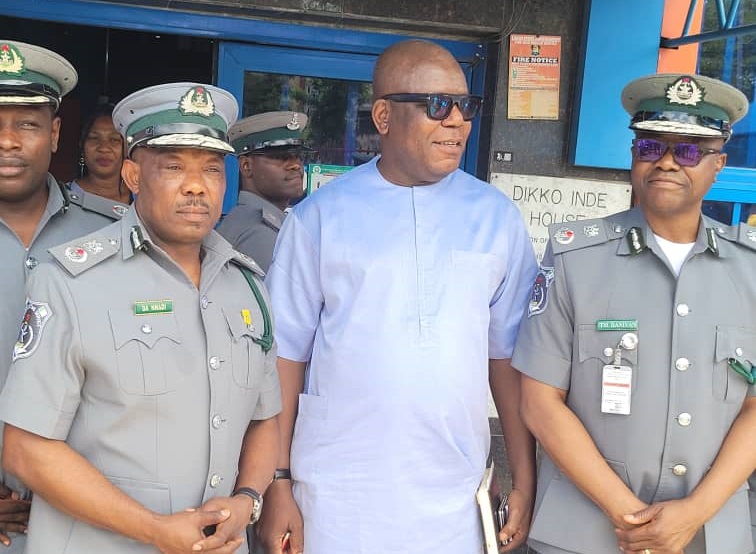
Customs Trains ANLCA Members, Others on B’Odogwu Portal

NPA’s Alleged Executive Management Fight: The Half Truth & Truth
ANLCA Board Election: Know Your Candidates
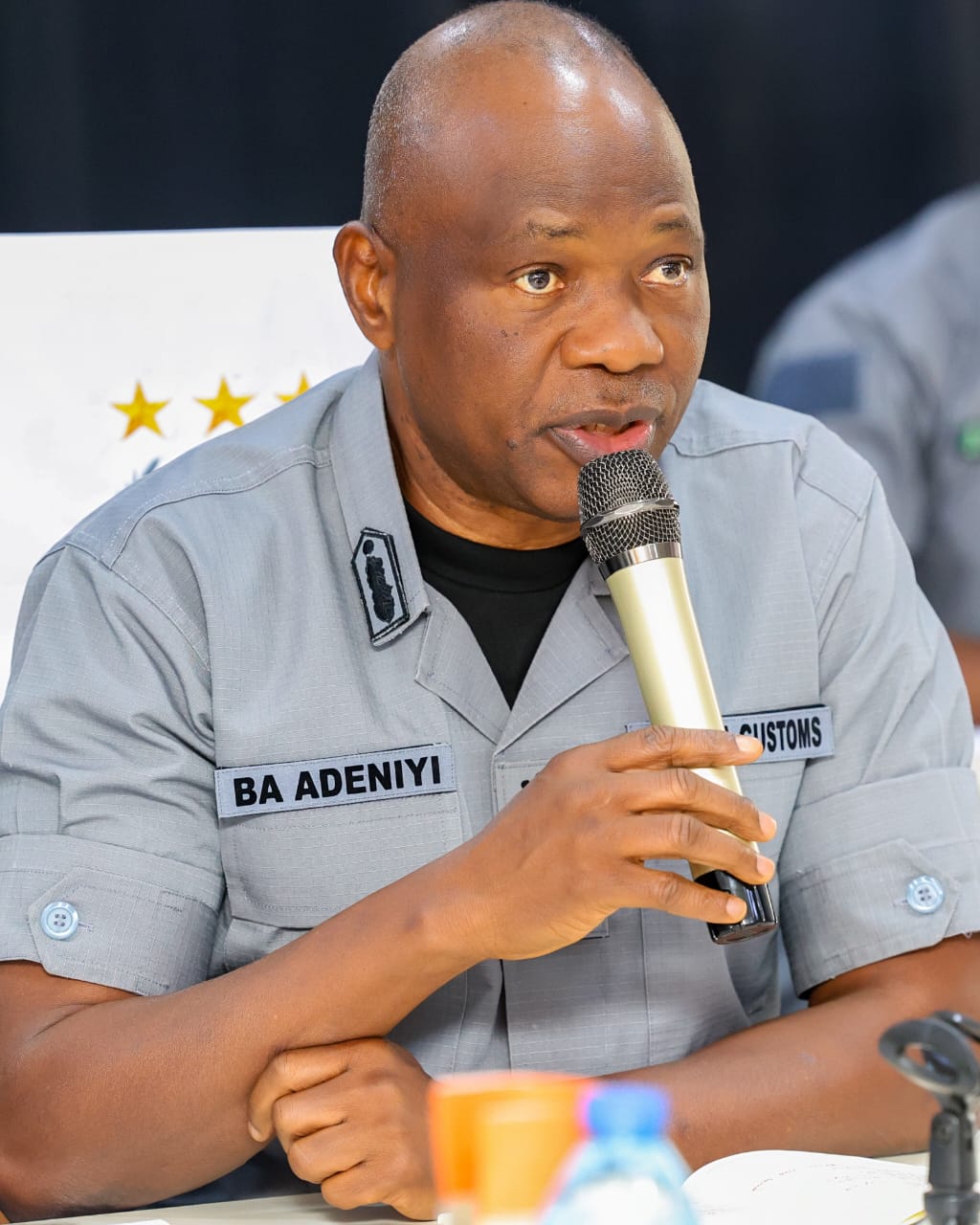
‘Why We Launched B-Odogwu Pilot Scheme With Webb Fontaine Still Running’ – Adeniyi

Onyemekara Promoted GM, Appointed NPA’s New Spokesperson

Nigeria Customs: Trust, Competence And The Oramalugo Factor

‘Rush To Break News Can Lead To Brush With Cybercrime’- Police

Kebbi Is Hub of Hard Drugs Smuggling In Northern Region’ – Oramalugo

‘Our Trade Security Is More Protected Under B’Odogwu’ – Daniyan