Business
Customs Unveils New Communication Strategy

Deepens Media Partnership to Drive Reforms, Trade Facilitation
BY EGUONO ODJEGBA
The Nigeria Customs Service (NCS) has unveiled a comprehensive communication strategy aimed at strengthening public trust, enhancing stakeholder engagement and supporting the successful implementation of its ongoing reforms, with renewed emphasis on media partnership, trade facilitation and intelligence-driven anti-smuggling operations.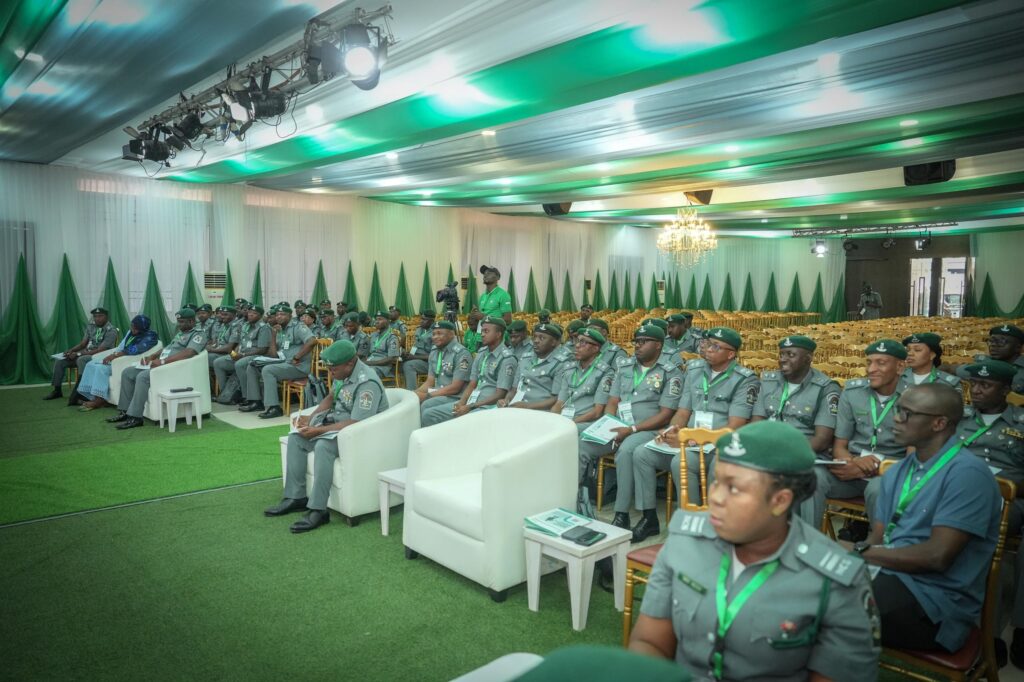
The strategic direction emerged from the 2026 Nigeria Customs Service Public Relations Conference, held in Port Harcourt, Rivers State, from July 21 to 23, where senior Customs officers, communication experts, academics, media practitioners and students deliberated on the theme, “Realigning Corporate Communication as a Strategic Driver of Institutional Effectiveness and Public Trust.”
The conference underscored the growing recognition within the Service that effective communication is no longer merely a public relations function but a strategic operational tool essential for improving compliance, sustaining reforms and strengthening public confidence in the Nigeria Customs Service.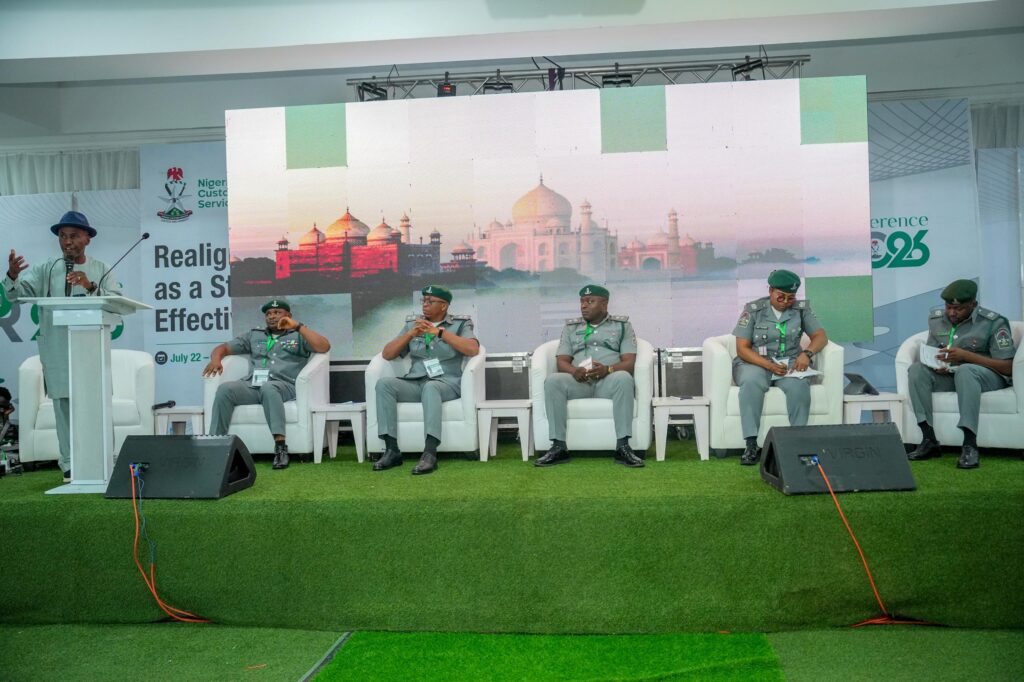
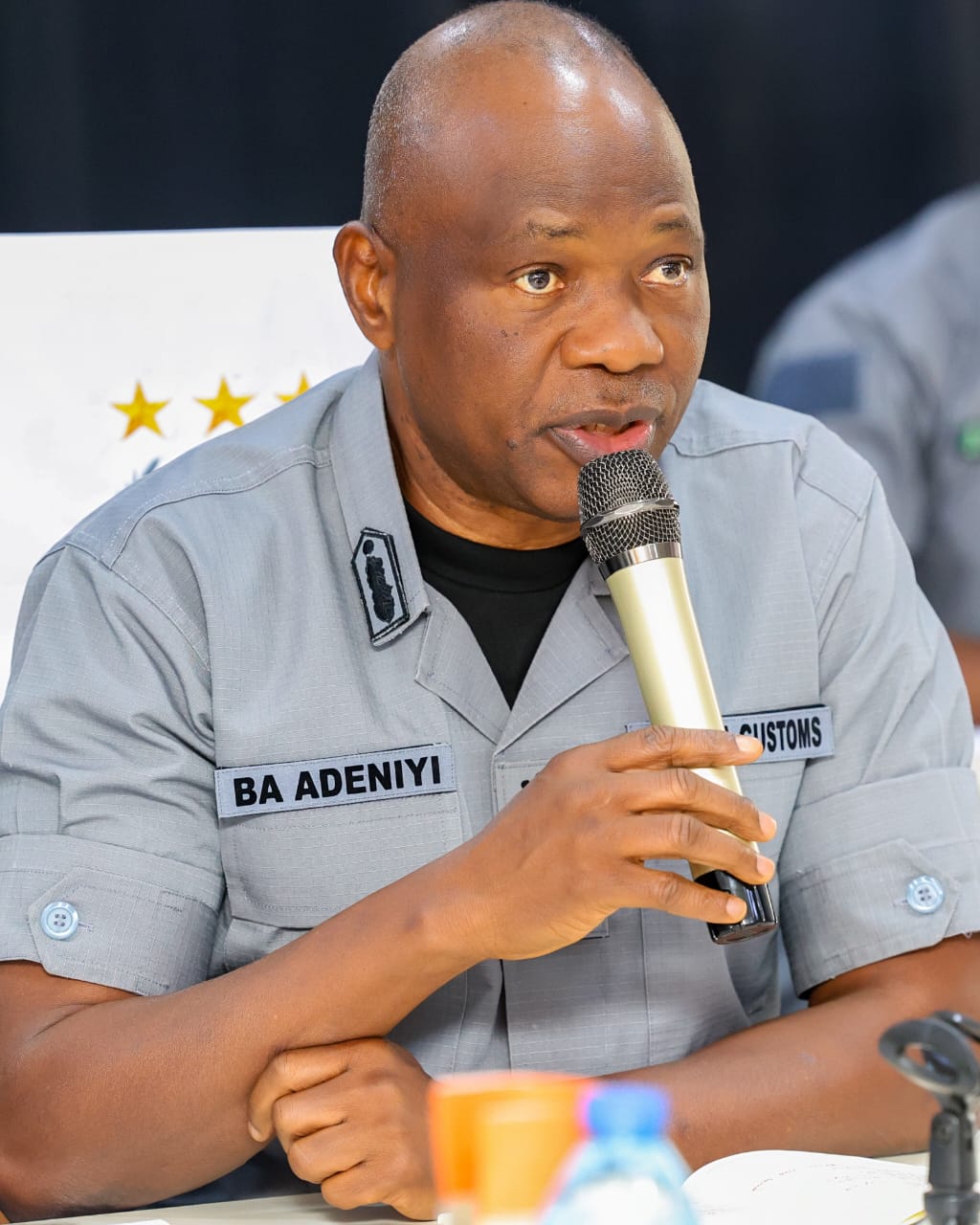
Opening the conference, the Comptroller General of Customs, Bashir Adewale Adeniyi, represented by the Zonal Coordinator, Zone ‘C’, Acting Assistant Comptroller General Pascal Chibuoke, reaffirmed the Service’s commitment to building stronger relationships with journalists, describing the media as indispensable partners in projecting Customs’ statutory responsibilities in trade facilitation, border security, revenue generation and economic development.
He urged participants to deploy effective communication in promoting a better public understanding of Customs operations while encouraging officers to become ambassadors of the Service’s ongoing reforms.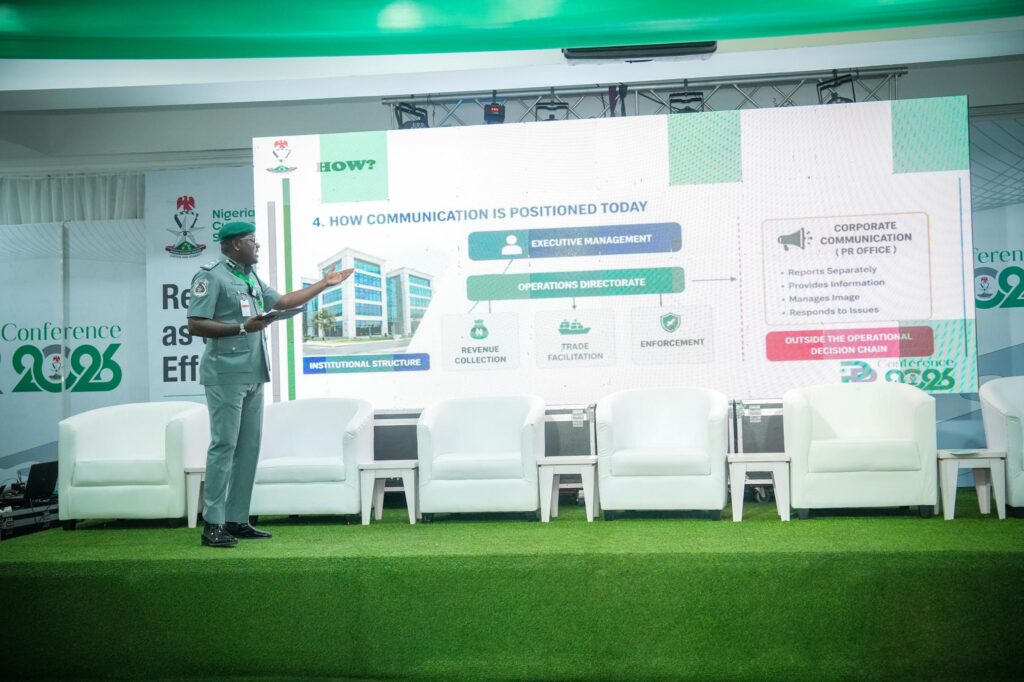
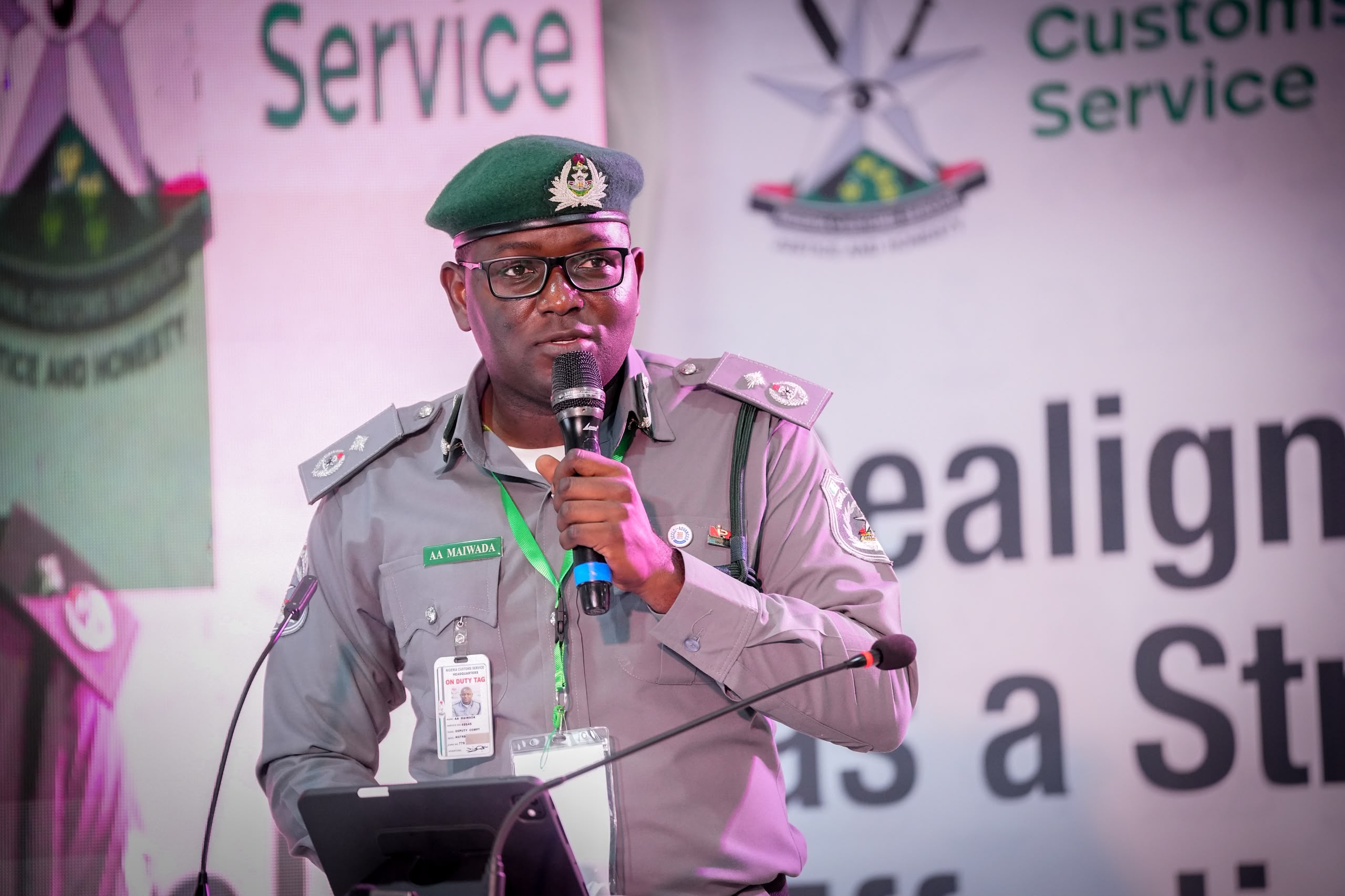
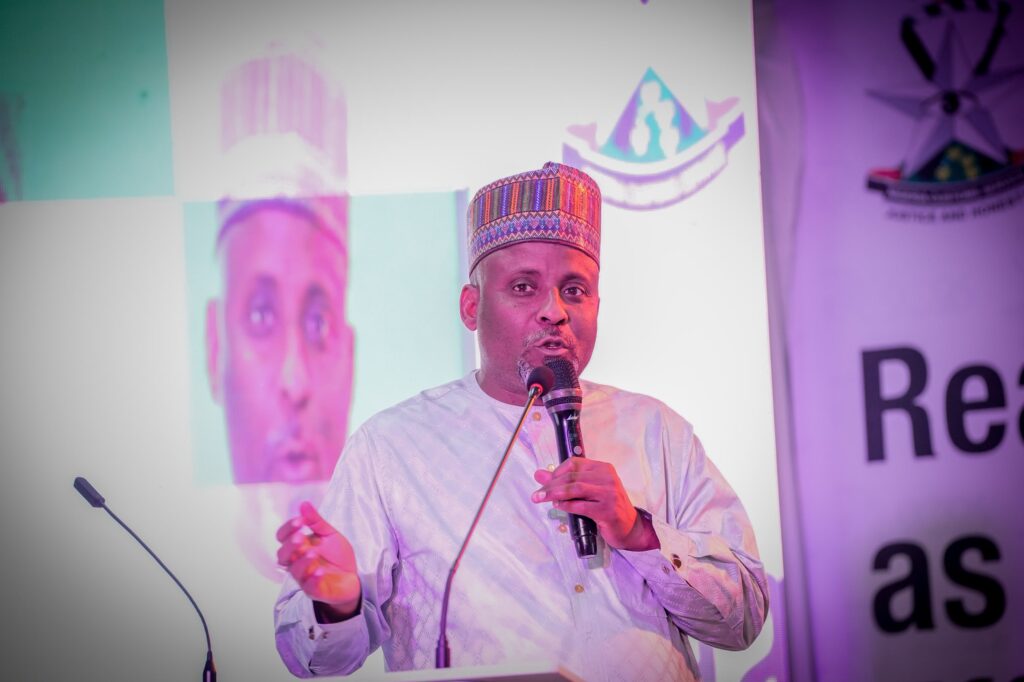
The National Public Relations Officer, Deputy Comptroller Abdullahi Maiwada, who led the conference presentations, declared that communication must become an integral component of Customs operations rather than an afterthought. According to him, reforms can only succeed when the public understands and trusts the institution implementing them.
He stressed the need to “humanise reforms” by showcasing their direct benefits to ordinary Nigerians, saying strategic communication must align operational achievements with citizens’ expectations.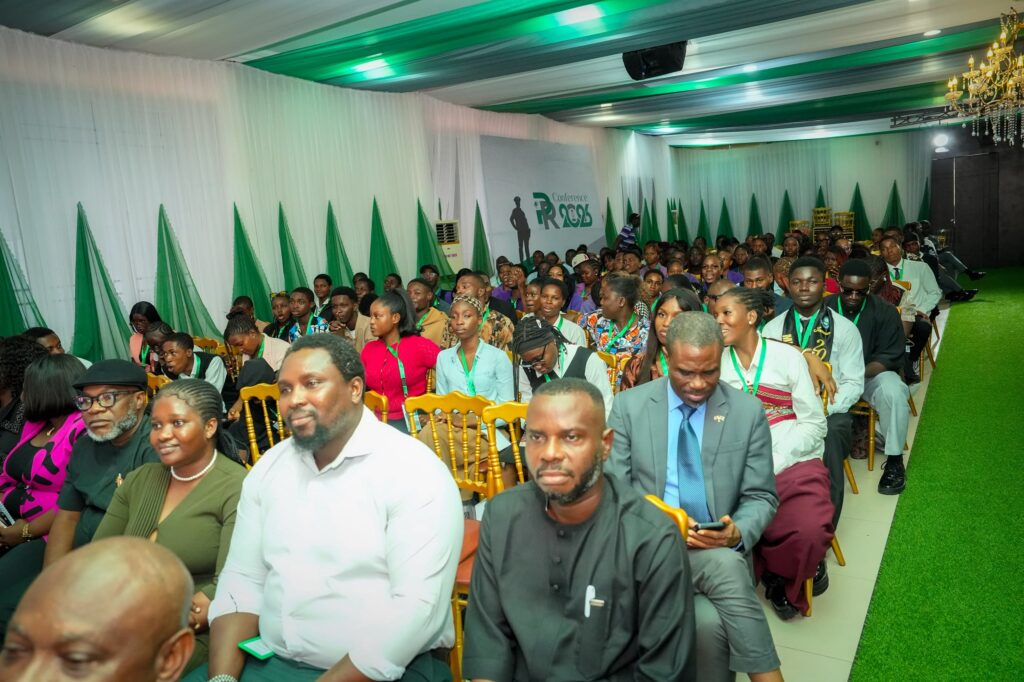
Maiwada described the media as the bridge between government policies and the public, urging journalists to sustain balanced, factual and responsible reportage capable of promoting economic growth, enhancing border security and supporting national development. Beyond communication strategy, the conference also highlighted several flagship reforms currently transforming Customs operations.
Maiwada explained that the Authorised Economic Operator (AEO) Programme remains one of the Service’s most significant trade facilitation initiatives, rewarding compliant importers and exporters with faster cargo clearance, fewer physical examinations and priority processing.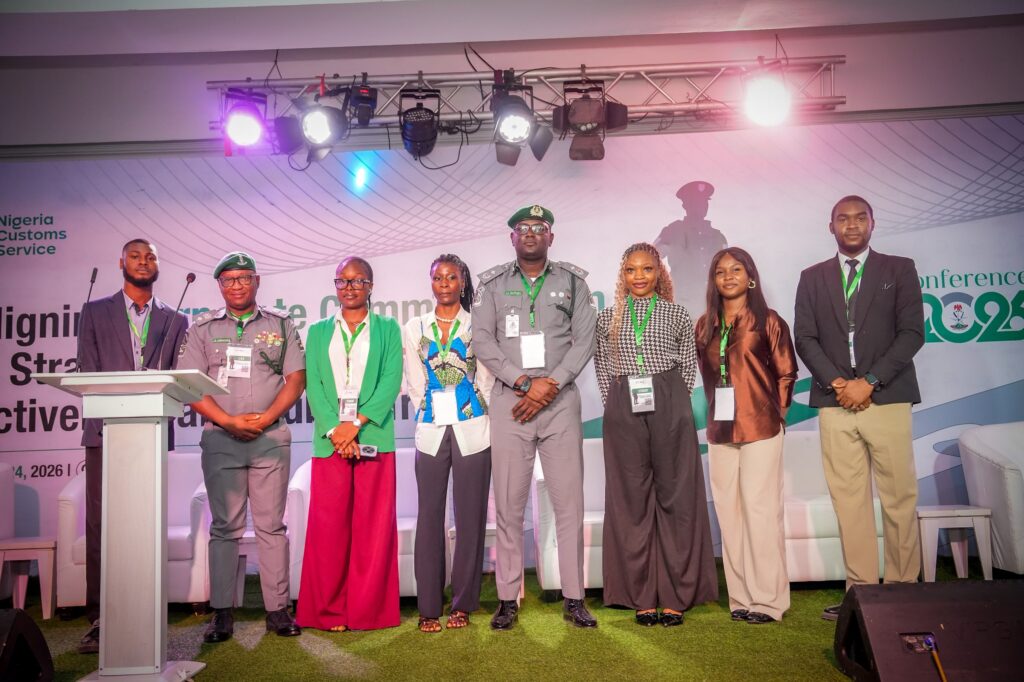
He also highlighted the implementation of the Advance Ruling System, which enables importers to obtain legally binding decisions on tariff classification, customs valuation and the origin of goods before shipment, thereby reducing disputes and uncertainty during cargo clearance.
Another major reform showcased during the conference was the indigenous B’Odogwu Unified Customs Management System, a cargo clearance platform designed entirely by Nigerian professionals.
According to the Service, the locally developed technology has become the operational backbone of Customs clearance nationwide while positioning Nigeria as a continental model under the African Continental Free Trade Area (AfCFTA).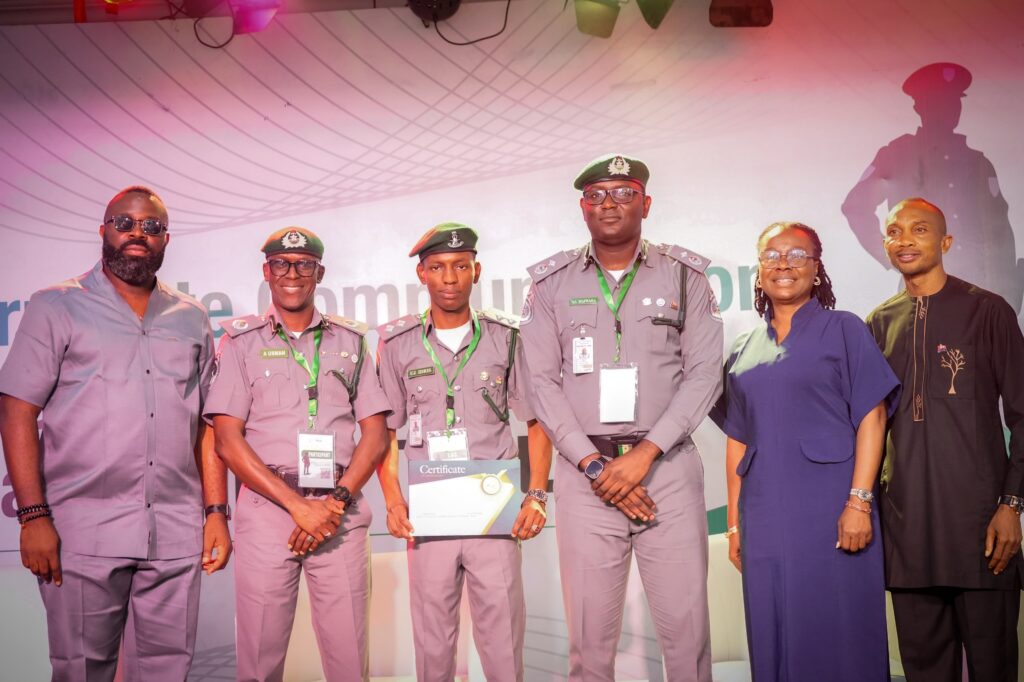
The conference equally reaffirmed Customs’ determination to sustain intelligence-led anti-smuggling operations through the deployment of modern surveillance technology, geofencing and enhanced enforcement capabilities across Nigeria’s borders.
Fielding to questions from journalists during the media interaction, Maiwada clarified that Customs merely implements fiscal policies approved by the Federal Government and does not arbitrarily determine import duty rates.
He explained that duty calculations are based on internationally recognised Cost, Insurance and Freight (CIF) values, accounting for differences in freight costs between ports.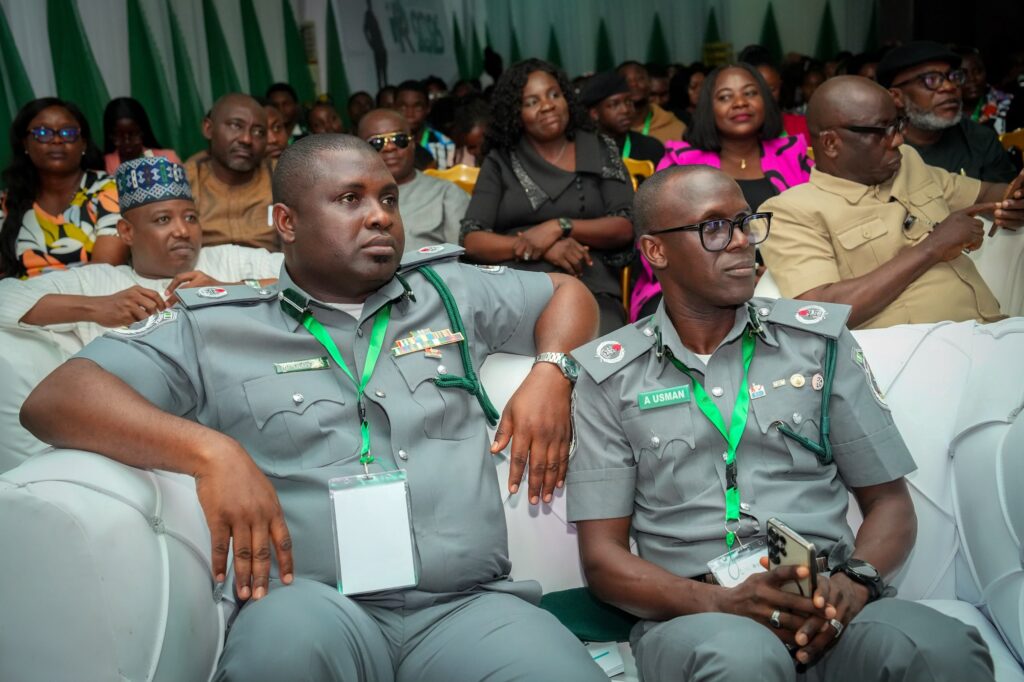
He also outlined the legal procedures governing the disposal of seized goods, noting that prohibited items such as illicit drugs are transferred to the National Drug Law Enforcement Agency (NDLEA), while illegal arms and ammunition are handed over to the National Centre for the Control of Small Arms and Light Weapons for further investigation and prosecution.
Officials disclosed that commonly intercepted contraband include illegally refined petroleum products, unregistered pharmaceutical products, cannabis, tramadol, codeine, endangered wildlife species and other prohibited imports.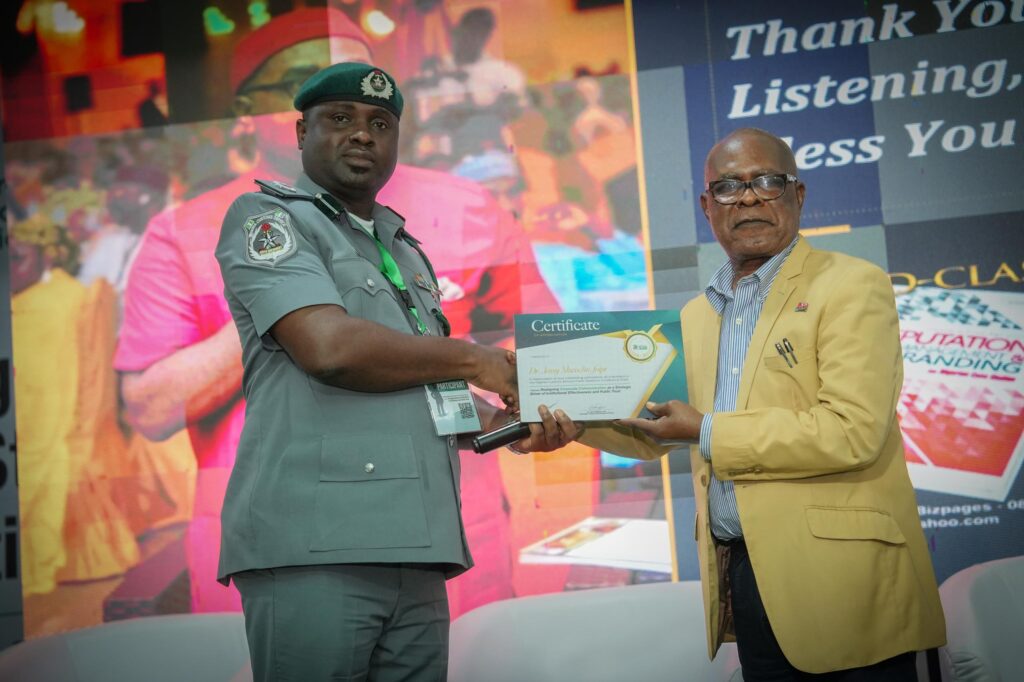
The conference featured technical sessions delivered by communication professionals and academics, who challenged Customs officers to embrace innovation, stakeholder engagement and strategic planning as essential components of institutional effectiveness.
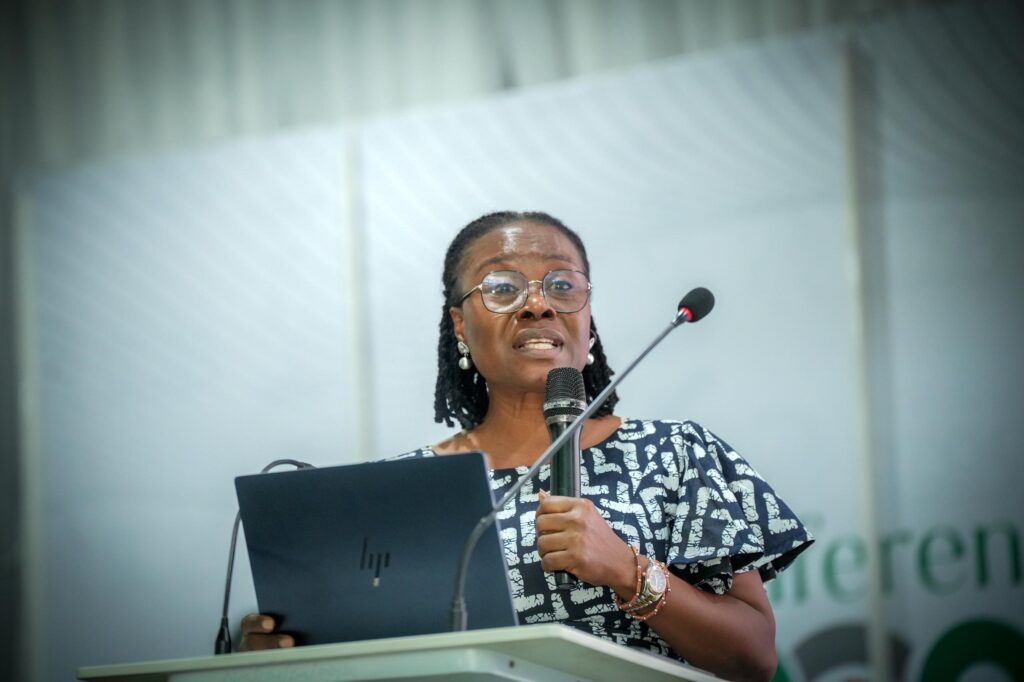
Managing Director of Reputation Masters Limited, Jossy Nkwocha, urged participants to move beyond traditional public relations by adopting modern corporate communication practices capable of strengthening institutional credibility.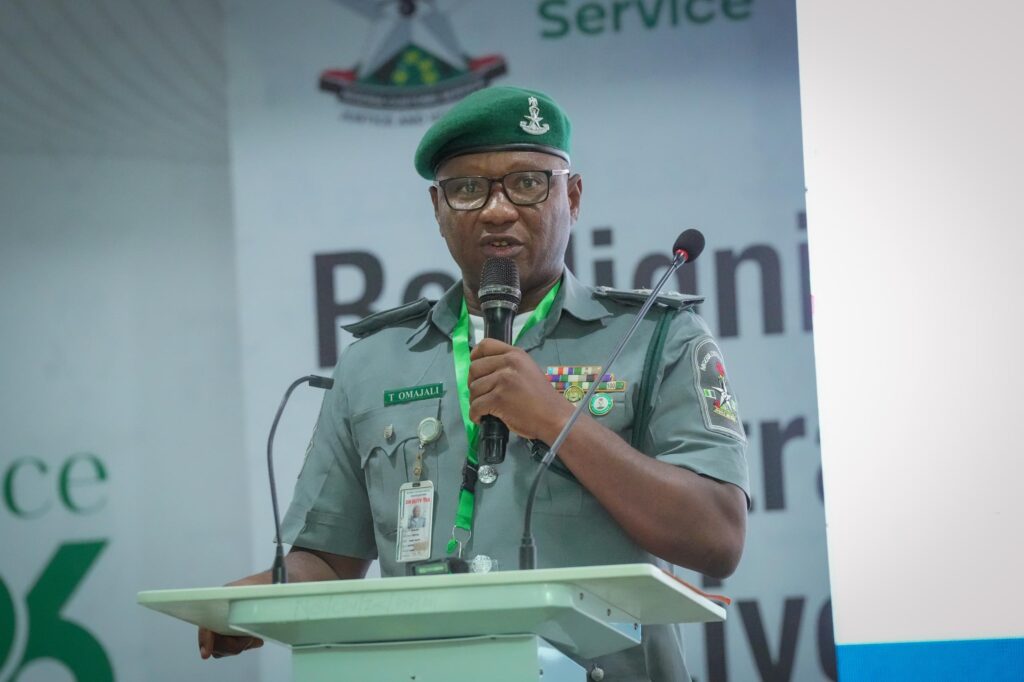
Similarly, Professor Lawrence Dike of the University of Port Harcourt emphasised that trust, consistency and people-centred communication remain the foundation of successful organisational transformation.
The conference also examined the growing role of strategic communication in implementing reforms such as the AEO Programme, while panel discussions explored practical approaches to managing institutional reputation in complex operational environments.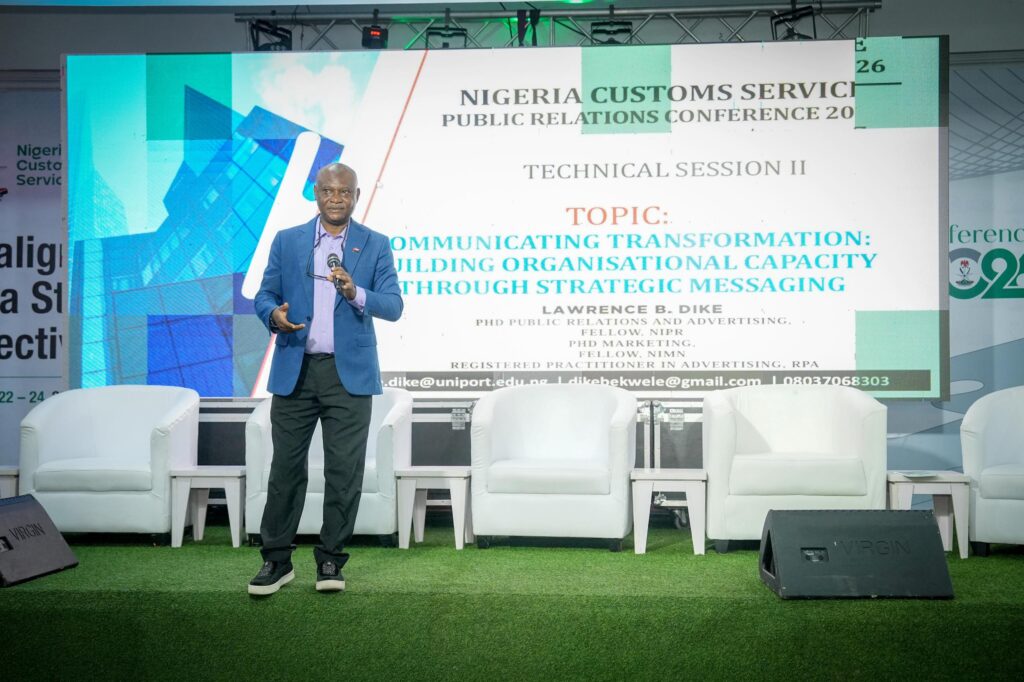
A major highlight of the second day was the mentorship session involving students from Rivers State University, the University of Port Harcourt, Ignatius Ajuru University of Education and Captain Elechi Amadi Polytechnic.
Senior Customs officers and communication professionals provided practical career guidance through simulation exercises, case studies and masterclasses built around ongoing Customs reforms, including the B’Odogwu platform, the Advance Ruling System and stakeholder engagement strategies.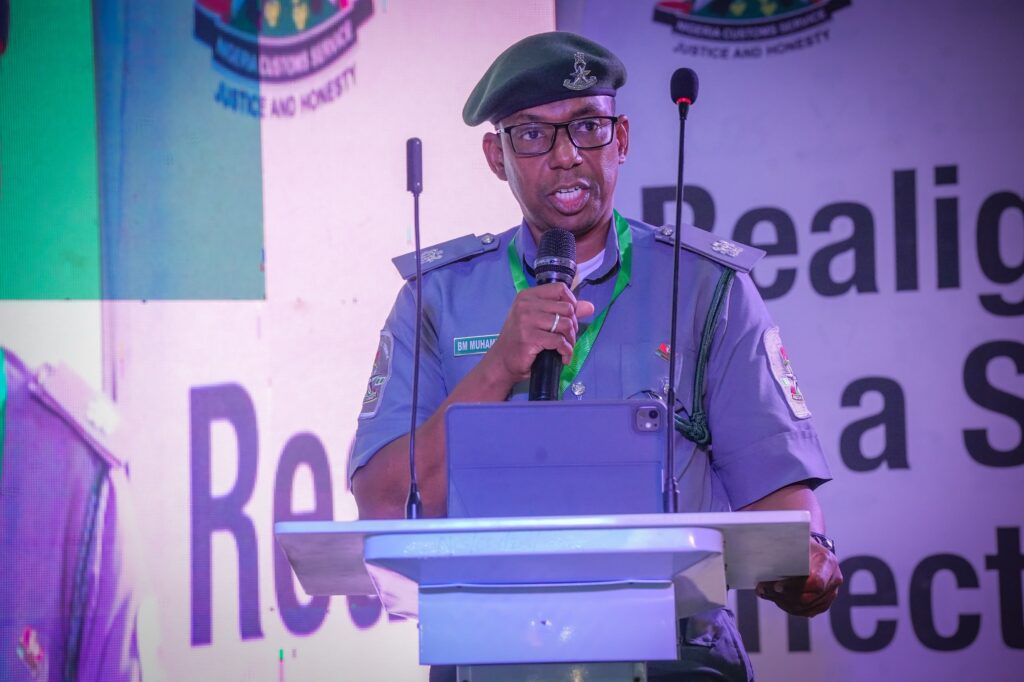
Maiwada encouraged young communication practitioners to build careers founded on character, competence, consistency and clarity, stressing that effective public relations extends beyond information management to nurturing future leaders capable of sustaining institutional trust.
Some of the Service’s public relations veterans who assisted Maiwada to co-steer the successful conference includes Assistant Comptroller Abubakar Usman and Assistant Comptroller HB Oloyede.
The conference concluded with a renewed commitment by the Nigeria Customs Service to institutionalise strategic communication as a core operational pillar, strengthen collaboration with the media and stakeholders, and build a modern public relations workforce capable of supporting reforms, enhancing transparency and promoting greater public confidence in the Service.
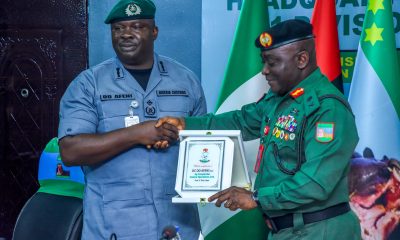
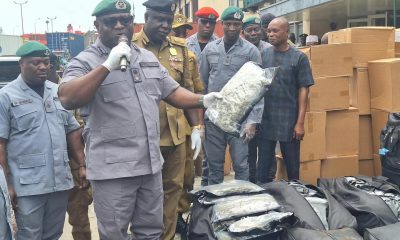
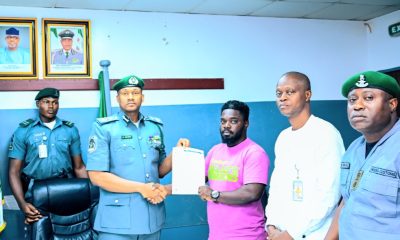
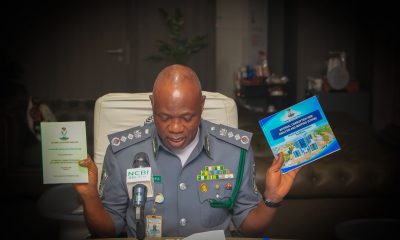
More photos from the event below: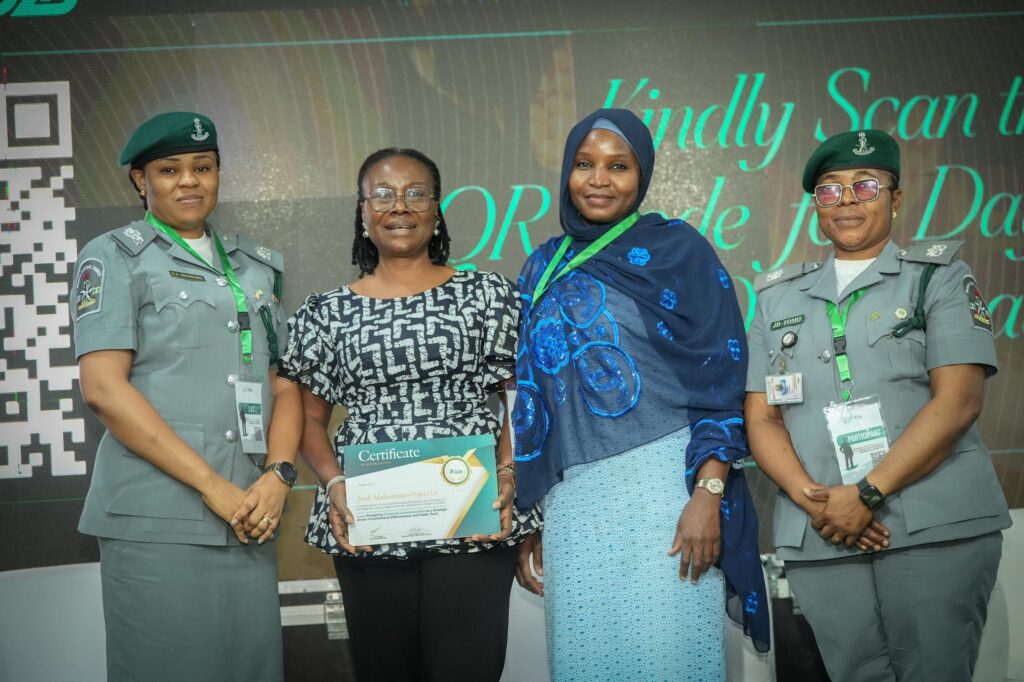





Oyetola Unveils NPERA, Corporate Logo Amid Quiet Enthusiasm

Nigeria, Benin Urged to Deploy Culture and Traditional Diplomacy to Defuse Border Tensions

Nigeria’s Ports: How Foreign Capital Took the Dinner, While Indigenous Businesses Got the Crumbs (3)

FOU Zone A, Police, Army, DSS, Others Strengthen Security Alliance Ahead of Elections

Nigeria’s Ports: How Foreign Capital Took the Dinner, While Indigenous Businesses Got the Crumbs (2)

Former Senatorial Candidate, Hajia Nike AbdulRahman Dumps NDC, Defects to APC

Nigeria’s Ports: How Foreign Capital Took the Dinner, While Indigenous Businesses Got the Crumbs

How Anani’s Tin Can Command Intercepted a ₦3.6 Billion Illicit Drug Shipment

Ibrahim, Ogun 1 Customs New Sheriff Unveils Strength Beneath His Quiet Mien

Logistics Synergy: NPA Advances Integration of ICDs Under New Reform Agenda

Teamwork, Discipline, Central to Our Enforcement Mandate —Jonah Charges Customs Marine Operatives

How the UAE-Nigeria Partnership Can Transform Our Ports
ANLCA Board is intact, cannot be wished away by anybody’-Elochukwu

B-R-E-A-K-I-N-G: Effedua, Rector MAN Oron, Resigns

EFCC’s Probe: Okowa Plots Sheriff’s Removal Despite London Accord
Customs Trains ANLCA Members, Others on B’Odogwu Portal

NPA’s Alleged Executive Management Fight: The Half Truth & Truth
ANLCA Board Election: Know Your Candidates
‘Why We Launched B-Odogwu Pilot Scheme With Webb Fontaine Still Running’ – Adeniyi

Onyemekara Promoted GM, Appointed NPA’s New Spokesperson

Nigeria Customs: Trust, Competence And The Oramalugo Factor

‘Rush To Break News Can Lead To Brush With Cybercrime’- Police

Kebbi Is Hub of Hard Drugs Smuggling In Northern Region’ – Oramalugo

Onyeka Makes History As Tin-Can Customs Hit ₦16.4bn A Day