
Politics
Osun Poll: Democracy Must Not Be Won by State Power

EDITORIAL
The strength of a democracy is not measured by the eloquence of its Constitution but by the willingness of those in power to obey both its letter and spirit. Elections are not merely contests between political parties; they are tests of whether the institutions of the state belong to all citizens or have become instruments of partisan advantage.
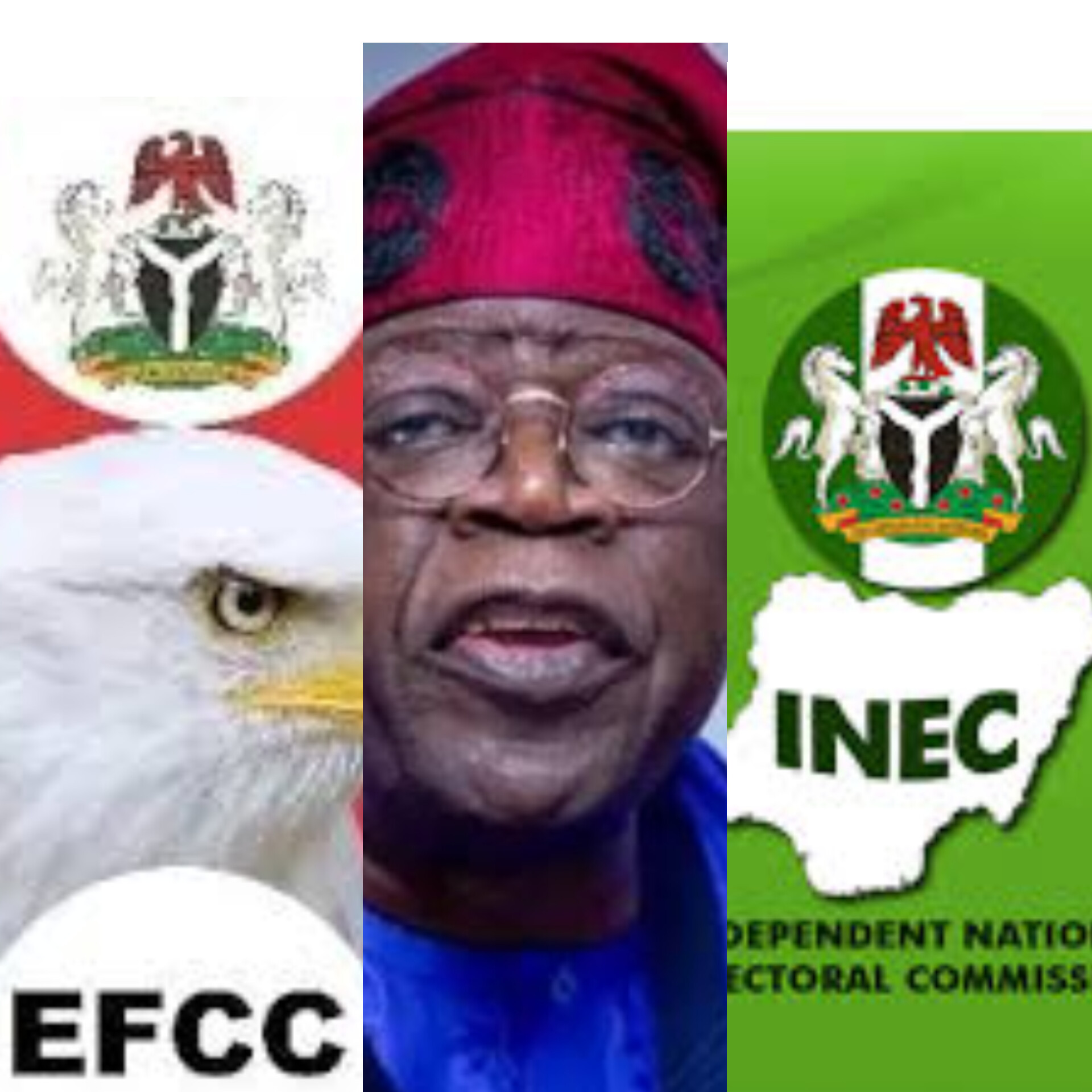
That is why the reports surrounding the alleged restriction of an Osun State Government account by the Economic and Financial Crimes Commission (EFCC), coming barely days before the August 15 governorship election, deserve the closest public scrutiny. Whether the reported action was legally justified or not is ultimately a matter for due process. Yet timing matters in politics. Where enforcement actions coincide with an intensely contested election, public confidence inevitably comes under strain.
The EFCC has every constitutional responsibility to investigate financial crimes wherever credible evidence exists. No governor, minister or public official should enjoy immunity from lawful investigation. However, anti-corruption agencies equally carry the burden of demonstrating that their actions are free from political calculation. Justice must not only be done; it must be seen to be done. This is the challenge confronting Nigeria’s democratic institutions. Across Africa, incumbency often carries advantages that extend beyond electoral popularity. Control over state institutions has too frequently been perceived as an extension of political power. Whether in Uganda under President Yoweri Museveni or in several other African democracies, allegations of state institutions being drawn into partisan contests have repeatedly generated controversy and weakened public trust.
Nigeria cannot afford to travel the same road. President Bola Ahmed Tinubu has built much of his political reputation on democratic activism and progressive politics. That history imposes an even greater obligation on his administration to ensure that every institution under the Federal Government operates with visible impartiality, especially during elections. The greatest legacy any democratic leader can leave is not merely electoral victory for his party but stronger institutions capable of outliving political interests.
The reported developments in Osun therefore raise questions that deserve clear answers rather than partisan rhetoric. Was the reported account restriction based on ongoing investigations initiated long before the election season? Was due process followed? Why did such action reportedly coincide with the final stretch of an election campaign? Transparency remains the surest antidote to suspicion.
Equally disturbing is the growing perception that many independent institutions increasingly find themselves at the centre of political controversies. Whether involving security agencies, anti-corruption bodies or electoral institutions, democracy suffers whenever public confidence in institutional neutrality begins to erode. Once citizens conclude that state power has become an electoral weapon, the legitimacy of election outcomes inevitably comes under question, irrespective of who wins.
This editorial makes no pronouncement on the guilt or innocence of any public official, nor does it suggest that anti-corruption investigations should cease because elections are approaching. Rather, it insists that enforcement actions must remain demonstrably independent of political considerations. The credibility of both the investigation and the election depends upon it.
The Osun governorship race should be determined by voters not by administrative actions, financial restrictions, institutional controversies or perceptions of federal influence.
The campaign promises of the APC candidate, Asiwaju Munirudeen Bola Oyebamiji, deserve to be evaluated by the electorate on their own merits. If his message of competence, merit-based governance and economic development truly resonates with the people of Osun, then the ballot box, not the machinery of the state should validate that mandate. Conversely, if Governor Ademola Adeleke retains the confidence of the electorate, that verdict must equally be respected.
Democracy loses its moral authority whenever politicians seek victory through means other than persuasion. History offers a sobering reminder that political power is temporary, while institutions and justice endure. Every administration eventually becomes accountable, not only before the law but before history and the people whose trust it was elected to serve. Governments that weaken democratic norms for immediate political gain often discover that the precedents they create become burdens for future generations.
Those entrusted with public office should remember that authority is never absolute. Every decision carries consequences. Every abuse of power diminishes the very institutions upon which future governments will depend. Every attempt to tilt the democratic playing field weakens the Republic itself.
As Osun prepares to vote, all actors, the Federal Government, the Osun State Government, the EFCC, security agencies, the electoral commission, political parties and their supporters must recognise that the credibility of the election is more valuable than the victory of any candidate.
The true winner on August 15 should not simply be a political party. It must be Nigerian democracy itself










When Customs Commissioned Rehabilitated Eleme Health Facility

ANLCA@72: Making Celebration a New Covenant for Peace, Unity and Professionalism

NIMASA Unveils National Innovation Hackathon, Open Young Innovators Por

Ogun 1 Customs Intercepts N417m Range Rover

Operator Raises Alarm Over Foreign Control, Cartelisation of Maritime Supply Chain

Tin-Can Customs Generates ₦137.298bn in August

DG NIMASA, Mobereola Reasserts Cabotage Implementation Key To Maritime Development

Tribute to a Colossus: The Eternal Legacy of Alhaji Bamanga Tukur (1935–2026)

Stakeholders To Re-Examine Blue Economy Imperatives
ANLCA@72: From Founders’ Dream to Indispensable Pillar of Nigeria’s Port Economy

ANLCA’s 72nd Anniversary: NECOM Reels Out Programme, Says Peace Worth Celebrating

US Coast Guard, Nigeria and the Politics of a Maritime Victory
ANLCA Board is intact, cannot be wished away by anybody’-Elochukwu

B-R-E-A-K-I-N-G: Effedua, Rector MAN Oron, Resigns

EFCC’s Probe: Okowa Plots Sheriff’s Removal Despite London Accord
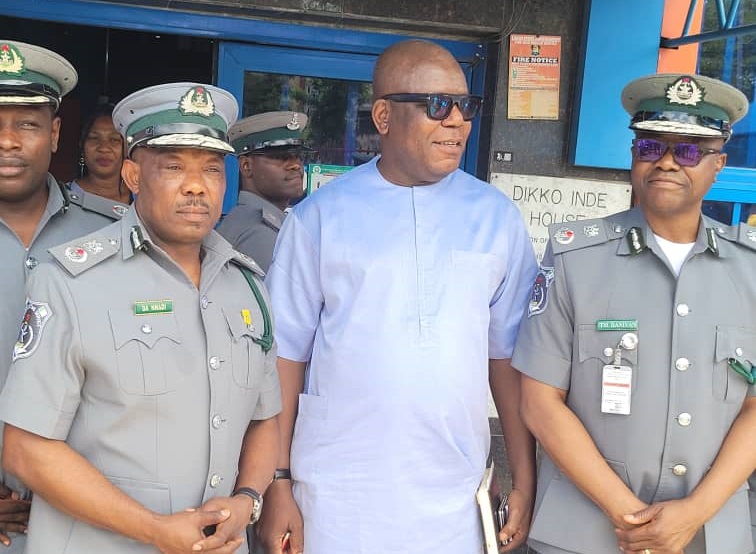
Customs Trains ANLCA Members, Others on B’Odogwu Portal

NPA’s Alleged Executive Management Fight: The Half Truth & Truth

ANLCA Board Election: Know Your Candidates
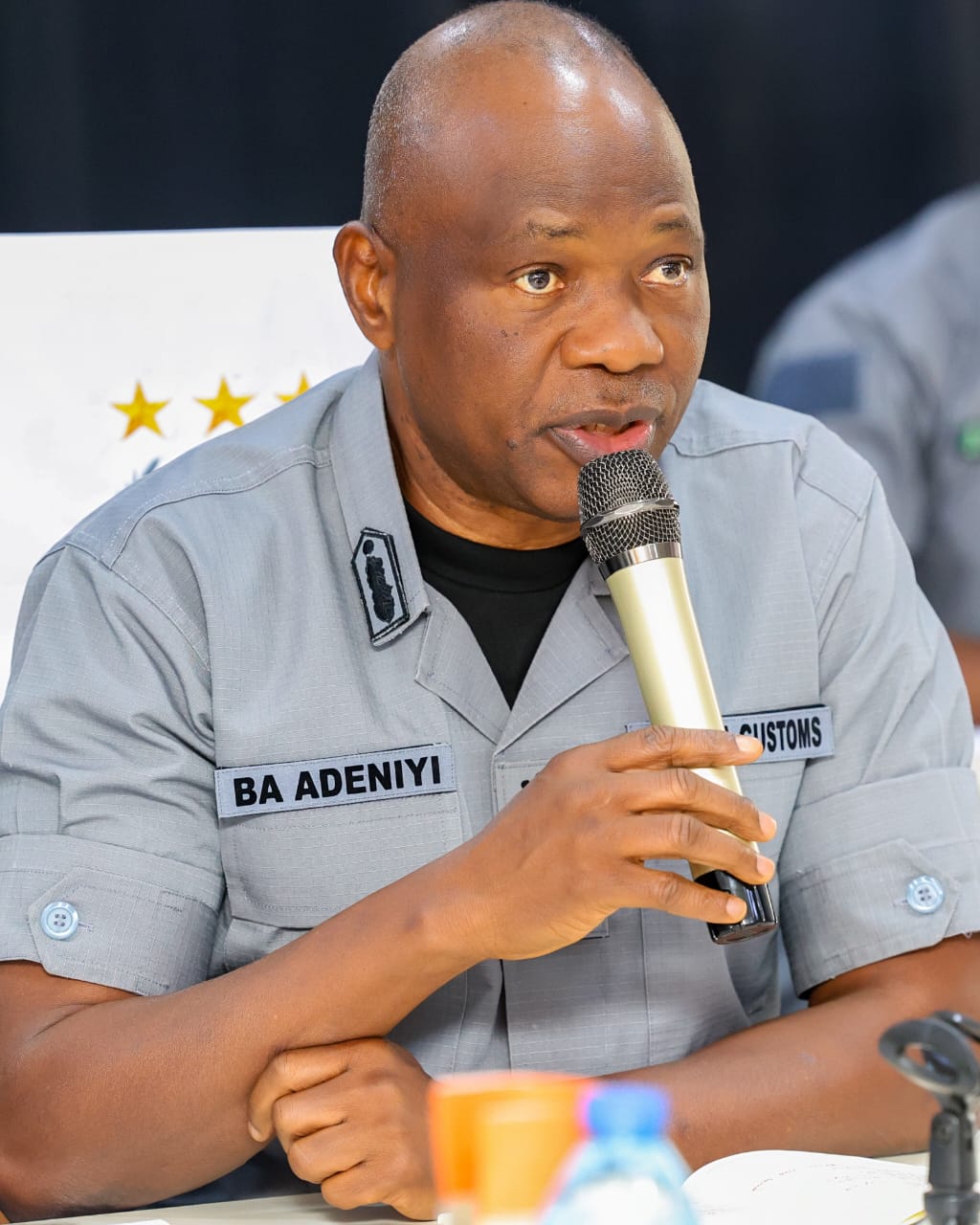
‘Why We Launched B-Odogwu Pilot Scheme With Webb Fontaine Still Running’ – Adeniyi

Onyemekara Promoted GM, Appointed NPA’s New Spokesperson

Nigeria Customs: Trust, Competence And The Oramalugo Factor

‘Rush To Break News Can Lead To Brush With Cybercrime’- Police

Kebbi Is Hub of Hard Drugs Smuggling In Northern Region’ – Oramalugo

‘Our Trade Security Is More Protected Under B’Odogwu’ – Daniyan