
Customs Report
SEREC Salutes Customs Vigilance, Warns Against Growing Criminal Pressure on Ports, Borders













Business2 days ago
Teamwork, Discipline, Central to Our Enforcement Mandate —Jonah Charges Customs Marine Operatives

Uncategorized2 days ago
How the UAE-Nigeria Partnership Can Transform Our Ports

Business2 days ago
Cross River, FTZ Customs Gets New Impulse

Business2 days ago
CGC Adeniyi Signs Anti-Corruption Documents, Activates ICRAM Steering Committee

Customs Report3 days ago
Nigeria Customs Marks Breast Cancer Awareness Month in Abuja

Business Maritime6 days ago
NIMASA To Host Webinars on Automation of Nigerian Ship Registry

Business Maritime7 days ago
NPA Moves To Cut Export Bottlenecks, Targets Forex Inflows

Business Maritime1 week ago
NPA Congratulates ANLCA on 72nd Anniversary, Reaffirms Support for Port Modernisation

Uncategorized1 week ago
Afeni Lands at FOU Zone ‘A’ in Acting Controller Capacity

Business Maritime1 week ago
NPA Mulls Specialised Fishing Port to Deepen Nigeria’s Blue Economy

Uncategorized1 week ago
Industry Stakeholders Applaud ANLCA at 72nd Anniversary Celebration

Business Maritime1 week ago
Port Regulation Critical To Fisheries, Blue Economy – NPERA DG, Akutah

Customs Report6 years ago
ANLCA Board is intact, cannot be wished away by anybody’-Elochukwu

Maritime2 years ago
B-R-E-A-K-I-N-G: Effedua, Rector MAN Oron, Resigns

Features2 years ago
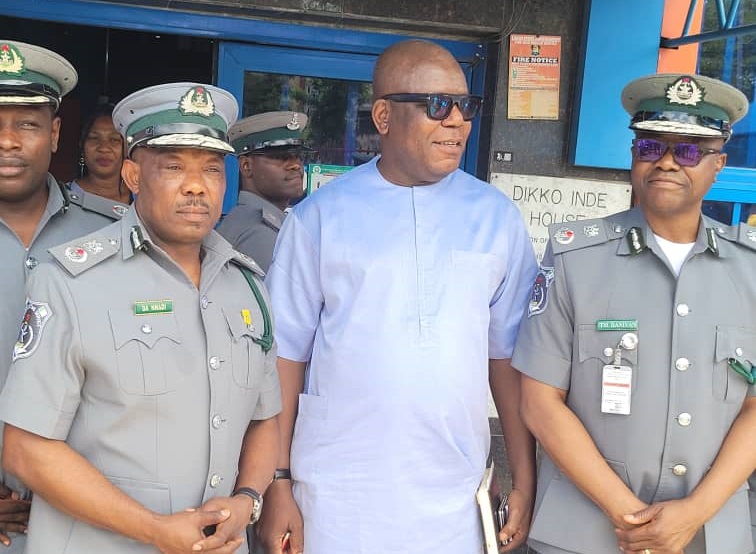
EFCC’s Probe: Okowa Plots Sheriff’s Removal Despite London Accord
Business2 years ago
Customs Trains ANLCA Members, Others on B’Odogwu Portal

Analysis2 years ago
NPA’s Alleged Executive Management Fight: The Half Truth & Truth

Features2 years ago
ANLCA Board Election: Know Your Candidates
Interview2 years ago
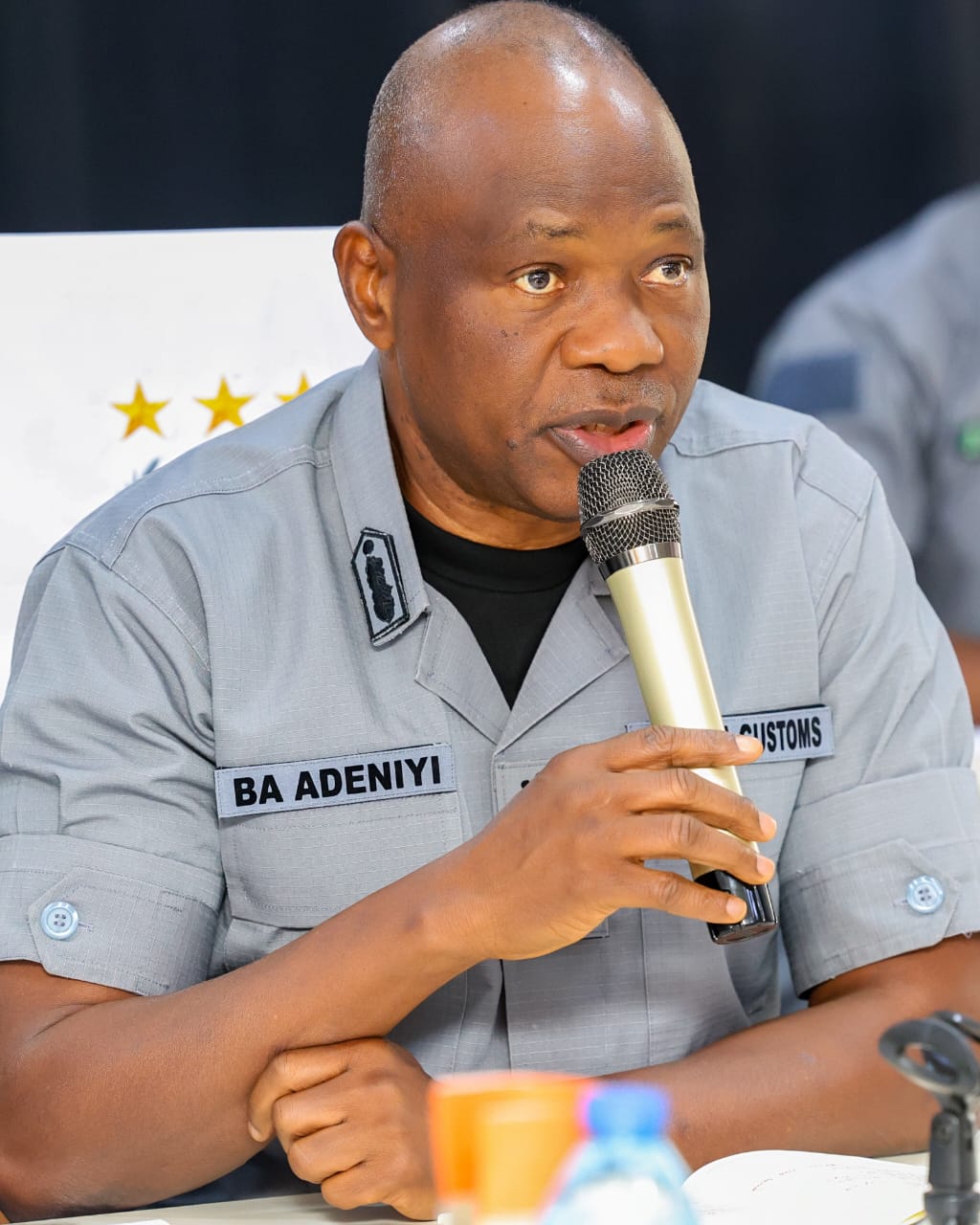
‘Why We Launched B-Odogwu Pilot Scheme With Webb Fontaine Still Running’ – Adeniyi

Maritime2 years ago
Onyemekara Promoted GM, Appointed NPA’s New Spokesperson

Customs Report2 years ago
Nigeria Customs: Trust, Competence And The Oramalugo Factor

Uncategorized2 years ago
‘Rush To Break News Can Lead To Brush With Cybercrime’- Police

Customs Report1 year ago
Kebbi Is Hub of Hard Drugs Smuggling In Northern Region’ – Oramalugo

Customs Report1 year ago
Apapa Customs Collects ₦161b On B’Odogwu Platform In 3 Weeks
Enter ad code her