Business
Oyetola, Stakeholders X-ray Eastern Ports Inability To Compete With Lagos

…As Minister Says Cargo Redistribution Requires More Than Port Rehabilitation
BY EGUONO ODJEGBA
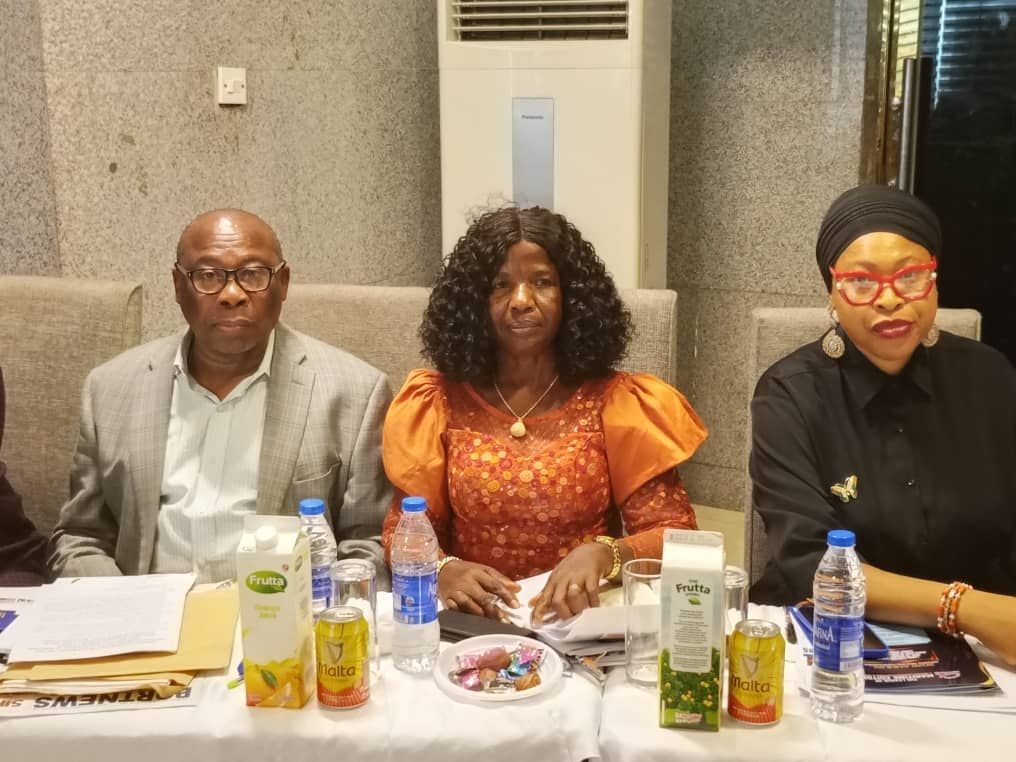
The Federal Government and key stakeholders in Nigeria’s maritime sector have identified a combination of infrastructure deficits, draft limitations, navigational constraints, poor hinterland connectivity, security concerns, high operational costs and inadequate service predictability as major factors undermining the ability of Eastern ports to compete effectively with Lagos for cargo and vessel calls.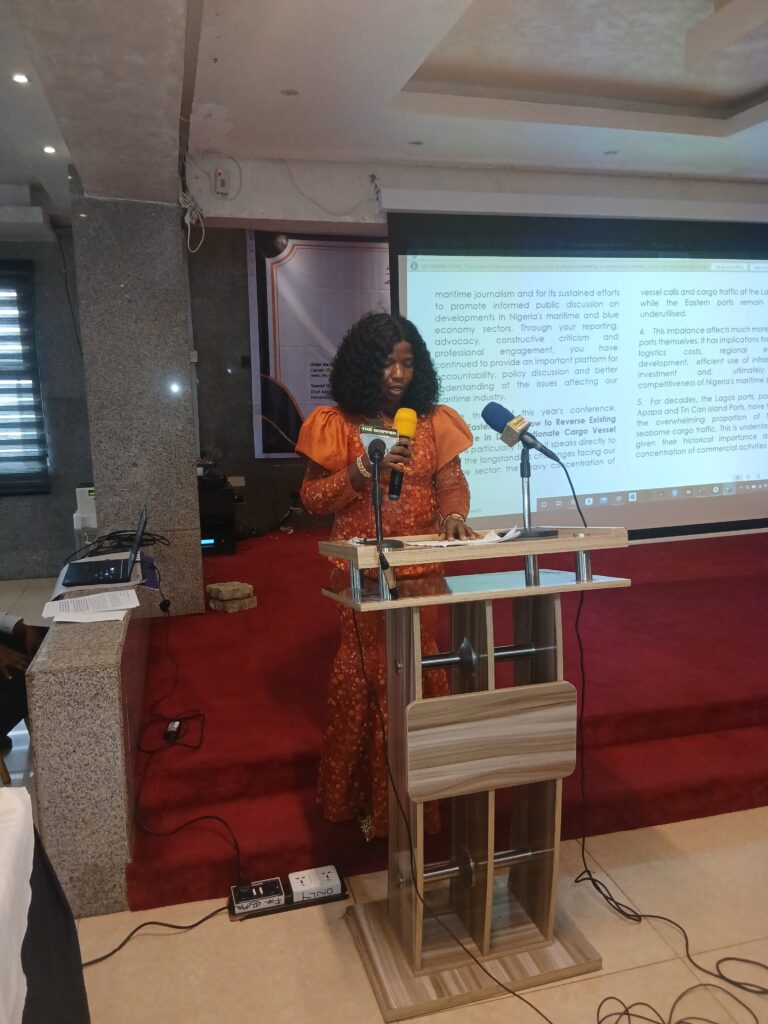
The stakeholders spoke at the Annual General Meeting (AGM) and Conference of the League of Maritime Editors (LOME), held in Lagos on Thursday, with the theme, “Lagos/Eastern Ports: How to Reverse Existing Imbalance in Disproportionate Cargo Vessel Calls.”
Minister of Marine and Blue Economy, Dr. Adegboyega Oyetola CON, who delivered the keynote address, acknowledged that Lagos has historically handled the overwhelming proportion of Nigeria’s seaborne cargo, but said the imbalance was no longer sustainable in view of its implications for national logistics costs, congestion, infrastructure pressure and regional economic development.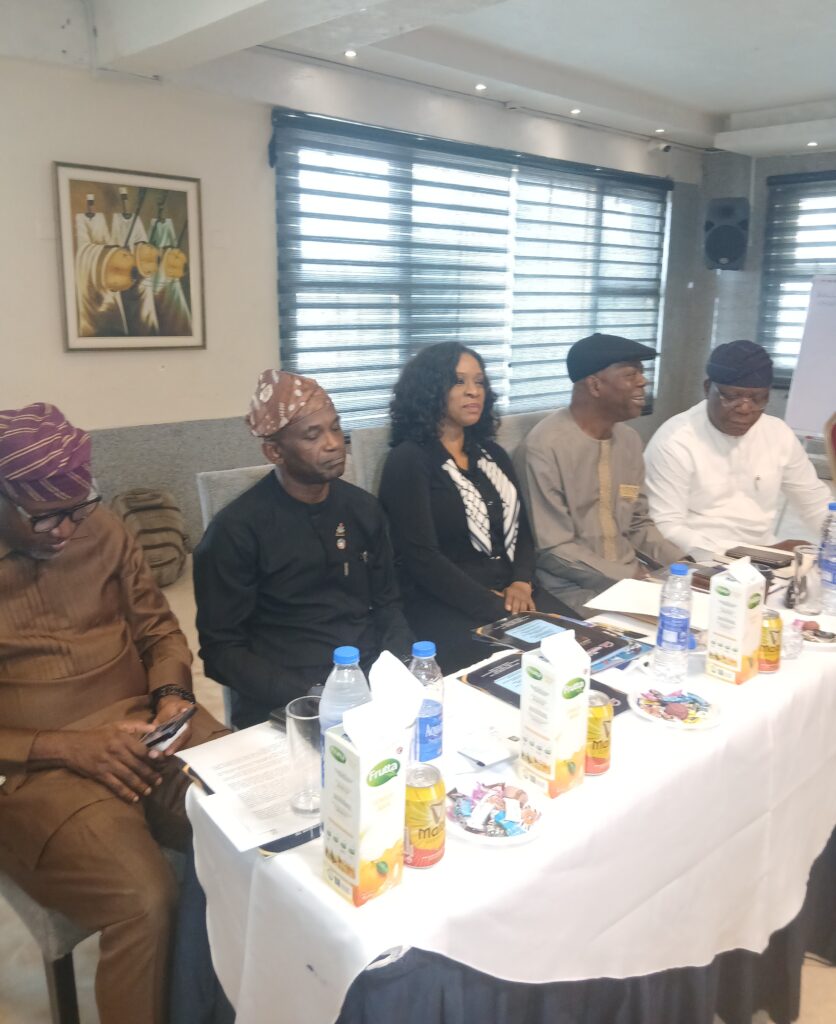
According to him, the Eastern ports possess significant strategic and economic advantages because of their proximity to industrial, agricultural, energy and commercial activities in the South-East, South-South and parts of the North-Central region.
He, however, noted that the potential of ports such as Onne, Port Harcourt, Warri and Calabar had not been fully realised because of challenges ranging from draft limitations and navigational constraints to infrastructure deficiencies, security, equipment, operational costs and weak hinterland connections.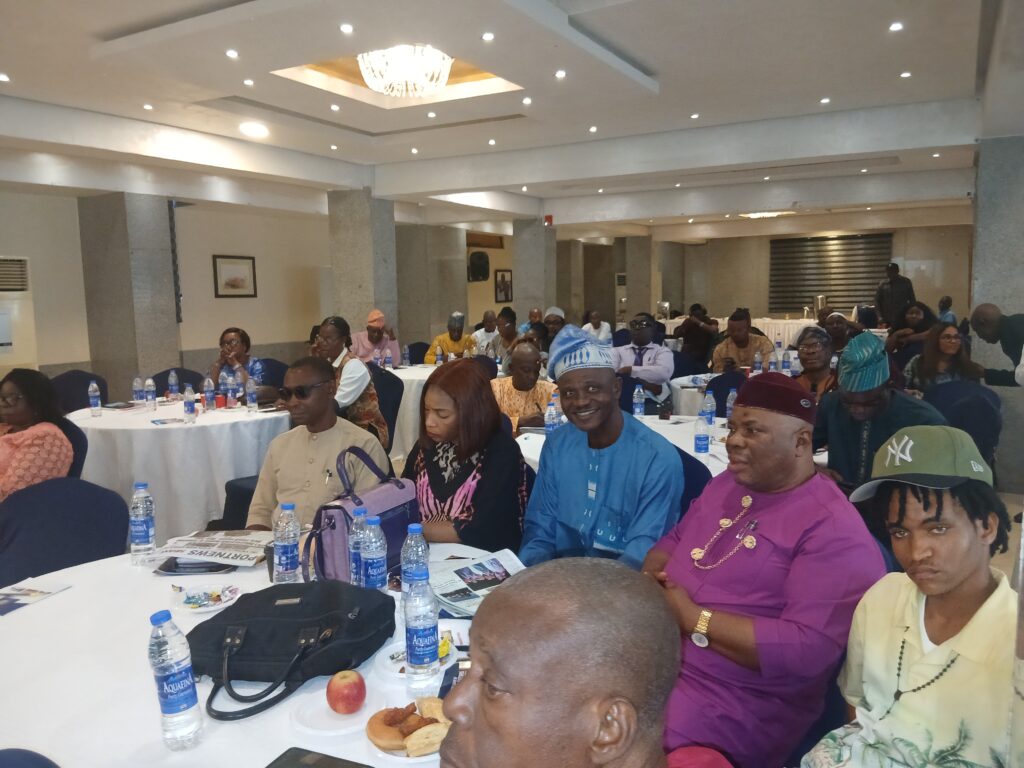
Oyetola stressed that the government’s objective was not to pitch Lagos against the Eastern ports, but to create a multi-port system in which every viable port could compete for cargo based on efficiency, reliability, cost and quality of service.
He said the Federal Government was already pursuing the modernisation and rehabilitation of the Eastern ports as part of a broader national port development strategy.
He listed improved channel depths and navigability, rehabilitation of critical port infrastructure, navigational safety, cargo-handling facilities, security and the overall operating environment as areas receiving attention.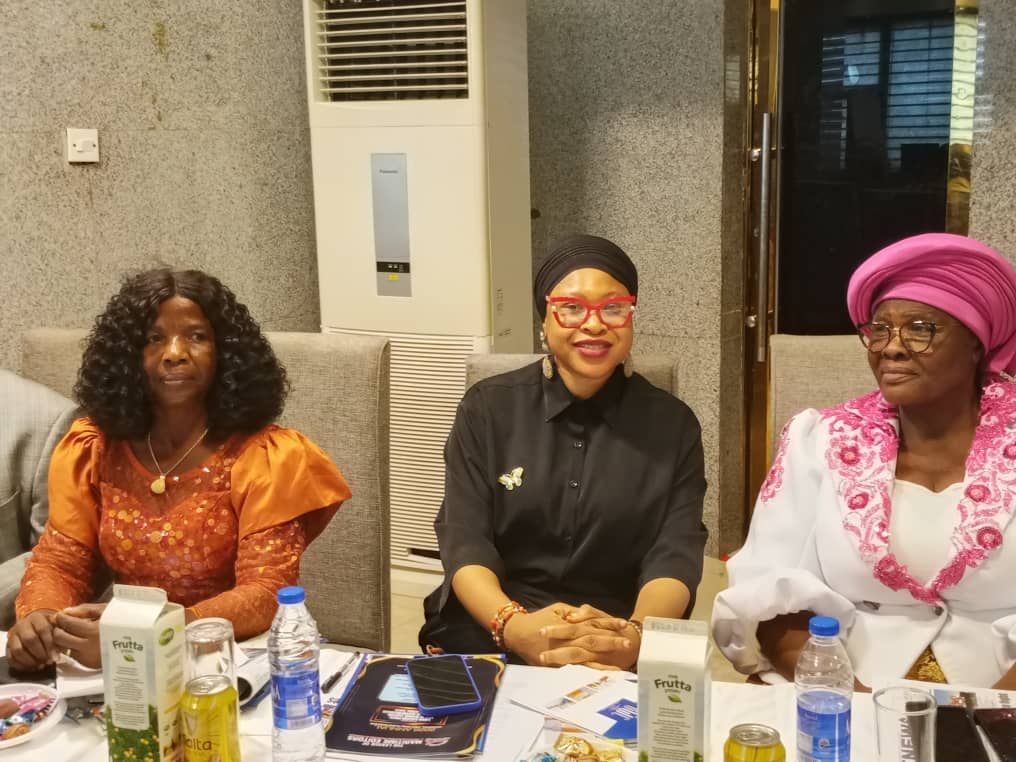
The Minister represented by the Director of Press, Mrs. Anastasia Ogbonna, specifically cited reconstruction of breakwaters and channel-management interventions, including works along the Escravos Channel, as part of the government’s interventions aimed at improving the competitiveness of the Eastern maritime corridor.
He also explained why major physical modernisation activities were currently receiving particular attention at Lagos ports, saying the decision was based on operational urgency, economic necessity, project readiness and responsible sequencing rather than preferential treatment for Lagos.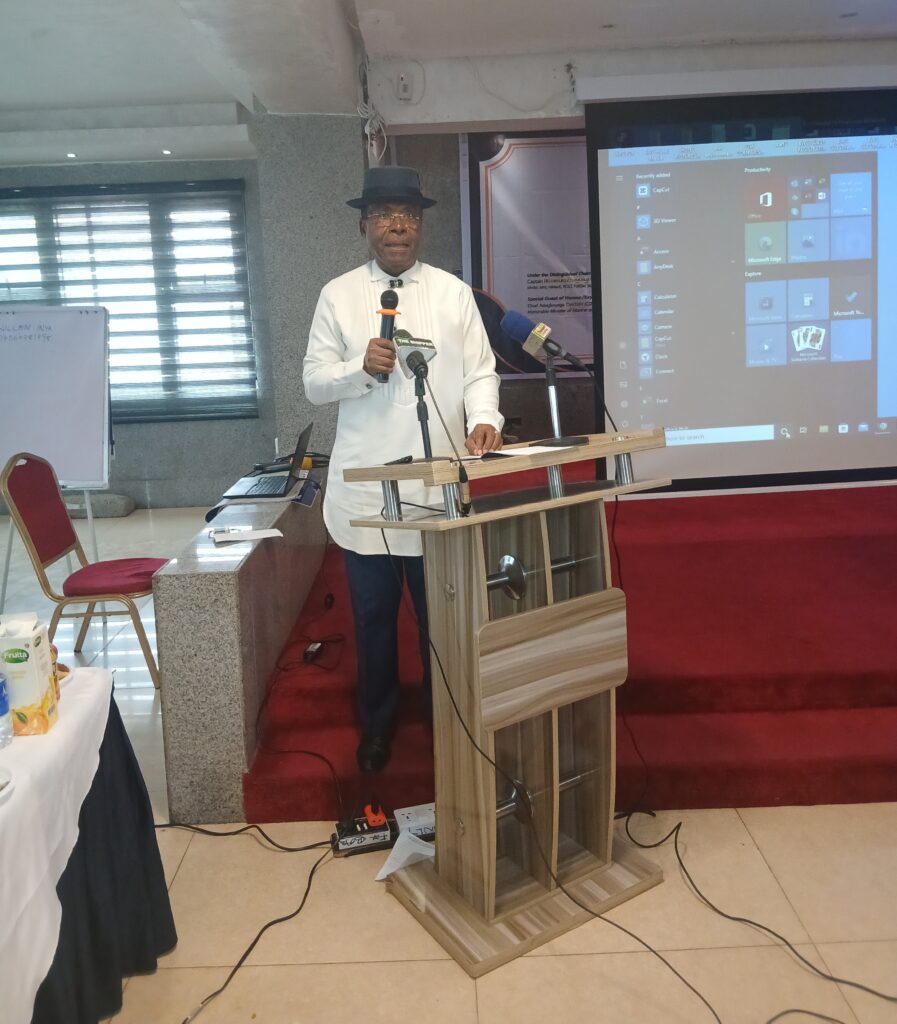
According to him, Lagos remains Nigeria’s principal maritime gateway and carries the largest concentration of import and export cargo, making inefficiencies there capable of having a disproportionate impact on the national economy.
He said attempting to reconstruct all major gateways simultaneously without sufficient alternative capacity could disrupt cargo movement and expose the national supply chain to unnecessary risks.
Oyetola further disclosed that the Lagos port modernisation programme attained financial and contractual readiness earlier, allowing implementation to commence ahead of some Eastern port interventions.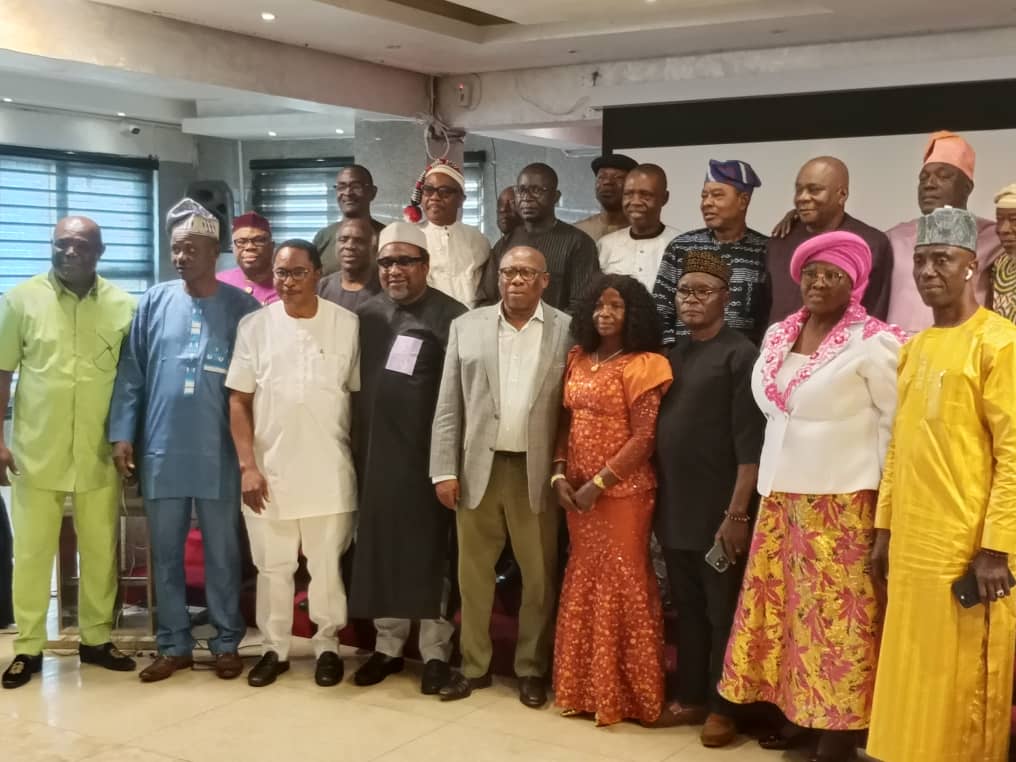
He insisted, however, that the sequencing should not be interpreted as neglect of the Eastern ports.
“We are not developing Lagos at the expense of the East. We are strengthening Lagos while building the capacity of the Eastern corridor to assume a greater and more strategic share of national maritime traffic,” he stated.
The Minister emphasised that infrastructure alone would not automatically move cargo from Lagos to the East because shipping lines ultimately make commercial decisions based on draft, berth availability, cargo volume, turnaround time, security, reliability, tariffs, hinterland connectivity and the predictability of port operations.
He therefore outlined a broader package involving maritime security and navigational safety, commercial incentives, digitalisation, stronger road, rail, inland-waterway and barge connections, as well as greater private-sector participation.
Oyetola said the National Single Window and Port Community System would also help reduce unnecessary physical interactions, improve information sharing and make cargo clearance more transparent and predictable.
Earlier, Chairman of the occasion, Captain Iheanacho Ebubeogu, observed that the competitiveness of Nigerian ports would ultimately depend on their ability to attract both captive and contestable cargo.
He explained that while captive cargo was largely tied to the immediate geographical area of a port, contestable cargo could move between competing ports depending on price, efficiency and quality of service.
According to him, it was the contestable cargo that constituted the major point of contention in the current imbalance because Eastern ports had not been able to secure a fair share of that market.
Ebubeogu said the global shipping community expected ports to provide operational efficiency, deepwater nautical access, competitive tariffs, reliable road and rail connections, fast customs clearance, safety, security and regulatory compliance.
He argued that the combination of these factors would determine whether a port could successfully compete for cargo within Nigeria and the wider region.
Also speaking, Co-Chairman of the Occasion, Assistant Comptroller General of Customs, Charles Edike (Rtd), said the whole gamut of operational demands for ports efficient management as it concerns the Nigeria Customs Service (NCS) is always at top performance, noting that the Service’s robust modernisation system is a decade ahead of its time.
President of LOME, Mrs Remi Itie, said the imbalance in cargo calls should be urgently addressed because the economic benefits of the maritime sector must not remain concentrated in one part of the country.
She urged the Ministry to focus on strategies capable of spreading cargoes to the Eastern ports while developing the coastal states and their wider marine and blue economy potentials.
Itie also called for greater attention to coastal development, pollution control and the development of port infrastructure around Nigeria’s coastal communities.
The conference therefore produced a broad consensus that the imbalance in cargo distribution was neither sustainable nor desirable, but the presentations also demonstrated that redistribution would require more than government directives.
For the Eastern ports to compete sustainably with Lagos, stakeholders agreed that they must offer shipping lines and cargo owners a compelling combination of cost, efficiency, infrastructure, navigational access, security, connectivity and predictable service delivery.
The emerging consensus was that the real test is not whether cargo can be ordered away from Lagos, but whether the Eastern ports can be made sufficiently competitive for cargo owners and shipping lines to voluntarily choose them.





ANLCA Airport Crisis: Police Raid Raises Questions Over IGP’s Respect For Court Orders

‘We Arrested Several Vessels Violating Cabotage Trade’ – NIMASA

Customs CGC Says ‘The World Is Connected, Not Borderless’

Nigeria Customs Mulls Reviews of Complaints Arising from Recruitment

Edo-Delta Journalists Forum Challenges Political Leaders on Regional Development

Nnadi Urges Nigerian Importers to Shift from Finished Goods to Manufacturing

WMD: Oyetola Recommit to Unlock CVFF Pursuant to Indigenous Operators Financing

Customs FOU Zone ‘A’ Hands Over Seized ₦511.4m Pharmaceuticals, Illicit Drugs to NDLEA, NAFDAC

Oyetola Unveils NPERA, Corporate Logo Amid Quiet Enthusiasm

Nigeria, Benin Urged to Deploy Culture and Traditional Diplomacy to Defuse Border Tensions

Nigeria’s Ports: How Foreign Capital Took the Dinner, While Indigenous Businesses Got the Crumbs (3)

FOU Zone A, Police, Army, DSS, Others Strengthen Security Alliance Ahead of Elections

ANLCA Board is intact, cannot be wished away by anybody’-Elochukwu

B-R-E-A-K-I-N-G: Effedua, Rector MAN Oron, Resigns

EFCC’s Probe: Okowa Plots Sheriff’s Removal Despite London Accord
Customs Trains ANLCA Members, Others on B’Odogwu Portal

NPA’s Alleged Executive Management Fight: The Half Truth & Truth
ANLCA Board Election: Know Your Candidates
‘Why We Launched B-Odogwu Pilot Scheme With Webb Fontaine Still Running’ – Adeniyi

Onyeka Makes History As Tin-Can Customs Hit ₦16.4bn A Day

Onyemekara Promoted GM, Appointed NPA’s New Spokesperson

Nigeria Customs: Trust, Competence And The Oramalugo Factor

Apapa Customs Collects ₦161b On B’Odogwu Platform In 3 Weeks

‘Rush To Break News Can Lead To Brush With Cybercrime’- Police