Business
MAN Oron, New LOME Exco Raise Bar for Maritime Development

…As Kumuyi Assumes Leadership
BY FUNMI ALUKO
The Maritime Academy of Nigeria (MAN), Oron, Akwa Ibom State, and the newly inaugurated Executive Committee of the League of Maritime Editors (LOME) have set a fresh agenda for the development of Nigeria’s maritime sector, with emphasis on human-capital development, professional journalism, policy engagement and the urgent need to unlock the potential of the nation’s Eastern ports.
The twin development featured prominently at the 2026 Annual General Meeting (AGM) and Conference of LOME held in Lagos on Thursday, where the new executive led by Mr Felix Kumuyi was inaugurated, while MAN Oron used the occasion to showcase what it described as a deliberate transformation of the institution into a future-ready maritime training centre.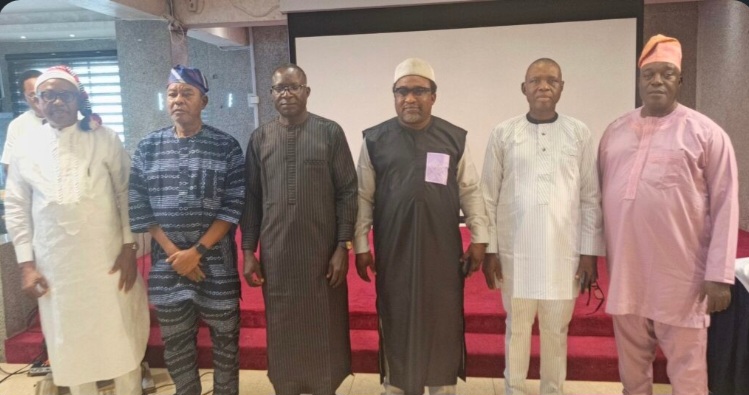
Kumuyi, a former Secretary-General of the League and Editor-in-Chief of TransQuest Media Group, succeeded Mrs Remi Itie as President of the association after the election conducted during the AGM.
Other members of the new executive are Mr Francis Ugwoke, Vice President; Mr Eguono Odjegba, Secretary-General; Mr Tony Ohakwe, Treasurer; Mr Shola Mekusi, Financial Secretary/Welfare Officer; and Mr Okey Iroegbu, Public Relations Officer.
The new executive was formally sworn in by the Chief Press Secretary to the Federal Ministry of Marine and Blue Economy, Mrs Anastasia Ogbonna, at the end of the conference.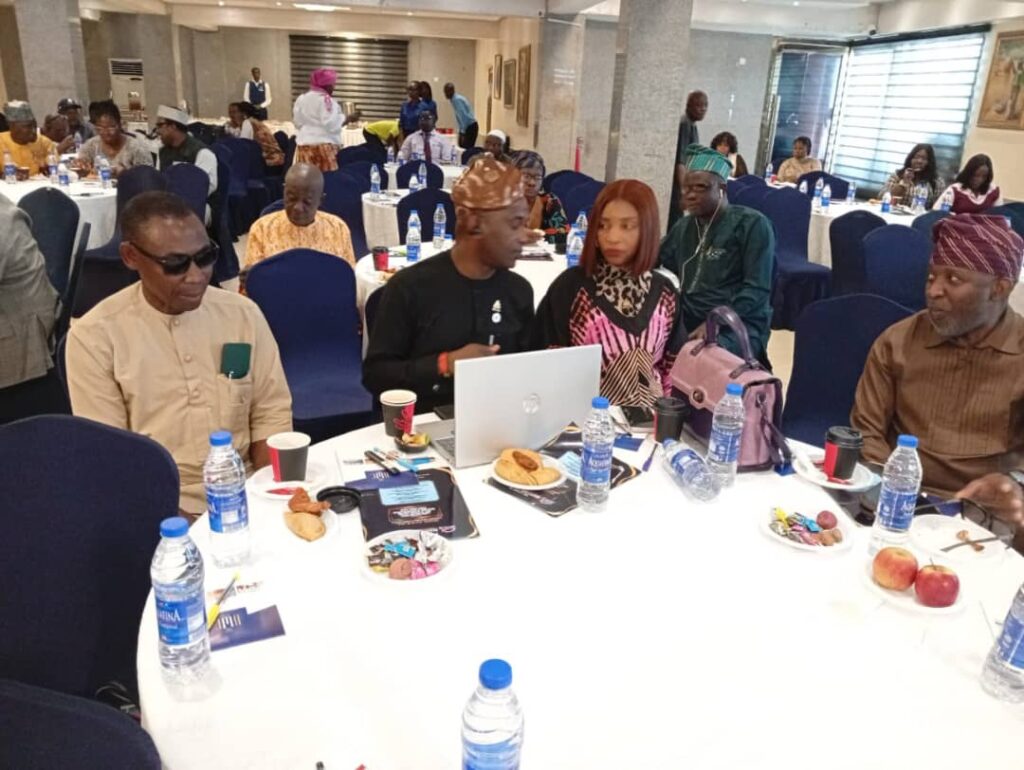
In his acceptance speech, Kumuyi pledged to raise the banner of the League higher, promising to approach the responsibility with a strong sense of duty, accountability and commitment to the growth of the maritime sector.
He described his emergence as “a call to service” and promised to build on the achievements of past administrations rather than starting afresh.
According to him, the new administration will seek to reposition LOME for “greater relevance, visibility and influence” within Nigeria’s maritime sector.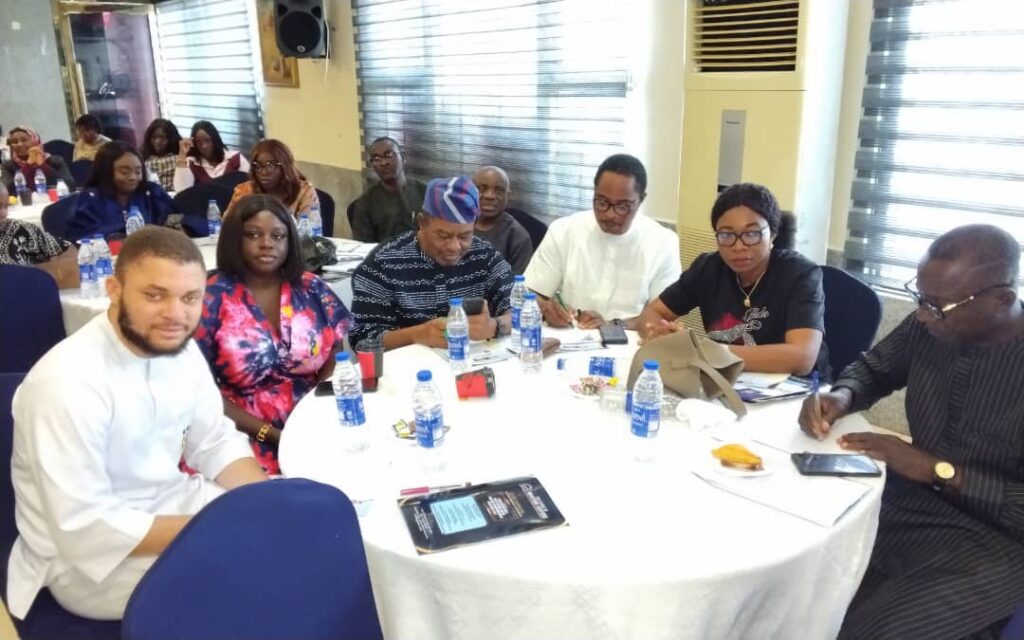
Kumuyi said the League would pursue stronger and more constructive collaboration with maritime regulatory agencies, government institutions, private-sector operators and professional bodies, stressing that its objective was to become a credible platform where policies could be interrogated constructively and solutions offered in the national interest.
He also pledged to revive some dormant initiatives of previous administrations, including the proposed Centre for Maritime Studies/Research, State of the Nation programme, Book Colloquium and Quarterly Roundtable.
The new president further promised to strengthen the League’s institutional foundation and to improve internal communication, assuring that the new executive would operate on the principles of consultation, participation and collective ownership.
“Our ambition is simple: to build a League that is respected, a League that is relevant, a League that is united, a League that is financially sustainable, a League whose voice matters, and a League that leaves a stronger legacy for those who will come after us,” Kumuyi said.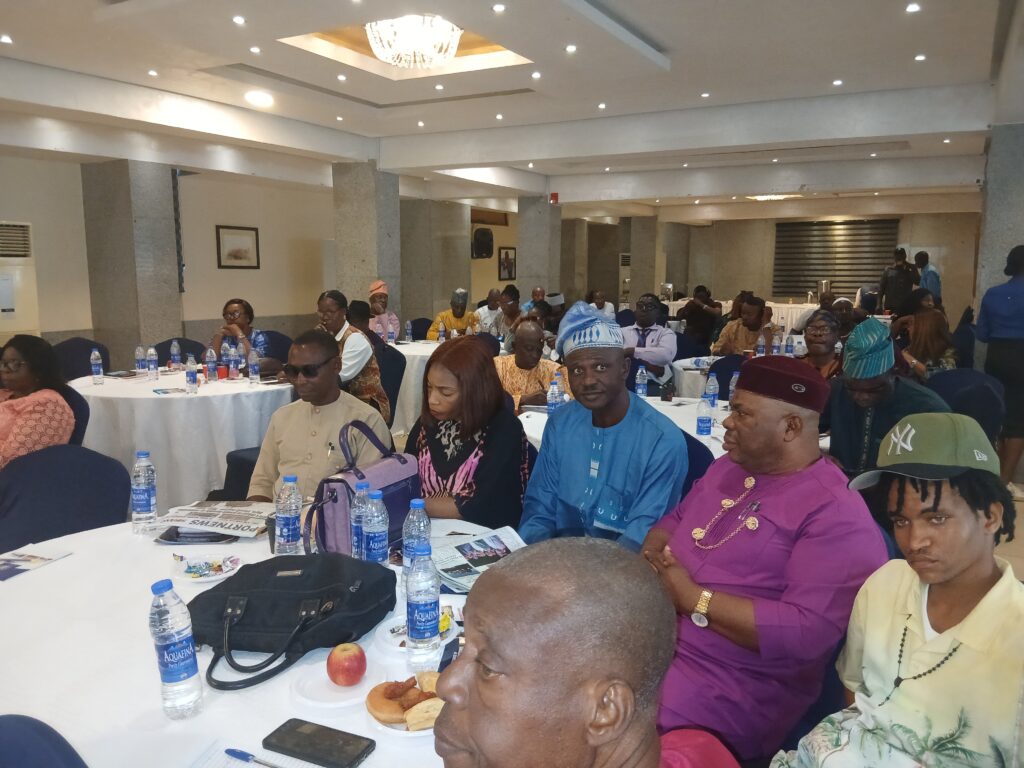
The inauguration came against the backdrop of a major policy conversation on how to rebalance cargo traffic between Nigeria’s Western and Eastern ports.
Speaking at the conference, the immediate past President of LOME, Mrs Remi Itie, called for a broad-based strategy by the Federal Government to optimise the Eastern ports and spread maritime economic opportunities beyond the Western corridor.
Itie said the Western ports currently enjoyed comparative advantages but argued that the imbalance in cargo calls should be urgently addressed in the interest of national economic development. She challenged the Federal Government, particularly the Ministry of Marine and Blue Economy, to develop strategies that would encourage more cargo traffic to the Eastern ports and stimulate economic activities in the coastal states.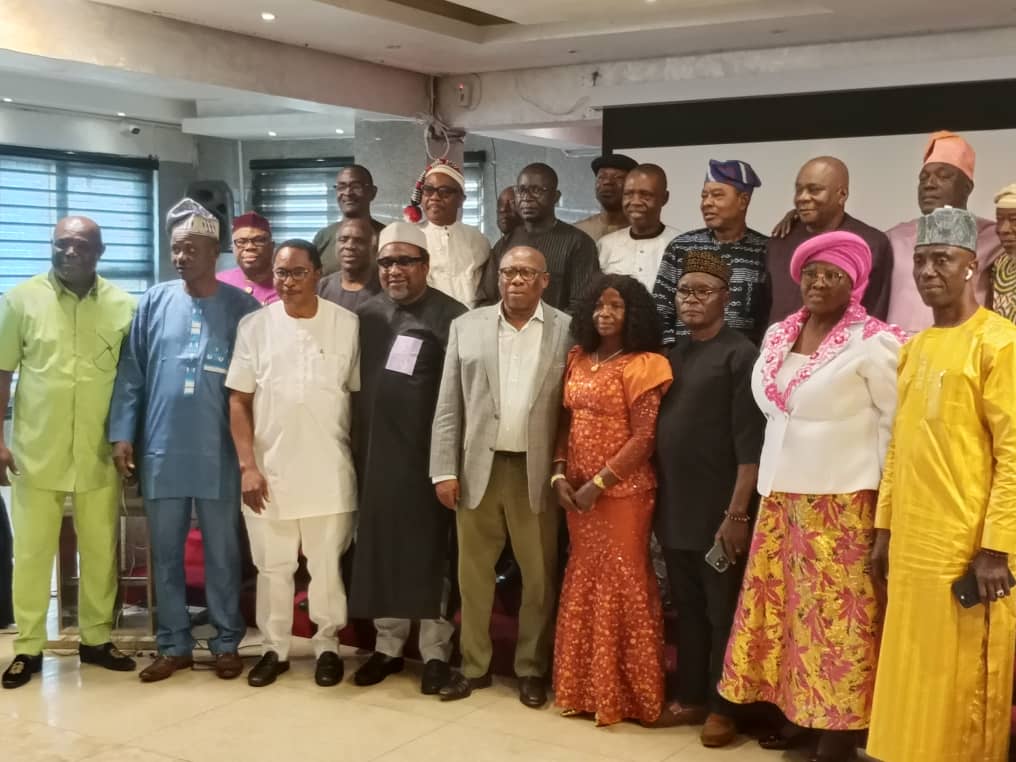
According to her, expanding cargo distribution would not only strengthen the Eastern ports but could also increase the nation’s economic potential by opening up new opportunities in the coastal and blue-economy space.
She also called for the mapping and development of Nigeria’s coastal areas, stressing the need to exploit their tourism, agro-fishery and other blue-economy potentials.
The former LOME president cited the Ethiope River corridor from Abraka through Eku to Sapele in Delta State, as well as Bayelsa and other coastal areas, as examples of locations with considerable untapped economic opportunities.
Itie equally raised concerns over pollution and waste in the coastal corridor, warning that environmental degradation could undermine marine resources, public health and the export potential of Nigerian marine products.
She said the conference was convened not to bring any institution down but to identify gaps, highlight opportunities and share lessons that could contribute to national development.
Against this policy backdrop, MAN Oron presented a detailed account of its ongoing transformation under the leadership of its Acting Rector, Dr Kevin Okonna, declaring that the institution was deliberately preparing Nigerian seafarers for the ships, technologies and challenges of the future.
Represented at the conference by two management and senior staff members, Okonna said the Academy considered its relationship with maritime journalists critical to the development of the sector and appreciated the League’s contribution to maritime discourse.
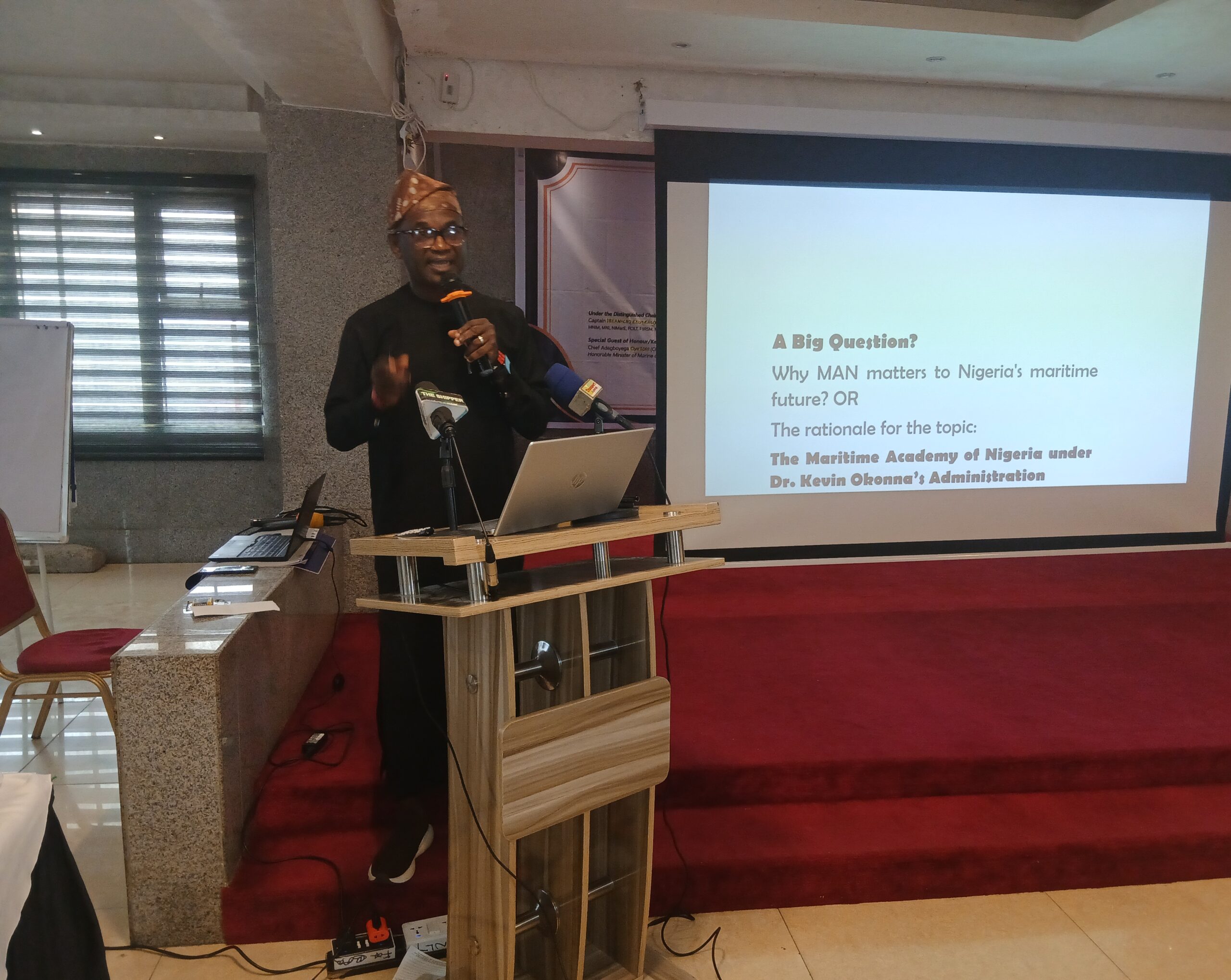
The presentation, titled “The Maritime Academy of Nigeria under Dr Kevin Okonna’s Administration,” emphasised the strategic importance of the Academy as Nigeria’s sole Federal Government maritime training institution.
Delivering his presentation, Okonna represented by the Head, Quality Assurance, Dr. Hakeem Lawal, said MAN’s mandate had increasingly moved beyond conventional classroom instruction to an integrated model combining maritime education, practical training, simulation and industry engagement.
The Academy disclosed that it now has a range of modern training facilities, including a Multifunctional Classroom Simulator, Full Mission Bridge Simulator, Full Mission Engine Room Simulator, Ocular Vision Simulator and Helicopter Underwater Escape Training (HUET) Simulator, alongside smart classrooms, an e-library, workshops, laboratories and survival-training facilities.
The institution also highlighted its growing emphasis on quality assurance, revealing that it had secured ISO 9001:2015 certification for Quality Management Systems and ISO 21001:2025 certification for Educational Organisations Management Systems.
According to the Academy, 75 members of staff have been trained to System Auditor and Lead Auditor levels, with the management insisting that certification was not merely about displaying certificates but about making quality a culture across the institution.
One of the major changes highlighted by MAN was the deliberate effort to bridge classroom knowledge with actual shipboard experience.
The Academy disclosed that, through its Memorandum of Agreement with NLNG Shipping Management and Marine Services Limited, 43 cadets were currently undergoing sea-time training aboard NLNG vessels.
It said mandatory sea-time remained critical to producing competent seafarers capable of translating theoretical knowledge into operational competence.
The Academy further disclosed that it had reviewed its National Diploma and Higher National Diploma curricula to strengthen alignment with the International Convention on Standards of Training, Certification and Watchkeeping for Seafarers (STCW), while placing greater emphasis on competence, employability and operational readiness.
The revised approach, it said, was designed to prepare cadets for digitalisation, automation, alternative fuels, decarbonisation and other emerging technologies shaping the global shipping industry.
On human-capital development, MAN said it had secured approval of its Staff Conditions of Service by the Head of the Civil Service of the Federation, while also developing a five-year strategic development plan and recruiting experienced Master Mariners, Chief Engineers and other maritime professionals.
The figures presented by the Academy also pointed to a significant training output.
MAN disclosed that 4,595 participants were trained in 2024, while 4,959 were trained in 2025. Between January and June 2026, another 2,234 participants had undergone training, bringing the total number of professionals trained from 2024 to June 2026 to 11,788.
It added that 401 cadets had successfully completed its regular cadet programmes within the period. The Academy also listed infrastructure renewal, including a Survival Training Pool Complex, cadet and short-course students’ hostels, office blocks and other essential facilities, among its ongoing development efforts.
Of particular significance was MAN’s selection on June 15, 2026, as a beneficiary of the Integrated Educational Pilot for Green and Digital Shipping in Sub-Saharan Africa under the Future-Ready Shipping Project in Africa.
The initiative, according to the Academy, presents an opportunity to deepen green and digital maritime education while strengthening research, innovation, international partnerships and future-focused training.
MAN said its next phase would focus on modernising training and simulation capabilities, expanding sea-time opportunities, deepening partnerships with shipowners and regulators, strengthening research and innovation and ensuring that its curriculum remains responsive to global developments in shipping.
The Academy’s message to the maritime industry was that its transformation was not simply about new buildings, equipment or certificates, but about producing “a new generation of maritime professionals—competent, disciplined, innovative and globally competitive.”
The conference, which brought together stakeholders from across the maritime industry, therefore ended with two interconnected messages: that Nigeria’s maritime future depends heavily on the quality of professionals being produced for the industry, and that the enormous economic potential of the country’s ports and coastal regions must be more deliberately harnessed.
For the League of Maritime Editors, the inauguration of the Kumuyi-led executive provides a new platform to deepen its role as an agenda-setting professional body, while MAN Oron’s presentation underscored the importance of building the human capacity required to translate Nigeria’s maritime and blue-economy ambitions into sustainable economic growth.



ANLCA Airport Crisis: Police Raid Raises Questions Over IGP’s Respect For Court Orders

‘We Arrested Several Vessels Violating Cabotage Trade’ – NIMASA

Customs CGC Says ‘The World Is Connected, Not Borderless’

Nigeria Customs Mulls Reviews of Complaints Arising from Recruitment

Edo-Delta Journalists Forum Challenges Political Leaders on Regional Development

Nnadi Urges Nigerian Importers to Shift from Finished Goods to Manufacturing

WMD: Oyetola Recommit to Unlock CVFF Pursuant to Indigenous Operators Financing

Customs FOU Zone ‘A’ Hands Over Seized ₦511.4m Pharmaceuticals, Illicit Drugs to NDLEA, NAFDAC

Oyetola Unveils NPERA, Corporate Logo Amid Quiet Enthusiasm

Nigeria, Benin Urged to Deploy Culture and Traditional Diplomacy to Defuse Border Tensions

Nigeria’s Ports: How Foreign Capital Took the Dinner, While Indigenous Businesses Got the Crumbs (3)

FOU Zone A, Police, Army, DSS, Others Strengthen Security Alliance Ahead of Elections
ANLCA Board is intact, cannot be wished away by anybody’-Elochukwu

B-R-E-A-K-I-N-G: Effedua, Rector MAN Oron, Resigns

EFCC’s Probe: Okowa Plots Sheriff’s Removal Despite London Accord

Customs Trains ANLCA Members, Others on B’Odogwu Portal

NPA’s Alleged Executive Management Fight: The Half Truth & Truth
ANLCA Board Election: Know Your Candidates
‘Why We Launched B-Odogwu Pilot Scheme With Webb Fontaine Still Running’ – Adeniyi

Onyeka Makes History As Tin-Can Customs Hit ₦16.4bn A Day

Onyemekara Promoted GM, Appointed NPA’s New Spokesperson

Nigeria Customs: Trust, Competence And The Oramalugo Factor

‘Rush To Break News Can Lead To Brush With Cybercrime’- Police

Apapa Customs Collects ₦161b On B’Odogwu Platform In 3 Weeks