
Maritime
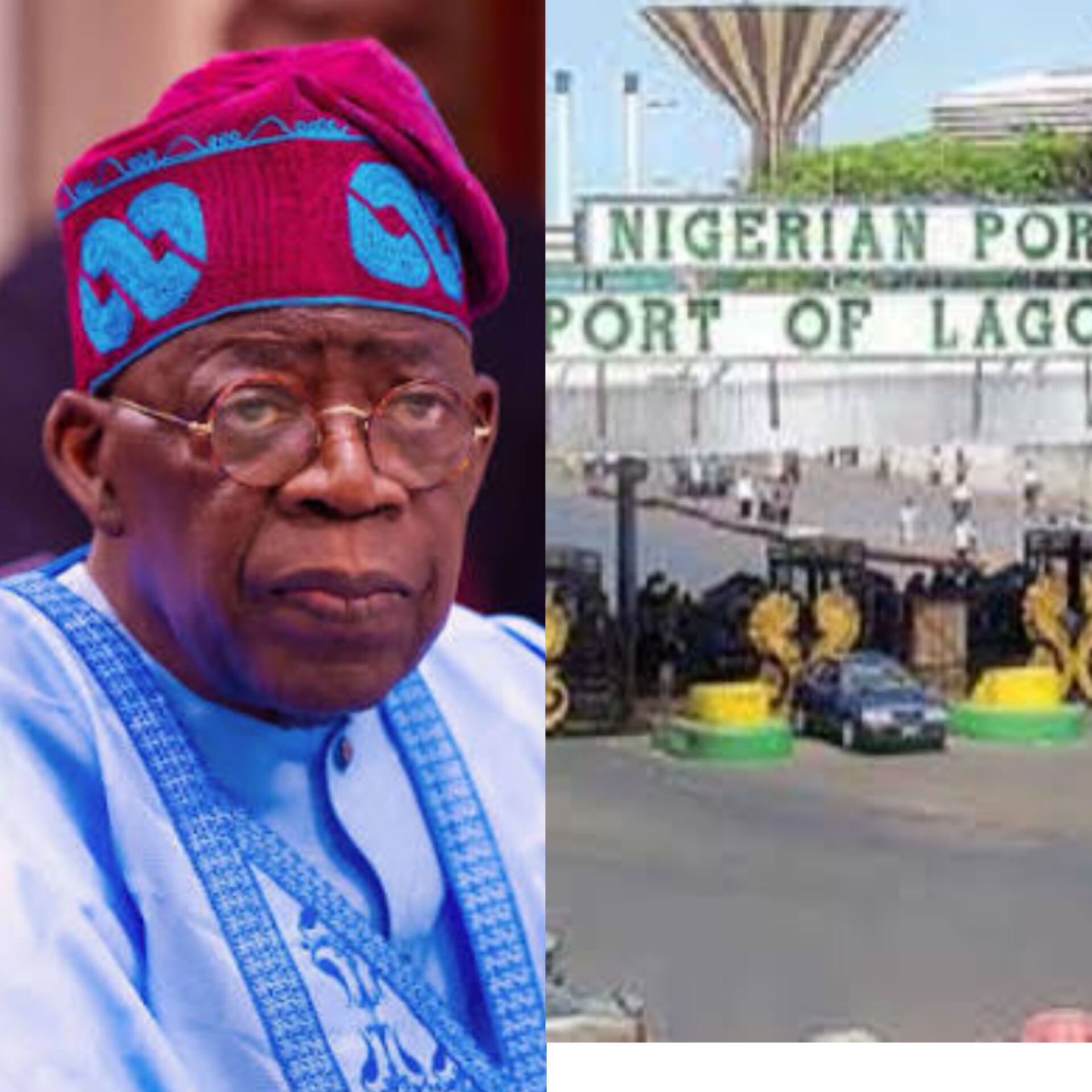
Ports Regulator Bill Finally Anchors: Will President Tinubu Break The Jinx?

BY EGUONO ODJEGBA
For nearly two decades, the Nigerian Port Economic Regulatory Agency Bill has been the legislative equivalent of a ship caught in stormy waters, buffeted by presidential rejections, industry pushback, and political hesitation. On Monday, however, the Senate finally steered it into calmer seas, passing the long-contested bill after a fresh round of amendments and scrutiny.
In this report, Eguono Odjegba provides a tour of the bill’s apparent tortious past, reviewing the pros and cons, and asking salient questions.
A Bill with a Checkered Past
Repeated Rejections: Since the administration of President Goodluck Jonathan, successive governments have declined assent, citing technical flaws or political sensitivities.
Industry Resistance: Grapevine reports have long alleged sabotage by entrenched interests within the maritime sector, wary of losing influence under a centralized regulator.
Legislative Persistence: Despite setbacks, lawmakers repeatedly recommitted the bill, refining its clauses through technical committees involving the Ministry of Justice, the House of Representatives, and legal drafting experts.
This latest passage marks the first time all “grey areas” have been ironed out, with senators rescinding earlier versions and recommitting the bill for clause-by-clause consideration before its approval.
Why It Matters Now
Nigeria’s ports are the arteries of its economy, handling the bulk of imports and exports. Yet inefficiencies, overlapping authorities, and regulatory uncertainty have long plagued the sector. With the present position however, Nigeria is again at the threshold of a critical history, one that is expected to reignite efficient administration of the port economy. The new law promises the following:
Unified Oversight: A single economic regulator to streamline port operations.
Transparency & Accountability: Clear rules to curb arbitrary charges and bottlenecks.
Alignment with Policy: Support for the government’s Marine and Blue Economy Policy, which seeks to harness ocean resources for growth.
At a time when global trade competition is fierce, Nigeria cannot afford regulatory chaos at its gateways.
The Tinubu Test
The question now shifts to President Bola Ahmed Tinubu. With the Senate’s passage, the bill heads to his desk for assent. Can his administration afford to neglect such a pivotal reform?
*Economic Imperative: Ports inefficiency costs Nigeria billions annually in lost revenue and trade delays.
*Political Signal: Signing the bill would demonstrate commitment to reform and governance credibility.
*Strategic Timing: As the Marine and Blue Economy Policy gains traction, this law could provide the operational backbone needed for success.
Failure to act would risk perpetuating inefficiencies that undermine Nigeria’s competitiveness in West Africa and beyond. Industry players and Nigerians at large must acknowledge the role played by Senator Opeyemi Bamidele led joint legislative houses for the purpose of delivering on this essential law by virtue of the passage of the bill, which hopefully, would receive the required urgent and purposeful presidential assent.
Given its tortious past, one can safely say this bill has passed through a “baptism of fire.” Its survival through years of rejection and revision underscores both its necessity and the entrenched resistance it faced. Now, with legislative hurdles cleared, the onus lies squarely on the presidency.
If Tinubu signs, he anchors a long-awaited reform that could redefine Nigeria’s maritime economy. If he hesitates, the country risks drifting further into inefficiency at a time when global trade demands speed, clarity, and competitiveness.









Teamwork, Discipline, Central to Our Enforcement Mandate —Jonah Charges Customs Marine Operatives

How the UAE-Nigeria Partnership Can Transform Our Ports

Cross River, FTZ Customs Gets New Impulse

CGC Adeniyi Signs Anti-Corruption Documents, Activates ICRAM Steering Committee

Nigeria Customs Marks Breast Cancer Awareness Month in Abuja

NIMASA To Host Webinars on Automation of Nigerian Ship Registry

NPA Moves To Cut Export Bottlenecks, Targets Forex Inflows

NPA Congratulates ANLCA on 72nd Anniversary, Reaffirms Support for Port Modernisation

Afeni Lands at FOU Zone ‘A’ in Acting Controller Capacity

NPA Mulls Specialised Fishing Port to Deepen Nigeria’s Blue Economy

Industry Stakeholders Applaud ANLCA at 72nd Anniversary Celebration

Port Regulation Critical To Fisheries, Blue Economy – NPERA DG, Akutah

ANLCA Board is intact, cannot be wished away by anybody’-Elochukwu

B-R-E-A-K-I-N-G: Effedua, Rector MAN Oron, Resigns

EFCC’s Probe: Okowa Plots Sheriff’s Removal Despite London Accord

Customs Trains ANLCA Members, Others on B’Odogwu Portal

NPA’s Alleged Executive Management Fight: The Half Truth & Truth
ANLCA Board Election: Know Your Candidates
‘Why We Launched B-Odogwu Pilot Scheme With Webb Fontaine Still Running’ – Adeniyi

Onyemekara Promoted GM, Appointed NPA’s New Spokesperson

Nigeria Customs: Trust, Competence And The Oramalugo Factor

‘Rush To Break News Can Lead To Brush With Cybercrime’- Police

Kebbi Is Hub of Hard Drugs Smuggling In Northern Region’ – Oramalugo

Apapa Customs Collects ₦161b On B’Odogwu Platform In 3 Weeks